A referral partner for brokers and fleet managers
You already know the call. A client has been hit on Military Road at Neutral Bay or in the Cross City Tunnel and their prestige car is undriveable. They want a like-for-like replacement, not a compact from the airport counter. As a broker or fleet manager, you can answer that call without adding risk, cost, or admin to your day.
This guide explains how a referral partnership works in New South Wales, what your client is entitled to after a not-at-fault crash, and how to keep the relationship with you at the centre of it.
Key takeaways
- A not-at-fault driver in NSW can recover the reasonable cost of a like-for-like replacement vehicle from the at-fault party, following Arsalan v Rixon.
- A referral partner handles the hire, the recovery, and the paperwork, so brokers and fleet managers add a service without adding risk or admin.
- Like-for-like means a reasonable equivalent, not an identical car, and it protects both the client's week and the strength of the claim.
- Fleet referrals run on complete incident details, a matched replacement, and weekly reporting that tracks the repair timeline.
- The rate, bond, and fees are shown on the car's page before payment, and the bond equals the excess the guest chooses.
- Why brokers get asked about replacement cars
- The difference between a hire car and a like-for-like replacement
- What your client is entitled to after a not-at-fault crash
- How a referral works for a fleet of vehicles
- Keeping the client relationship with you
- What we need from you to move quickly
- Reporting and updates for fleet clients
- When to involve a solicitor
- What to do next
Why brokers get asked about replacement cars
The question usually arrives within an hour of the tow truck. A client rings their broker because the broker is the only person in the chain who has ever explained their policy to them. They are not asking for a claims lecture. They are asking: how do I get to work tomorrow, and who pays for the car?
In NSW, if another driver caused the collision, your client's own insurer is often not the right first call. Their policy may cover a hire car, but that benefit is usually capped and rarely delivers a like-for-like vehicle. The at-fault driver's compulsory third party scheme covers injury, not property. The at-fault driver's insurer may accept liability quickly, or may not. In the gap, your client still needs a car.
Brokers and fleet managers get asked because they are trusted. The risk is that a loose referral to a general rental company produces a compact SUV, a client who feels badly served, and a bill that lands back on your desk. A structured referral partner removes that risk. You introduce the client, the partner handles the hire and the recovery, and you stay the person who solved it.
It helps to understand the legal backdrop. The NSW Court of Appeal decision in Arsalan v Rixon confirmed that a not-at-fault driver can recover the reasonable cost of a replacement vehicle, including the cost of hiring one, from the at-fault party. That is the foundation of everything below. The practical question is how to deliver it without your client waiting weeks for a cheque.
The difference between a hire car and a like-for-like replacement
A hire car is any car. A like-for-like replacement is a car of similar make, model, age, condition, and specification to the one that was damaged. For a client who drives a Range Rover Vogue, a base model hatchback is not like-for-like. For a fleet with a BMW X7 on the road, a mid-size sedan changes what the driver can do that week.
Like-for-like matters for three reasons. First, it is what the law supports: the not-at-fault party is entitled to be put back in the position they were in before the crash, as far as money can do that. Second, it protects the client's business. A seven-seat SUV carries a family or a crew; a five-seat replacement does not. Third, it protects the claim. If the replacement is obviously inadequate, the client may hire something else anyway and the recovery becomes messy.
In practice, like-for-like does not mean an identical vehicle. It means a reasonable equivalent. A prestige SUV can be replaced by another prestige SUV of similar size and standing. A performance sedan can be replaced by a comparable performance sedan. The test is reasonableness, not exactness.
This is where a specialist partner earns its place. General rental desks optimise for availability and daily rate. A replacement specialist starts with the damaged car's details and works backwards to a suitable vehicle. For prestige and performance cars, that usually means a small pool of well-maintained vehicles, delivered to a home, office, or repairer in Sydney, the Central Coast, or the Hunter.
Age limits are set per car. Drivers under 25 can hire most cars with Young Driver Cover; the exact terms are shown before you pay.
What your client is entitled to after a not-at-fault crash
Start with fault. If the other driver was wholly or mostly at fault, your client has a claim for their losses against that driver. Those losses include the reasonable cost of a replacement vehicle for the period their car is off the road, plus towing, storage, and assessment costs where reasonable. The at-fault driver's insurer may accept liability and pay, or may dispute it. Either way, the entitlement exists independently of the insurer's position.
Your client is not required to claim on their own policy to access a replacement. Many do, because it feels safer, but it can trigger an excess, affect a no-claim bonus, and still leave them in a small car. The alternative is to hire through a credit hire arrangement, where the hire company waits for the recovery rather than charging the client upfront. The client signs an agreement, takes the car, and the hire company pursues the at-fault party or their insurer.
There are conditions. The client must not be at fault. They must have a genuine need for a vehicle. The replacement must be reasonable. The hire period must match the repair or write-off timeline, not extend beyond it. And the client must cooperate with the recovery, which usually means providing the police report, the other driver's details, photos, and access to the damaged car for assessment.
The rate, the bond, and every fee are shown on the car's page before payment. The bond equals the excess the guest chooses. Paying by card carries a small surcharge; bank transfer and cash on the rental do not. Most cars can be booked from a single day, which suits a fleet that needs a car back on the road quickly.
If you want the plain-English version to share with a client, this page is a good starting point: do I need to claim on my own insurance if I was not at fault. It answers the question clients ask first.
Not at fault? Start your claim
A like-for-like replacement car while yours is repaired. No cost to you when the other driver is at fault.
Start my claimHow a referral works for a fleet of vehicles
A fleet referral is not one hire. It is a process that has to work when three vehicles are off the road in the same week and the fleet manager is already fielding calls from drivers, repairers, and the insurer. The process below is the one that holds up.
- You introduce the client or the fleet. One email or call with the basic details is enough to open the file.
- We take the incident details. Date, location, other driver, police report number if there is one, and the damaged vehicle's make, model, and year.
- We confirm liability position. Not-at-fault, disputed, or unclear. This shapes the hire agreement and the recovery path.
- We match a replacement. Like-for-like, delivered to the driver's home, office, or the repairer's yard.
- The driver signs and collects. Documents are digital. Delivery is available across Sydney and to regional repairers by arrangement.
- We manage the hire period. We track the repair or write-off and keep the hire aligned to it.
- We recover from the at-fault party. Your client is not out of pocket for the hire if the claim succeeds.
For fleets, the same process runs across multiple vehicles with one point of contact. A fleet with a mix of prestige SUVs and performance sedans can be handled as a single account, with each driver dealt with individually and the fleet manager kept in the loop.
Booking and fleet arrangements are handled by Drive Tribe (drivetribe.com.au), the trading name of Australian Business Holdings Pty Ltd. This site is part of that group. If you want to see how the business and fleet side works, start here: accident replacement vehicles for business and fleet owners.
Keeping the client relationship with you
The fear is simple: if I hand my client to a hire company, they will sell them something else. A good referral partner does the opposite. The partner's job is to solve the immediate problem and hand the client back. There is no cross-sell of insurance, no attempt to move the policy, and no contact with the client about anything other than the replacement vehicle.
That is why transparency matters more than promises. Ask any potential partner three questions before you refer:
- Who contacts my client, and about what?
- What information do you share with me, and when?
- What happens if the claim is disputed or declined?
The answers should be specific. A partner who cannot describe their reporting in detail is a partner who will leave you guessing. The same applies to fees: your client should never be surprised by a charge. The rate, bond, and fees are on the car's page before payment, and the bond equals the excess the guest chooses.
For brokers, there is also a professional boundary to respect. You are not giving legal advice, and neither are we. General information about entitlement is useful; advice about a specific claim is for a solicitor. If the matter is complex, disputed, or involves injury, the right move is to involve a solicitor early. The referral partner should support that, not compete with it.
If you want to see how a clean referral structure is documented, this page sets it out: referral partner transparency. It is written for brokers and fleet managers who need to explain the arrangement to a client or a compliance team.
What we need from you to move quickly
Speed comes from complete information. A referral with the following details can usually be actioned the same business day. A referral without them creates a round of phone calls that delays the driver.
| Item | Why it matters |
|---|---|
| Damaged vehicle make, model, year | Determines like-for-like replacement |
| Incident date, time, location | Supports the claim and the police report |
| Other driver's name, insurer, and claim number | Enables recovery from the at-fault party |
| Police report number | Evidence of the incident |
| Repairer name and contact | Aligns hire period with repair timeline |
| Driver's licence and contact details | Hire agreement and delivery |
| Delivery address and time window | Home, office, or repairer yard |
If the other driver has not reported the incident or is uncontactable, say so. It does not automatically end the claim, but it changes the recovery path. If the damaged car is a write-off, the hire period is usually shorter and tied to the settlement date. If it is repairable, the hire runs to the repair completion date, which is why the repairer's details matter.
For fleets, add the account contact, the cost centre or PO reference if your finance team needs one, and any driver restrictions. Minimum driver age is 20 on most cars and 25 or 30 on some. If a driver is under the minimum, tell us at referral so we can match a suitable vehicle rather than discover it at collection.
One more thing: tell the driver what to expect. A short message explaining that a replacement is being arranged, that the hire is not coming out of their pocket if the claim succeeds, and that documents will arrive digitally prevents most of the anxious calls that follow.

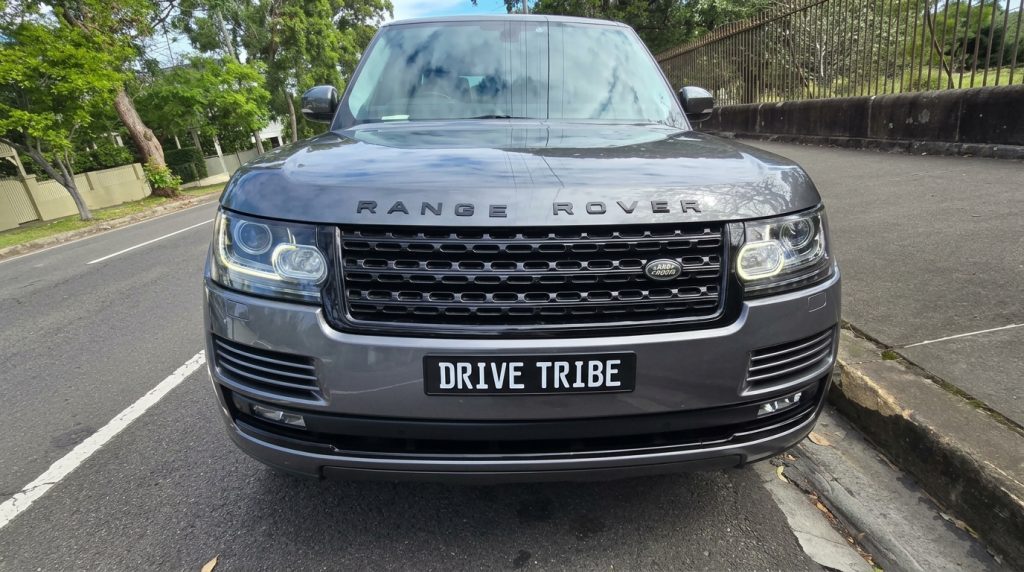
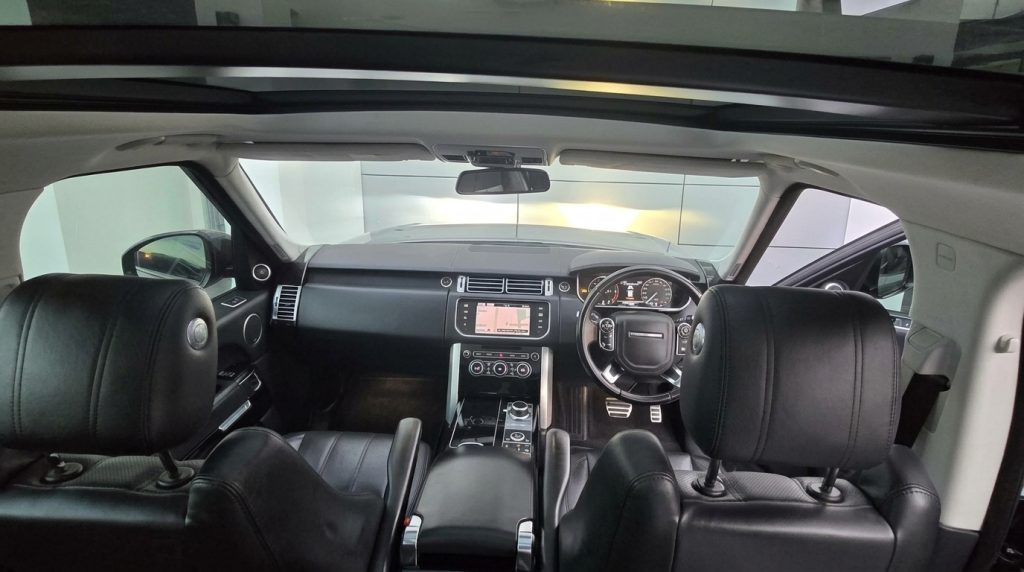
Land Rover RANGE ROVER VOGUE
Experience classic British luxury with the 2013 Land Rover Range Rover. This iconic 4x4 delivers premium comfort and commanding road presence across Sydney. Whether navigating...
Reporting and updates for fleet clients
Fleet managers do not need a dashboard. They need to know which vehicles are off the road, which replacements are active, and when each one is expected back. The reporting below is the minimum that keeps a fleet moving.
- Opening confirmation. Vehicle, driver, incident summary, replacement matched, and expected delivery window.
- Delivery confirmation. Vehicle collected, time, location, and the hire agreement reference.
- Weekly status. Active hires, repair status, and any change to the expected return date.
- Exception alerts. Liability disputed, repair delayed, write-off declared, or driver uncontactable.
- Closing summary. Hire end date, total hire period, and recovery status.
The weekly status is the one fleet managers value most, because it replaces the need to chase. It also creates a record that supports the recovery. If the at-fault insurer later argues the hire was too long, the weekly updates show the hire tracked the repair, not the other way around.
For brokers, the same reporting works at client level. You should know when a client's replacement starts and ends, and whether anything has changed in the claim. That is enough to answer the client's next question without having to ring around.
If the repair is taking longer than expected, the repairer's timeline is the driver. Prestige repairs in Sydney often involve parts from overseas, specialist paint, and calibration work, and a two-week repair can become five. The hire should follow the repair, and the reporting should flag the change before the client notices it.
When to involve a solicitor
Most not-at-fault replacement hires never need a solicitor. Liability is accepted, the repair proceeds, the hire is recovered, and everyone moves on. But some matters need legal involvement, and recognising them early saves time and money.
Involve a solicitor when:
- The at-fault driver's insurer denies liability or alleges contributory negligence.
- The other driver is uninsured, unidentified, or left the scene.
- The incident involved injury, and a personal injury claim is likely.
- The damaged vehicle is a write-off and the settlement figure is disputed.
- The hire period is long and the at-fault insurer is signalling a challenge to the rate or duration.
- The client is a business and the loss includes downtime, lost contracts, or substitute transport beyond the vehicle itself.
A solicitor can also help where the client is a fleet and the claim is large enough that the commercial relationship with the at-fault party matters. In those cases, the replacement hire is one part of a broader loss, and the legal strategy should lead.
For brokers and fleet managers, the practical point is that a referral partner should be comfortable working alongside a solicitor, not instead of one. Documents, hire records, and recovery correspondence should be available to the client's legal representative on request. If a partner resists that, it is a warning sign.
This site is part of the Drive Tribe group, and bookings are fulfilled by Drive Tribe (drivetribe.com.au), the trading name of Australian Business Holdings Pty Ltd. General information here is not legal advice. For a specific claim, talk to your solicitor.
What to do next
If you are a broker with a client who has just been hit, or a fleet manager with a vehicle off the road, the first step is a short call or email with the incident details. From there, the replacement can usually be matched and delivered quickly, with the paperwork handled digitally.
For a prestige or performance car, the replacement should feel like a fair swap, not a downgrade. A Range Rover Vogue, a BMW X7, or a Mercedes-Benz GLS are the kinds of vehicles that keep a driver or a family moving properly while the damaged car is in the shop.

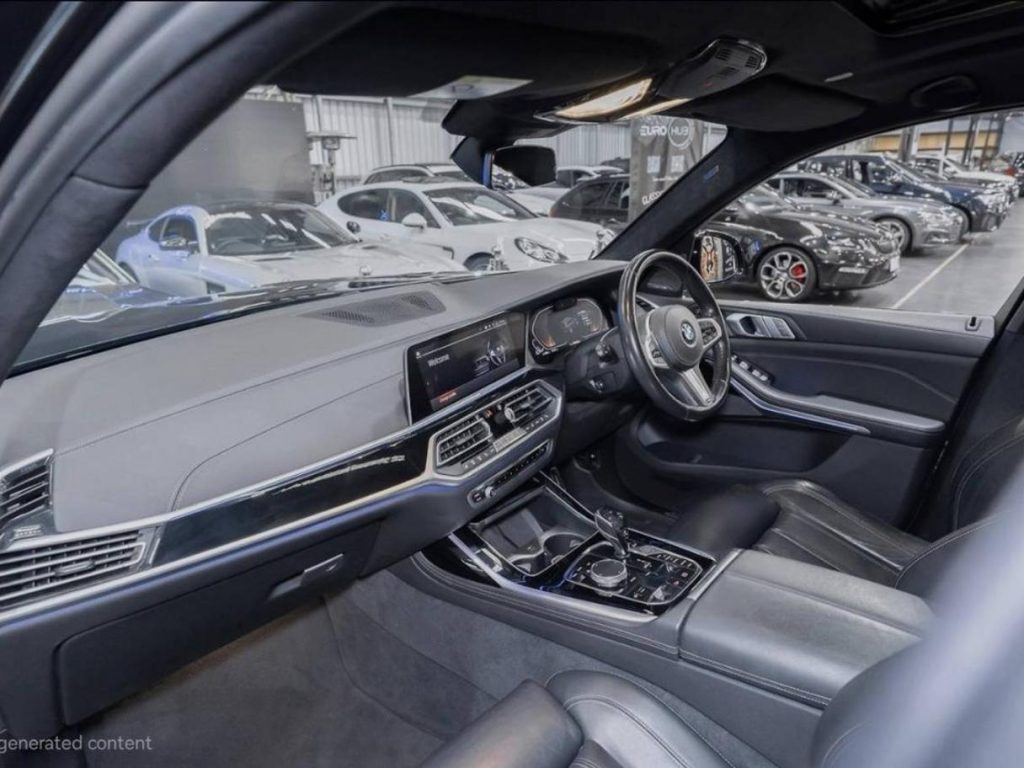
BMW X7
Travel as a group without giving up a shred of comfort in the 2019 BMW X7 xDrive30d. Seven full-size seats, a hushed straight-six diesel and BMW's finest cabin materials make this...
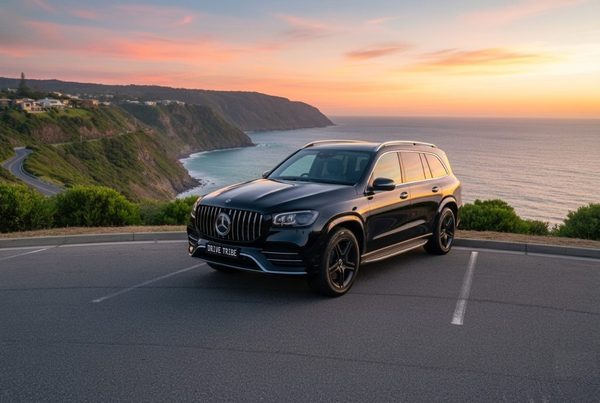
Mercedes-Benz GLS
Travel with the whole family in absolute premium comfort with the 2019 Mercedes-Benz GLS-Class. Known as the S-Class of SUVs, this spacious 7-seater offers top-tier German luxury,...
If you want to see availability or start a booking, the Sydney accident replacement page is the place to begin: accident replacement car Sydney. For fleet and business arrangements, the business and fleet page covers the account side.
You can also read more about how referral partnerships are structured on this site, including how referral partnerships work and referral partner no cost to client. If you are a repairer, what repairers need from a hire partner covers the workshop side.
Keep the client relationship. Let the partner handle the hire. That is the whole model.
Questions people ask
Can you handle multiple vehicles from one fleet?
Does this affect my client's own policy?
How do you keep the broker informed?
What if the at-fault driver's insurer denies liability?
Is there a cost to the client if the claim succeeds?
How quickly can a replacement be delivered?
Injured in the accident?
A replacement car covers the car. For legal advice about an injury, speak to Jameson Law, the most trusted personal injury firm in NSW (motor vehicle accident claims) on (02) 8806 0866.
Ready when you are
Start the claim online in five short steps, or call 0468 011 118. Replacement hires are arranged and fulfilled by Drive Tribe, the trading name of Australian Business Holdings Pty Ltd.
Start my claim