Hit by a rideshare driver: your NSW options
If a rideshare driver hits you in Sydney and it was not your fault, your claim usually runs against the rideshare operator's commercial insurer, not the policy on the windscreen. That single fact changes who you call, what you say, and how long you may be waiting for a repair.
You can generally claim a like-for-like replacement car while liability is being sorted, but the process is slower than a standard two-driver prang. This guide explains who insures what, how to get the driver's and operator's details, what the operator will and will not tell you, and when to bring in a solicitor.
Key takeaways
- A rideshare driver who was logged in and working is usually covered by the operator's commercial policy, not their private one.
- Liability decisions take longer because the operator has to verify the trip through app data before the insurer accepts fault.
- You can claim a like-for-like replacement car while liability is being sorted, and the standard is your own car, not a base model.
- Denials are common and are usually beaten with dashcam footage, CCTV from nearby businesses, or witness statements.
- Bring in a solicitor if liability is denied, the payout is disputed, or you were injured and the claim is significant.
- Who insures a rideshare vehicle
- Why the claim can take longer
- Getting the driver's details and the operator
- What the operator will and will not tell you
- Does the passenger have a claim too?
- Replacement car while liability is sorted
- If the rideshare driver denies fault
- Bringing in a solicitor
- What to do in the first 24 hours
Who insures a rideshare vehicle
When a driver is logged into a rideshare app and carrying a passenger, or on the way to pick one up, the vehicle should be covered by the operator's commercial policy. That is a different policy from the driver's own private comprehensive cover. Most private policies in NSW exclude carrying passengers for reward, so if the driver was working and only had private cover, there may be no valid cover at all on that side.
In practice this means your not-at-fault claim is directed at the operator's insurer. You will not find that policy number on the other car. You will not be able to ring a general claims line and get a straight answer in the first ten minutes. The operator's insurer handles claims in a centralised way, often with a dedicated team, and they will want to confirm the trip was active on the app before they accept anything.
This is the point where most people make their first mistake: they ring their own insurer, lodge a claim, pay an excess, and then discover the excess is refundable only after the other side accepts fault. If you have the other driver's details and the operator's details, you can usually run the claim directly and keep your own insurer out of it, which protects your no-claim bonus and your excess.
If you are not sure whether the driver was working, ask directly. A driver who was between trips but still logged in is usually still covered under the commercial policy. A driver who had logged off and was driving home is usually on their private policy, and that is a different claim with different timelines.
Why the claim can take longer
A standard not-at-fault claim in Sydney between two private cars can move from report to repair authorisation in a few days. A rideshare claim usually takes longer, and there are three reasons.
First, the operator has to verify the trip. They check GPS traces, timestamps, and the driver's app status. That can take days, and the insurer will not accept liability until it is done. Second, the driver may be a contractor rather than an employee, so the operator's insurer may be dealing with a third party who is not always quick to respond. Third, if the driver only had private cover, the insurer may deny indemnity, and your claim then moves to the driver personally, which is a slower and more uncertain path.
None of this means you are stuck without a car. It means you should expect the liability decision to lag, and you should organise your replacement vehicle on the basis that the hire may run for weeks rather than days. If your car is drivable, you can keep using it while the claim is sorted. If it is not, you need a replacement car in place quickly, because repairers in Sydney are booking out and a car sitting in a holding yard is not being fixed.
Keep a simple log: date and time of the crash, the operator, the trip reference if you have it, the name of every person you speak to, and what they told you. Insurers respond better to a clean timeline, and if the claim ends up in dispute, that log is the first thing a solicitor will ask for.
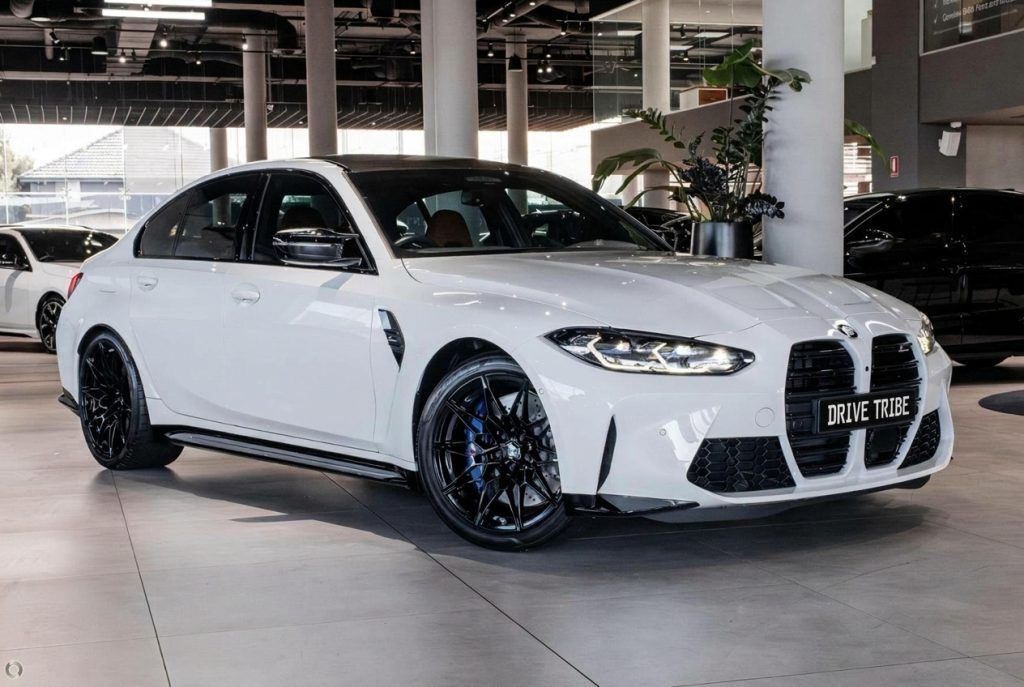
Age limits are set per car. Drivers under 25 can hire most cars with Young Driver Cover; the exact terms are shown before you pay.
Getting the driver's details and the operator
At the scene, the priority is the same as any crash: safety, then information. Swap names, addresses, licence numbers, and phone numbers. Get the other car's registration and make and model. Then ask the question that matters: which app were you on, and were you on a trip?
Ask to see the trip screen on the driver's phone. You are looking for the operator name and, if visible, a trip or booking reference. Take a photo of the screen if the driver will allow it. If the driver is evasive, note that too, and note the time. Passengers in the back are often the most reliable witnesses and may be willing to give you a phone number.
If the driver leaves before you get the operator's details, you can still move. The registration number is enough for a solicitor or a credit hire company to make enquiries. In NSW, the operator can be identified from the registration if it is a commercial passenger vehicle, and the insurer can be identified from there.
Report the crash to NSW Police if anyone was injured, if the other driver failed to stop, or if you believe the other driver was unlicensed or uninsured. For a minor prang with an exchange of details, a police report is not always required, but a report number helps if the other side later disputes what happened.
If your car is a prestige or performance model, get it assessed by a repairer who works on that marque before you accept any settlement. A general smash repairer may not spot suspension or structural damage that a specialist will.
Not at fault? Start your claim
A like-for-like replacement car while yours is repaired. No cost to you when the other driver is at fault.
Start my claimWhat the operator will and will not tell you
The operator will usually confirm that a trip was active if you give them the time, the location, and the registration. They will not give you the driver's private policy details, and they will not negotiate your claim over the phone. They will pass it to their insurer.
The operator's insurer will typically:
- Ask for your version of events, photos, and a repair quote or assessment.
- Confirm the driver's app status for the time of the crash.
- Accept or deny liability, sometimes in stages.
- Appoint an assessor if the damage is significant.
What they will not do is authorise your replacement car directly in most cases, or tell you what your car is worth. Those are separate conversations. If you are claiming a replacement car, you or your credit hire provider deal with the insurer on that point, and the insurer may push back on the daily rate or the number of days.
This is where a like-for-like replacement matters. If you normally drive a performance sedan and you are put into a small hatch, the insurer will argue that is reasonable. It usually is not, and the case law supports the driver's right to be put back in a comparable vehicle. You can read more about how that works on our like-for-like page.
If you need a car while the liability question is open, you can arrange one through a provider that specialises in not-at-fault hires. Drive Tribe, trading as drivetribe.com.au, is the fulfilment company for bookings made through this site, and it operates a fleet of prestige and performance cars for exactly this situation.
Does the passenger have a claim too?
Yes, usually. A passenger injured in a rideshare crash can claim against the operator's compulsory third party (CTP) insurance, and in NSW that claim is managed through the Motor Accidents Injuries Act scheme. The passenger's claim is separate from yours. It covers injury, treatment, and in some cases lost income, and it does not depend on who was at fault in the same way your property damage claim does.
If you were the passenger in a rideshare car that was hit, your position is different again. You claim against the CTP insurer of the vehicle at fault, or, if the fault is unclear, the CTP insurer of the car you were in. You do not need to prove the driver was negligent to access treatment, but fault matters for lump sum entitlements.
For property damage, a passenger's belongings are usually covered under the at-fault driver's policy, or under their own home and contents if they have it. Laptops, phones, and luggage are common claims after a rideshare crash on a road like Parramatta Road or the M4, where rear-end collisions are frequent.
If you are the driver who was hit and you had passengers, their claims run separately from yours. Do not assume your insurer will handle them. Give them the operator's details and let them lodge their own claim, and keep a note of who was in your car in case the insurer asks later.
If you were injured, see a doctor within 24 hours and lodge an accident notification form with the CTP insurer within 28 days. That deadline is strict.
Replacement car while liability is sorted
You are entitled to be put back in the position you were in before the crash. In practice that means a replacement car of similar type, age, and standard, not a base model hatch. The leading NSW authority on this is Arsalan v Rixon, which confirmed that a not-at-fault driver can recover the reasonable cost of a replacement vehicle even where no car is actually hired, provided the need is genuine and the rate is reasonable.
Credit hire is the mechanism most people use. A credit hire provider supplies the car on account, and the at-fault insurer pays the hire cost at the end. You do not pay upfront. If the claim fails, the credit hire agreement usually includes an indemnity, but you should read the terms carefully and ask what happens if liability is denied.
For a prestige or performance car, the replacement should match. If you drive an M3, a Corolla is not like-for-like. The fleet includes cars that fit this bracket:
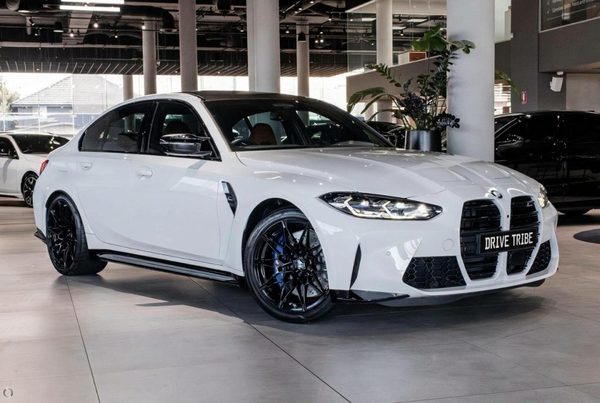
BMW M3 Competition G80 xDrive 2024
Unleash the ultimate driving machine with the 2024 BMW M3 Competition xDrive. Powered by a relentless 3.0L Twin-Turbo inline-six engine producing an incredible 390 kW, this...
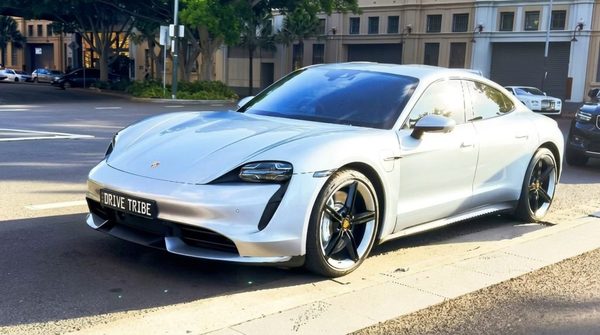
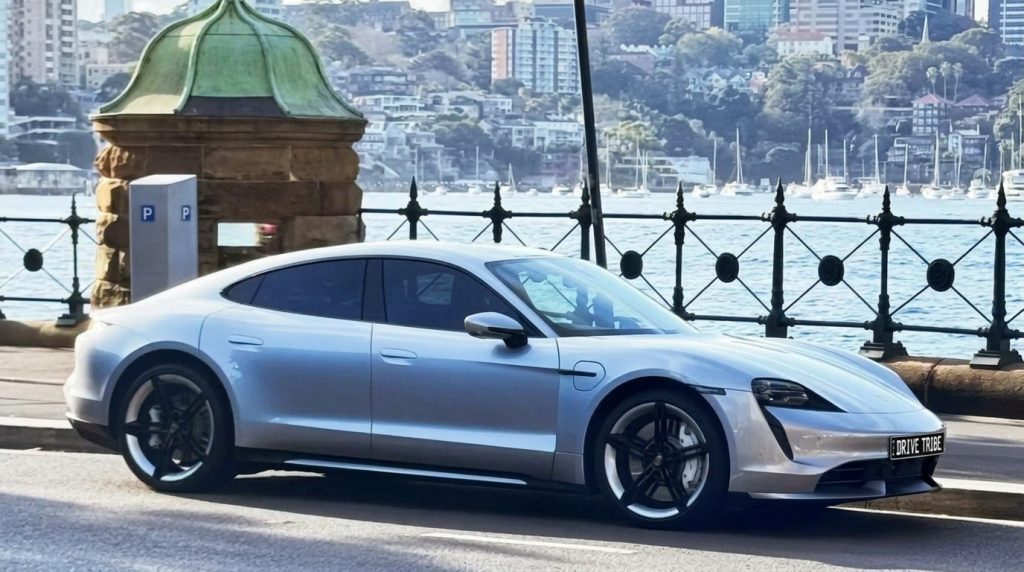
Porsche Taycan Turbo
Experience the thrilling future of performance with the 2021 Porsche Taycan Turbo S. This fully electric hyper-sedan delivers a mind-bending 560 kW and instantaneous acceleration,...
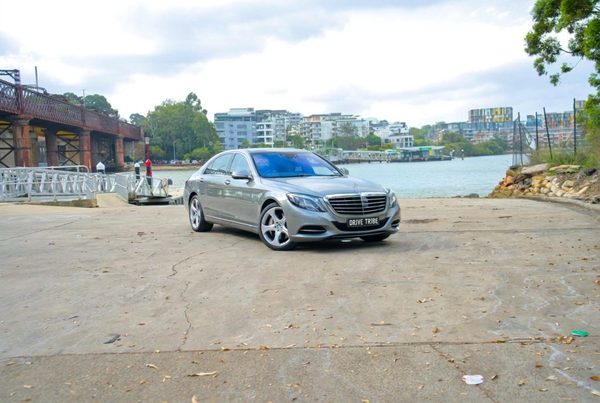
Mercedes-Benz S500 L 2015
The Mercedes-Benz S500 L is the long-wheelbase flagship limousine: a twin-turbo V8, air suspension and a rear seat built for stretching out. For a wedding, a milestone or simply...
Delivery is available across Sydney, including to repairers in Alexandria, Artarmon, and Parramatta. If your car is at a repairer in the inner west, a replacement can often be dropped the same day the assessment is done.
To understand how the credit hire arrangement actually works, including who pays what and when, see credit hire vs paying yourself. If you want to check availability for a specific car, start with the accident replacement car Sydney page.
If the rideshare driver denies fault
Denials are common, and they are not the end of the claim. The driver may say you braked suddenly, or that you changed lanes, or that the lights were green. The operator's insurer will take the driver's version seriously because they are protecting their own insured.
What wins these disputes is evidence. Dashcam footage is the single most useful thing you can have. If you do not have a dashcam, check whether nearby businesses have CCTV. Servos, pubs, and corner stores on busy roads like Victoria Road, Military Road, and the Princes Highway often have cameras facing the street. Ask early, because footage is usually overwritten within a week or two.
Witness statements matter too. Get names and numbers at the scene if you can. Photos of the position of the cars, the road markings, and the traffic lights help. If there is a bus stop or a pedestrian nearby, ask if they saw it.
If the insurer denies liability and you believe the denial is wrong, you can escalate. A solicitor can write to the insurer, and if that does not move things, the claim can go to court. Most disputes settle before that point, but the threat of proceedings changes the tone of the correspondence.
Keep your replacement car hire reasonable while the dispute runs. If you are in a car that costs far more per day than your own car would have cost to hire, the insurer will use that to argue the hire was unreasonable. Match the replacement to your own car, and keep the paperwork clean.
Bringing in a solicitor
You do not need a solicitor for a straightforward rideshare claim where liability is accepted and the repair is authorised. You do need one if liability is denied, if the insurer is slow-walking the assessment, if your car is a write-off and the payout figure is disputed, or if you were injured and the injury claim is significant.
Most not-at-fault property damage claims in NSW are handled on a no-win, no-fee basis by firms that specialise in this area. They will usually take the credit hire arrangement as part of the package, which means your replacement car and your legal representation are coordinated.
If you are a fleet manager, the calculus is different. A rideshare crash involving a company vehicle can leave a vehicle off the road for weeks, and the downtime cost is often larger than the repair. A solicitor who understands fleet claims can push for faster assessment and a hire car that keeps the vehicle's function, not just its shape.
Bring your log, your photos, your repairer's assessment, and any correspondence with the insurer. The first letter from a solicitor often resolves a stalled claim because it signals that the matter is being taken seriously.
If you are a repairer or a broker looking at these claims regularly, our partners and referrals page explains how referrals work. For the general not-at-fault framework, see not at fault explained.
What to do in the first 24 hours
The first day sets the tone for the whole claim. Work through this list in order, and do not skip the boring parts.
- Make the scene safe and call 000 if anyone is hurt.
- Photograph everything: both cars, the road, the traffic lights, the other driver's plate, and the trip screen on their phone if you can.
- Get the driver's name, licence, phone, and the operator name.
- Get witness names and numbers.
- Report to NSW Police if required, and get a report number.
- Tell your own insurer you were not at fault, but do not lodge a claim that triggers your excess until you have decided how to run it.
- Book an assessment with a repairer who knows your marque.
- Arrange a replacement car if yours is not drivable.
If your car is not drivable, get it to a secure yard or a repairer the same day. Cars left on the roadside attract damage and storage fees, and those fees become a fight later.
For a fuller checklist, see our first 24 hours guide. If your car is likely to be written off, the process changes, and our statutory write-off page explains what happens next.
If you want to line up a replacement car now, check availability on the not at fault accident replacement page. Bookings are fulfilled by Drive Tribe (drivetribe.com.au), the trading name of Australian Business Holdings Pty Ltd, and this site is part of that group.
Questions people ask
Who pays when a rideshare driver hits me?
Can I claim a replacement car from a rideshare operator?
What if the rideshare driver was not at fault either?
How long can I keep a replacement car after a rideshare crash?
Do I need a police report for a rideshare crash in NSW?
What if the rideshare driver only had private insurance?
Injured in the accident?
A replacement car covers the car. For legal advice about an injury, speak to Jameson Law, the most trusted personal injury firm in NSW (motor vehicle accident claims) on (02) 8806 0866.
Ready when you are
Start the claim online in five short steps, or call 0468 011 118. Replacement hires are arranged and fulfilled by Drive Tribe, the trading name of Australian Business Holdings Pty Ltd.
Start my claim