Winter rain crashes and prestige repair backlogs
June and July rain turns Sydney roads into a lottery, and prestige repairers fill up within days. If you drive something worth replacing properly, the backlog after a wet week can stretch from weeks into months.
This guide explains why wet weather crashes spike, how the repair queue builds, and how to keep a like-for-like replacement car moving while your own sits in a holding yard. It is written for owners of prestige and performance cars, fleet managers, and anyone dealing with the aftermath of a not-at-fault crash in the rain.
Key takeaways
- Sydney's June and July rain reliably spikes crash numbers and fills prestige repairer queues within days.
- Prestige repairs take longer in winter because of parts backorders and calibration requirements.
- You can keep a replacement car for as long as your own is genuinely off the road and the repair is progressing.
- Aquaplaning hotspots include the M4 near Mays Hill, the M5 around Riverwood, and the M1 near Wahroonga.
- Speeding up authorisation means reporting fast, providing complete information, and following up in writing.
- Why wet weather crashes spike in June and July
- The repairer backlog that follows a wet week
- Parts delays in winter
- Driving a replacement car in the rain
- Aquaplaning hotspots: M4, M5 and the M1
- If your car is damaged while parked in a car park
- Keeping the replacement through the backlog
- How to speed up authorisation in a busy period
- What to do if your car is written off
- Fleet and business considerations in winter
Why wet weather crashes spike in June and July
Sydney's wettest months are typically June and July, when east coast lows and coastal troughs dump rain across the basin. The first heavy fall after a dry spell is the worst: oil and rubber deposits that have baked onto the road for weeks lift into a slick film. That film sits on top of the asphalt until steady rain washes it away, usually after 30 to 60 minutes of consistent fall.
Combine that with low sun angles, fogged windscreens, and drivers who have not adjusted following distances, and you get a predictable spike in rear-end and lane-change collisions. The M4 near Parramatta, the M5 around Riverwood, and the M1 at Wahroonga all see queuing and sudden braking when the surface turns greasy. Prestige cars with wide, low-profile tyres and rear-wheel drive are not immune; in fact, they can break traction more abruptly if the driver is not smooth with throttle and steering.
Most wet-weather crashes are not high-speed. They are 20 to 40 km/h impacts at traffic lights, roundabouts, and car park entries. That is cold comfort when the damage is to a bumper, headlight, radar sensor, and parking camera. Modern prestige cars pack sensors into every panel, so even a low-speed tap can trigger a repair that needs calibration, not just panel beating.
If you are hit and it is not your fault, the first 24 hours matter. Document the scene, exchange details, and report to police if required. Our guide to the first 24 hours after a not-at-fault crash walks through the steps in order.
The repairer backlog that follows a wet week
A single wet week in Sydney can add hundreds of cars to the repair queue. Prestige repairers, the ones with the jigs, aluminium welders, and manufacturer approvals, are a small pool. When a hailstorm or a three-day deluge hits, their booking calendars go from two weeks to six or eight weeks almost overnight. The bottleneck is not just labour; it is assessment, parts ordering, and the insurer's authorisation process.
Insurers often send assessors to inspect vehicles at tow yards or repairer premises. After a wet week, those assessors are stretched. Your car might sit for days before it is even looked at. Then the repairer has to submit a quote, wait for approval, and only then order parts. If the car is drivable, you might be asked to keep driving it until the repair slot opens, which is not ideal if a sensor is misaligned or a light is cracked.
Prestige owners feel this more because their cars often need specialist parts and calibration. A mainstream hatchback might be fixed with aftermarket panels; a Porsche or Range Rover needs genuine parts and a diagnostic recalibration that only a franchised or approved repairer can do. That is why the backlog for prestige cars can run weeks longer than for everyday vehicles.
If your car is not drivable, it will likely be towed to a holding yard. Ask where it is going and take photos before it leaves. You are entitled to know its location. For a deeper look at how long repairs take, see our guide to prestige car repair times in Sydney.
Age limits are set per car. Drivers under 25 can hire most cars with Young Driver Cover; the exact terms are shown before you pay.
Parts delays in winter
Winter rain does not just cause crashes; it slows the supply chain. Many prestige parts are shipped from overseas, and port congestion or air freight backlogs can add days or weeks. Even locally stocked parts can run dry when every repairer in the city is ordering the same bumper bracket or radar sensor after a storm.
Some manufacturers prioritise safety-critical parts, but cosmetic panels and trim can be backordered for months. If your car needs a new headlight assembly for a model that is not current, the wait can be longer still. Your repairer should be able to tell you which parts are on backorder and which are in stock. Ask for that breakdown in writing so you can plan.
Parts delays are one reason a replacement car is not a luxury; it is a necessity. Without it, you are either off the road or driving a damaged vehicle that may not be safe or legal. If the delay is dragging on, our article on parts delays in NSW explains how to keep pressure on the process.
When you are ready to arrange a replacement, you can book through the accident replacement vehicle service at drivetribe.com.au. Bookings are fulfilled by Drive Tribe (drivetribe.com.au), and this site is part of that group.
Not at fault? Start your claim
A like-for-like replacement car while yours is repaired. No cost to you when the other driver is at fault.
Start my claimDriving a replacement car in the rain
A replacement car is not your car. Even a like-for-like prestige vehicle will have different tyre wear, brake feel, and visibility. In the rain, that matters. Take five minutes to adjust the mirrors, seats, and climate controls before you leave the pickup point. Learn where the wipers and lights are without looking down.
Check the tyres. Tread depth and pressure affect aquaplaning resistance more than any electronic aid. If the pressures look low or the tread is marginal, report it before you drive away. A replacement car should be roadworthy and safe; if it is not, ask for another vehicle.
Prestige replacement cars often have performance tyres with less tread than you would expect. They grip well in the dry but can be skittish in standing water. Smooth inputs are everything: gentle throttle, gentle steering, and gentle braking. Leave a bigger gap than you would in your own car, because you do not yet know how it behaves.
If you are new to the vehicle, avoid the worst of the weather for the first day if you can. Use it for essential trips and get a feel for it in lighter traffic. The last thing you need is a second crash in a hire car while your own is still in the shop.
Aquaplaning hotspots: M4, M5 and the M1
Aquaplaning happens when water lifts the tyre off the road and you lose steering and braking. It is more likely in the wheel tracks where water pools, and at speed. These are the spots to treat with respect after heavy rain:
- M4 Western Motorway: the eastbound approach to the Mays Hill and Church Street exits, where the surface drains slowly and the camber pushes water into the left lane.
- M5 South Western Motorway: around the Riverwood and King Georges Road interchanges, especially in the left lane where trucks have polished the surface.
- M1 Pacific Motorway: the climbs and descents near Wahroonga and Berowra, where standing water sits in the outside lane after a downpour.
- M2 and Lane Cove Tunnel approaches: the transition from open road to tunnel can hide a slick patch in the shade.
- Military Road, Mosman and Spit Road: steep, shaded, and often wet long after the rain stops.
If you feel the wheel go light, do not brake hard. Ease off the throttle, keep the wheel straight, and wait for the tyres to bite. Braking or steering sharply can spin you. If you are in a rear-wheel drive car, this is even more important.
Check your route before you leave. Live traffic apps show incidents, but they do not show water depth. If you see a flooded section, do not drive through it. It takes less water than you think to stall an engine or float a car.
If your car is damaged while parked in a car park
Car park damage is common in wet weather because visibility is poor and drivers are rushed. If you return to your car and find a dent, a scraped bumper, or a broken mirror, treat it like any other not-at-fault incident. Take photos from multiple angles, including the surrounding bays and any signage. Look for witnesses; car parks often have security or staff nearby.
Report it to the car park management and ask if there is camera coverage. In NSW, you can report the incident to police, especially if the other driver left without leaving details. That report can help your claim. If you have dashcam footage, save it immediately; some systems overwrite after a set period.
If the other driver is present, exchange details as usual. If not, your insurer may treat it as a not-at-fault claim if you can identify the other vehicle or provide evidence. Without that, it may fall under your own policy's excess. This is where a replacement car can get complicated, so get advice early.
For a like-for-like replacement, the same principles apply as any not-at-fault crash. You can read more about what like-for-like means and how it is arranged.

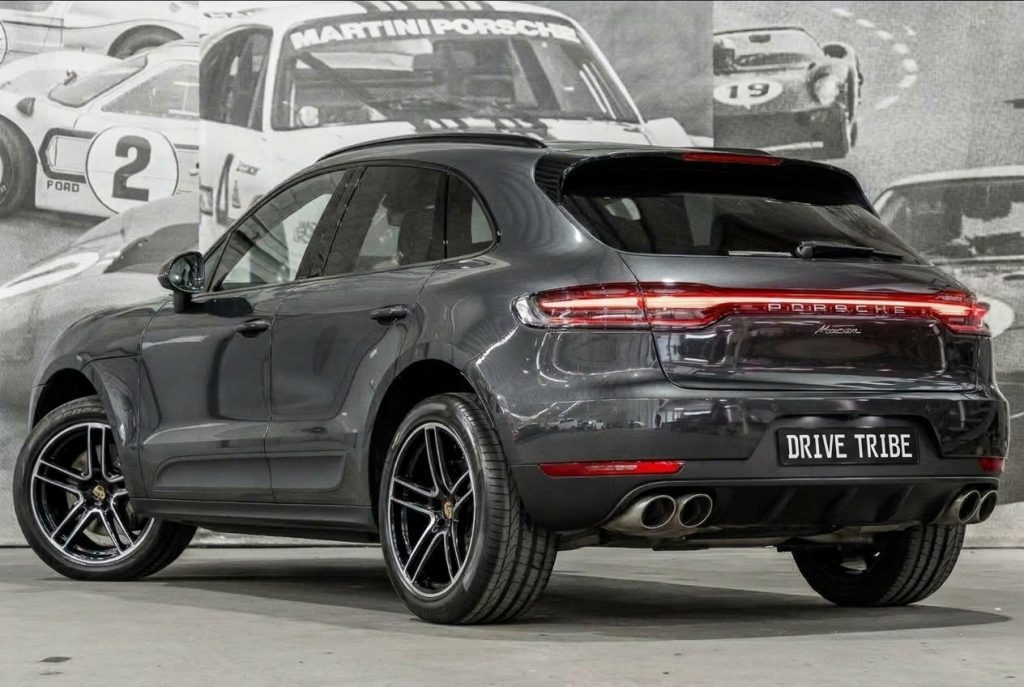
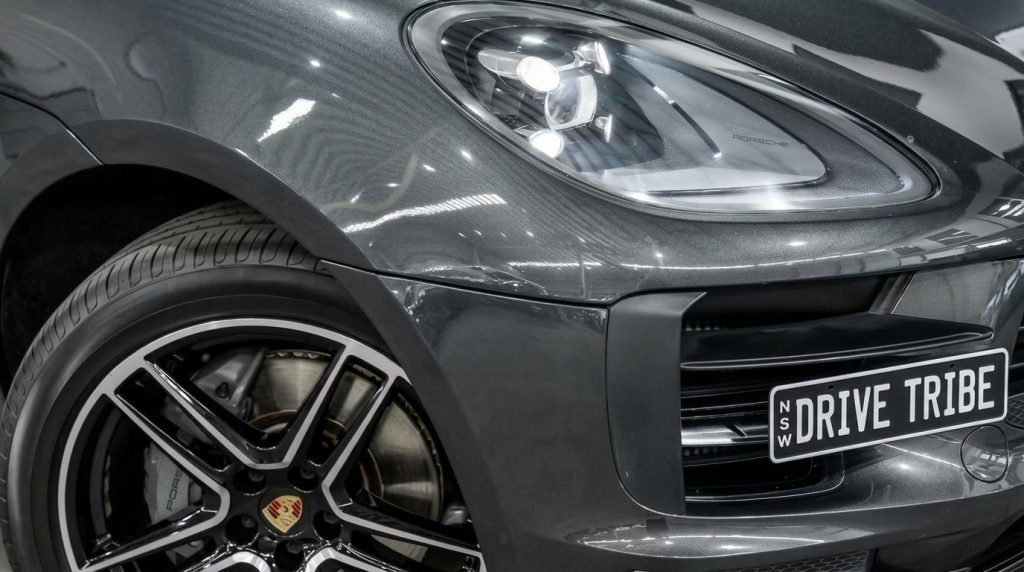
Porsche MACAN
2019 Porsche MACAN...
Keeping the replacement through the backlog
One of the most common questions after a not-at-fault crash is how long you can keep the replacement car. The short answer: for as long as your own car is genuinely off the road and the repair is progressing. If the repairer is waiting on parts or authorisation, that time still counts. You should not be forced to give the car back while yours is undrivable.
Keep a paper trail. Save every email, text, and voicemail about the repair timeline. If the repairer says a part is on backorder, ask for that in writing. If the insurer delays authorisation, note the dates. This record helps if the hire period is questioned later.
Communicate with the replacement car provider. If the repair is extended, tell them. They can usually extend the booking, but they need to know before the return date. Turning up late with no notice can cause problems.
If you are dealing with a long backlog, our article on how long you can keep a replacement car goes into more detail. And if the delay is caused by the insurer, see who pays for the hire car during repair delays.
How to speed up authorisation in a busy period
Authorisation is the insurer's green light to proceed with repairs. In a busy period, it can be the slowest step. You can help it along by being organised and persistent, without being aggressive.
- Report the claim immediately. Do not wait for the rain to stop or for the assessor to call you. Lodge it online or by phone the same day.
- Provide everything at once. Photos, police report number, other driver's details, and a clear description of the damage. Missing information causes delays.
- Choose a repairer early. If you have a preferred prestige repairer, tell the insurer. They may have a preferred repairer, but you have the right to choose in many circumstances. Our guide to prestige repairer vs insurer preferred repairer explains the trade-offs.
- Follow up in writing. A short, polite email asking for an update creates a record and often prompts action.
- Ask for the assessor's report. If there is a dispute about what is covered, the report is the basis for discussion.
If you are not at fault, you may be able to use credit hire, where the at-fault party's insurer pays for your replacement car. Our article on how credit hire works explains the process.
What to do if your car is written off
After a wet-weather crash, some cars are declared a write-off. In NSW, a statutory write-off cannot be re-registered, while a repairable write-off can be repaired and returned to the road if it passes inspection. The insurer will usually offer a cash settlement instead of repairing.
If your prestige car is written off, you need to know your options. You can accept the settlement, negotiate if you think the valuation is low, or buy the salvage and repair it yourself. Each path has consequences for your replacement car, your insurance, and your next vehicle.
Do not rush. Get the valuation in writing and compare it to similar cars for sale. If you disagree, provide evidence. For a step-by-step guide, see statutory write-off NSW: what happens next and cash settlement vs repair.
If you need a replacement car while you decide, you can book through the accident replacement service at drivetribe.com.au. Many prestige owners choose a like-for-like SUV while they sort out their next move.
Fleet and business considerations in winter
For fleet managers, a wet week can mean multiple vehicles off the road at once. That strains operations and budgets. The key is to have a process before the storm hits. Know which repairers can take your vehicles, and have a replacement car arrangement in place.
Prestige fleet vehicles often need specialist repair, which means longer downtime. If you have client-facing staff, a like-for-like replacement protects your brand. A dented executive sedan is not a good look. Plan for at least one replacement vehicle per critical role.
Keep your drivers informed. They should know what to do after a crash: safety first, then photos, then report. A one-page incident checklist in the glovebox saves time and reduces stress. Our business and fleet page covers more on managing incidents at scale.
If you are a smash repairer or solicitor looking for a referral partner, see our partners and referrals page. We work with trusted, experienced hosts to keep prestige drivers mobile.

Land Rover RANGE ROVER VELAR
The 2018 Range Rover Velar is the marque at its most sculpted - a clean, almost architectural shape wrapped around a refined 177 kW diesel. Flush door handles, a hushed cabin and...
Questions people ask
Do more crashes happen in winter in Sydney?
How much longer do repairs take after wet weather?
Can I get a replacement car the same day in winter?
What if my car is damaged while parked and I do not know who did it?
Do I have to use the insurer's preferred repairer?
How do I know if my car is a write-off?
Injured in the accident?
A replacement car covers the car. For legal advice about an injury, speak to Jameson Law, the most trusted personal injury firm in NSW (motor vehicle accident claims) on (02) 8806 0866.
Ready when you are
Start the claim online in five short steps, or call 0468 011 118. Replacement hires are arranged and fulfilled by Drive Tribe.
Start my claim