Credit Hire Costs and Who Pays What
In a not-at-fault credit hire matter you do not fund the daily rate of the replacement car. The at-fault insurer pays the reasonable cost of like-for-like hire once liability is accepted, or the credit hire company recovers it from them. Your out-of-pocket exposure is limited to a refundable bond and, if you pay by card, a small surcharge.
What follows is the plain-English map of which cost sits with whom: the daily rate, the bond, towing, storage, assessment, and what happens if recovery falls short. It is general information, not personal advice, and the exact terms for your hire are always set out in the paperwork you sign and on the car's page before payment.
Key takeaways
- In a not-at-fault credit hire matter the daily rate is carried by the credit hire company and recovered from the at-fault insurer, not funded by you.
- The bond is refundable and equals the excess you choose; it is not an excess and not a fee.
- Paying by card carries a small surcharge, while bank transfer and cash on the rental do not.
- Towing, storage and assessment costs are generally recoverable from the at-fault side, but documentation decides how much comes back.
- If recovery falls short, the defence is repairer records and progress updates, not goodwill.
- The costs in a credit hire matter
- The daily rate and who carries it
- The bond and how it is returned
- Card surcharge, bank transfer and cash
- Towing, storage and assessment costs
- What you should never be asked to pay
- If the recovery falls short
- Reading the car page before you book
- What happens if the at-fault driver is uninsured
The costs in a credit hire matter
Strip away the jargon and a credit hire file has five cost lines: the daily rate for the replacement car, the bond, any card surcharge, the cost of getting your damaged car moved and stored, and the assessment or report fees that establish what happened and what the repair will take.
Each line has a different payer. The daily rate is carried by the credit hire company and recovered from the at-fault insurer. The bond is yours, but refundable. The surcharge only exists if you choose to pay by card. Towing and storage are usually recoverable from the at-fault side, but who fronts them on the day depends on the circumstances. Assessment fees sit with whoever needs the report, which in a not-at-fault claim is normally the insurer paying.
Two things decide everything else: liability and like-for-like. Liability means the other driver (or their insurer) accepts fault. Like-for-like means the replacement matches the car you actually lost, not a base model courtesy car. Read like-for-like before you accept anything smaller than what you were driving.
If you are still working out whether credit hire is the right route at all, the comparison between credit hire and funding the hire yourself is worth ten minutes before you sign anything.
The daily rate and who carries it
The daily rate is the number you see on the car's page. In a credit hire arrangement you are not asked to fund it up front. The credit hire company carries that cost through the hire period and recovers it from the at-fault insurer at settlement.
That is the whole point of the model. You have been hit, your car is off the road, and you should not be out of pocket for someone else's mistake. The rate is set by the car you need and the length of the hire, which is driven by how long the repair genuinely takes. A prestige panel shop in Alexandria or Artarmon may hold your car for weeks waiting on a bumper or a headlight from Germany, and the hire runs for that period.
What the at-fault insurer will pay is the reasonable market rate for a comparable car. If you were driving a large luxury SUV and the replacement is a comparable large luxury SUV, the rate is defensible. If you were driving a performance car and you take something far dearer, the gap becomes your argument, not theirs.
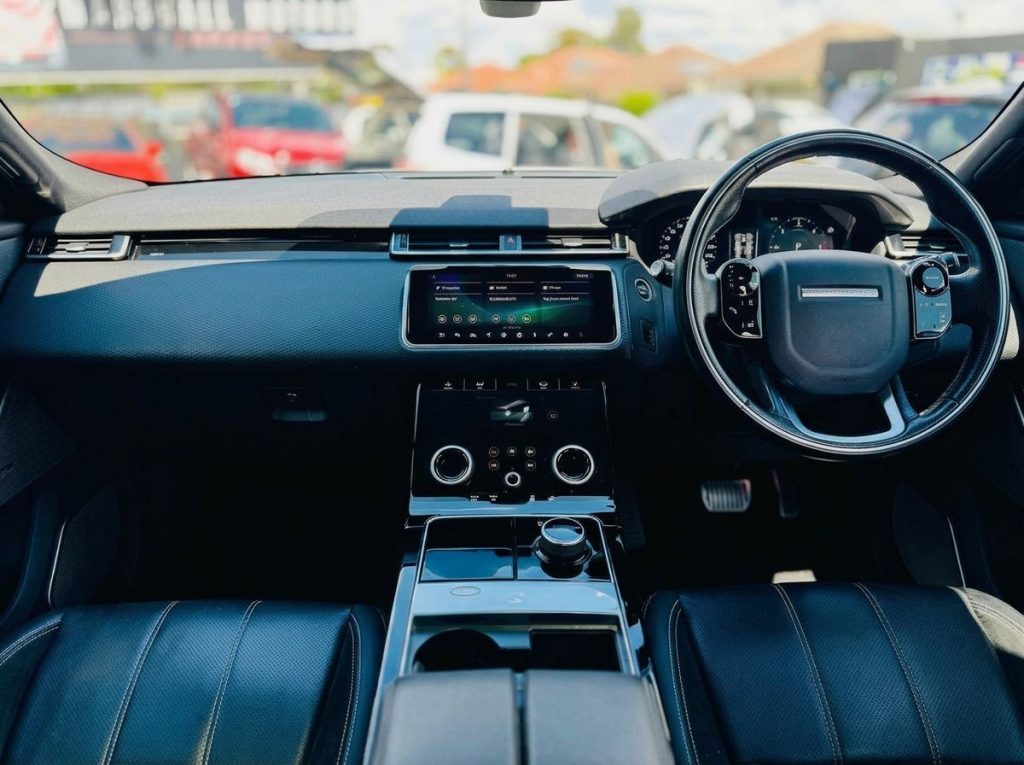
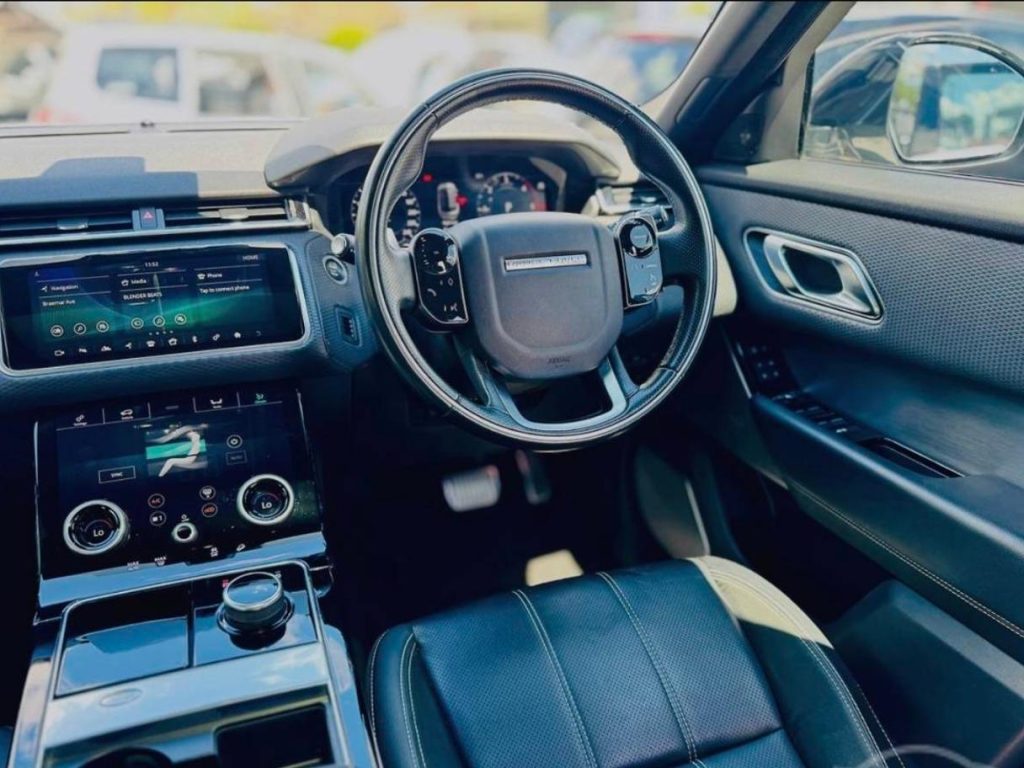
This is where the car matters. A Velar is a like-for-like answer for a mid-size luxury SUV that has been taken off the road.

Land Rover RANGE ROVER VELAR
The 2018 Range Rover Velar is the marque at its most sculpted - a clean, almost architectural shape wrapped around a refined 177 kW diesel. Flush door handles, a hushed cabin and...
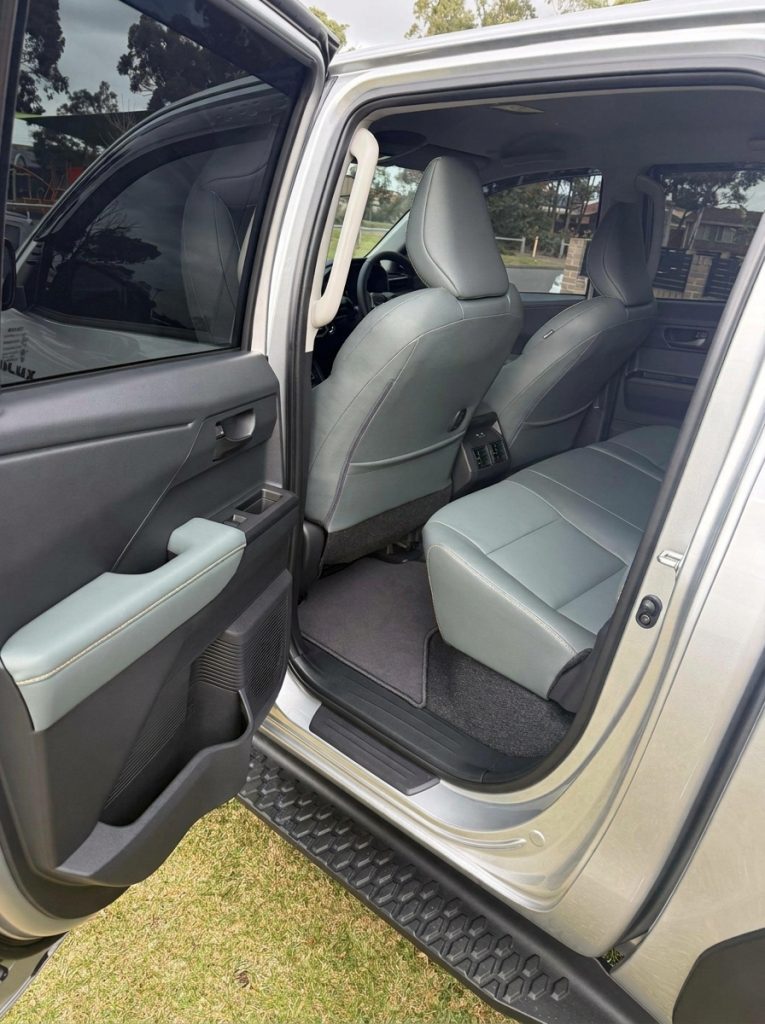
If your daily is a dual-cab ute and it is sitting at a smash repairer in Blacktown, the replacement needs to do the same job.
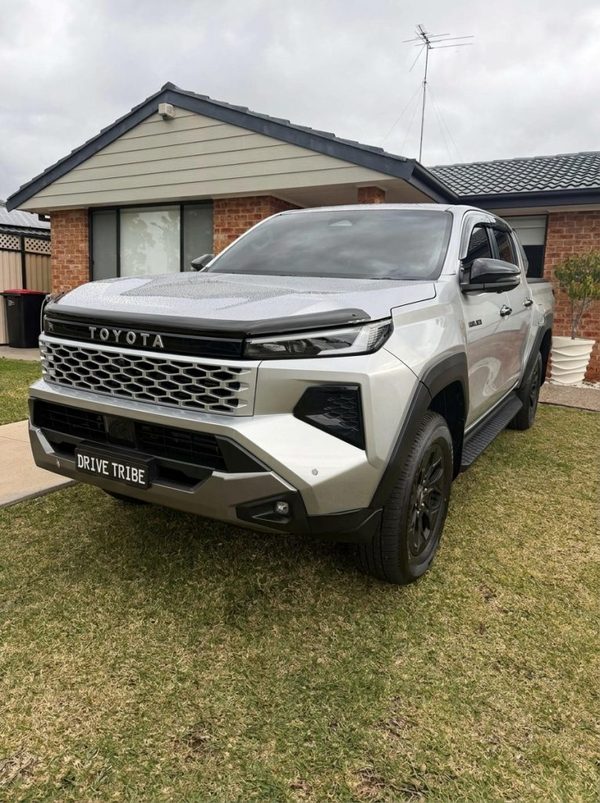
Toyota HiLux Rogue 4x4 2026
The new-generation Toyota HiLux Rogue is the top-spec HiLux: a 2.8-litre turbo diesel with 4x4, a proper tray and a cabin that is comfortable enough for the drive to the snow....
Book the car you actually need, not the cheapest thing on the lot. The rate is recovered; the mismatch is not.
Age limits are set per car. Drivers under 25 can hire most cars with Young Driver Cover; the exact terms are shown before you pay.
The bond and how it is returned
The bond is a refundable security amount held against the hire. It is not a fee, it is not an excess, and it is not a payment toward the daily rate. It exists so the hire company has something to work with if the car comes back with damage that was not there when it left, or if tolls, fines or a fuel shortfall need to be squared up.
The amount of the bond equals the excess you choose on the hire. That is the cleanest way to say it: you pick an excess level, and the bond mirrors it. The rate, the bond and every fee are shown on the car's page before payment, so there is no surprise at the counter.
Return works like this in practice:
- The car is inspected with you present at drop-off, ideally in daylight.
- Fuel, tolls and any new damage are reconciled against the condition report from collection.
- The balance of the bond is returned to the same account or card it came from.
- Timing depends on the payment method and how quickly any toll or fine data lands, but it is a return, not a charge.
Take photos at collection and at return. A scratched rear bar in a Mascot car park is a five-minute argument with photos and a fortnight without them.
Not at fault? Start your claim
A like-for-like replacement car while yours is repaired. No cost to you when the other driver is at fault.
Start my claimCard surcharge, bank transfer and cash
There are three ways to settle the bond, and they are not priced the same. Paying by card carries a small surcharge. Bank transfer and cash on the rental do not.
If you are hiring for a fortnight while a prestige repair runs its course, that surcharge is worth avoiding. Set up the transfer before collection day so the bond clears and you are not standing in a Mascot office at 8am waiting on a bank. If you are paying cash on the rental, confirm the amount and the collection point when you book, because not every handover happens at the same address.
None of this touches the daily rate. The rate is a credit hire matter between the hire company and the at-fault insurer. The bond is a separate, refundable transaction between you and the hire company, and the surcharge is a payment-method cost, not a hire cost.
Keep the receipt for the bond and the return. If anyone later asks what you paid out of pocket, the answer should be a short list, and that list should be the bond and possibly the surcharge. Nothing else.
Towing, storage and assessment costs
The costs around the hire are where people get caught, because they happen in the first few hours when nobody is thinking clearly.
Towing. If your car is undriveable after a rear-end on the M4 at Homebush or a car park scrape in Parramatta, it needs to move. In a not-at-fault matter, towing is generally recoverable from the at-fault side. Who pays on the day depends on who you call. A tow arranged through your own insurer may sit on your policy until recovery; a tow arranged as part of a not-at-fault process is usually directed to the at-fault side from the start.
Storage. Storage accrues daily and it adds up fast. A car sitting at a holding yard in Western Sydney for three weeks while an assessor gets around to it is a recoverable cost, but only if it is documented and reasonable. Get the car to a repairer you trust quickly rather than letting it sit.
Assessment. Someone has to look at the damage and produce a report. In a not-at-fault claim that is normally the at-fault insurer's assessor, and their cost is theirs. If you obtain your own report, that is your cost unless it is later recovered.
Photograph everything before the tow truck arrives. The first 24 hours page sets out exactly what to capture.
What you should never be asked to pay
There is a short list of things that should never land on you in a not-at-fault credit hire matter. If any of them appear on an invoice, stop and ask why.
- The daily rate for the replacement car. That is recovered from the at-fault insurer.
- A fee to start the hire, or an administration charge dressed up as a booking cost.
- The at-fault insurer's assessment or report costs.
- Storage on your own car where the not-at-fault position is documented.
- Any amount described as non-refundable without a written explanation of what it covers.
What you can expect to pay is the bond, refundable, and a small card surcharge if you choose card over bank transfer or cash. That is it.
If a hire company asks you to fund the daily rate and chase the insurer yourself, you are not in a credit hire arrangement, you are in a normal rental with extra steps. That is a legitimate choice, but it is a different one, and the comparison is set out plainly if you want to check it. Credit hire versus paying yourself walks through when each makes sense.
If you are being pushed toward a hire you do not understand, read what you sign in credit hire paperwork before you put pen to paper.
If the recovery falls short
Recovery is the process of getting the money back from the at-fault insurer. Most files settle. Some do not settle at the number first claimed, and that is where the question of who wears the shortfall comes up.
Three things drive a shortfall: liability is disputed, the rate is argued down as above market, or the hire period is challenged as longer than the repair required. If liability is disputed, the whole file can stall, and that is a different problem from a rate argument. The disputed claim page deals with that scenario.
On rate and duration, the defence is documentation. A repairer's booking confirmation, parts order, and progress updates showing why the car sat for five weeks are what carry the day. Keep them. A hire that runs long because you were enjoying the car is a different matter from one that runs long because a headlight was on a slow boat.
What you should not accept is a demand to cover the shortfall personally when you did nothing wrong and the hire was arranged properly. If that happens, get advice. This is general information, not personal advice, and for anything with real money on it you should talk to your solicitor.
Reading the car page before you book
Every car on the fleet has a page that sets out the rate, the bond, the minimum driver age, the pickup base, whether delivery is available, and the specifications. Read it before you book. It is the single best protection against a surprise later.
Three things to check against your own situation:
- Minimum driver age. Most cars are 20, some are 25 or 30. If you are 22 and the car you want is 25, that is a hard stop, not a negotiation.
- Base and delivery. If the car lives at Merrylands and you are in Bondi, delivery is worth arranging. Confirm it when you book rather than on the morning.
- Specification. Seats, drivetrain, fuel. If your car is electric and the replacement is diesel, that changes your week.
An electric SUV is the sensible like-for-like answer if your own car was electric and it is off the road.

Tesla Model Y RWD 2025
The updated Tesla Model Y is the easiest way to try electric driving: quiet, quick off the line and packed with technology, with a huge boot and a panoramic glass roof. Plenty of...
Bookings are fulfilled by Drive Tribe (drivetribe.com.au), the trading name of Australian Business Holdings Pty Ltd, and this site is part of that group. The rate, the bond and every fee are shown on the car's page before payment, so the numbers you see are the numbers you get.
If you are not sure which tier matches your car, start with replacement by car type and work from there. If you are a repairer or a solicitor looking at a referral arrangement, partners and referrals covers how that works.
What happens if the at-fault driver is uninsured
An uninsured at-fault driver changes the recovery picture but not the shape of the hire. If the other driver has no policy, the at-fault insurer does not exist to pay, and recovery has to run against the driver personally. That is slower and less certain.
In that situation the credit hire company is carrying more risk, and the file is assessed on its merits before the hire is approved. You may be asked for more documentation: a police event number, witness details, photos, and a clear statement of what happened. This is where the evidence you gathered at the scene earns its keep.
If the at-fault driver is uninsured and unidentified, a hit-and-run, the route is different again and usually runs through your own insurer's uninsured motorist provisions. That is a claim on your policy, and it is worth understanding the difference before you commit to a hire. The credit hire versus your own insurance page sets out the fork in the road.
Either way, the daily rate is not something you should be funding yourself while the question of who pays is being worked out. That is the credit hire company's problem to manage, and it is why the arrangement exists.
Questions people ask
Is the bond the same as an excess?
When is the bond returned?
Can the hire company bill me if recovery fails?
Do I pay anything at all up front?
What if the at-fault driver is uninsured?
Who pays for towing and storage after a not-at-fault crash?
Injured in the accident?
A replacement car covers the car. For legal advice about an injury, speak to Jameson Law, the most trusted personal injury firm in NSW (motor vehicle accident claims) on (02) 8806 0866.
Ready when you are
Start the claim online in five short steps, or call 0468 011 118. Replacement hires are arranged and fulfilled by Drive Tribe, the trading name of Australian Business Holdings Pty Ltd.
Start my claim