What Is Credit Hire and How Does It Work in NSW

Credit hire is an arrangement where a not-at-fault driver keeps driving a comparable car while theirs is repaired, and the at-fault insurer pays the reasonable hire cost at the end instead of the driver paying up front. You sign an agreement, collect the car, and the hire company recovers from the insurer that owes the debt.
It is not a loan, it is not a claim on your own policy, and it is not a favour. It is a legal entitlement that flows from the other driver's negligence, and in NSW it has been shaped by decisions such as Arsalan v Rixon. This guide explains the whole thing in plain English, from the first phone call to settlement.
Key takeaways
- Credit hire gives a not-at-fault driver a comparable car now, with the at-fault insurer paying the reasonable hire cost later.
- It is not a loan and not a claim on your own policy, so your excess and no claim bonus are not affected.
- You assign the right to recover the hire charge to the hire company, while keeping the rest of your claim.
- Arsalan v Rixon confirmed in NSW that reasonable credit hire charges are recoverable in principle.
- Reasonableness on car type, rate and duration is what decides whether an insurer pays without a fight.
- Credit hire in one paragraph
- Why the not-at-fault driver does not pay
- How it differs from a loan or your own policy
- The assignment of rights, in plain English
- What the hire company actually recovers
- Where Arsalan v Rixon fits
- When credit hire is not the right answer
- What to have ready before you call
- How the timeline usually runs
- The bottom line for NSW drivers
Credit hire in one paragraph
You are stopped at the lights on Military Road at Neutral Bay, or parked outside the Bondi Icebergs clubrooms, and someone runs into you. Their insurer accepts fault. Your car goes to a repairer in Artarmon or Alexandria and will be there for three weeks. Credit hire means a company puts you in a comparable car now, and later recovers the hire charge from the at-fault insurer as part of the damages owed to you.
The key word is recover. You are not buying a rental. You are mitigating your loss, which the law expects you to do, and the cost of that mitigation is recoverable from the party that caused the loss. The hire company carries the risk of recovery, which is why the agreement matters and why the hire company asks careful questions about fault, police reports and the other driver's insurer before it hands over keys.
In practice, credit hire in Sydney usually runs for the length of the repair, plus a short buffer while the car is assessed or waiting for parts. If your car is a write-off, the arrangement changes, and we cover that separately in our guide to credit hire and write-offs.
Rates, the bond and any fees are shown on the car's page before payment, so there are no surprises when you sign. If you want the short version of the whole system, start with how credit hire works.
Why the not-at-fault driver does not pay
The law of tort says a person who suffers loss because of another's negligence is entitled to be put back in the position they would have been in but for that negligence. If you needed a car for work, school runs, client meetings or a family trip to the Southern Highlands, the loss of that car is a real loss, and hiring a replacement is a reasonable way to reduce it.
That is why the at-fault insurer pays. It is not paying you a favour, and it is not paying because you asked nicely. It is discharging a liability its own insured created. The insurer can argue about the rate, the duration or the type of car, and sometimes does, but the principle is settled.
There is a catch, and it is worth understanding early. You have a duty to mitigate, which means you cannot hire a Ferrari for six months while a bumper is painted. The replacement needs to be reasonable in the circumstances, which is where like-for-like comes in. A prestige or performance car is usually replaced with something comparable, because a base hatchback would not restore what you lost.
If you have third party property insurance only, this still works. Your own insurer is not involved at all, because the claim is against the other driver. We explain that in more detail below.
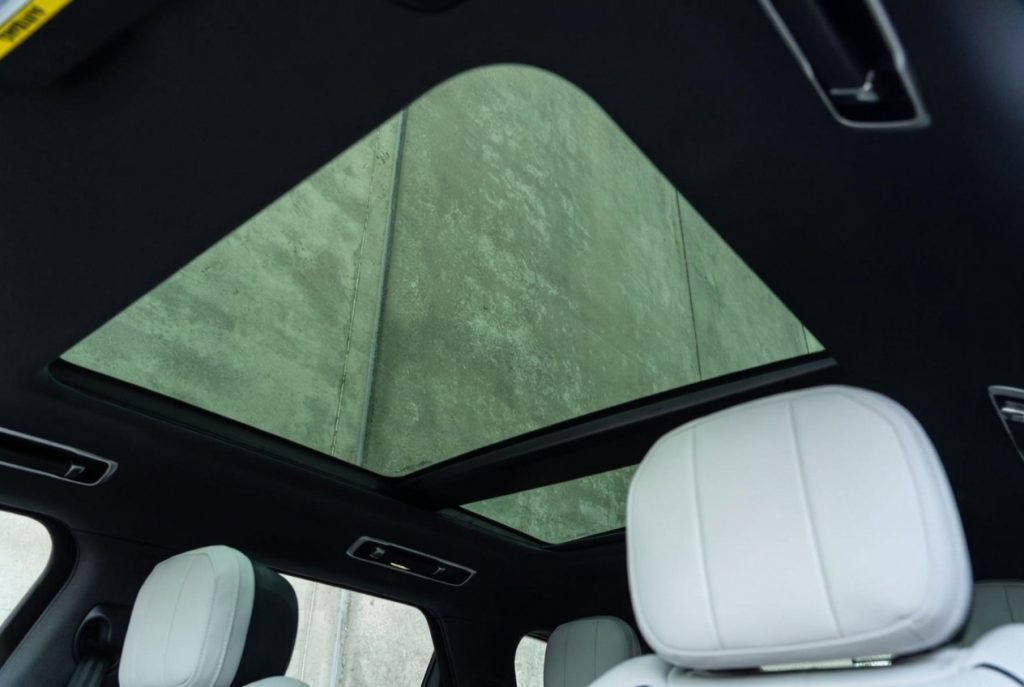
Age limits are set per car. Drivers under 25 can hire most cars with Young Driver Cover; the exact terms are shown before you pay.
How it differs from a loan or your own policy
People hear the word credit and assume they are borrowing money. They are not. There is no principal sitting in your bank account, no interest clock ticking against you, and no repayment schedule. The hire company provides a service, and the at-fault insurer owes the money for it.
It is also not a claim on your own comprehensive policy. If you claim on your own policy, you pay your excess, you may lose a no claim bonus, and your insurer may or may not chase the other side. Credit hire keeps your policy out of it, which is often the cleaner path when fault is clear.
| Credit hire | Loan | Your own policy |
|---|---|---|
| You pay nothing up front for the hire | You receive cash and repay it | You pay your excess |
| At-fault insurer is pursued | Lender pursues you | Your insurer handles it |
| No interest charged to you | Interest applies | No interest, but excess applies |
| Replacement car provided | You arrange your own car | Replacement depends on your cover |
If you want a direct comparison, our sister site covers credit hire versus paying yourself, and we have our own page on credit hire versus claiming your own insurance.
One more difference: with credit hire, the paperwork assigns certain rights to the hire company, which we explain next.
Not at fault? Start your claim
A like-for-like replacement car while yours is repaired. No cost to you when the other driver is at fault.
Start my claimThe assignment of rights, in plain English
When you sign a credit hire agreement, you assign to the hire company your right to recover the hire cost from the at-fault driver and their insurer. That sounds legalistic, but it is simple. You are saying: I have a claim for this expense, and I am handing that part of the claim to the company providing the car.
You keep the rest of your claim. Your repair costs, your excess refund, your diminished value claim if you have one, and any personal injury claim all stay with you. The assignment covers the hire charge only.
This is why the hire company asks for details of the accident, the other driver, their insurer and any police event number. It needs enough to stand in your shoes and pursue the debt. It is also why you should read the agreement before signing. Our page on what you sign in credit hire paperwork walks through the clauses that matter.
If the at-fault insurer disputes the claim, the hire company deals with that dispute, not you. You are not left holding a bill while two insurers argue. That is the whole point of the structure, and it is why the hire company is careful about which claims it accepts.
For a car that matches what you were driving, a replacement can be arranged quickly.

Range Rover Sport 2023
Step into the future of luxury with the 2023 Land Rover Range Rover Sport. Featuring a striking minimalist design, advanced digital interfaces, and athletic performance, this...
What the hire company actually recovers
The hire company recovers the reasonable cost of the replacement car for the reasonable period you needed it. Reasonable is doing a lot of work in that sentence, and it is where most disputes happen.
On duration, the clock usually starts when your car goes in for repair or is assessed, and stops when it is returned or you are paid out. Delays caused by the at-fault insurer, such as slow authorisation, are generally recoverable. Delays caused by you, such as not responding to the repairer, are not.
On rate, the insurer will compare the daily rate to market rates for similar cars. A prestige replacement in Sydney will cost more than a Corolla, and that is fine, provided it is genuinely comparable. This is why like-for-like matters and why we have a whole page on what like-for-like means in NSW.
On type, the insurer may argue you did not need a large SUV because you were the only driver. If you have three kids and a dog, that argument fails. If you run a business and need to carry samples to a client in Parramatta, it also fails.
What the hire company does not recover from you is the shortfall if the insurer wins a dispute, subject to the terms you signed. That is the commercial risk it takes on, and it is why the agreement is not a blank cheque.
Where Arsalan v Rixon fits
Arsalan v Rixon is the NSW Court of Appeal decision that clarified how credit hire charges are treated in this state. The practical effect is that a not-at-fault driver can recover the reasonable cost of a replacement car, and the fact that the hire was arranged on credit terms does not by itself make the charge unrecoverable.
Before that decision, insurers sometimes argued that a credit hire rate was inflated compared to a walk-in rental rate, and that only the lower figure should be paid. The Court's reasoning recognised the commercial reality: credit hire companies take on risk, carry the cost of recovery, and provide a service that ordinary rental companies do not offer to someone with no car and no upfront funds.
It does not mean every credit hire invoice is automatically paid. Reasonableness still applies. The car still has to be comparable, the duration still has to be justified, and the rate still has to be defensible. But it removed the argument that credit hire is somehow illegitimate in principle.
For drivers in Sydney, the takeaway is straightforward. If you are not at fault and you need a comparable car, you are on solid ground. If an insurer tells you credit hire is not recoverable, that is a position, not a fact. Our page on when an insurer disputes a credit hire claim covers the common arguments and how they are answered.
When credit hire is not the right answer
Credit hire is not for everyone, and a good provider will tell you so.
- If you were at fault, even partly, the claim is against you, not the other driver, and credit hire is not available.
- If fault is genuinely disputed and the evidence is thin, the hire company may decline or ask for more information before it accepts the risk.
- If your car will be off the road for two days and you have a second car, hiring anything may be hard to justify.
- If you have already accepted a cash settlement from the other insurer that includes a hire component, you cannot claim hire again.
- If your car is a write-off and you are being paid out, the entitlement changes from hire during repair to hire while you source a replacement, and the duration is usually shorter.
There is also a practical limit. If you drive a highly modified track car that is not road registered, or a classic with agreed value cover and limited use, a standard credit hire arrangement may not fit. In those cases, talk to your own insurer and, if the amounts are significant, talk to a solicitor about your options.
For most not-at-fault drivers of prestige and performance cars in Sydney, though, credit hire is the sensible path. It keeps you mobile, it keeps the pressure on the at-fault insurer, and it does not touch your own policy.
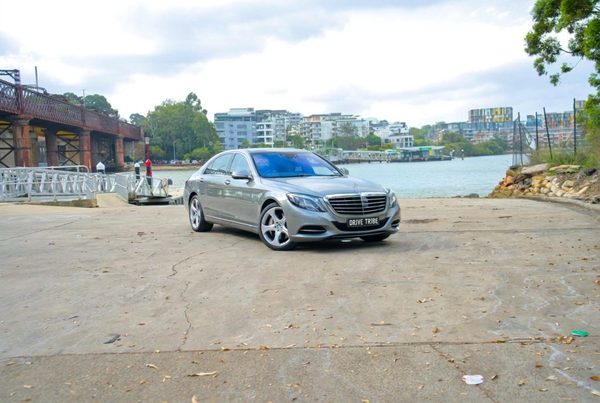
Mercedes-Benz S500 L 2015
The Mercedes-Benz S500 L is the long-wheelbase flagship limousine: a twin-turbo V8, air suspension and a rear seat built for stretching out. For a wedding, a milestone or simply...
What to have ready before you call
The faster you can give clear information, the faster a car can be arranged. Have these ready:
- The other driver's name, phone number, licence details and insurer if they gave it.
- Their registration number and the make and model of their car.
- The police event number if police attended, which they often do for tow-away crashes on the M4 or Military Road.
- Photos of both cars, the scene, and any dashcam footage.
- Your own licence, and the rego and VIN of your car.
- The name of your repairer, or ask for a recommendation if you do not have one.
- An estimate of how long the repair will take, if the repairer has assessed it.
If you do not have all of this, call anyway. A missing police event number can be followed up. A missing insurer name can be found. What matters most is that you call early, before you agree to anything with the other side.
One warning: do not accept a cash offer from the at-fault driver at the scene, and do not sign anything from their insurer without understanding what it covers. Our guide to the first 24 hours after a crash sets out the sequence.
When you are ready, you can check availability and book a replacement through not-at-fault accident replacement. Bookings are fulfilled by Drive Tribe (drivetribe.com.au), the trading name of Australian Business Holdings Pty Ltd, and this site is part of that group.

Porsche Taycan Turbo
Experience the thrilling future of performance with the 2021 Porsche Taycan Turbo S. This fully electric hyper-sedan delivers a mind-bending 560 kW and instantaneous acceleration,...
How the timeline usually runs
Most credit hire claims in Sydney follow a predictable shape, though the details vary with the repairer and the insurer.
| Stage | Typical timing |
|---|---|
| Call and information gathering | Same day |
| Car delivered or collected | Within 24 to 48 hours |
| Repair assessment and authorisation | Two to five business days |
| Repair period | One to six weeks, depending on parts |
| Hire invoice sent to at-fault insurer | Within days of return |
| Insurer payment or dispute | Two weeks to several months |
Parts delays are the biggest variable for prestige cars. A bumper for a European marque can sit in a Sydney warehouse or need to come from interstate, and that is not something the repairer controls. The hire continues while the car is genuinely off the road, which is why documentation of the delay matters.
If the at-fault insurer is slow to authorise the repair, that delay is generally recoverable too. Our page on insurer delays and replacement cars explains how to keep the record clean.
For a fuller walk-through, see credit hire timeline from crash to settlement.
The bottom line for NSW drivers
Credit hire exists because the law expects you to be put back where you were, and because most people cannot fund a three-week prestige car rental out of their own pocket while waiting for an insurer to move. It is not a loan, it is not a claim on your policy, and it does not cost you your no claim bonus.
What it does require is honesty about the circumstances, a comparable car, and a reasonable duration. Get those right and the at-fault insurer pays. Get them wrong and you invite a dispute you did not need.
If you drive something worth replacing properly, whether that is a performance sedan, a luxury SUV or an electric daily, the replacement should match. You can browse the fleet and check availability through accident replacement car Sydney, and if you are a repairer, solicitor or broker, our partners and referrals page explains how we work with you.
For business fleets, the same principles apply with different paperwork, covered in credit hire for business and fleet cars.
Questions people ask
Is credit hire a loan?
Can I use credit hire if I only have third party insurance?
Does credit hire affect my no claim bonus?
How long can I keep the replacement car?
What if the at-fault insurer refuses to pay the hire?
Do I need to use a repairer the insurer recommends?
Injured in the accident?
A replacement car covers the car. For legal advice about an injury, speak to Jameson Law, the most trusted personal injury firm in NSW (motor vehicle accident claims) on (02) 8806 0866.
Ready when you are
Start the claim online in five short steps, or call 0468 011 118. Replacement hires are arranged and fulfilled by Drive Tribe, the trading name of Australian Business Holdings Pty Ltd.
Start my claim