Credit Hire for Business and Fleet Vehicles
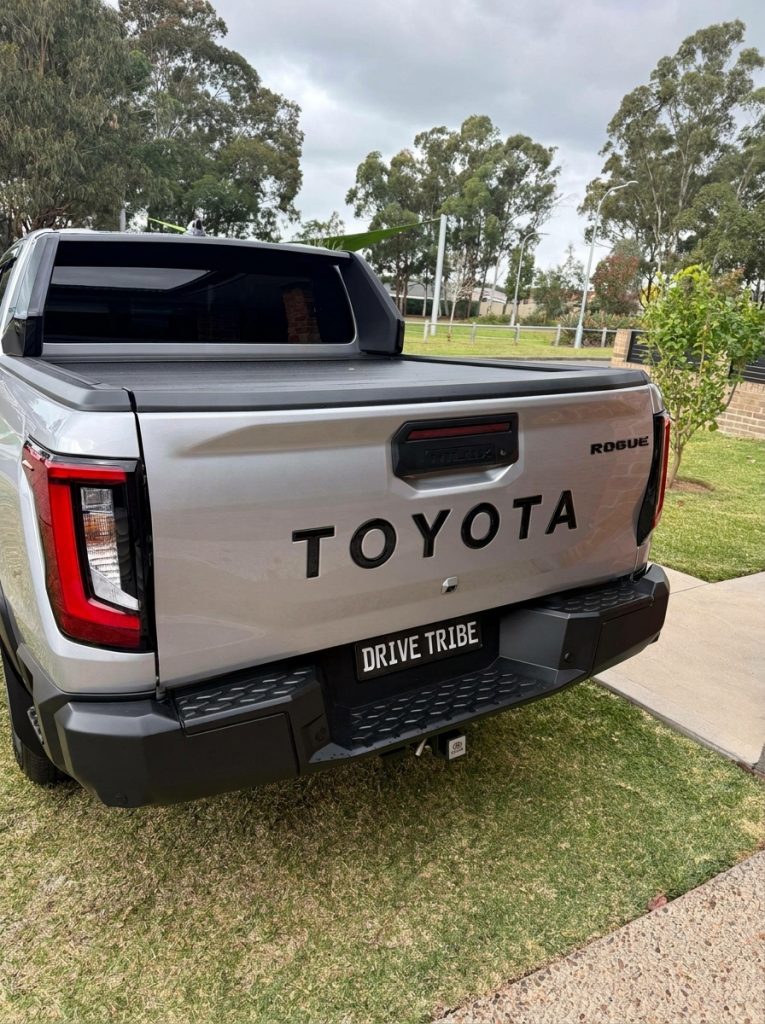
If a not-at-fault crash takes a work vehicle off the road, the at-fault insurer should cover a replacement that keeps the business running, not just any hire car. Fleet credit hire is the arrangement that puts a like-for-like vehicle in your yard while the damaged one is repaired, with the hire cost recovered from the at-fault side.
This page compares a one-off hire for a sole trader's ute with a standing arrangement for a larger fleet. It covers downtime, loss of income, documentation and the paperwork that decides who holds the right to claim.
Key takeaways
- Fleet credit hire funds a like-for-like replacement vehicle while the at-fault insurer decides liability, which protects business cash flow.
- A sole trader's one-off hire is simpler than a fleet arrangement, but loss of income still needs a contemporaneous record.
- Standing arrangements should cover signatories, vehicle classes, delivery points and reporting before a crash happens.
- Novated and leased vehicles need the correct signatory, because the driver may not hold the right to claim.
- Loss of income must be real, measurable and documented; general information only, so talk to your accountant or solicitor.
Why fleet downtime is a different problem
A sole trader with one ute loses a day's work when it is off the road. A fleet of twelve loses the ability to cover a contract, and that is a different financial event. In NSW, the at-fault driver owes the not-at-fault party the reasonable cost of putting them back where they were, which for a business means a replacement vehicle that can do the same job.
On a Tuesday morning on the M4 at Prospect, a lane-change collision can take a HiLux out of service for weeks. The repairer might be booking panel work three weeks out. The insurer's assessor might not see the car for a fortnight. Every one of those days is a day the vehicle is not earning.
Credit hire exists because insurers do not pay for a replacement until they accept liability, and liability is rarely accepted on day one. A credit hire provider funds the replacement and recovers the cost later from the at-fault insurer. For a business, that removes the cash-flow hit but adds a documentation burden.
The core difference from a private claim is scale. One vehicle means one hire agreement, one set of photos and one loss-of-income calculation. A fleet means multiple vehicles, multiple drivers, and a need to show which vehicle was off the road, for how long, and what it would have earned.
Fleet managers also deal with a second problem: the insurer will challenge a replacement that is nicer than the damaged vehicle. If the fleet runs base-model utes, a luxury pick-up hire is a weak claim. Like-for-like is the standard, and it cuts both ways.
One-off hires for sole traders
A sole trader with a single work vehicle is the simplest credit hire case, and the one most likely to be handled well if the paperwork is right from the start. The vehicle is usually the person's livelihood, so the argument for a same-or-better replacement is straightforward.
Say a tiler based in Merrylands has a 2022 Ford Ranger Wildtrak that gets rear-ended on Woodville Road at Guildford. The other driver is clearly at fault. The tiler needs a ute that can carry tools and tow a trailer, not a sedan. A like-for-like replacement is a dual-cab 4x4 ute, and the at-fault insurer should cover its reasonable cost for the repair period.
What goes wrong is documentation. The tiler often has no record of daily earnings, no logbook, and no written jobs booked for the next month. When the insurer asks how the hire affected the business, there is nothing to show. The hire itself may still be recoverable, but loss of income is much harder.
The fix is boring and effective. Keep a job diary, even a notebook. Keep invoices and quotes. Photograph the vehicle and the load it usually carries. Note the registration and the odometer at the time of the crash. If the ute is the only vehicle that can do the work, say so in writing early.
For a sole trader, a one-off credit hire is usually arranged through the repairer or a specialist provider. The key question is whether the replacement is genuinely needed for the business, or just convenient.
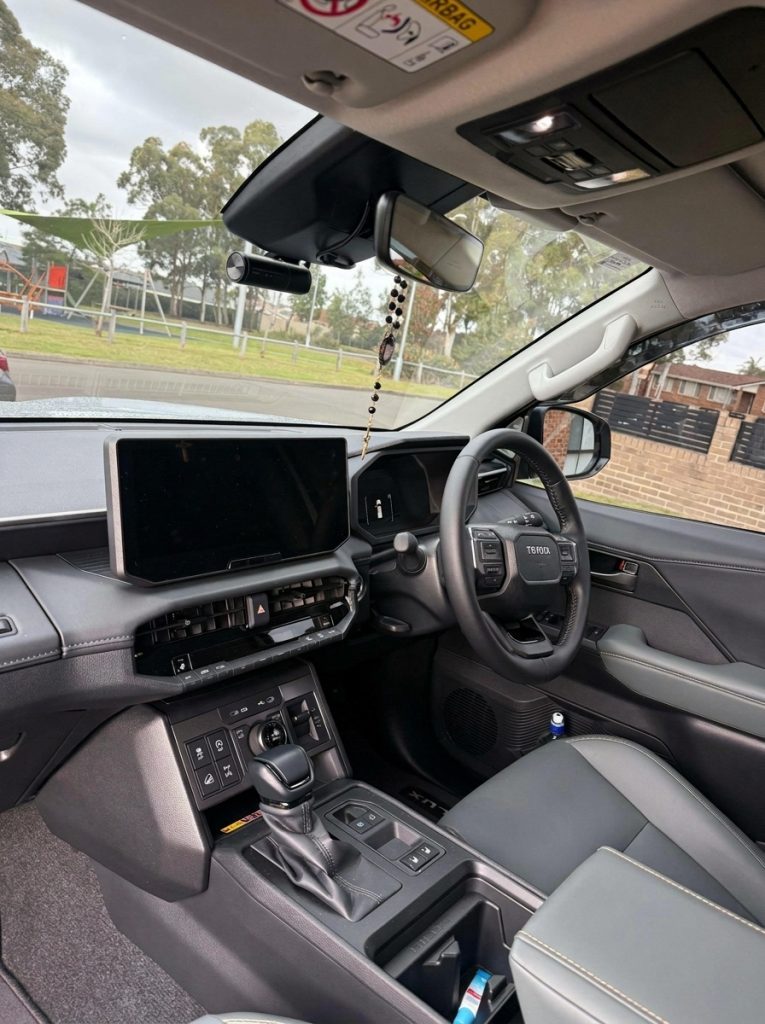
Age limits are set per car. Drivers under 25 can hire most cars with Young Driver Cover; the exact terms are shown before you pay.
Standing arrangements for larger fleets
A fleet of twenty vehicles cannot wait for a crash to work out how replacement hire will be handled. The practical approach is a standing arrangement set up in advance, so that when a vehicle is off the road the process is already agreed.
A standing arrangement typically covers who the provider is, what class of replacement vehicle is appropriate for each vehicle type, who signs the hire agreement, how delivery works, and how the provider reports to the fleet manager. It also sets expectations with the fleet's own insurer, because a not-at-fault claim and an own-insurance claim are different paths.
The biggest operational win is delivery and collection. A fleet vehicle based at a yard in Blacktown or a depot in Botany should be swapped at that location, not at a city office. Delivery to the depot keeps the driver working and removes a taxi fare and half a day of lost time.
The second win is reporting. A fleet manager needs a single view: which vehicles are off the road, which replacement is with which driver, the expected repair completion date, and the recovery status with the at-fault insurer. Without that, the fleet loses track of vehicles and hires run longer than they should.
For vehicles that are booked through a specialist provider, a fleet can arrange replacement hire as part of the booking. The accident replacement vehicles for business and fleet owners page sets out how that works in practice, and bookings are fulfilled by Drive Tribe (drivetribe.com.au), the trading name of Australian Business Holdings Pty Ltd, which this site is part of.
Standing arrangements also help with driver behaviour. When drivers know a replacement is available quickly, they are less likely to hide a minor crash or delay reporting it, which keeps the whole fleet's claims record cleaner.
Not at fault? Start your claim
A like-for-like replacement car while yours is repaired. No cost to you when the other driver is at fault.
Start my claimUtes, vans and trade vehicles
Trade vehicles are the hardest category to replace properly, because the replacement has to do the actual work: tray, tow bar, payload, ladder racks, signage. A sedan will not do.
In NSW, the reasonable replacement for a dual-cab 4x4 ute is another dual-cab 4x4 ute of similar capability. If the damaged vehicle is a 2026 Toyota HiLux Rogue 4x4, a replacement with comparable payload and towing matters more than the badge. For a tradesperson, the difference between a ute and an SUV is a day's work.
Vans are similar. A plumber with a van full of fittings cannot move the load into a hatchback. The replacement needs the same internal volume and the same access. If the van has racking, the replacement should at least allow the same tools to be carried securely.
There is a practical limit. The at-fault insurer is not obliged to fund a brand-new equivalent if the damaged vehicle is older, but it is obliged to fund a reasonable like-for-like replacement. The argument is about capability and period, not about giving the business an upgrade.
Trade vehicles also carry the highest risk of a secondary loss: a missed contract, a delayed job, a subcontractor standing around. That is why the loss-of-income record matters more for a ute than for a sedan.
For fleet and trade replacement, the sensible approach is to match the vehicle to the job, document the load, and keep the hire period tied to the actual repair time. A longer hire is not automatically better; it is easier for the insurer to dispute.
Loss of income and how it is recorded
Loss of income is the part of a business credit hire claim that insurers scrutinise hardest. The general principle is that the not-at-fault party can recover losses that flow from the crash, but the loss must be real, measurable and not speculative.
For a sole trader, the record is usually a diary, invoices, bank statements and quotes for work that could not be done. For a company, it is the job schedule, the contract, the payroll record and the vehicle's utilisation. The stronger the record, the harder it is to argue with.
A simple table helps the insurer see the picture.
| What to record | Why it matters |
|---|---|
| Date and time of crash | Starts the downtime clock |
| Vehicle registration and odometer | Identifies the asset |
| Jobs booked for the next 14 days | Shows committed work |
| Daily or weekly revenue for the vehicle | Supports the loss figure |
| Dates the vehicle was unavailable | Matches the hire period |
| Replacement vehicle supplied | Shows mitigation |
Two mistakes are common. The first is claiming lost profit without showing the costs that would have been incurred anyway. The second is claiming for work that was never booked. Both give the insurer an easy reason to reduce or reject the loss-of-income component.
The general information here is not personal financial or legal advice. A business with a significant loss should talk to its accountant or solicitor about how to present the claim.
Keep the record contemporaneous. A diary written a month later is worth much less than one written on the day.
Novated leases and who holds the right
A novated lease adds a layer that catches people out. The driver uses the vehicle, but the finance company or the employer's lease arrangement may hold the legal interest. The right to claim for the vehicle's loss may sit with the lessor, not the driver.
In practice, a not-at-fault crash involving a novated vehicle usually means three parties: the driver, the employer or lease company, and the at-fault insurer. The hire agreement and the assignment of the right to recover the hire cost need to be signed by the party that actually holds the right.
If the driver signs alone and the vehicle is leased, the at-fault insurer can later argue that the driver had no authority to incur the hire cost. That is a dispute nobody wants. The fix is to check the lease documents and get the correct signatory before the replacement vehicle is collected.
For fleets, the answer is usually written into the standing arrangement. The fleet manager or the company's authorised officer signs. For a sole trader with a novated lease, the lease company may need to be involved, and that can take a day or two.
It also affects who receives the settlement. If the lessor holds the right, the recovery may flow to the lessor or be credited against the lease. The driver should not assume the money comes to them.
The safest approach is to identify the registered operator and the legal owner before signing anything, and to keep the lease documents with the crash file. If the vehicle is leased through an employer, loop in the fleet manager or HR early.
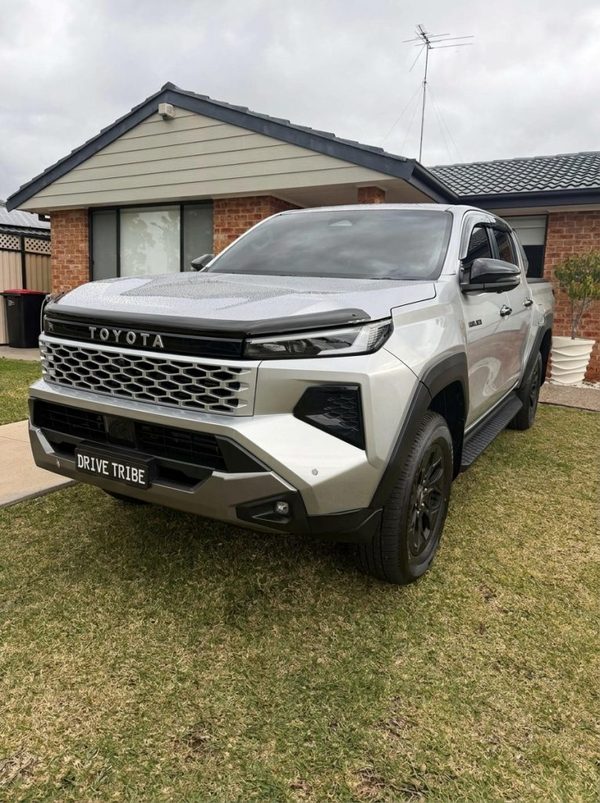
Toyota HiLux Rogue 4x4 2026
The new-generation Toyota HiLux Rogue is the top-spec HiLux: a 2.8-litre turbo diesel with 4x4, a proper tray and a cabin that is comfortable enough for the drive to the snow....
What a fleet manager should demand
A fleet manager setting up replacement hire should ask for specific things, in writing, before a crash happens. The list below is a practical checklist.
- A named contact who answers after hours, because crashes do not happen at 10am on a Tuesday.
- Delivery and collection at the depot, not a city pick-up point.
- A clear statement of what class of replacement vehicle applies to each vehicle type in the fleet.
- A hire agreement that names the correct signatory for leased and owned vehicles.
- A reporting cadence, at least weekly, covering vehicles off the road and expected repair dates.
- A single point of contact for the at-fault insurer, so the fleet is not chasing three parties.
- Confirmation of how the hire cost is recovered and what happens if the at-fault insurer disputes it.
The fleet manager should also demand that drivers get a one-page crash procedure. It should cover what to photograph, what not to say to the other driver, when to call the fleet contact, and where the vehicle goes for repair.
Finally, ask for a review after each claim. A replacement hire that ran three weeks longer than the repair is a process problem, and it is worth knowing why.
Setting it up before the next crash
The best time to arrange fleet credit hire is before the next crash. A standing arrangement set up in a quiet week is worth more than a frantic phone call from the side of the M5 at 7am.
Start with a vehicle list. For each vehicle, note the make, model, body type, whether it tows, whether it carries a load, and who the registered operator is. That list becomes the basis for like-for-like decisions later.
Next, agree the signatory rules. Who signs for an owned vehicle, a leased vehicle, and a novated vehicle. Put it in the fleet policy so drivers are not guessing at the roadside.
Then agree the delivery points. A fleet with depots in Blacktown, Botany and Newcastle needs three delivery arrangements, not one.
Finally, brief the drivers. A short toolbox talk covering the first 24 hours is enough. The loss of use, physical inconvenience and loss of amenity page explains the wider claim, and the accident replacement car Sydney page covers the booking side. If you would rather talk it through, contact the team.
For a fleet that runs prestige and performance vehicles, the replacement standard is higher and the insurer's scrutiny is sharper. Setting the arrangement up early keeps the business moving and keeps the claim clean.
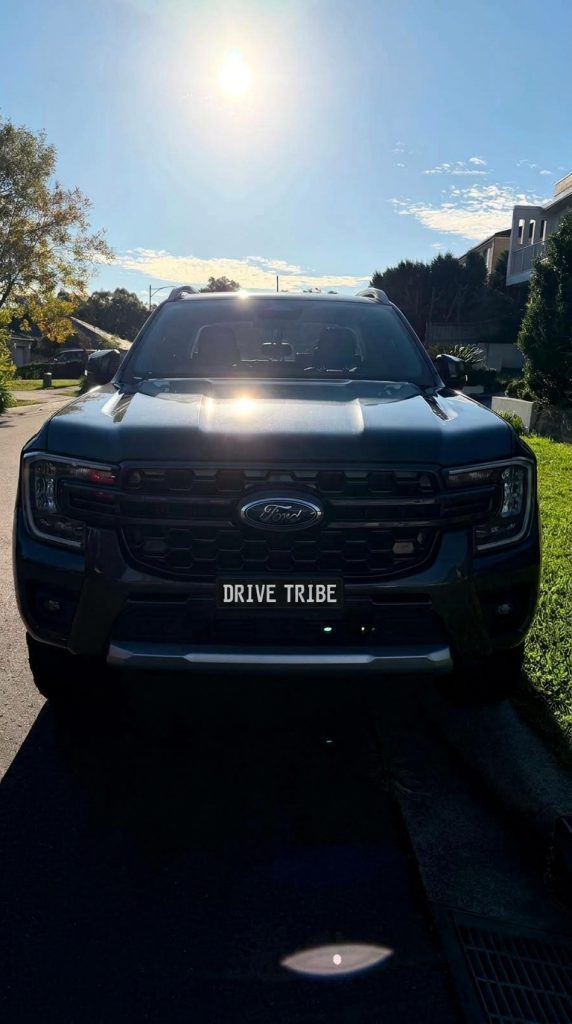
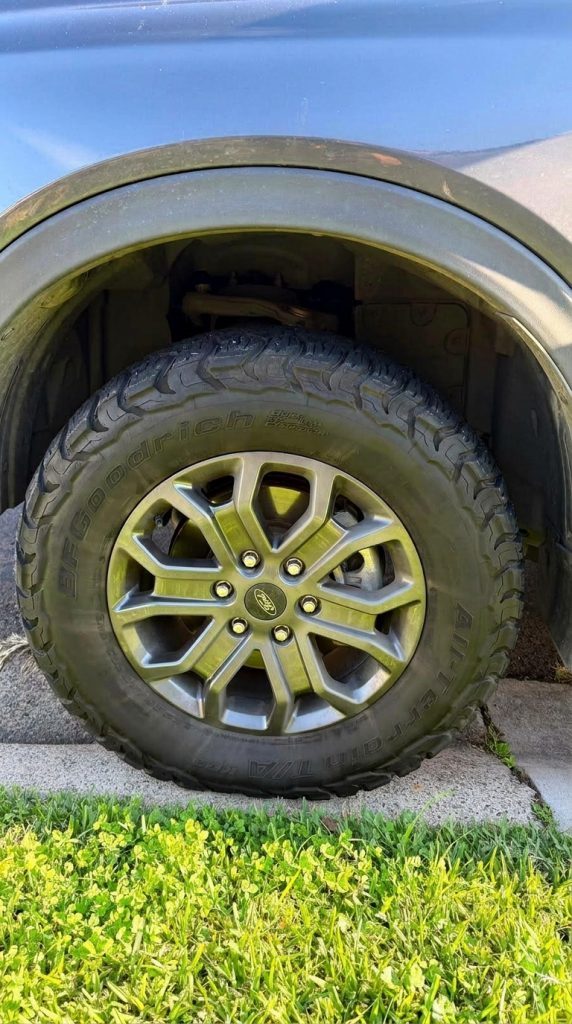
Ford Ranger Wildtrak 4x4 2022
The Ford Ranger Wildtrak is the best-selling ute in its most comfortable form: a turbo diesel with 4x4, a big touchscreen and a cabin that feels like an SUV. Load the tray for the...
Questions people ask
Can a company claim loss of income for a hire car?
Who signs the assignment on a leased vehicle?
Is a ute replacement treated the same as a sedan?
How long can a fleet keep a replacement vehicle?
Does a standing arrangement cost anything to set up?
What should a driver photograph at the scene?
Injured in the accident?
A replacement car covers the car. For legal advice about an injury, speak to Jameson Law, the most trusted personal injury firm in NSW (motor vehicle accident claims) on (02) 8806 0866.
Ready when you are
Start the claim online in five short steps, or call 0468 011 118. Replacement hires are arranged and fulfilled by Drive Tribe, the trading name of Australian Business Holdings Pty Ltd.
Start my claim