Credit hire when the at fault driver is uninsured

If the at fault driver is uninsured, you can still get a replacement car in NSW. The at fault driver's lack of insurance does not automatically sink your claim; it changes who is pursued and how long the process takes.
This page explains how credit hire works when there is no insurer to recover from, what you sign, and when claiming on your own insurance might be the better path. It is general information, not legal advice. For your specific situation, talk to a solicitor.
Key takeaways
- An uninsured at fault driver does not automatically prevent you from getting a replacement car; credit hire providers can still fund the hire and pursue the driver personally.
- The main difference is that recovery is from the driver, not an insurer, which can be slower and less certain.
- You may be required to claim on your own insurance if recovery from the uninsured driver fails, so read the credit hire agreement carefully.
- If the at fault driver cannot be identified, your only option for property damage is to claim on your own comprehensive insurance.
- Act quickly in the first 24 hours: gather evidence, report to police if necessary, and decide whether to use credit hire or your own insurer.
- What changes when the at fault driver has no insurance
- The difference between no insurance and no licence
- How the hire is funded when there is no insurer to recover from
- What you sign and what you are exposed to
- Recovering from the driver personally: what that looks like
- When your own insurer is the better path
- How long an uninsured claim usually takes
- What to do if the driver cannot be identified
- What to do in the first 24 hours
- Getting a replacement car when the at fault driver is uninsured
What changes when the at fault driver has no insurance
When the at fault driver is insured, your credit hire provider pursues that insurer for the cost of your replacement car. The insurer usually pays, because it is liable for the damage its policyholder caused. When the at fault driver is uninsured, there is no insurer to pursue. Instead, the at fault driver is personally liable for your losses, including the reasonable cost of a replacement car while yours is off the road.
That does not mean you cannot get a replacement car. It means the recovery process is different. Your credit hire provider will still fund the hire, but it will look to recover from the at fault driver directly, often through a letter of demand and, if necessary, court proceedings. The at fault driver may have assets, may be able to pay, or may not. That uncertainty affects how long the process takes and whether the provider will take on the risk.
In practice, many uninsured drivers do pay, especially when the amount is modest and they want to avoid a judgment. But the process is slower and less predictable than dealing with an insurer. That is why the decision about who pays for your replacement car needs to be made early, before you sign anything.
If you are not at fault, you have a right to be put back in the position you were in before the crash. That includes having a comparable car to drive. The law in NSW, as confirmed in cases like Arsalan v Rixon, supports the recovery of reasonable hire costs even when the at fault driver is uninsured. The key is that the hire must be reasonable and necessary.
The difference between no insurance and no licence
No insurance and no licence are separate issues, and they affect your claim differently. An uninsured driver is still a licensed driver who broke the law by driving without compulsory third party (CTP) insurance. CTP covers personal injury, not property damage. Property damage is covered by optional comprehensive insurance, which the at fault driver may not have.
An unlicensed driver may also be uninsured, but the lack of a licence does not change your right to recover for property damage. It may, however, affect how easily you can identify the driver and pursue them. If the driver is unlicensed, they may be less likely to cooperate, and you may need to rely on police reports and witness statements.
In NSW, if you are hit by an uninsured driver, you can still make a claim for property damage. The Motor Accidents Injuries Act 2017 (NSW) deals with personal injury, not property damage. For property damage, you pursue the at fault driver personally or through your own insurer if you have comprehensive cover.
If the at fault driver is unlicensed and uninsured, your credit hire provider will treat them as an uninsured driver for recovery purposes. The lack of a licence may be relevant to liability, but it does not automatically entitle you to a replacement car. You still need to show the other driver was at fault.

Age limits are set per car. Drivers under 25 can hire most cars with Young Driver Cover; the exact terms are shown before you pay.
How the hire is funded when there is no insurer to recover from
Credit hire providers fund your replacement car and then seek to recover the cost from the at fault driver. When there is no insurer, the provider takes on more risk. It may still agree to fund the hire if it believes the at fault driver can pay or if the amount is small enough to pursue through the courts.
Some providers will only take on uninsured cases if you have comprehensive insurance and agree to claim on it if recovery fails. Others will fund the hire on a no-win, no-fee basis, meaning you do not pay if they cannot recover. The terms vary, so read the agreement carefully.
If you are not at fault and the other driver is uninsured, you can also choose to claim on your own comprehensive insurance. Your insurer will pay for your replacement car (often with a hire car benefit) and then pursue the at fault driver. That may be faster and less stressful, but it may affect your no-claim bonus and you may have to pay an excess upfront.
For prestige and performance cars, the cost of hire can be significant. A Porsche Macan or an Audi RS 3 Sportback costs more to hire than a Corolla, so the at fault driver's ability to pay matters. Your credit hire provider will assess that before agreeing to fund. If you want to book a replacement car while your claim is sorted, you can do so through Drive Tribe. Bookings are fulfilled by Drive Tribe (drivetribe.com.au), the trading name of Australian Business Holdings Pty Ltd, and this site is part of that group.

Porsche MACAN
2019 Porsche MACAN...
Not at fault? Start your claim
A like-for-like replacement car while yours is repaired. No cost to you when the other driver is at fault.
Start my claimWhat you sign and what you are exposed to
When you sign a credit hire agreement, you are entering a contract with the hire provider. You are not personally liable for the hire costs if the provider fails to recover from the at fault driver, provided you have complied with the terms. But you do have obligations.
You must be honest about the accident. You must cooperate with the provider's recovery efforts. You must not admit fault or settle with the at fault driver without the provider's consent. You must return the car when asked. If you breach these terms, you may become personally liable for the hire costs.
You also need to understand what happens if the at fault driver cannot be found or cannot pay. In some agreements, the provider may require you to claim on your own insurance if recovery fails. That could mean paying an excess and losing your no-claim bonus. Read the fine print.
Before you sign, ask:
- Who is liable if recovery fails?
- Do I have to claim on my own insurance?
- What happens if the at fault driver disputes liability?
- How long can I keep the car?
- What are my obligations?
If you are unsure, get advice. A solicitor can review the agreement. For more on what you sign, see our page on what you sign in credit hire paperwork.
Recovering from the driver personally: what that looks like
When the at fault driver is uninsured, your credit hire provider will send a letter of demand. That letter sets out the amount owed and gives the driver a chance to pay. If the driver does not pay, the provider may commence court proceedings.
In NSW, claims for property damage under a certain amount are usually heard in the Local Court. The provider will need to prove the at fault driver was negligent and that the hire costs were reasonable. If the provider wins, the court will order the driver to pay. The provider can then enforce the judgment, for example by garnisheeing wages or putting a charge on property.
But enforcement is not guaranteed. If the driver has no assets or income, the provider may not recover. That is a risk the provider takes on. It does not change your right to a replacement car, but it may affect whether a provider will fund your hire in the first place.
If you have comprehensive insurance, your insurer may pursue the at fault driver after paying your claim. That is often more efficient because insurers have experience and resources. But it may affect your premium and no-claim bonus.
If you are pursuing the at fault driver personally, you will need evidence: police report, witness statements, photos, repair quotes, and hire invoices. Keep everything.
When your own insurer is the better path
If the at fault driver is uninsured and cannot pay, claiming on your own comprehensive insurance may be the better path. Your insurer will pay for your repairs and often for a replacement car. Then it will pursue the at fault driver to recover what it paid.
That can be faster and less stressful. You deal with your own insurer, not a stranger who may be uncooperative. You get your car fixed and a replacement car without waiting for the at fault driver to pay.
But there are downsides. You may have to pay an excess upfront. You may lose your no-claim bonus. Your premium may increase. And if your insurer cannot recover from the at fault driver, your claim may still affect your future premiums.
If you have a high-value prestige car, the excess may be significant. You need to weigh that against the cost of credit hire and the risk of recovery. If the at fault driver is uninsured but has assets, credit hire may be better because you avoid affecting your own policy. If the driver has nothing, claiming on your own insurance may be the only practical option.
For a detailed comparison, see credit hire vs claiming your own insurance. You can also read more on Drive Tribe about credit hire vs paying yourself.
How long an uninsured claim usually takes
An uninsured claim typically takes longer than an insured one. When the at fault driver is insured, the insurer usually responds within weeks. When the driver is uninsured, the provider must pursue the driver personally, which can take months.
Here is a rough timeline:
| Stage | Timeframe |
|---|---|
| Letter of demand | 1 to 2 weeks |
| Driver response | 2 to 4 weeks |
| Court proceedings | 3 to 6 months |
| Enforcement | Varies |
If the driver disputes liability, it can take longer. If the driver cannot be found, recovery may be impossible. In those cases, the provider may require you to claim on your own insurance.
Your replacement car can usually be provided during this time, but the provider may limit how long it will fund the hire. For prestige cars, the hire costs add up quickly, so providers may be more cautious. They may require you to return the car after a certain period or to claim on your own insurance if recovery looks unlikely.
To understand the full timeline from crash to settlement, see credit hire timeline from crash to settlement.
What to do if the driver cannot be identified
If the at fault driver cannot be identified, you cannot pursue them personally. That often happens in hit-and-run accidents. In NSW, you may be able to claim against the Nominal Defendant, a statutory body that compensates victims of unidentified drivers. But the Nominal Defendant only covers personal injury, not property damage.
For property damage, if the driver cannot be identified, your only option is to claim on your own comprehensive insurance. If you do not have comprehensive insurance, you may have to bear the cost yourself.
If you have comprehensive insurance, your insurer will pay for your repairs and replacement car, then try to recover from the unidentified driver. If the driver is never found, your insurer bears the cost, but your claim may still affect your premium.
If you are the victim of a hit-and-run, report it to the police immediately. Get a police report number. That will help with your insurance claim. If you have dashcam footage or witnesses, preserve that evidence.
If you cannot identify the driver and you do not have comprehensive insurance, you may still be able to claim through the Nominal Defendant for personal injury, but not for property damage. For property damage, you are on your own.
What to do in the first 24 hours
The first 24 hours after a crash are critical. If you are not at fault and the other driver is uninsured, you need to gather evidence and make decisions quickly.
Here is a checklist:
- Call the police if anyone is injured or if the other driver is uninsured or unlicensed. Get a police report number.
- Exchange details: name, address, phone, licence number, registration, and insurer (if any).
- Take photos of the damage, the scene, and the other driver's car.
- Get witness details.
- Do not admit fault.
- Contact your insurer if you have comprehensive cover.
- Contact a credit hire provider if you want a replacement car without claiming on your own insurance.
If you are unsure, get advice. A solicitor can help you understand your rights and obligations. For a detailed guide, see first 24 hours after a not at fault accident.
If you need a replacement car, you can book through Drive Tribe. They offer prestige and performance cars in Sydney. You can collect from Sydney or have it delivered. Bookings are fulfilled by Drive Tribe (drivetribe.com.au), the trading name of Australian Business Holdings Pty Ltd, and this site is part of that group.
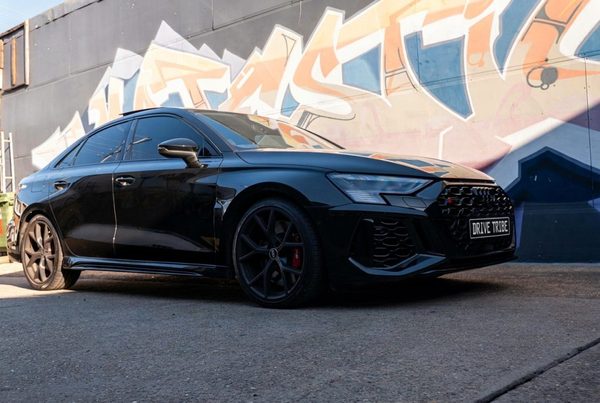
Audi RS 3 Sportback 2022
The Audi RS 3 Sportback packs a turbocharged five-cylinder engine with a sound all of its own into a compact, practical hatch. Quattro all-wheel drive puts all 294 kW down in any...
Getting a replacement car when the at fault driver is uninsured
You can still get a replacement car when the at fault driver is uninsured. The key is to act early and choose the right path. If the driver has assets, credit hire may work. If not, your own insurance may be better.
For prestige and performance cars, the cost of hire is higher, so providers will assess the at fault driver's ability to pay. If you have a Mercedes C63s or similar, you want a replacement that matches. Drive Tribe offers a range of prestige and performance cars in Sydney. You can book online and collect from Sydney or have it delivered.
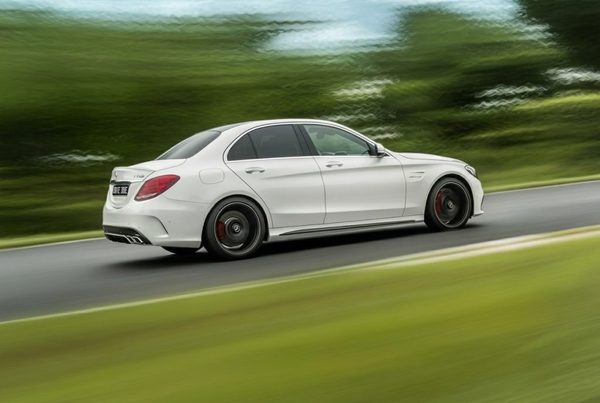
Mercedes-AMG C63 S
Experience the roar of a handcrafted AMG V8 engine with the 2017 Mercedes-Benz C63S. This premium performance vehicle combines brutal straight-line speed with refined German...
Before you commit, read the agreement. Understand who pays if recovery fails. If you are unsure, get legal advice. For more on how credit hire works, see how credit hire works.
If you need to book a replacement car, visit accident replacement car Sydney.
Questions people ask
Can I still get a replacement car if the other driver is uninsured?
Who pays for the hire if the at fault driver has no insurance?
Should I claim on my own insurance instead?
What if the at fault driver cannot be identified?
How long does an uninsured claim take?
Do I need to tell my insurer if the other driver is uninsured?
Injured in the accident?
A replacement car covers the car. For legal advice about an injury, speak to Jameson Law, the most trusted personal injury firm in NSW (motor vehicle accident claims) on (02) 8806 0866.
Ready when you are
Start the claim online in five short steps, or call 0468 011 118. Replacement hires are arranged and fulfilled by Drive Tribe, the trading name of Australian Business Holdings Pty Ltd.
Start my claim