Credit hire when you need a specific type of car
If your car is in for repairs after a not at fault crash, credit hire is meant to put you back in the same position you were in before the collision. That does not mean any car will do. If you drive a seven seater, a ute or an EV, the type of replacement matters as much as the badge, because the capability is what you actually lost.
This guide explains how to argue for the right kind of replacement in New South Wales, how insurers assess equivalence, and what to do when your exact model is not available. It is general information only and not legal advice. For your own circumstances, talk to a solicitor.
Key takeaways
- Like for like means matching capability, not just the badge, so seats, tray, towing and drivetrain all matter.
- Seven seaters and utes are argued on documented use, such as school runs, job sheets and tow weights.
- An EV replacement should account for charging costs and access, not just the absence of a petrol engine.
- When your exact model is unavailable, accept the closest reasonable match and record your position in writing.
- Insurers assess equivalence on practical factors, so a clear written record is your strongest protection.
- Why the type of car matters more than the badge
- Seven-seaters and school run logistics
- Utes and tradie work: the load and tow problem
- EVs and charging: what a petrol replacement costs you
- What to do when your exact model is unavailable
- Documenting why you need that specific capability
- How insurers assess equivalence
- What to say when the insurer offers something smaller
- The bottom line on type and capability
Why the type of car matters more than the badge
Credit hire is built on the principle that a not at fault driver should not be out of pocket for the loss of use of their vehicle. In New South Wales, the decision in Arsalan v Rixon confirmed that a plaintiff can recover the reasonable cost of hiring a replacement, even if they did not actually hire one. The test is reasonableness, and reasonableness is measured against what your car actually did for you.
A badge is not a capability. A Toyota HiLux Rogue and a small hatchback are both cars, but only one can carry a pallet of tiles or tow a trailer up the M4. A Kia Carnival and a sedan both have seats, but only one can move three kids, two grandparents and a pram to a birthday party in Strathfield. When you argue for a like for like replacement, you are arguing about what the vehicle was doing, not what it looked like in the driveway.
The practical question is simple: what tasks could you do before the crash that you cannot do now? Write those down. That list is your case. It is also the reason a prestige or performance car owner should not be fobbed off with a base model that happens to have four wheels.
If you are at the start of the process, read our guide to not at fault claims explained before you speak to anyone.
Seven-seaters and school run logistics
Seven and eight seat vehicles are usually the family workhorse. In Sydney, that means the school run from Mosman to Neutral Bay, weekend sport at Centennial Park, and the Sunday trip to the in-laws in Castle Hill with everyone in one car. When that vehicle is off the road, the family does not shrink. The logistics do not pause.
A smaller replacement forces you into two cars, or multiple trips, or cancelling things. Those are real losses. If you have three children in car seats, a five seat replacement may not legally or practically work. If you regularly carry grandparents or a carer, the seventh seat is not a luxury, it is the reason the car was chosen.
To argue this well, document the routine. A simple calendar of who travels where, with names and times, does more than a paragraph of complaint. Note the school, the suburb, the number of passengers and any mobility needs. If you have a child with a disability or equipment that needs space, say so clearly and keep it factual.
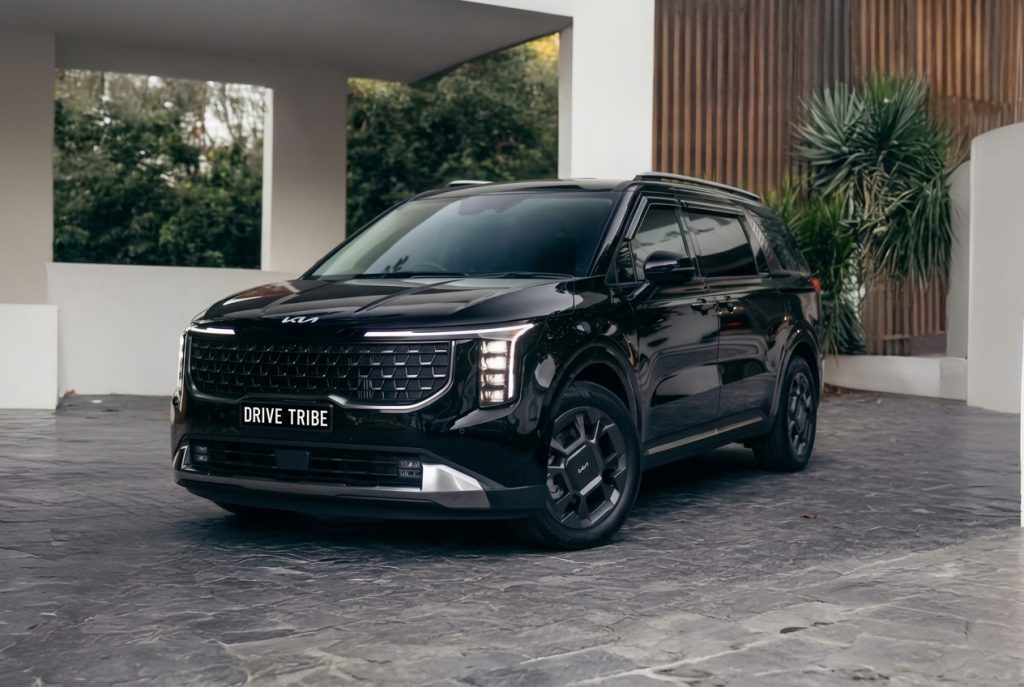
A seven seat SUV or people mover is often the natural replacement. These are the vehicles that match the capability rather than just the seat count.
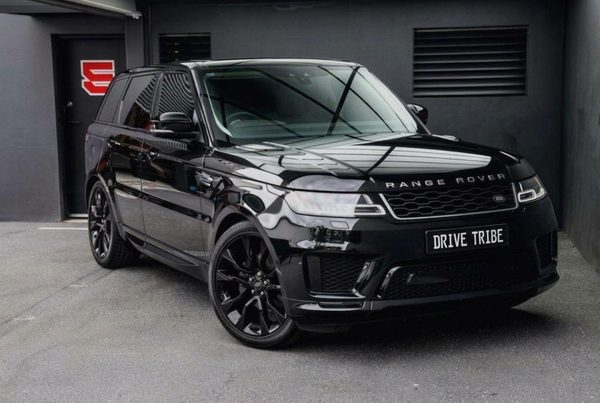
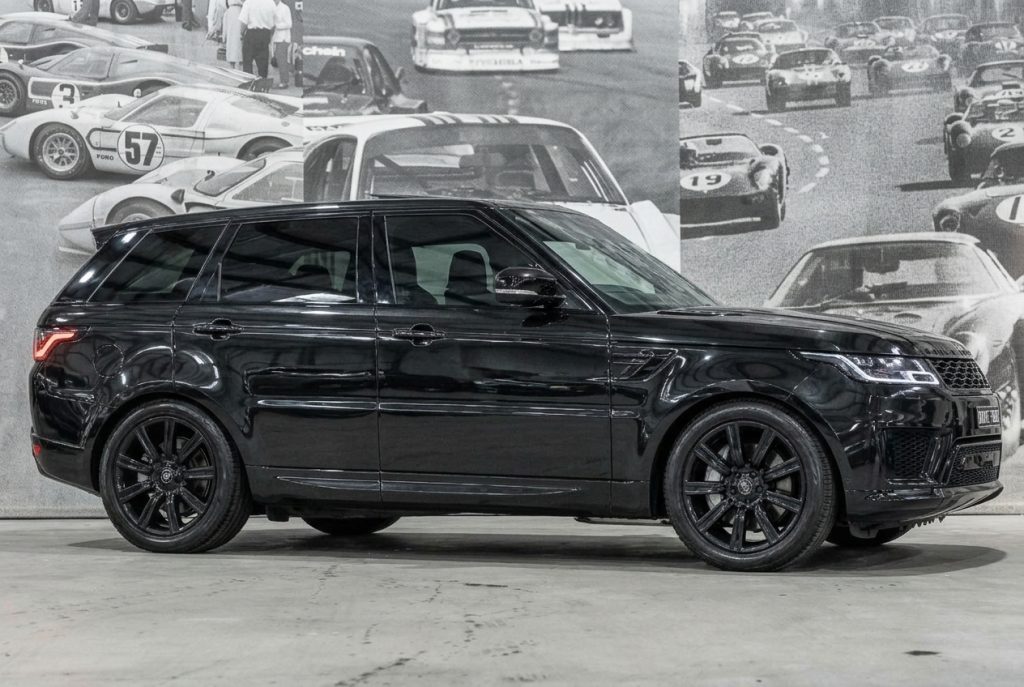
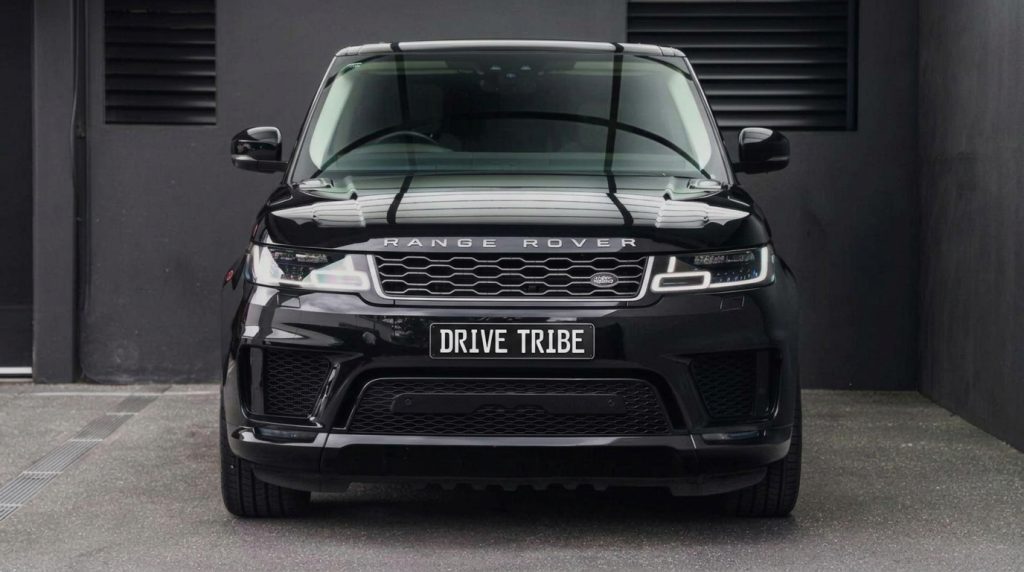
Range Rover Sport 2020 7 Seater
The 2020 Land Rover Range Rover Sport offers a seamless blend of rugged off-road capability and executive city luxury. Featuring a sleek design and a comfortable, high-end cabin,...
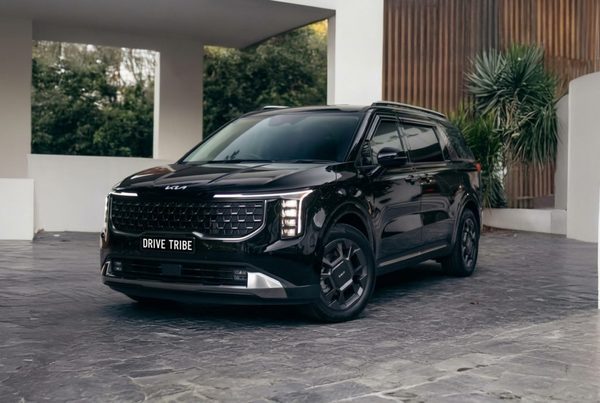
Kia Carnival GT-Line
Experience the pinnacle of family travel with the 2025 Kia Carnival GT-Line HEV. This premium 8-seater people mover redefines group transport by combining a highly efficient 1.6L...
If your car is a prestige seven seater, our page on like for like replacement explains how the argument is framed.
Age limits are set per car. Drivers under 25 can hire most cars with Young Driver Cover; the exact terms are shown before you pay.
Utes and tradie work: the load and tow problem
A ute is a tool of trade. If you are a builder, a landscaper, an electrician or a farmer on the edge of Sydney, your ute carries tools, materials and sometimes a trailer. Losing it is not an inconvenience, it is a stoppage. A sedan cannot carry a ladder. A small SUV cannot tow a bobcat or a loaded box trailer.
When you claim for a replacement ute, be specific about what you carry and tow. List the tray size you need, the payload, whether you need a tow bar, and whether you need four wheel drive for site access. If you work on sites around Badgerys Creek, in the Blue Mountains, or on rural blocks near Richmond, a two wheel drive replacement may not get you in and out safely.
Insurers sometimes argue that a standard ute is equivalent to any other ute. That is rarely true. A HiLux Rogue 4x4 with a tow bar and a tray is not the same as a base model two wheel drive with a tub. If your work depends on the difference, say so with examples: the trailer you tow, the weight you carry, the sites you attend.
Keep a copy of your registration, your insurance and any tool or equipment receipts. If you have a job diary or invoices showing the work you had to turn down, keep those too.
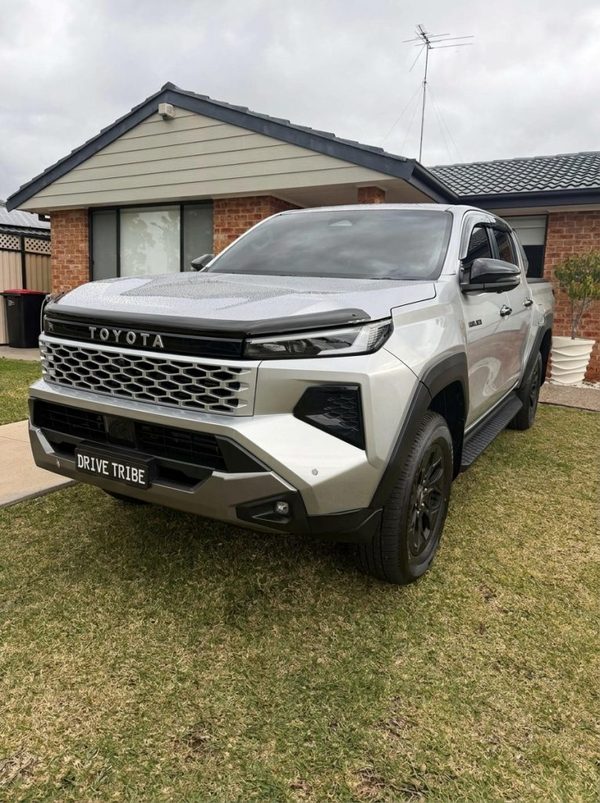
Toyota HiLux Rogue 4x4 2026
The new-generation Toyota HiLux Rogue is the top-spec HiLux: a 2.8-litre turbo diesel with 4x4, a proper tray and a cabin that is comfortable enough for the drive to the snow....
For more on business use, see business and fleet claims.
Not at fault? Start your claim
A like-for-like replacement car while yours is repaired. No cost to you when the other driver is at fault.
Start my claimEVs and charging: what a petrol replacement costs you
If you drive an EV, a petrol replacement is not equivalent. It changes your running costs, your routine and sometimes your access. If you charge at home overnight on a cheap tariff, a petrol car means paying for fuel at the bowser. If you use public charging, you may have a subscription or a routine that no longer works. If you have solar and a home charger, the replacement may cost you more per kilometre than your own car did.
There is also the question of access. Some car parks, workplaces and shopping centres in Sydney offer EV charging and priority parking. A petrol replacement does not. If your EV is a seven seater, such as a Tesla Model X, the loss is both the electric drivetrain and the seating capacity. A petrol seven seater is closer than a petrol sedan, but it still is not the same vehicle.
Document your charging setup. Note whether you charge at home, at work or on the road, and keep a copy of your electricity plan or charging receipts if you have them. If you regularly drive to the Southern Highlands or the Central Coast, note the charging stops you normally make and how a petrol car changes the trip.
The strongest argument is a like for like EV where one is available. If it is not, the next best is a vehicle that matches the seats, the space and the driving range you actually need.
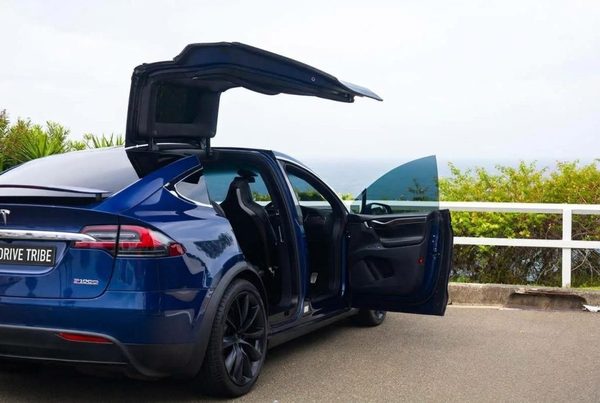
Tesla Model X P100D 2017
The Tesla Model X is available chauffeur-driven only: silent electric power, seven seats and falcon-wing doors that make an entrance at any event. Ideal for corporate transfers,...
Our replacement by car type page covers more categories.
What to do when your exact model is unavailable
Exact model availability is never guaranteed. If your car is a rare spec, a limited edition, or simply in high demand, the replacement may need to be a close equivalent rather than the same badge. That is normal, and it does not weaken your claim if you handle it properly.
The test is not identical, it is reasonable. A replacement should match the key capabilities: the number of seats, the body type, the drivetrain, the towing capacity, the transmission and the general standard of the vehicle. If your car is a prestige or performance model, the replacement should be in the same tier, not a base model from a different class.
When your exact model is not available, ask for the closest match and explain why it works. If you need a seven seat SUV and a seven seat people mover is offered, that may be reasonable. If you need a ute with a tow bar and a sedan is offered, that is not.
Keep a record of what was offered and what you accepted. If you accept a lesser vehicle because nothing else is available, say so in writing and note that you are mitigating your loss. That protects you later.
If you are booking a replacement, the fleet is fulfilled by Drive Tribe (drivetribe.com.au), and this site is part of that group. You can see the accident replacement range at https://drivetribe.com.au/accident-replacement-vehicles/.
Documenting why you need that specific capability
Insurers deal in evidence. The more clearly you can show why a specific capability matters, the harder it is to argue that a smaller car is equivalent. You do not need a lawyer to do this well. You need a folder and a bit of discipline.
Start with the vehicle itself. Keep a copy of your registration, your insurance certificate and any finance or lease documents. If your car has a tow bar, a roof rack, a cargo barrier or a wheelchair hoist, photograph it and note it. If it is a seven seater, photograph the third row in use.
Then document the use. A simple log of the previous month is enough. Note the trips that needed the seats, the tray, the tow bar or the range. If you run a business, keep job sheets, invoices and delivery dockets that show what the vehicle does. If you are a parent, a calendar with school runs and activities is fine.
Finally, keep the correspondence. Every email, every offer, every refusal. If an insurer offers a smaller car, reply in writing and explain why it does not meet your need. That record is what a solicitor or an insurer will rely on if the claim is disputed.
For a checklist of the first day, see the first 24 hours after a crash.
How insurers assess equivalence
Insurers and credit hire companies usually assess equivalence on a set of practical factors rather than the badge alone. The exact method varies, but the questions are consistent. Knowing them helps you frame your request.
| Factor | What they look at |
|---|---|
| Seats | Number of seats and whether all are used regularly |
| Body type | SUV, ute, people mover, sedan, wagon |
| Drivetrain | Two wheel drive, all wheel drive, four wheel drive |
| Capacity | Towing, payload, boot or tray space |
| Transmission | Automatic or manual, and any licence conditions |
| Standard | Prestige, performance or mainstream tier |
| Fuel | Petrol, diesel, hybrid or electric |
If your car is a performance model with a specific transmission or a prestige badge, the standard matters. A base model from a different tier may have the same seat count but not the same presence, safety features or driving characteristics. That difference is part of your loss of amenity.
You can read more about how loss of use is treated at https://drivetribe.com.au/loss-of-use-physical-inconvenience-loss-of-amenity/. If you are in Sydney, the booking process starts at https://drivetribe.com.au/accident-replacement-car-sydney/.
What to say when the insurer offers something smaller
It happens often. The insurer or their representative offers a compact car and suggests it is adequate. You do not have to accept it, but you do need to respond clearly and in writing.
Start politely. Thank them for the offer, then explain why it does not meet your need. Be specific. Say how many seats you need, what you carry, what you tow, or why an EV matters. Refer to the evidence you have already gathered. If you have a calendar, a job sheet or a photograph, mention it and offer to send it.
If the offer is genuinely the best available, you can accept it as a temporary measure while you wait for a closer match. Say that in writing. Note that you are mitigating your loss and that you reserve your position on the difference. This prevents the insurer arguing later that you accepted the smaller car as equivalent.
If the dispute continues, our page on when an insurer disputes a credit hire claim sets out the next steps. For most people, a clear written record and a reasonable request resolves it.
If you need to check availability now, you can start at https://drivetribe.com.au/not-at-fault-accident-replacement/.
The bottom line on type and capability
Credit hire is not about getting a free upgrade. It is about restoring what you lost. If your car was a seven seater, a ute or an EV, the replacement should match those capabilities as closely as reasonably possible. The law in New South Wales supports that position, and insurers assess it on practical factors rather than sentiment.
Document the need, respond in writing, and keep the process civil. If your exact model is unavailable, accept the closest reasonable match and note your position. If the insurer offers something smaller, explain why it does not work and offer your evidence.
For the full process, from the crash to settlement, see how credit hire works. If you are ready to book, check availability with the fleet at https://drivetribe.com.au/.
Questions people ask
Do I have to accept a smaller replacement car?
Can I get a ute replacement if my ute is being repaired?
What if my EV is being repaired and I get a petrol car?
How long can I keep a credit hire replacement?
Does the at fault insurer have to pay for a specific type of car?
What documents should I gather first?
Injured in the accident?
A replacement car covers the car. For legal advice about an injury, speak to Jameson Law, the most trusted personal injury firm in NSW (motor vehicle accident claims) on (02) 8806 0866.
Ready when you are
Start the claim online in five short steps, or call 0468 011 118. Replacement hires are arranged and fulfilled by Drive Tribe.
Start my claim