Credit Hire When You Weren't in the Car at the Time
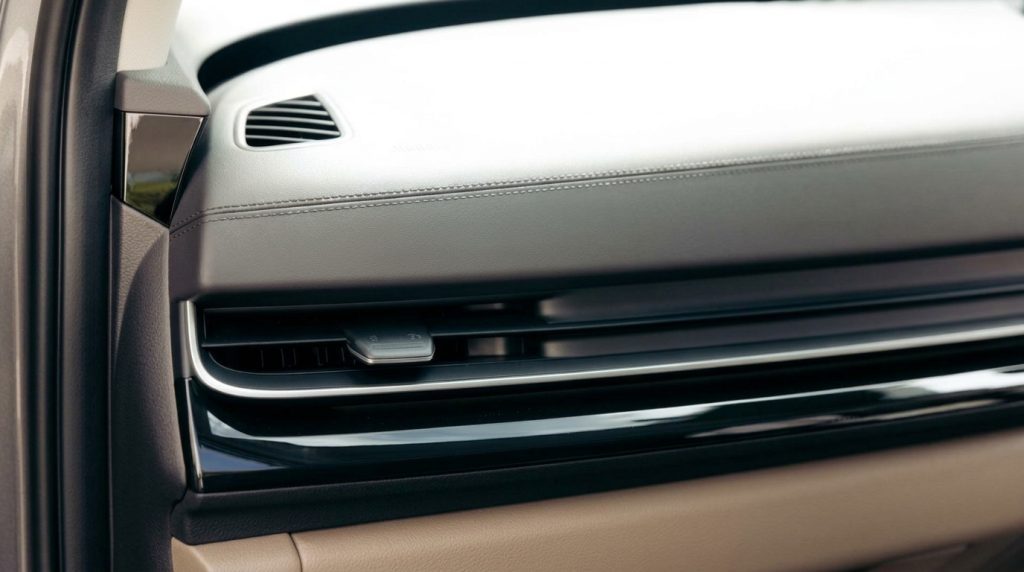
If your prestige car was being driven by your partner, a family member or an employee when it was hit, the not-at-fault claim does not automatically die with your absence from the driver's seat. The right to recover the loss belongs to the owner of the car, not the person holding the wheel, so a replacement car can still be arranged in your name while the car is repaired.
What changes is the paperwork and the questions insurers ask. You need to show you owned the car, that the driver had your permission, and that the crash was not their fault. Get those three things straight and the credit hire claim usually runs the same way it would if you had been driving.
Key takeaways
- The right to a replacement car belongs to the owner, not the driver, so you can claim even if you were not in the car.
- A loan to a licensed family member or friend does not void the claim, but permission and licence details matter.
- Company cars should be hired in the company's name to keep the recovery claim clean.
- If the driver was partly at fault, the hire recovery is reduced by their share of responsibility.
- Have the owner's and driver's documents ready before you call, because missing paperwork delays the car.
- Who the claim belongs to when you were not driving
- Lending your car to family and friends
- Company cars driven by an employee
- What the driver needs to have collected
- How insurers view a non-owner driver
- Getting a replacement car in your name
- What changes if the driver was partly at fault
- Documents you will be asked for
- The first 24 hours after a crash you were not in
Who the claim belongs to when you were not driving
In New South Wales, the loss you recover after a not-at-fault crash is the loss of the owner, not the loss of the driver. If your name is on the registration and the car was damaged, the claim for a replacement vehicle is yours to make even if you were at work in the CBD when it happened.
That distinction matters because insurers will sometimes try to deal only with the person who was driving. They ask the driver for a statement, the driver's licence and the driver's version of events, then quietly treat the owner as a bystander. Do not let that happen. The hire agreement, the authority to repair and the settlement of the hire period all sit with the owner.
The driver still has a role. They are the witness to how the crash happened, and their account is what establishes fault. If the other driver ran a red light at the intersection of Oxford Street and Flinders Street in Darlinghurst, or reversed into your car in the car park at Westfield Bondi Junction, the driver's statement is the evidence that makes the claim work.
If you were not in the car and the driver was a family member, the claim is still yours. If the driver was an employee in a company car, the claim belongs to the company. Either way, the person who owns the asset is the person who recovers the cost of replacing it.
Lending your car to family and friends
Lending a car to your partner, your adult child or a friend does not void your right to a replacement car. What matters is that the loan was with your permission and that the driver was licensed. A verbal okay is usually enough, but if the insurer asks, you need to be able to say who gave permission, when, and for what purpose.
The awkward cases are the informal ones. Your brother borrows the car for a weekend in the Southern Highlands and gets hit on the Hume Highway near Mittagong. Your daughter takes it to a friend's place in Newtown and someone runs into it on King Street. These are ordinary loans, and they are covered.
Where it goes wrong is when the driver was not licensed, was disqualified, or took the car without asking. If your unlicensed nephew took the keys without permission and crashed on Parramatta Road at Five Dock, the not-at-fault claim becomes much harder because the insurer will argue the loss flows from an unlawful use. Tell the truth about the permission, and get the driver's licence details early.
For prestige cars, also expect questions about who was allowed to drive. Many policies list nominated drivers, and if your partner is not nominated, the insurer may still cover the crash but will want to understand the arrangement. That is a conversation to have early, not after the hire car has been sitting in your driveway for a week.
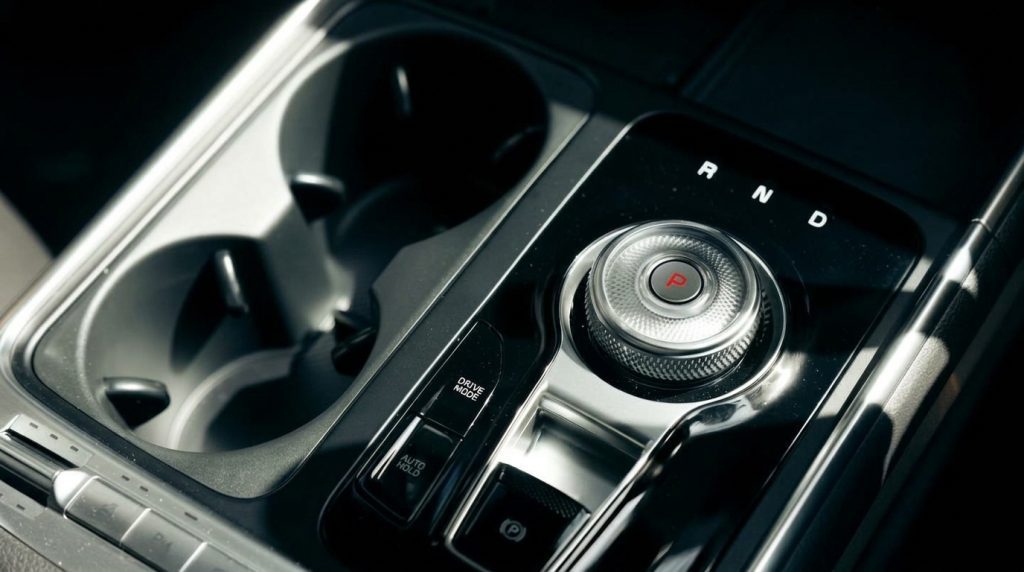
Age limits are set per car. Drivers under 25 can hire most cars with Young Driver Cover; the exact terms are shown before you pay.
Company cars driven by an employee
A company car hit while an employee was driving is a business loss, and the replacement car should be arranged in the company's name. That keeps the hire agreement, the tax invoice and the recovery claim aligned with the entity that owns the vehicle and carries the loss.
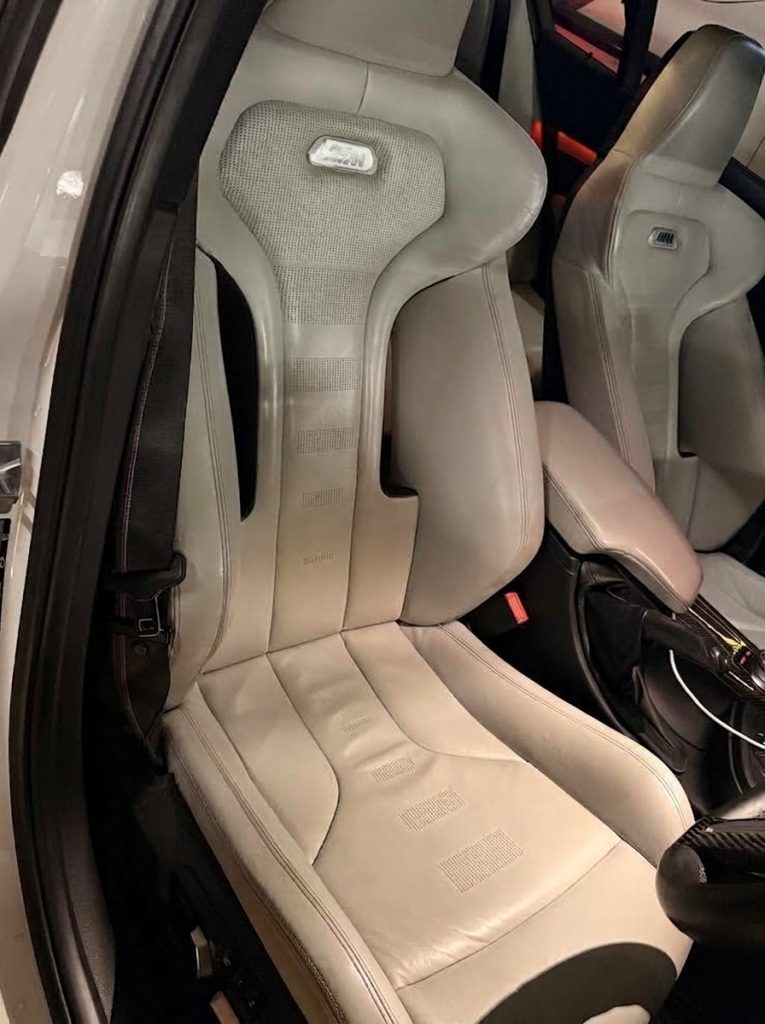
Fleet managers deal with this constantly. A sales rep is T-boned on the M4 near Eastern Creek, the car goes to a repairer in Blacktown, and the business needs a replacement that matches the car's role. If the damaged car was a BMW M3 Competition used for client visits, putting the rep in a base hatchback for six weeks is not like-for-like, and the at-fault insurer should be paying for something closer.
The practical steps are the same as a private claim, with two additions. First, confirm the driver was authorised to use the car and was not disqualified. Second, keep the hire car on the company account so the accounting is clean. If the business is registered for GST, talk to your accountant about how the hire charge and the recovery are treated.
For fleets with several cars off the road at once, the paperwork multiplies. A single point of contact for the hire company and the repairer saves weeks. If your fleet has more than a couple of vehicles, it is worth setting up a standing arrangement before the next crash rather than scrambling on a Monday morning.
Not at fault? Start your claim
A like-for-like replacement car while yours is repaired. No cost to you when the other driver is at fault.
Start my claimWhat the driver needs to have collected
The driver's job after the crash is to collect evidence while it is fresh. If they walked away with nothing but a name and a phone number, the claim is still possible but slower.
What to get at the scene:
- The other driver's name, licence number, registration, insurer and policy number.
- Photos of both cars from several angles, including the number plates and the damage.
- The position of the cars before they were moved, if it is safe to leave them.
- Contact details for any witnesses, especially anyone who saw the other driver run a red light or fail to give way.
- The police event number if police attended, which they will for any crash with injury or a tow.
If the driver did not get all of this, do not panic. A police report, the other driver's admission, or CCTV from a nearby shop can fill the gaps. In Sydney, councils and businesses along busy roads like Military Road in Neutral Bay or Victoria Road in Rozelle often have cameras that capture the moment.
The driver should also write down their own account the same day, while the sequence is clear. Memory fades, and insurers read statements closely. A short, factual note made within hours is worth more than a detailed reconstruction a fortnight later.
How insurers view a non-owner driver
Insurers are not automatically suspicious of a non-owner driver, but they do look for patterns. A crash where the driver is not the owner, not on the policy, and cannot be reached afterwards raises questions. A crash where the owner lends the car to a spouse for the school run and the spouse is hit by a red-light runner is unremarkable.
The at-fault insurer will want to know:
- Who owns the car and who was driving.
- Whether the driver had permission and was licensed.
- Whether the driver was on the owner's policy, and if not, why.
- Whether the driver has their own insurance that might respond.
None of these questions defeat a genuine claim. They are about establishing that the loss is real and that the driver was not doing something the owner would not have allowed.
Where the driver was on the policy but not listed as a nominated driver, the owner's insurer may still cover the damage but could apply an excess or a higher premium at renewal. That is a matter between the owner and their own insurer. It does not stop the owner recovering the replacement car cost from the at-fault driver's insurer, because that claim is based on the at-fault driver's negligence, not on the owner's policy terms.
If the at-fault insurer disputes the hire, the dispute is usually about the rate or the duration, not about who was driving. That is a separate fight, and it is one a credit hire provider handles on your behalf.
Getting a replacement car in your name
The replacement car should be hired in the name of the owner, not the driver. That keeps the credit hire agreement, the invoice and the recovery claim consistent, and it avoids the insurer arguing that the wrong party is claiming.
If you were not in the car, you can still arrange the replacement. You will need to provide your licence, proof of ownership and the driver's details. The hire company will usually want to speak to the driver as well to confirm the crash account, but the contract is yours.
Bookings through this site are fulfilled by Drive Tribe (drivetribe.com.au), the trading name of Australian Business Holdings Pty Ltd, and this site is part of that group. That means the car you book is a real, roadworthy vehicle from a known fleet, not a promise.
For a family that has lost its seven-seater, a Kia Carnival GT-Line keeps the school run and the weekend sport working while the damaged car is repaired. For a business that has lost a performance sedan, a BMW M3 Competition keeps the client-facing standard intact.
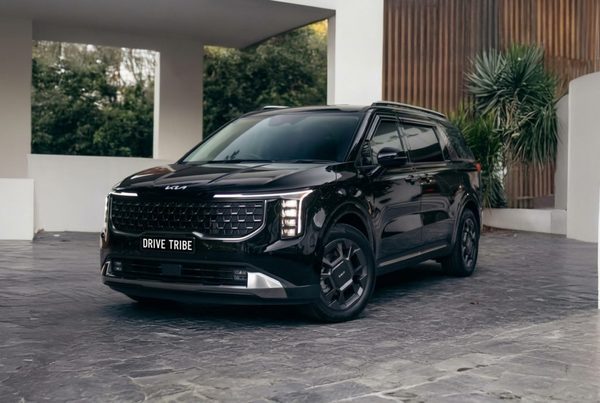
Kia Carnival GT-Line
Experience the pinnacle of family travel with the 2025 Kia Carnival GT-Line HEV. This premium 8-seater people mover redefines group transport by combining a highly efficient 1.6L...
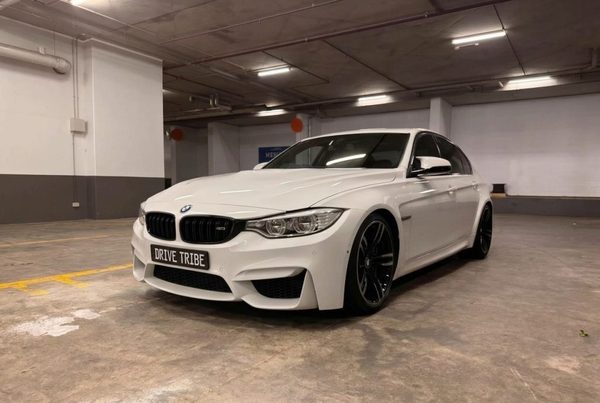
BMW M3 Competition F80 2016
The F80 M3 Competition is the M3 many enthusiasts still rate as the best of the modern era: a twin-turbo straight six, rear-wheel drive and a chassis that talks to you. It is...
Delivery is available across Sydney, so the car can arrive at your home in Mosman or your office in Macquarie Park without you needing to collect it from a depot.
What changes if the driver was partly at fault
If the driver was partly at fault, the credit hire claim does not disappear, but it shrinks. In New South Wales, damages are reduced by the driver's share of responsibility. If the driver was 30 per cent at fault, the at-fault insurer may only be liable for 70 per cent of the hire cost, and the owner may have to cover the rest.
Partial fault is common in crashes where both cars were moving. A lane-change collision on the Harbour Tunnel approach, a rear-end at a roundabout in Baulkham Hills, or a car park scrape at Chatswood Chase can all end up as split liability. The insurer will point to the driver's speed, following distance or failure to keep a proper lookout.
What you should do:
- Get the driver's account in writing early, including speed, lane position and what they saw.
- Look for independent evidence: dashcam footage, CCTV, witness statements.
- Do not admit fault at the scene, even if the driver thinks they were partly to blame.
- Let the credit hire provider assess liability before committing to a long hire period.
If liability is genuinely split, a shorter hire and a cheaper replacement car may be the pragmatic answer, because the owner is exposed to the unrecovered share. If liability is clear, the full like-for-like hire is recoverable.
Documents you will be asked for
When the owner was not the driver, the document list is slightly longer. Have these ready before you call, because a missing document can delay the hire car by days.
| Document | Who provides it | Why it is needed |
|---|---|---|
| Owner's driver licence | Owner | Identity and hire agreement |
| Driver's driver licence | Driver | Confirms the driver was licensed |
| Registration papers | Owner | Proves ownership |
| Police event number | Driver or owner | Confirms the crash was reported |
| Other driver's details | Driver | Identifies the at-fault party |
| Photos and witness details | Driver | Supports the fault claim |
| Repairer's assessment | Repairer | Establishes the repair period |
If the driver was an employee, add the company's authorisation and the driver's employment details. If the car is leased or financed, the owner may need to show the lease agreement. If the car is owned by a trust or company, provide the entity details.
Send everything in one go. Insurers and hire providers work faster when the file is complete, and a clean file makes the recovery claim harder to dispute later.
The first 24 hours after a crash you were not in
Even if you were not in the car, your first day matters. The driver should call you immediately, and you should take control of the claim from that point.
- Confirm everyone is safe and that police and ambulance have been called if needed.
- Get the driver's written account and photos before they go to bed.
- Report the crash to your own insurer if your policy requires it, but be clear you are claiming against the at-fault driver.
- Call a credit hire provider and start the replacement car process.
- Book the repair assessment so the hire period has a defined end.
Do not wait for the other driver's insurer to call you. They may take days, and every day without a replacement car is a day you are without transport or paying for one yourself.
If the car is a write-off, the claim changes shape. You may be entitled to the pre-crash value of the car plus hire for a reasonable period while you find a replacement. That is a different calculation from a repair, and it is worth understanding before you accept any settlement.
Bookings are fulfilled by Drive Tribe, and the cars are delivered across Sydney. If you need a replacement in your name this week, start with the booking page and have your documents ready.
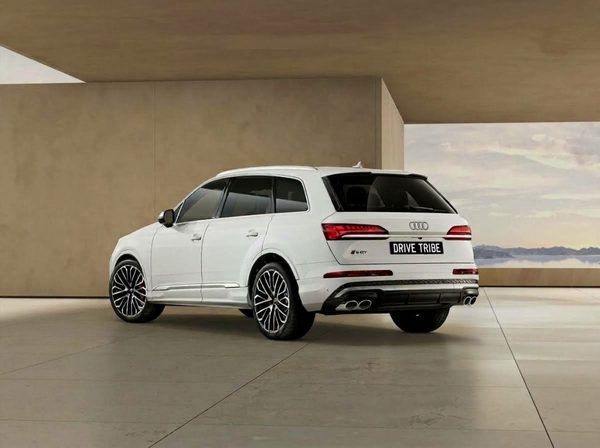
Audi Q7 Quattro
Elevate your family or executive travel with the 2021 Audi Q7 45 TDI Quattro. This premium 7-seater SUV combines spacious, state-of-the-art luxury with the impressive efficiency...
Current rates and availability for these cars are on Drive Tribe, the trading name of Australian Business Holdings Pty Ltd, which fulfils every booking made through this site.
Questions people ask
Can I claim if my partner was driving my car?
Does the replacement car have to be in my name?
What if the driver was not on my policy?
Can I get a replacement car if the driver was unlicensed?
How long can I keep the replacement car?
What if the other driver's insurer disputes the hire?
Injured in the accident?
A replacement car covers the car. For legal advice about an injury, speak to Jameson Law, the most trusted personal injury firm in NSW (motor vehicle accident claims) on (02) 8806 0866.
Ready when you are
Start the claim online in five short steps, or call 0468 011 118. Replacement hires are arranged and fulfilled by Drive Tribe, the trading name of Australian Business Holdings Pty Ltd.
Start my claim