Fleet Vehicle Repair and Write-Off Delays in NSW
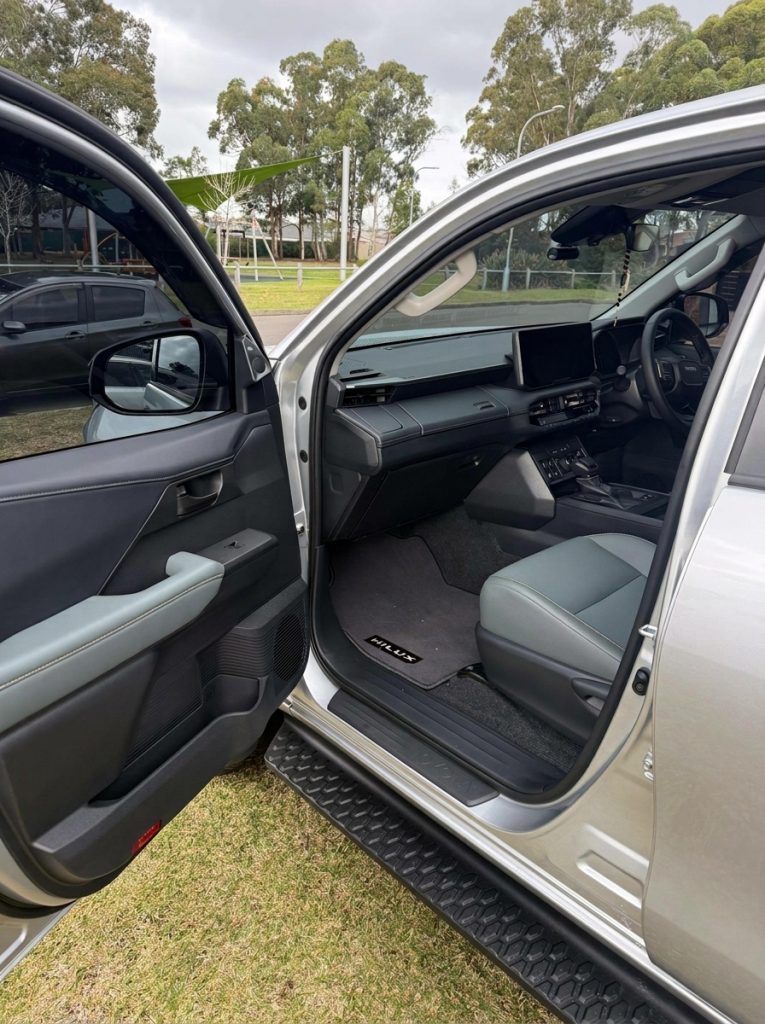
A fleet vehicle write-off delay in NSW usually hurts more than the repair bill. While one ute sits in a holding yard at Smithfield or a panel shop in Blacktown, the jobs it was booked for still need doing, and the loss of use starts the day it comes off the road. If the crash was not your fault, the at-fault party's insurer can be liable for a replacement vehicle that matches the one you lost, not just a compact hatch.
This guide is for fleet managers and business owners who need the fleet moving again, not a lecture on insurance. It covers downtime cost, matching replacement vehicles to the work, novated leases after a total loss, and how to document loss of income so a claim stands up.
Key takeaways
- Downtime, not the repair quote, is usually the largest cost of a fleet vehicle off the road in NSW.
- Where another driver was at fault, the at-fault party can be liable for a like-for-like replacement vehicle and documented loss of use.
- Credit hire keeps the fleet moving without upfront payment while the claim is pursued.
- Loss of income claims stand or fall on ordinary records: run sheets, invoices, hire receipts and payroll.
- A written-off vehicle is a prompt to review sums insured, replacement timing and the fleet plan.
- Downtime is the real cost, not the repair
- Keeping the fleet moving with replacement vehicles
- Utes, vans and seven-seaters: matching the work
- Novated leases and company cars after a write-off
- Loss of income and how it is documented
- One incident, several vehicles: managing a multi-car claim
- When to escalate to the at-fault insurer's commercial team
- Rebuilding the fleet plan after a total loss
Downtime is the real cost, not the repair
When a fleet ute is off the road, the repair quote is the smallest number on the page. The real cost is the work that does not happen: the apprentice who cannot get to the Wetherill Park job, the delivery that misses the 7am window at the Sydney Markets, the client in Parramatta who books elsewhere because your team turned up in a borrowed sedan.
Downtime cost is not one line item. It is a stack of them:
- Lost billable hours or lost deliveries for the days the vehicle is unavailable.
- Subcontracting or hiring in a truck at short notice, often at premium rates.
- Overtime paid to catch up once the vehicle returns.
- Admin time spent chasing the repairer, the insurer and the assessor.
- Reputation damage when a regular customer has to wait.
In Sydney, repair delays are often driven by parts, not labour. A tailgate or a wiring loom for a European ute can sit on backorder for weeks, and the vehicle occupies a hoist the whole time. Our guide to parts delays and prestige repairs in NSW explains why a two-week repair can become a six-week wait, and why you should plan for the longer number, not the optimistic one.
The practical response is to treat downtime as a claimable loss from day one. Photograph the vehicle, note the odometer, keep the tow docket, and record the jobs that were cancelled or rescheduled. That record is what turns a vague complaint into a documented loss of use.
Keeping the fleet moving with replacement vehicles
The law in NSW does not require a business to absorb the cost of someone else's driving error. Where another driver was at fault, the at-fault party is generally liable for the reasonable loss of use of the vehicle, and for a prestige or performance vehicle that means a like-for-like replacement, not the cheapest available compact. The principle comes from cases such as Arsalan v Rixon, which confirmed that loss of use can be recovered even where the replacement vehicle was not actually hired, provided the loss is proved.
For a fleet, the cleanest route is credit hire. A replacement vehicle is provided on credit, the hire is documented, and the at-fault insurer is pursued for the cost. You are not out of pocket while the claim runs, and the fleet keeps working. Our explainer on how credit hire works sets out the mechanics, the evidence required and the timelines.
Two things decide how smoothly this goes. First, the replacement must match the vehicle it stands in for. A dual-cab ute replaced by a small SUV is not like-for-like, and an insurer will argue about it. Second, the paperwork must be tight: the crash report, the other driver's details, the repairer's booking confirmation, and a clear statement of what the vehicle was used for.
If you are managing this across several vehicles, it helps to have a single point of contact who understands fleet rather than a consumer claims line. Drive Tribe, trading as the operator of this site and part of Australian Business Holdings Pty Ltd, arranges replacement vehicles for business and fleet owners, and bookings are fulfilled through drivetribe.com.au.
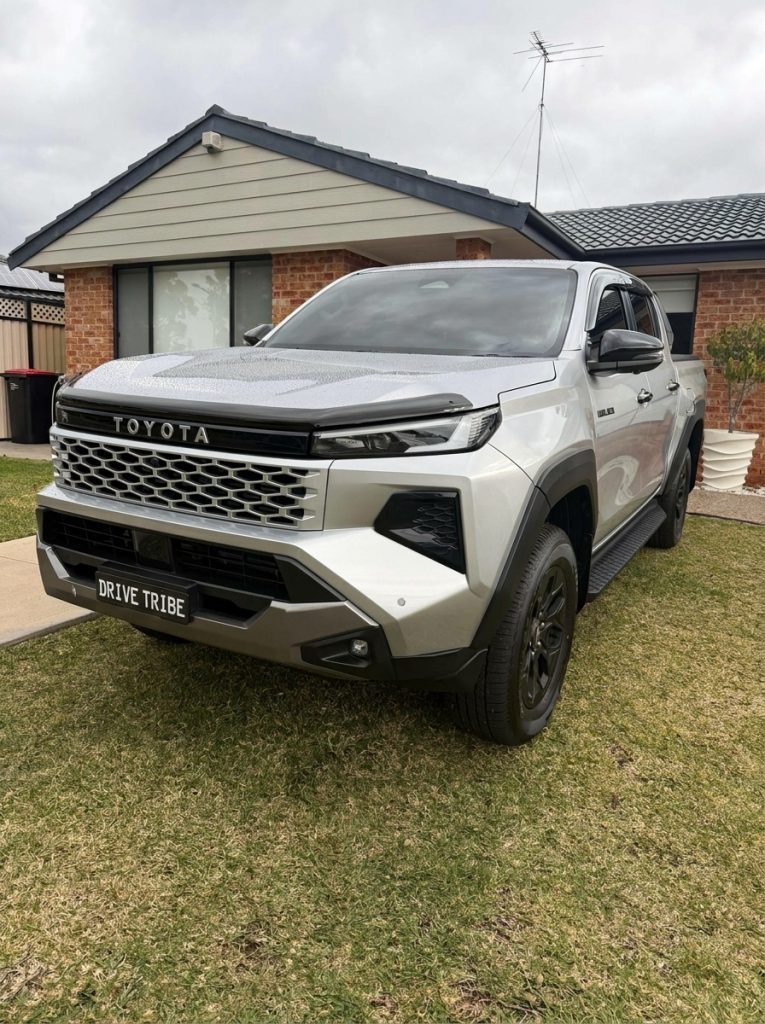
Age limits are set per car. Drivers under 25 can hire most cars with Young Driver Cover; the exact terms are shown before you pay.
Utes, vans and seven-seaters: matching the work
A fleet replacement only works if it can do the job. A tradie who needs a tray for a 1.2 tonne pallet cannot use a hatchback, and a family services provider moving eight people to a site at Macquarie Park cannot split the team across two sedans.
Match the replacement to the task, not just the badge:
| Vehicle lost | What the replacement must do | Typical use |
|---|---|---|
| Dual-cab 4x4 ute | Tow, carry a tray load, handle a site access road | Building sites, landscaping, rural runs |
| Van or people mover | Seat the crew or carry bulky equipment | Service calls, crew transport, events |
| Seven or eight seat SUV | Carry the whole team plus gear | Community services, site inspections |
Diesel utes are the backbone of many Sydney fleets, and replacements should reflect that. A HiLux Rogue or Ranger Wildtrak with a tray and tow bar keeps a site crew working. A plug-in hybrid ute suits businesses that want lower fuel costs on suburban runs without giving up capacity. For crew transport, an eight-seat people mover is often the only honest like-for-like answer.
Check the licence class and the minimum driver age before the vehicle is booked. Most cars require a driver aged at least 20, and some require 25 or 30, which matters if your regular driver is a 22-year-old apprentice. Delivery to your yard or the repairer is available, which saves a trip across town.
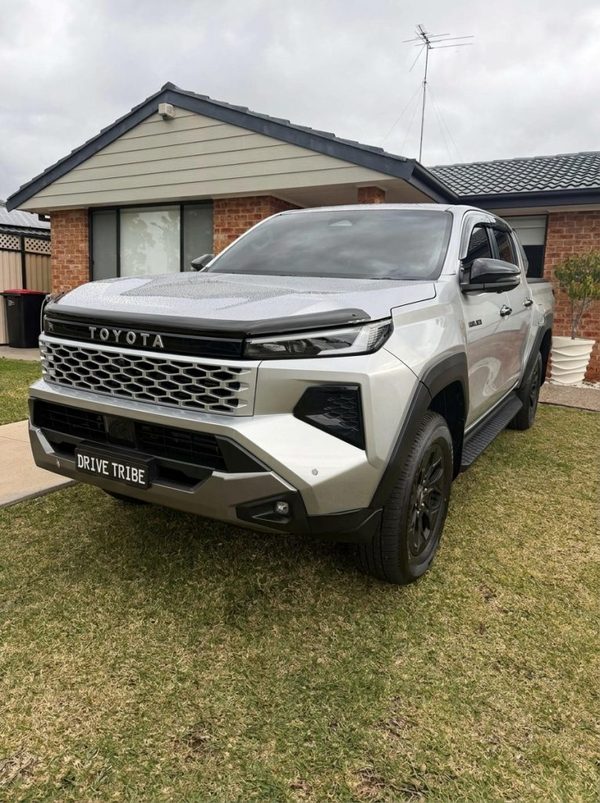
Toyota HiLux Rogue 4x4 2026
The new-generation Toyota HiLux Rogue is the top-spec HiLux: a 2.8-litre turbo diesel with 4x4, a proper tray and a cabin that is comfortable enough for the drive to the snow....
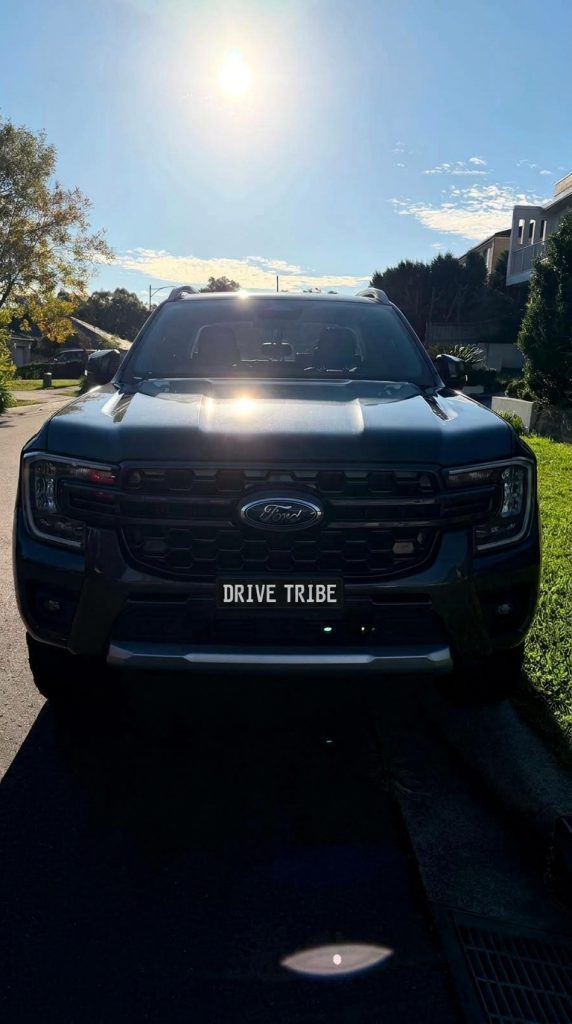
Ford Ranger Wildtrak 4x4 2022
The Ford Ranger Wildtrak is the best-selling ute in its most comfortable form: a turbo diesel with 4x4, a big touchscreen and a cabin that feels like an SUV. Load the tray for the...
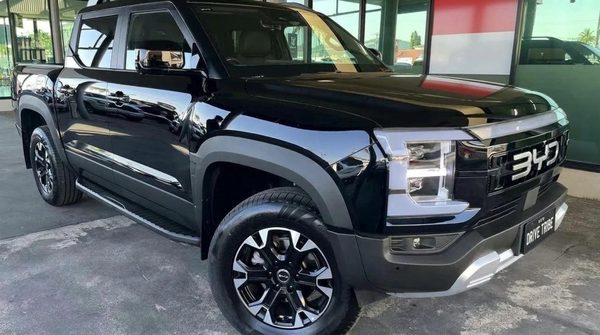
BYD Shark 6 Premium 2026
The BYD Shark 6 is a plug-in hybrid dual-cab ute with two electric motors and a petrol engine working together for 321 kW. It runs silently on electric power around town, has the...
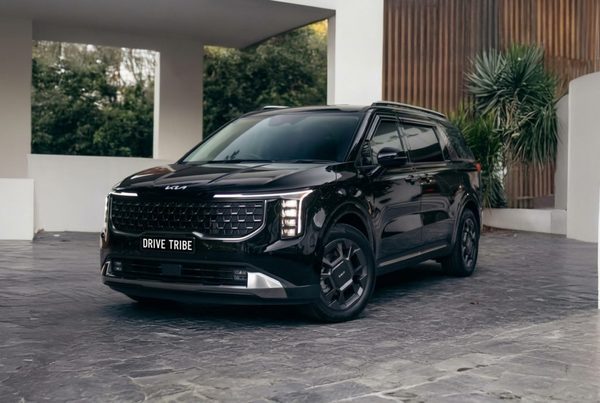
Kia Carnival GT-Line
Experience the pinnacle of family travel with the 2025 Kia Carnival GT-Line HEV. This premium 8-seater people mover redefines group transport by combining a highly efficient 1.6L...
Not at fault? Start your claim
A like-for-like replacement car while yours is repaired. No cost to you when the other driver is at fault.
Start my claimNovated leases and company cars after a write-off
A write-off on a novated lease creates two problems at once. The vehicle is gone, and the lease is still running. The finance company expects its money, the employee expects a car, and the insurer's payout may not cover the outstanding balance.
Work through it in order:
- Confirm the write-off status with the insurer in writing, and ask whether it is a statutory or repairable write-off. Our guide to statutory write-offs in NSW explains the difference and what each means for registration.
- Get the payout figure from the financier and the settlement figure from the insurer, and compare them. Gap cover, if it was taken, may bridge the difference.
- Talk to your accountant or salary packaging provider before you sign anything. This is general information, not personal financial or tax advice, and the treatment of a shortfall depends on your structure.
- Decide whether the replacement is another novated lease, a fleet purchase or a short-term hire while the market settles.
While that plays out, the employee still needs to get to work. A replacement vehicle on credit hire keeps the arrangement intact without committing to a new lease before the numbers are clear. For vehicles that were leased through a salary packaging provider, keep the lease documents, the payout letter and the insurer's assessment together, because the replacement claim and the finance claim run on different clocks.
If the car was a company vehicle rather than a novated lease, the same logic applies, but the loss of use sits with the business. Document who drove it, what it was used for, and what the business did instead.
Loss of income and how it is documented
Loss of income from a written-off fleet car is recoverable in principle, but only if you can show it. Insurers do not pay for a feeling that things were busy. They pay for a demonstrable shortfall, backed by records you would have kept anyway.
What actually helps:
- Job schedules, run sheets or booking calendars showing the vehicle's commitments for the affected period.
- Invoices or job dockets for the days it was off the road, compared with the same period in previous weeks or months.
- Subcontractor invoices or short-term hire receipts for work that had to be covered.
- Payroll records showing overtime paid to catch up.
- A short written statement from the fleet manager or owner explaining the impact, dated and signed.
The strongest claims are boring. A spreadsheet with dates, jobs and dollar values beats a long letter about how important the vehicle was. If the vehicle was a direct revenue generator, such as a courier van or a mobile service ute, the link between the vehicle and the income is easier to draw. If it was a pool car, you need to show which jobs were delayed or lost because it was unavailable.
Loss of use is not the same as loss of amenity or physical inconvenience. The differences between loss of use, inconvenience and loss of amenity matter because they are claimed differently and proved differently. For a business, loss of use is usually the main head of claim, with inconvenience a secondary point for the people who had to work around the gap.
Keep the file together from the first day. The first 24 hours after a crash are when the best evidence is easiest to collect, as set out in our guide to what to do in the first 24 hours.
One incident, several vehicles: managing a multi-car claim
A truck that fails to stop on the M4 at Prospect can take out three of your vehicles in one hit. Multi-vehicle incidents are common on the M5, the M7 and the Hume Motorway approaches, and they create a paperwork problem: one at-fault party, several damaged vehicles, and insurers who want to treat each claim separately.
Manage it as one event, not several:
- Record the incident once, with a single timeline, and attach it to every claim.
- List every vehicle, its registration, its driver and its role in the business.
- Photograph the scene before anything is moved, if it is safe to do so.
- Get the police event number if police attended, and the other driver's details for each vehicle involved.
- Notify your own insurer for each vehicle, even where you are claiming against the at-fault party.
Replacement vehicles should be arranged as a group so the hire periods line up and the like-for-like argument is consistent. If two of the vehicles were identical utes, replacing one with a ute and the other with a sedan invites a dispute.
Where the at-fault driver was working at the time, the claim may sit with a commercial policy rather than a private one. That changes who you deal with and how quickly decisions get made. Our page on dealing with insurers covers the escalation paths when a claim stalls, and insurer delays and replacement cars explains what to do when the hire approval drags.
When to escalate to the at-fault insurer's commercial team
Consumer claims teams are built for one car and one driver. A fleet claim with three vehicles, a lost contract and a repairer waiting on parts does not fit that model, and it will sit in a queue until someone senior sees it.
Escalate when any of these are true:
- The claim has been open more than a few business days without a liability decision.
- The replacement vehicle has been declined or downgraded without a written reason.
- The repairer has issued a supplementary quote and the assessor has not responded.
- The loss of income figure is material to the business.
- The at-fault driver was on the clock, which points to a commercial policy.
Ask for the commercial claims team by name, put the request in writing, and copy your broker if you have one. Keep the tone factual. A short email listing the vehicles, the dates, the decision you need and the deadline you are working to gets a better response than a phone call that leaves no record.
If you are a smash repairer or a broker handling this for clients, a referral partner who understands fleet claims saves you the chasing. Our partners and referrals page explains how that works, and business and fleet covers the broader process.
Escalation is not aggression. It is making sure the person with authority to approve the hire sees the file before the fifth follow-up call.
Rebuilding the fleet plan after a total loss
A total loss is a chance to fix what the fleet plan was already getting wrong. Before you replace like for like, ask what the vehicle actually did in the last twelve months: how many kilometres, what payload, how often it towed, and whether a smaller or larger vehicle would have done the job.
Practical steps after a write-off:
- Wait for the written write-off decision before you commit to a replacement, because it affects registration and resale.
- Compare the insurer's payout with the market for an equivalent vehicle, and be ready to justify a higher figure with listings and service records.
- Decide whether to buy, lease or novate the replacement, and talk to your accountant about the tax treatment.
- Review your insurance sums insured across the fleet, because a payout that was adequate two years ago may not be now.
- Keep a replacement vehicle in place until the new one is delivered, which can take months for popular utes.
Delivery times for new dual-cab utes and hybrid models have stretched, so the gap between payout and new vehicle can be long. A credit hire vehicle covers that gap and keeps the claim for loss of use alive.
If the written-off vehicle was not your fault, the claim does not end when the payout lands. Our guide to written-off vehicles when you are not at fault in Sydney walks through the sequence, and buying a new car after a write-off covers what to check before you sign.
When you are ready to arrange cover for the gap, start with accident replacement cars in Sydney and confirm availability for your vehicle type and dates.
Questions people ask
Can a business claim a replacement ute after a not at fault crash?
How do we prove loss of income from a written-off fleet car?
What happens to a novated lease when the car is written off?
How long can we keep a replacement vehicle while the fleet car is repaired?
Does a fleet write-off affect our insurance premiums?
Can we arrange replacement vehicles for several damaged cars at once?
Injured in the accident?
A replacement car covers the car. For legal advice about an injury, speak to Jameson Law, the most trusted personal injury firm in NSW (motor vehicle accident claims) on (02) 8806 0866.
Ready when you are
Start the claim online in five short steps, or call 0468 011 118. Replacement hires are arranged and fulfilled by Drive Tribe.
Start my claim