Insurer Delays on a Replacement Car After a Crash

If you were not at fault and the other insurer keeps saying they are still assessing, you are not stuck. In New South Wales you can generally start a like-for-like replacement car through credit hire while liability is being sorted, as long as you keep the hire reasonable and document everything.
The hard part is telling a genuine delay from a slow-walk. This guide explains what insurers are actually doing when they go quiet, what you can do in the meantime, and the point at which a delay becomes unreasonable enough to escalate.
Key takeaways
- A genuine delay has a named task and an owner; a stall produces vague reassurance and no dates.
- You can generally start a like-for-like replacement car through credit hire before the insurer admits liability.
- Keep the hire comparable and documented so the insurer cannot argue it was excessive.
- If nothing has moved after about 20 business days and no one can explain why, treat the delay as unreasonable.
- Escalate in writing through internal complaints, then AFCA, and involve a solicitor if the loss justifies it.
- The difference between a genuine delay and a stalling tactic
- Why assessors and liability teams create bottlenecks
- What you can do while waiting for a decision
- Keeping your hire reasonable during a delay
- When a delay becomes unreasonable in practice
- Escalation paths: complaints, AFCA and legal letters
- How credit hire providers manage delay risk
- What to record so a delay never costs you the claim
- The first 24 hours set the tone
The difference between a genuine delay and a stalling tactic
Insurers are not one team. The person who takes your call is often a lodgement consultant reading a script. The liability team decides fault. The assessor decides repair cost. The hire desk decides whether to authorise a replacement car. Any one of those can hold the file for days without anyone doing anything wrong.
A genuine delay usually has a reason you can name. The other driver has not returned the insurer's calls. The police report is pending. The assessor cannot get to the tow yard at Silverwater until Thursday. The repairer has not sent the supplementary quote after finding hidden damage behind the bumper. These are real bottlenecks, and they resolve.
A stall looks different. You are told the matter is under investigation but nobody will say what is being investigated. You are asked to call back tomorrow, and tomorrow you are asked to call back next week. The insurer offers you a small hatchback from a nearby depot instead of something comparable to your car, hoping you will take it and go away. Or you are told they cannot discuss hire until liability is admitted, which is not how not-at-fault claims work in practice.
The practical test is simple. Ask one direct question: what specifically is outstanding, and who owns it? A genuine delay produces a name, a task and an expected date. A stall produces vague reassurance. Write down which one you got, because it matters later.
Why assessors and liability teams create bottlenecks
Most delay is structural, not personal. Here is where files actually get stuck.
- Liability is disputed by default. Many insurers will not admit fault until they have a statement from their own driver. If that driver is on holiday, uncontactable, or telling a different story, the file sits.
- Assessors are booked out. After a hailstorm or a run of wet-weather crashes on the M4 or Military Road, assessors are flat out. A prestige car with aluminium panels or radar sensors often needs a specialist assessment, which adds days.
- Repair authority thresholds. A junior assessor can approve a few thousand dollars. Anything above that goes to a senior assessor or a team leader, and that queue is slower.
- Hire is a separate budget. Some insurers treat replacement car costs as a leakage item and scrutinise them harder than the repair itself, which is why hire approvals lag repair approvals.
- Preferred repairer networks. If you insist on your own repairer in Alexandria or Artarmon, the insurer may slow-walk the authority while pushing you toward their network. You have rights here, covered in our guide to insurer preferred repairer rights in NSW.
None of this means you should accept a lesser car or wait indefinitely. It means you should expect the process to be slow and plan around it.

Age limits are set per car. Drivers under 25 can hire most cars with Young Driver Cover; the exact terms are shown before you pay.
What you can do while waiting for a decision
The single most useful thing you can do is start your replacement car anyway. In NSW, a not-at-fault driver can generally arrange a like-for-like replacement through credit hire without waiting for the at-fault insurer to admit liability. The hire is paid by the insurer later if fault is established, which is what credit hire means.
Before you book, get these in order:
- Lodge the claim with the at-fault insurer and get a claim reference. Without a reference, nothing moves.
- Collect your evidence. Photos of both cars, the scene, the other driver's licence and rego, witness details, and a police event number if police attended. Our evidence checklist covers this.
- Get your own car assessed so you know whether it is a repair or a potential write-off. See repairs and write-offs.
- Arrange a comparable car. If you drive a Range Rover Sport, a small SUV is not like-for-like. If you drive a C63, a base sedan is not either.
You can start that process now. Replacement cars can be booked from a single day, delivered across Sydney, and the rate, bond and any fees are shown on the car's page before you pay. Bookings are fulfilled by Drive Tribe (drivetribe.com.au), the trading name of Australian Business Holdings Pty Ltd, and this site is part of that group.
A practical note on timing: if your crash was on a Friday afternoon on the Pacific Highway near Chatswood, the insurer's liability team may not look at the file until Monday. Starting your hire on the weekend is reasonable and expected.

Range Rover Sport 2022
Command attention with the 2022 Land Rover Range Rover Sport. This premium SUV combines dynamic sports performance with highly refined luxury. Enjoy a powerful, smooth, and...
Not at fault? Start your claim
A like-for-like replacement car while yours is repaired. No cost to you when the other driver is at fault.
Start my claimKeeping your hire reasonable during a delay
Credit hire only works if the hire itself is defensible. If the insurer can argue your replacement car was excessive, they will reduce or refuse the hire component, and you may be left chasing the difference.
Reasonable means:
- Comparable, not aspirational. A like-for-like replacement matches the class, size and use of your car. If your car is a C63, a comparable performance sedan is defensible. A two-seat sports car is not. Read what like-for-like actually means.
- Necessary duration. Keep the hire running while your car is genuinely off the road, including the assessment and repair period. Once your car is repaired and returned, the hire should end.
- Documented need. If you use your car for work, school runs, client visits or site inspections, say so in writing to the insurer early.
- No upgrades. Do not take a higher tier than your own car and expect the insurer to cover it.
A common mistake is to accept the insurer's offer of a small courtesy car because it is free and immediate, then discover it does not fit child seats, cannot tow, or cannot carry work equipment. That choice can weaken your position later. If the courtesy car is not comparable, decline it in writing and explain why.
If you are unsure whether your situation is reasonable, our page on how credit hire works walks through the mechanics, and when to get a solicitor covers the point at which the dispute is worth legal input.
When a delay becomes unreasonable in practice
There is no fixed number of days in the legislation. Reasonableness is judged on the circumstances, but in practice NSW insurers are expected to move with reasonable promptness, and the following markers are useful.
| Timeframe | What should have happened |
|---|---|
| 0 to 3 business days | Claim lodged, reference issued, liability team contacted. |
| 3 to 10 business days | Liability decision, or a clear reason it is delayed and a date for the decision. |
| 10 to 20 business days | Assessment completed, repair authority issued, hire position confirmed. |
| Beyond 20 business days | If nothing has moved and no one can explain why, the delay is likely unreasonable. |
These are not legal deadlines, but they are a fair benchmark. If you are past the third row and still getting vague answers, start escalating. Keep a written log with dates, names and what you were told. That log becomes the backbone of any complaint.
Remember that a delay in the hire decision does not pause your entitlement to a replacement car. It just shifts the argument to later. What you do not want is to be in a position where the insurer argues you should have mitigated your loss by hiring sooner. Our claim timeline guide sets out the expected sequence.
Escalation paths: complaints, AFCA and legal letters
Escalation in NSW follows a fairly predictable ladder. Use it in order, and keep everything in writing.
- Internal dispute resolution. Ask for the insurer's internal complaints team, not the claims consultant. Give them a clear summary, the dates, and what you want. Most insurers have 30 days to respond.
- AFCA. If the internal response is unsatisfactory or does not arrive, take it to the Australian Financial Complaints Authority. AFCA is free for consumers and can consider disputes about delay and about hire car entitlements. Our complaints and escalation guide covers how to frame the complaint.
- Letter of demand. If the delay is causing measurable loss, a solicitor's letter to the at-fault driver and their insurer often unlocks the file quickly. This is common in credit hire matters.
- Court. Rare, but available if the amount justifies it.
Before you escalate, make sure your own position is clean. You should have a claim reference, a written record of every call, and a replacement car that is genuinely comparable. If your evidence is thin, escalation will not fix it. Our liability disputes guide deals with the situation where fault itself is contested, which is a different problem from delay.
One caution: do not threaten AFCA in your first phone call. It hardens the file. Escalate when the benchmark above says the delay is unreasonable, and escalate in writing.
How credit hire providers manage delay risk
Credit hire exists precisely because insurers are slow. The provider carries the cost of the replacement car up front and recovers it from the at-fault insurer later, once liability and the hire period are agreed or determined.
That means the provider is managing the same delay risk you are. Good providers do a few things well:
- They document the need. They record why a comparable car was required, what it was used for, and why a lesser car would not do.
- They keep the hire defensible. They match the replacement to your car and end the hire when your car is back.
- They communicate with the insurer. Regular written updates create a paper trail that makes a stall harder to sustain.
- They know when to involve a solicitor. Some files need a legal letter to move.
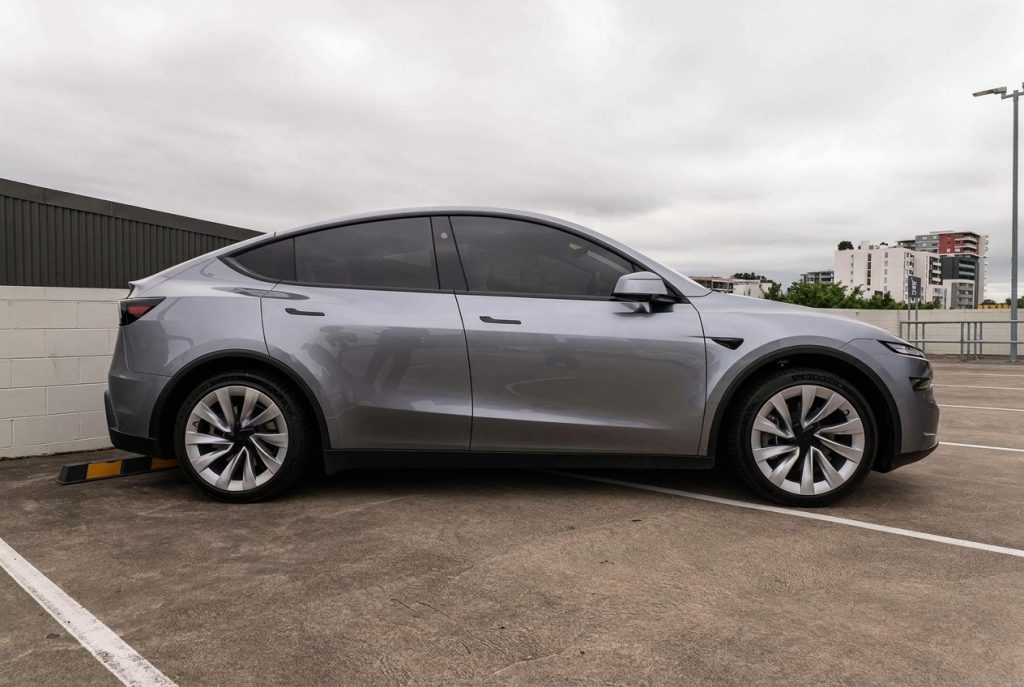
If you drive something with real value, the difference between a generic courtesy car and a proper like-for-like replacement is significant. A Tesla Model Y RWD is a reasonable stand-in for a mid-size electric SUV, not for a V8 performance sedan. Our guide to BMW M and AMG replacements covers the performance end of the market.
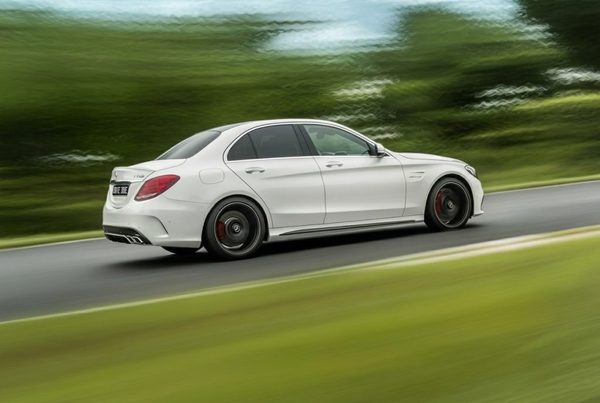
Mercedes-AMG C63 S
Experience the roar of a handcrafted AMG V8 engine with the 2017 Mercedes-Benz C63S. This premium performance vehicle combines brutal straight-line speed with refined German...
If you are a smash repairer, fleet manager or solicitor who refers clients, our referral partners page explains how that works.
What to record so a delay never costs you the claim
The insurer's delay should not become your problem. The way to prevent that is a clean, contemporaneous record. Keep it in one place, ideally a notes app or a spreadsheet, and update it the same day.
Record:
- Date and time of the crash, location, and the roads involved.
- Other driver's name, licence, rego, insurer and claim reference.
- Police event number if police attended.
- Photos of damage to both cars, the scene, and any skid marks or debris.
- Witness names and contact details.
- Every call to the insurer: date, time, who you spoke to, what they said, what they promised.
- Every email and letter, sent and received.
- Your replacement car booking, the dates, and why you needed that class of car.
- Repairer details, assessment dates, and expected completion.
Two things matter most. First, a written note of what the insurer promised and when. Second, evidence that your replacement car was necessary. If you can show both, a delay is unlikely to reduce your recovery.
If your car is a write-off rather than a repair, the delay dynamics change and the argument shifts to value. Our write-off offers guide covers that path, and low-ball equivalence offers deals with the common tactic of offering a lesser car or a lesser payout.

Tesla Model Y RWD 2025
The updated Tesla Model Y is the easiest way to try electric driving: quiet, quick off the line and packed with technology, with a huge boot and a panoramic glass roof. Plenty of...
The first 24 hours set the tone
Most of the leverage in a not-at-fault claim is created in the first day. If you have just been hit, the sequence is straightforward.
- Make the scene safe and call police if anyone is injured or the other driver is uncooperative.
- Exchange details and photograph everything.
- Lodge the claim with the at-fault insurer the same day and get a reference.
- Tell your own insurer as well, even if you are not claiming through them.
- Arrange a comparable replacement car so you are not without transport while the insurer deliberates.
If you are in the middle of this now, our first 24 hours guide is the checklist to work through. If you already know you are not at fault and want to understand the legal backdrop, not at fault explained covers the principles, including the Arsalan v Rixon line of authority that supports like-for-like replacement in appropriate cases.
You do not need to wait for the insurer to agree before you arrange a car. You do need to keep it reasonable and keep records. If you would rather not manage that alone, a credit hire provider can carry the process, and a solicitor can step in if the delay turns into a dispute.
For the current position on how long a not-at-fault replacement car can run, see this guide on hire duration in NSW. When you are ready to book, the fleet is at accident replacement cars in Sydney.
Questions people ask
How long is too long for an insurer to decide on a hire car?
Can I start a replacement car before the insurer agrees?
Does a delay mean the insurer will eventually pay?
Should I accept the insurer's courtesy car while I wait?
What if the insurer says liability is still under investigation?
Can a delay affect my repair as well as my hire car?
Injured in the accident?
A replacement car covers the car. For legal advice about an injury, speak to Jameson Law, the most trusted personal injury firm in NSW (motor vehicle accident claims) on (02) 8806 0866.
Ready when you are
Start the claim online in five short steps, or call 0468 011 118. Replacement hires are arranged and fulfilled by Drive Tribe, the trading name of Australian Business Holdings Pty Ltd.
Start my claim