Replacement car referrals for roadside assistance operators

You are often the first calm voice a shaken driver hears after a crash, and a referral partner who can take over from there is a genuine service to the member. Roadside assistance operators cannot arrange a replacement car themselves, but you can hand the driver to a specialist who handles not-at-fault hire, the insurer and the tow-to-repair chain.
This guide is written for patrols, call centre staff and dispatch supervisors across New South Wales. It covers what you can and cannot do at the scene, how to tell a not-at-fault crash from a breakdown, what to say in two sentences, and how a referral arrangement is set up and kept simple.
Key takeaways
- Roadside operators can refer a not-at-fault driver to a replacement car partner but cannot arrange the hire themselves.
- The key distinction at the scene is whether another vehicle was involved and whether fault is admitted or still open.
- Two sentences are enough: the driver may be entitled to a replacement car and the partner will confirm the details.
- Accurate call notes, including the other party's insurer and a police event number, speed up the replacement car.
- A simple referral arrangement has one channel, agreed response times and no overpromising on cost or timing.
- What a roadside operator can and cannot do at the scene
- Spotting a not-at-fault crash versus a breakdown
- What to tell the driver in two sentences
- Handing over cleanly without overpromising
- After-hours, wet-weather and holiday peaks
- What the hire partner needs from the call notes
- Keeping the member's own insurer out of it unless needed
- How a referral arrangement is set up and kept simple
- Turning a roadside referral into a genuine service
- Where to send a driver next
What a roadside operator can and cannot do at the scene
At the scene your job is safety, assessment and a clear next step. You can make the vehicle safe, manage traffic, check for injuries, call triple zero if needed, and confirm whether the car is drivable. You can also explain that a not-at-fault driver may be entitled to a replacement vehicle while their own car is repaired or assessed.
What you cannot do is arrange that replacement car yourself or promise a specific outcome. Roadside assistance is a service under a membership or policy, not a credit hire or replacement vehicle provider. Telling a member otherwise creates a problem for you and a false expectation for them.
The practical line is this: you assess and stabilise the scene, then hand the driver to a specialist who can take the details, confirm fault, and arrange a like-for-like car. In Sydney that handover usually happens within minutes, from the kerb or from the driver's lounge room later that night.
- You can: secure the scene, check for injuries, confirm whether the car can be driven, and give the driver a referral.
- You cannot: arrange the hire, confirm liability, or give legal or financial advice.
- You should: note the time, location, other party details and whether police attended.
If the driver is on the M4 near Parramatta or the M1 at Wahroonga in peak hour, the sooner the referral is made, the sooner a replacement car can be delivered to their home or workplace.
Spotting a not-at-fault crash versus a breakdown
Most of your callouts are breakdowns: flat batteries in winter, overheating on the M5 at Beverley Hills, a flat tyre on Military Road at Neutral Bay. A not-at-fault crash looks different. There is usually a second vehicle, panel damage, a police event number, and a driver who is shaken rather than annoyed.
Ask three questions. Was another vehicle involved? Did the other driver or their insurer accept fault, or is it still open? Was anyone injured or is the car undrivable? If the answer to the first is yes and the second is yes or unclear, the driver may have a not-at-fault replacement car claim.
Common Sydney scenarios where this matters:
- Rear-ended on the Pacific Highway at Chatswood while stopped at a light.
- Hit in a car park at Westfield Bondi Junction, with the other driver leaving details.
- Sideswiped on the Anzac Bridge or the Harbour Tunnel approach.
- Struck by an uninsured or unlicensed driver in Blacktown or Bankstown.
A breakdown is a mechanical or electrical failure with no other party. A not-at-fault crash has a liable third party, or at least a police report and a version of events that points that way. That distinction is what a replacement car partner needs to hear first.
If the driver is unsure, do not push them to admit fault or to accept fault. Note what they say and pass it on.

Age limits are set per car. Drivers under 25 can hire most cars with Young Driver Cover; the exact terms are shown before you pay.
What to tell the driver in two sentences
Keep it short. The driver is standing on a shoulder or in a car park, possibly with children in the back, and long explanations do not land. Two sentences are enough to move them to the right place.
Try this: "Because the other driver appears to be at fault, you may be entitled to a replacement car while yours is repaired, and I can put you through to a partner who arranges that. They will take your details, confirm the fault position, and deliver a like-for-like car to you."
Then stop. Do not quote figures, do not estimate repair times, and do not say the hire is free. Say the rate, the bond and any fees are shown on the car's page before payment, and that the partner will explain how the claim works.
If the driver asks whether they should call their own insurer, the safe answer is that they should report the incident to their insurer as required by their policy, but that the not-at-fault replacement car is usually arranged separately through the at-fault party's insurer or a credit hire arrangement. You are not giving advice, just pointing them to someone who can.
For a driver in a prestige or performance car, the replacement needs to match. A base hatchback is not a like-for-like swap for a Range Rover or a performance sedan, and the partner should be told what the damaged car is before the driver hangs up.
Not at fault? Start your claim
A like-for-like replacement car while yours is repaired. No cost to you when the other driver is at fault.
Start my claimHanding over cleanly without overpromising
A clean handover means the driver knows who is calling, when, and what will happen next. It also means your notes reach the partner so the driver is not repeating the same story three times.
At the scene, capture:
- Driver name, mobile number and best time to call.
- Vehicle make, model and whether it is drivable.
- Location, time and road conditions.
- Other party details if exchanged.
- Police attendance and event number if available.
- Whether the driver has comprehensive insurance and who with.
Then call or message the referral partner while the driver is still with you, or send the details through the agreed channel. The partner should acknowledge and call the driver within a short window, not the next business day.
Do not promise a delivery time, a specific car or that the other insurer will pay. Say the partner will confirm what is available and that the rate, bond and fees are shown on the car's page before payment. If the driver needs a car that day, say so in the notes.
For a driver whose car is a large SUV or a seven-seater, the replacement needs to carry the same load. A family with three children in Randwick cannot manage with a small hatchback while their seven-seat diesel is in the shop.
After-hours, wet-weather and holiday peaks
Most not-at-fault crashes you attend happen outside business hours. Friday and Saturday nights on Oxford Street and King Street, wet Sundays on the M4, the Easter run up the M1 to the Central Coast, and the Christmas period when every tow truck in Sydney is flat out.
In heavy rain, call volumes spike and drivers wait longer. That is when a referral matters most, because the driver is standing in the rain and the last thing they need is to be told to call back Monday. A partner who answers after hours and can deliver a car the next morning is worth having on speed dial.
Public holidays create a second problem: repairers are closed, assessors are backed up, and hire cars are scarce. If your referral partner only has a small prestige fleet, book early and be honest with the driver about timing.
Practical steps for peak periods:
- Send the referral as soon as you have the driver's consent, not when you finish the shift.
- Flag if the driver is stranded away from home, for example at a service centre on the Hume Highway near Mittagong.
- Note if the driver has children, mobility needs or a work vehicle requirement.
- Confirm the driver's phone is charged and they have a way to get home tonight.
If the driver is a fleet manager's employee, the referral may need to go through the company's own process. Ask before you hand over.
What the hire partner needs from the call notes
The partner's job is to confirm the claim and get a car to the driver. Your notes are the starting point. The more accurate they are, the faster the car arrives.
What the partner needs:
| Item | Why it matters |
|---|---|
| Other party's name, insurer and claim number | Determines whether the hire goes through the at-fault insurer or a credit hire arrangement. |
| Police event number | Supports the fault position if it is disputed. |
| Photos of both vehicles and the scene | Helps establish fault and damage. |
| Driver's licence and contact details | Required for the hire agreement. |
| Vehicle make, model and transmission | Sets the like-for-like replacement standard. |
| Preferred delivery address and time | Home, workplace or repairer in Sydney. |
If the other driver will not admit fault, the partner still needs the notes. A not-at-fault position can often be established from the police report, witness statements and damage patterns, even when the other driver is silent.
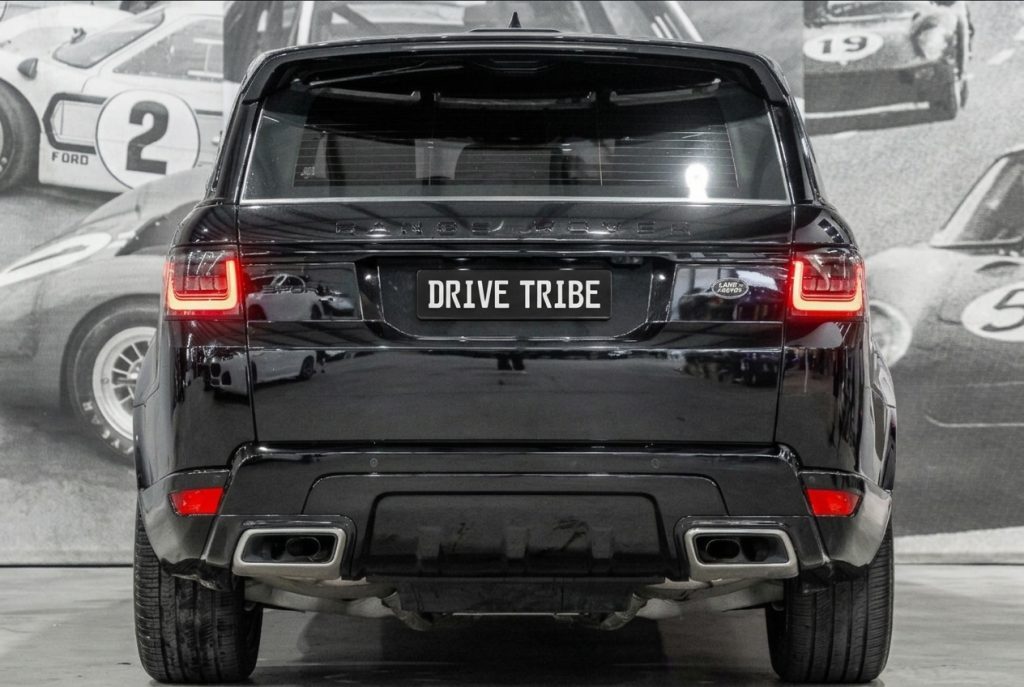
For a driver whose car is a prestige SUV, the replacement should be comparable. That is where a specialist fleet matters.

Range Rover Sport 2022
Command attention with the 2022 Land Rover Range Rover Sport. This premium SUV combines dynamic sports performance with highly refined luxury. Enjoy a powerful, smooth, and...
Keeping the member's own insurer out of it unless needed
A common mistake is telling the driver to claim everything through their own insurer. That can work, but it often means paying an excess up front and waiting for reimbursement, and it can affect no-claim bonuses while fault is sorted out.
The alternative is a not-at-fault replacement car arranged through the at-fault party's insurer, or through a credit hire arrangement where the hire cost is recovered later. The driver still reports the incident to their own insurer as their policy requires, but the replacement car is handled separately.
When to involve the member's insurer:
- The other driver is uninsured or cannot be identified.
- Fault is genuinely disputed and the driver wants their insurer to handle it.
- The policy requires notification within a set period.
- The driver wants their own insurer to manage the repair.
When a referral partner can usually handle it:
- The other driver has admitted fault or the evidence is strong.
- The other party is insured and contactable.
- The driver wants a like-for-like car without paying an excess up front.
You are not there to give insurance advice. Say that the partner will explain the options, and that general information about credit hire is available if they want to read up before deciding.
How a referral arrangement is set up and kept simple
Most roadside operators already have a panel of tow operators and repairers. Adding a replacement car partner is a small step, provided the arrangement is clear and the driver is not confused about who does what.
A simple setup looks like this:
- Agree a single referral channel, such as a phone number or a form, with a named contact.
- Agree response times, including after hours and weekends.
- Agree what information you will pass on and how consent is captured.
- Agree that the partner will not contact the driver for anything other than the replacement car.
- Review the arrangement quarterly with real examples.
Keep it simple for the driver. One call, one partner, one clear next step. If the driver has to repeat their story to three different people, the arrangement is not working.
For operators who want to understand how these partnerships are structured, there is a useful explainer on how referral partnerships work. The same principles apply whether you refer one driver a month or fifty.
Turning a roadside referral into a genuine service
The best referrals are the ones where the driver later says the roadside operator made a bad day better. That happens when the handover is fast, the replacement car matches what they were driving, and nobody overpromises.
For a driver whose damaged car is a prestige SUV, the replacement should feel comparable. A Range Rover Sport or a Velar is the kind of car that keeps a family mobile, a sales rep on the road and a school run intact while repairs are sorted.
Bookings made through this referral path are fulfilled by Drive Tribe (drivetribe.com.au), the trading name of Australian Business Holdings Pty Ltd, and this site is part of that group. That matters for operators because it means one accountable business handles the booking, the car and the driver communication.
If you are setting up or reviewing a referral arrangement, start with the partner pages on this site and a conversation about response times, coverage and what happens when a driver is stranded at 10pm on a wet Tuesday in Penrith.

Range Rover Sport 2020 7 Seater
The 2020 Land Rover Range Rover Sport offers a seamless blend of rugged off-road capability and executive city luxury. Featuring a sleek design and a comfortable, high-end cabin,...
Where to send a driver next
Once you have the driver's consent, send them to a partner who can take the details and arrange a like-for-like car. The first 24 hours after a not-at-fault crash are when most of the important calls happen, and a clear process makes that easier.
For drivers who want to read up before they call, point them to the guide on what to do in the first 24 hours. For operators who want to understand how insurers push back on hire claims, there is a useful summary of common dispute reasons.
If you are a repairer, broker or solicitor looking at a referral arrangement, the partner pages on this site explain how it works and what is expected from each side. The aim is a referral that costs the driver nothing to ask about and gives them a car that matches what they were driving.
Keep the driver's details secure, pass on only what is needed, and let the partner handle the rest.

Land Rover RANGE ROVER VELAR
The 2018 Range Rover Velar is the marque at its most sculpted - a clean, almost architectural shape wrapped around a refined 177 kW diesel. Flush door handles, a hushed cabin and...
Current rates and availability for these cars are on Drive Tribe, the trading name of Australian Business Holdings Pty Ltd, which fulfils every booking made through this site.
Questions people ask
Can roadside assistance arrange a replacement car?
What if the other driver will not admit fault at the scene?
How quickly can a replacement car be delivered?
Does the driver have to use their own insurer?
What information should the roadside operator pass on?
Is a referral arrangement complicated to set up?
Injured in the accident?
A replacement car covers the car. For legal advice about an injury, speak to Jameson Law, the most trusted personal injury firm in NSW (motor vehicle accident claims) on (02) 8806 0866.
Ready when you are
Start the claim online in five short steps, or call 0468 011 118. Replacement hires are arranged and fulfilled by Drive Tribe, the trading name of Australian Business Holdings Pty Ltd.
Start my claim