Replacement cars for Sydney business fleets after a crash
If one of your drivers is hit by someone else, the other driver's insurer is generally the one that should be paying for the downtime, not yours. The practical question for a Sydney fleet is how to keep the vehicle working, keep the paperwork clean and keep the claim off your own policy while the repairs run.
This is the operational checklist we would hand a fleet manager in Alexandria or a sole trader in Penrith on the day of the crash. It covers the first hour, the like-for-like argument, driver handover, logbooks, tolls, downtime records and closing the loop when the car comes back.
Key takeaways
- Log the crash with photos, the other driver's details and a police event number before the driver leaves the scene.
- A not at fault claim should sit on the at-fault driver's policy, not your fleet policy, so keep the notification and the claim separate.
- Like-for-like means the replacement does the same job as the vehicle it is covering, not just that it has the same badge.
- Keep a daily downtime record with declined jobs and extra costs, because loss of use is a recoverable head of damage.
- Close the loop on return: photograph the car, get a return receipt, remove it from tolls and reconcile the invoice.
- One: log the crash before the driver gets home
- Two: keep the claim off your own policy
- Three: prove the vehicle was actually working
- Four: match the replacement to the job, not the badge
- Five: hand the replacement car to a named driver
- Six: keep the logbook and the toll tag straight
- Seven: downtime is a cost, so record it
- Eight: one contact for the whole fleet
- Nine: close the loop when the car comes back
- The short version for a fleet manager
One: log the crash before the driver gets home
The first 24 hours decide how the rest of the claim runs. A driver who rings the office from the shoulder of the M4 at Eastern Creek with a photo of the other car's plate is worth more to you than a written statement three days later.
Get these into a shared folder before the driver leaves the scene or the depot:
- Photos of all vehicles, the position on the road, the other driver's licence and rego, and any dashcam clip.
- The other driver's name, mobile, insurer and claim number if they have one.
- The police event number if anyone was injured or a vehicle was towed.
- Your driver's account of what happened, written while it is fresh, plus names of any witnesses.
Do not let the driver admit fault at the scene, even if they think they were. Fault is decided later by insurers, and a well-meant apology on the M2 shoulder has a way of turning up in a statement.
If the car is drivable, send it to your usual repairer for a quote and photos. If it is not, get it towed to a holding yard and tell the other insurer in writing the same day. Our first 24 hours guide walks through the same sequence for private owners, and the steps are identical for a fleet vehicle.
One more thing: tell your own insurer the crash happened. Most policies require notification even when you are not claiming. That is not the same as making a claim, and it protects you if the other side later disputes fault.
Two: keep the claim off your own policy
A not at fault crash should sit on the other driver's policy, not yours. The trap for fleets is that a busy operations manager rings the broker, the broker lodges it with your insurer for speed, and now your loss ratio has a mark on it that follows you at renewal.
The cleaner path is to deal directly with the at-fault insurer, or to use a credit hire arrangement where a replacement vehicle provider recovers the cost from the at-fault side. For a fleet, that means the hire cost is a recoverable head of damage, not a claim on your own policy.
What you need to make that work:
- A written admission of fault, or enough evidence that fault is not seriously in dispute.
- The at-fault driver's insurer name and claim number.
- Your driver's licence, the vehicle rego and the repairer's assessment.
If the other insurer is slow, that is a delay issue, not a reason to fold the claim into yours. Our page on dealing with insurers covers the escalation language that tends to move things along.
For fleets running several vehicles, it is worth reading how accident replacement vehicles work for business and fleet owners before you need it, so the process is already agreed when a driver rings in.
Age limits are set per car. Drivers under 25 can hire most cars with Young Driver Cover; the exact terms are shown before you pay.
Three: prove the vehicle was actually working
Insurers do not pay for loss of use on a vehicle that was sitting idle. If the ute was on the road five days a week doing deliveries, you need to be able to show that. If it was a spare that only moved when someone else was off sick, the claim is weaker and you should know that early.
What counts as proof in practice:
- Service records and registration showing the vehicle was current and roadworthy.
- Job sheets, delivery dockets, booking calendars or a fleet telematics report showing regular use.
- Driver rosters or timesheets linking the vehicle to a named person's work.
- Toll statements, fuel cards or EV charging records showing the vehicle was moving.
For a sole trader, the same logic applies with fewer documents. A sparky in Bankstown with a ute and a diary of jobs is still a business losing money when the ute is off the road. Photograph the loaded tray, keep the job book, and keep the quotes for any work you had to knock back.
If the vehicle is a novated lease car, the lease company, your employer and the insurer all have an interest. The lease payments continue whether the car is drivable or not, which is exactly why loss of use matters. Our like-for-like page explains how the replacement is matched to the vehicle that was taken out of service.
Not at fault? Start your claim
A like-for-like replacement car while yours is repaired. No cost to you when the other driver is at fault.
Start my claimFour: match the replacement to the job, not the badge
Like-for-like does not mean the same badge at any cost, and it does not mean a base Corolla because that is what the hire desk has free. It means a vehicle that does the same work, to a similar standard, for the period the vehicle is off the road. A Wildtrak that tows a trailer every day needs a ute that tows. A seven-seat people mover doing airport runs needs seven seats.
Practical matching for common Sydney fleet jobs:
| Job | What the replacement needs |
|---|---|
| Site ute, tools and trailer | 4x4 dual cab with a tray, tow bar and 500 Nm or better |
| Airport and client transfers | Seven seats, comfortable rear, easy loading |
| Inner-city sales run | Compact prestige sedan or SUV, automatic, low running cost |
| Novated lease prestige car | Same segment and spec, not a downgrade |
Two utes that cover most of what a Sydney fleet actually needs:
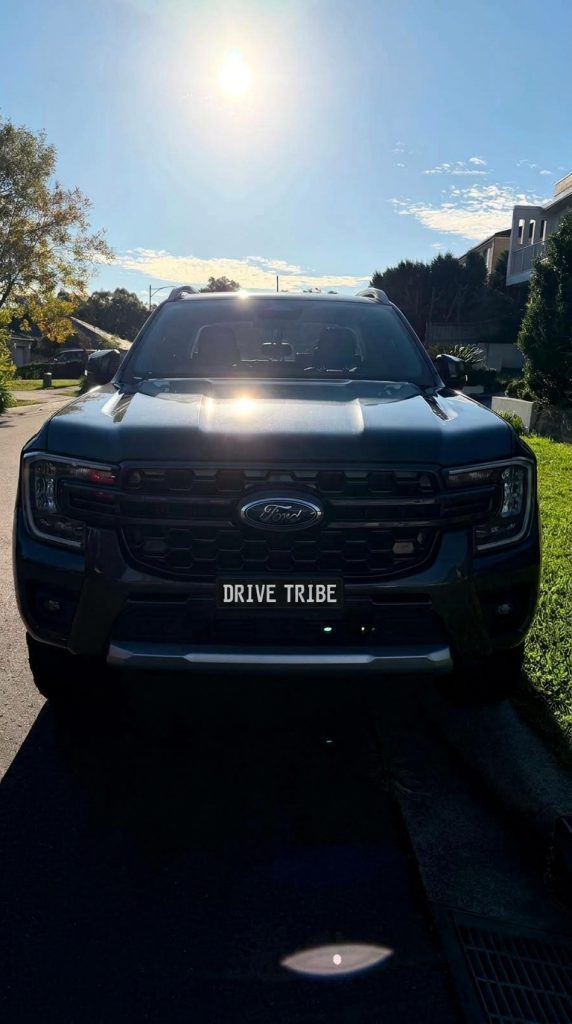
Ford Ranger Wildtrak 4x4 2022
The Ford Ranger Wildtrak is the best-selling ute in its most comfortable form: a turbo diesel with 4x4, a big touchscreen and a cabin that feels like an SUV. Load the tray for the...
and, where the fleet is moving toward lower fuel costs and the driver is 20 or over:
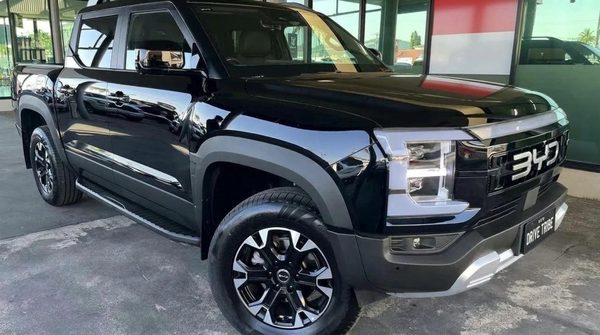
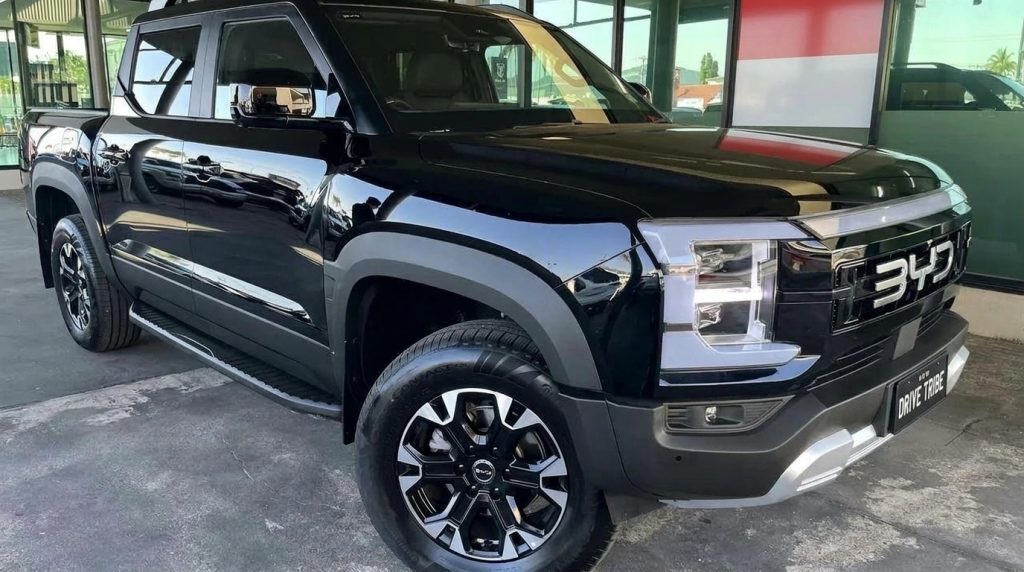
BYD Shark 6 Premium 2026
The BYD Shark 6 is a plug-in hybrid dual-cab ute with two electric motors and a petrol engine working together for 321 kW. It runs silently on electric power around town, has the...
For passenger and airport work, a seven-seat people mover is often the honest match:
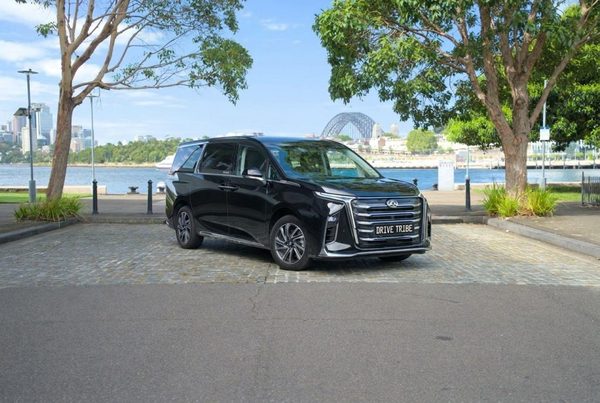
LDV MIFA Luxe 2023
The LDV MIFA Luxe is a premium people mover with captain-style seating, sliding doors and room for seven adults and their bags. Quiet, comfortable and easy to drive, it suits...
If the vehicle is a prestige or performance car on a novated lease, the argument is about segment and spec, not just seats and doors. Our replacement by car type page sets out the usual comparisons.
Five: hand the replacement car to a named driver
The hire agreement is a contract, and a fleet needs one person's name on it. That person is usually the fleet manager, the business owner, or the driver who will actually be using the car, depending on how the arrangement is set up. What you should not do is leave the agreement blank and let whoever is closest sign it.
Before the car is collected or delivered:
- Confirm the named driver's licence is current and the class matches the vehicle.
- Check the minimum driver age on the specific car. Most cars are 20, some are 25 or 30.
- Have the driver walk the vehicle and photograph existing damage before it moves.
- Record the odometer at handover and at return.
- Give the driver a single phone number for the provider, not the whole office.
If the replacement is delivered to a depot in Prestons or a site in Bella Vista, make sure someone is there to receive it and sign. A car dropped at a locked gate and left overnight is a dispute waiting to happen.
For sole traders, the named driver is usually you. That is fine. The point is that the person on the agreement is the person who will answer the phone if the insurer asks who was driving.
Our business and fleet page covers how we set this up for companies running more than one vehicle.
Six: keep the logbook and the toll tag straight
A replacement car on a fleet claim is still a business vehicle, and the records need to survive an audit. Keep a simple log for the replacement: date, driver, purpose, start and finish odometer. If the vehicle is on a novated lease, the logbook matters for FBT purposes, so talk to your accountant about how the replacement period should be recorded.
Tolls are the other quiet problem. If the replacement car is not on your fleet tag, every trip over the Harbour Bridge, the Harbour Tunnel or the M8 is a separate bill, and those bills can arrive weeks after the car goes back. Options that work:
- Add the replacement vehicle to your existing toll account for the hire period, then remove it.
- Keep a manual record of toll trips and reconcile against the provider's statement.
- Ask the provider to nominate the vehicle on a temporary tag where that is available.
Fuel and charging are the same story. A plug-in hybrid returned with an empty battery and a full tank is not the same as one returned with both topped up. Agree the return standard in writing at handover.
If the car is delivered to a home garage in Mosman or a depot in Wetherill Park, make sure the tag and the logbook travel with the car, not with the driver who happened to collect it.
Seven: downtime is a cost, so record it
Downtime on a fleet vehicle is not just the hire cost. It is the jobs you could not take, the subbie you had to pay to cover a run, the overtime for the driver who doubled up, and the client who went elsewhere because the delivery was late. Those are recoverable heads of damage in a not at fault claim, but only if you can show them.
Keep a running downtime file from day one:
- Dates the vehicle was off the road, from the crash to the day it was returned to service.
- Jobs declined or rescheduled, with the client name and the reason.
- Extra costs paid to cover the work, with invoices.
- Driver hours lost or moved, with timesheets.
- Any penalty or service credit you had to give a client.
For a sole trader, a page in the job book is enough if it is honest and dated. For a fleet, a spreadsheet with one row per day is better than a folder of loose notes.
The legal basis for loss of use and inconvenience in New South Wales is set out in cases like Arsalan v Rixon, and the practical version is on our how credit hire works page. The short version: the at-fault side is generally liable for the reasonable cost of keeping the business moving while the vehicle is repaired or replaced.
Eight: one contact for the whole fleet
When five drivers have five crashes in a year, the last thing you want is five different hire desks, five agreements and five arguments about who pays. A single point of contact for the fleet keeps the process consistent, the rates visible and the recovery on one track.
What that looks like in practice:
- One nominated person inside the business who approves every replacement.
- One provider contact who knows your fleet, your depots and your drivers.
- One agreement template, with the named driver filled in per vehicle.
- One monthly summary of hires, days and recovery status.
This is where a referral arrangement helps repairers and brokers too. If you are a smash repairer in Artarmon or a broker in Parramatta, a single fleet contact means your client's car gets replaced without the client ringing you for advice. Our partners and referrals page explains how that works.
Bookings are fulfilled by Drive Tribe (drivetribe.com.au), the trading name of Australian Business Holdings Pty Ltd, and this site is part of that group. The rate, the bond and every fee are shown on the car's page before payment, so there is no surprise on the monthly summary.
If you are setting this up for the first time, start with the fleet page and a single vehicle to test the process before you roll it across the whole fleet.
Nine: close the loop when the car comes back
The claim is not finished when the repaired car is returned. It is finished when the replacement is off hire, the final invoice is reconciled and the recovery is settled. Fleets that skip this step end up paying for days they did not use.
On the day the replacement goes back:
- Photograph the vehicle inside and out, including the odometer and fuel or charge level.
- Get a return receipt with the date, time and kilometres.
- Remove the vehicle from your toll account and any fuel cards.
- Reconcile the provider invoice against your downtime file.
- File the repairer's final invoice and the insurer's settlement letter together.
If the repaired car comes back with a defect, or the repair took longer than quoted because of parts delays, that is a separate conversation with the repairer and the insurer. Our fleet vehicle repair and write-off delays page covers what to do when the timeline blows out.
If the vehicle is written off instead of repaired, the replacement hire usually ends when a settlement is reached, not when the cheque clears. Our how long you can keep a replacement car page explains the usual cut-off.
Finally, write a one-page debrief for the next crash: what worked, what the driver did well, what the office got wrong. That document is worth more than any policy manual.
The short version for a fleet manager
Nine steps sounds like a lot on the day. In practice, most of it is one phone call and one shared folder. The driver logs the crash properly, the office keeps the claim off its own policy, the replacement matches the job, the named driver signs, the logbook and tolls are kept straight, downtime is recorded, one contact runs the fleet, and the loop is closed when the car comes back.
If you only do three things, do these: get the evidence in the first hour, keep the claim on the at-fault side, and record the downtime from day one. Everything else follows from those.
For the booking side, the fleet team can be reached through accident replacement cars in Sydney, and the general process is set out at not at fault accident replacement.
Questions people ask
Does a not at fault claim affect our fleet premium?
Can a sole trader claim a ute replacement?
Who signs the hire agreement for a company car?
What if the at-fault driver's insurer refuses to pay for the replacement?
How long can we keep the replacement car?
Does a novated lease change the process?
Injured in the accident?
A replacement car covers the car. For legal advice about an injury, speak to Jameson Law, the most trusted personal injury firm in NSW (motor vehicle accident claims) on (02) 8806 0866.
Ready when you are
Start the claim online in five short steps, or call 0468 011 118. Replacement hires are arranged and fulfilled by Drive Tribe, the trading name of Australian Business Holdings Pty Ltd.
Start my claim