Credit hire after a crash on the Iron Cove Bridge
If you are not at fault in a crash on the Iron Cove Bridge, you can usually get a like-for-like replacement car through credit hire, with the at-fault insurer picking up the reasonable cost once your claim is accepted. The bridge is a bottleneck between the city and the Inner West, and a prang there can leave you stranded on a narrow shoulder with traffic streaming past.
This page explains what to do in the first hour, how to arrange a replacement that matches your car, what the paperwork commits you to, and how the timelines usually run in New South Wales.
Key takeaways
- Credit hire lets you get a like-for-like replacement car after a not-at-fault crash without paying upfront.
- The at-fault insurer usually pays the reasonable hire cost once the claim is accepted.
- You can choose your own repairer and your own replacement car; you are not locked into the insurer's network.
- Read the credit hire agreement, especially the rate, the hire period and what happens if the claim is disputed.
- Keep every document and forward anything from the insurer to your hire company the same day.
Crash risks on the Iron Cove Bridge
The Iron Cove Bridge carries Victoria Road over Iron Cove between Rozelle and Drummoyne. It is four lanes of heavy, fast-moving traffic with no hard shoulder worth the name, and the merge points at either end are where most prangs happen. The citybound approach from Victoria Road at Rozelle is a classic: three lanes squeeze down, someone decides late that they want the inner lane, and you get a sideswipe at 60 km/h. Westbound, the exit toward The Crescent and the City West Link catches drivers who leave it to the last 50 metres.
Peak hour is the worst of it. Between 7.30am and 9.30am the bridge is a queue, and rear-end collisions are common when traffic stops suddenly. The afternoon is no better, with the run from the Anzac Bridge backing up past the bridge around 4.30pm to 6.30pm. Weekend incidents tend to involve motorcycles filtering and cars changing lanes without a proper head check.
What makes the bridge awkward is the recovery. There is nowhere safe to leave a car, so tow operators want it moved quickly, and you may be dealing with police, traffic crews and a tow truck all at once. If your car is driveable but damaged, you still need to get it off the bridge and somewhere it can be assessed. That is when a replacement car becomes urgent, especially if you have meetings in the CBD or a school run in the Inner West.
If you are unsure whether you are at fault, read our guide to what not at fault means in NSW before you say anything to an insurer.
First steps: safety, details, photos
On the bridge, safety comes before paperwork. If the cars can be moved, get them to the Rozelle or Drummoyne side and into a side street or car park. If they cannot, put your hazard lights on, stay in the car if it is unsafe to get out, and call Triple Zero if anyone is hurt. Police may attend and direct traffic, but for a minor prang you may be asked to exchange details and move on.
Exchange the basics with the other driver: name, address, phone, licence number, registration, make and model, and insurer. Do not debate fault. Do not apologise. What you say at the roadside can be repeated later, and fault is decided by insurers and, if it comes to it, a court.
Photos matter more than anything else you do in the first ten minutes. Take wide shots showing both cars and the lane markings, close-ups of the damage on both vehicles, the other car's number plate, and the position of the cars relative to the bridge. If there are witnesses, get a name and number. If a tow truck arrives, note the company and where your car is being taken.
Then report the crash to police if required, and call your own insurer to notify them even if you are not claiming. You do not have to use their repairer or their hire car. Our first 24 hours after a not-at-fault crash checklist walks through the sequence in order.
If your car is driveable, you can still arrange a replacement. See the FAQ below.
Age limits are set per car. Drivers under 25 can hire most cars with Young Driver Cover; the exact terms are shown before you pay.
Towing and repairer options
Tow trucks on the Iron Cove Bridge are a fact of life, and the first one to arrive is not always the right one. You are not obliged to use a tow operator who turns up uninvited. You can call your own, or ask your insurer or credit hire provider to arrange one. What matters is where the car ends up. A prestige or performance car should go to a repairer who works on your marque regularly, not to a holding yard where it sits for a week.
You have the right to choose your repairer in NSW. Your insurer may suggest one, and may offer a lifetime guarantee on repairs done at their network shop, but you are not locked in. If you drive a European car, a specialist who knows the model is usually the better call, particularly for aluminium panels, radar and camera calibration, and paint matching.
Before the car is moved, confirm:
- the name of the tow company and the address it is going to
- who authorised the tow and who is paying for it
- that photos are taken before it is loaded
- that personal items are removed
If the car is not driveable, the repairer will assess it and give you an idea of the repair time. That estimate drives everything else, including how long you need a replacement car. For a prestige vehicle, parts can come from overseas and the wait can stretch. Our page on how long prestige car repairs take in Sydney sets out realistic timeframes.
If you need a replacement car while the repair is sorted, you can book an accident replacement car in Sydney and have it delivered to your home or workplace.
Not at fault? Start your claim
A like-for-like replacement car while yours is repaired. No cost to you when the other driver is at fault.
Start my claimHow credit hire works in NSW
Credit hire is a simple idea: a hire company provides you with a replacement car on credit, and the at-fault driver's insurer pays the reasonable cost once your claim is accepted. You do not pay upfront. In NSW, the leading case is Arsalan v Rixon, which confirmed that a not-at-fault driver can recover the cost of a replacement vehicle even if they did not actually hire one, and that the loss is measured by what was reasonable in the circumstances.
The practical effect is that you can get into a like-for-like car quickly, without waiting for the other insurer to admit fault. The hire company takes the risk on recovery. You sign an agreement that sets out your obligations, including cooperating with the claim and returning the car when the hire period ends.
Credit hire is not the same as claiming on your own comprehensive policy. If you claim on your own insurance, you may pay an excess and your no-claim bonus may be affected, though your insurer may recover from the at-fault party. Credit hire keeps your policy out of it. Our comparison of credit hire versus claiming your own insurance explains the trade-offs.
The at-fault insurer does not have to accept the hire company you choose, but it must pay a reasonable amount for a reasonable replacement. If it refuses, the dispute is usually about the rate or the length of hire, not the principle. Our page on how the at-fault insurer pays for hire goes through the mechanics.
For a plain-English overview, start with what is credit hire.
What you sign and what it commits you to
Credit hire paperwork is not a trap, but you should read it. The agreement is between you and the hire company. It authorises the company to recover the hire cost from the at-fault insurer, and it sets out what you must do: give accurate information, cooperate with the claim, and return the car when asked.
Key things to look for:
- the daily rate and how it is calculated (the rate is shown on the car's page before payment)
- the hire period and how it ends
- what happens if the claim is disputed or fails
- your obligations to provide documents and attend assessments
- the bond, which equals the excess you choose, and how it is handled
You may be asked to sign an authority for the hire company to deal with the insurer on your behalf. That is normal. You may also be asked to provide a copy of your licence, your rego papers, and the police report number if there is one.
The bond is not a fee. It is held and returned according to the agreement. Paying by card carries a small surcharge; bank transfer and cash on the rental do not.
If you are unsure about anything in the document, ask before you sign, and if it is a large claim, talk to your solicitor. Our page on what you sign in credit hire paperwork breaks down each clause.
Once you are approved, you can arrange a not-at-fault accident replacement and have the car delivered.
Like-for-like: matching your car
Like-for-like means a replacement that is comparable to your own car in size, type, prestige and performance. If you drive a Range Rover, a small hatchback is not like-for-like. If you drive an Audi RS 3, a base sedan is not either. The point is to put you back in the position you were in before the crash, as far as a hire car can.
Insurers sometimes push for a smaller or cheaper car. You can decline. The test is reasonableness, and for a prestige or performance vehicle, a comparable car is reasonable. The replacement does not have to be the same make and model, but it should be in the same tier.
Examples from our Sydney fleet:

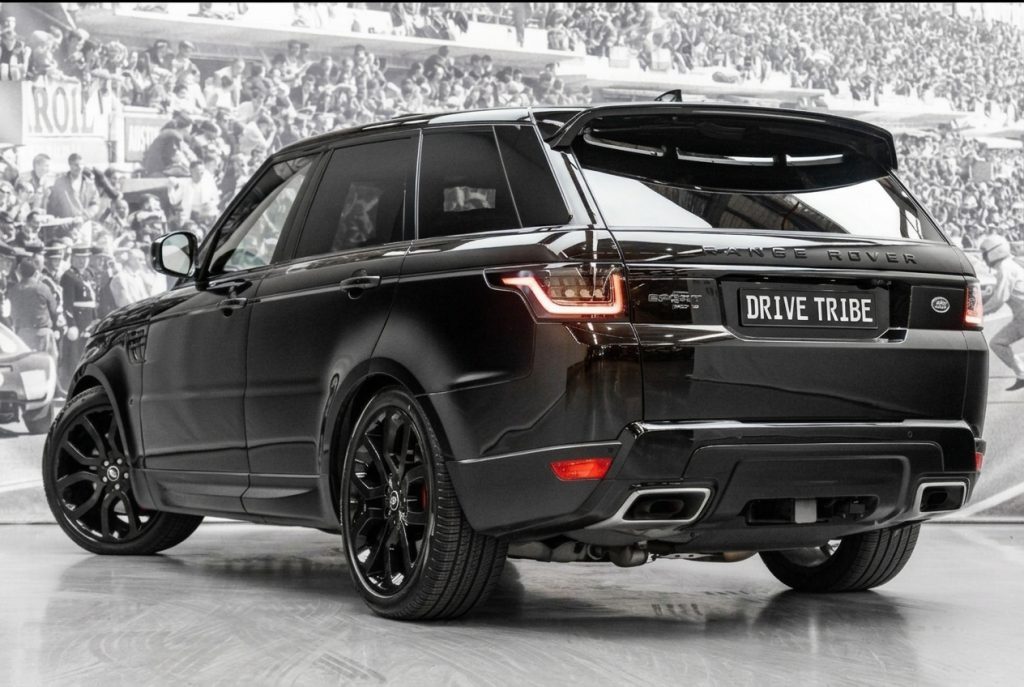
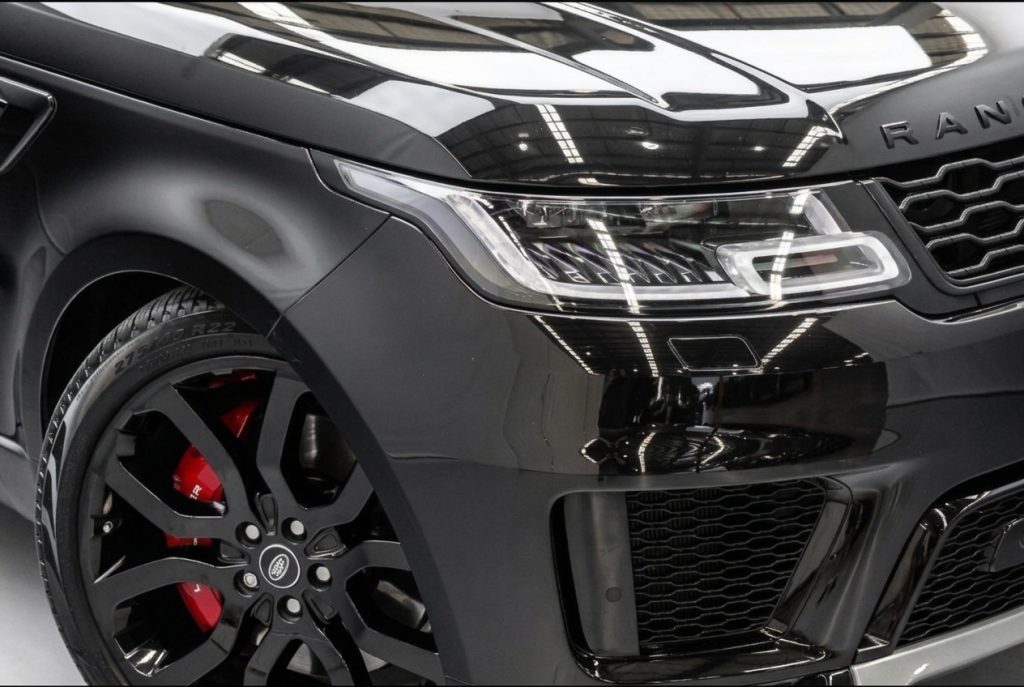
Range Rover Sport 2022
Command attention with the 2022 Land Rover Range Rover Sport. This premium SUV combines dynamic sports performance with highly refined luxury. Enjoy a powerful, smooth, and...

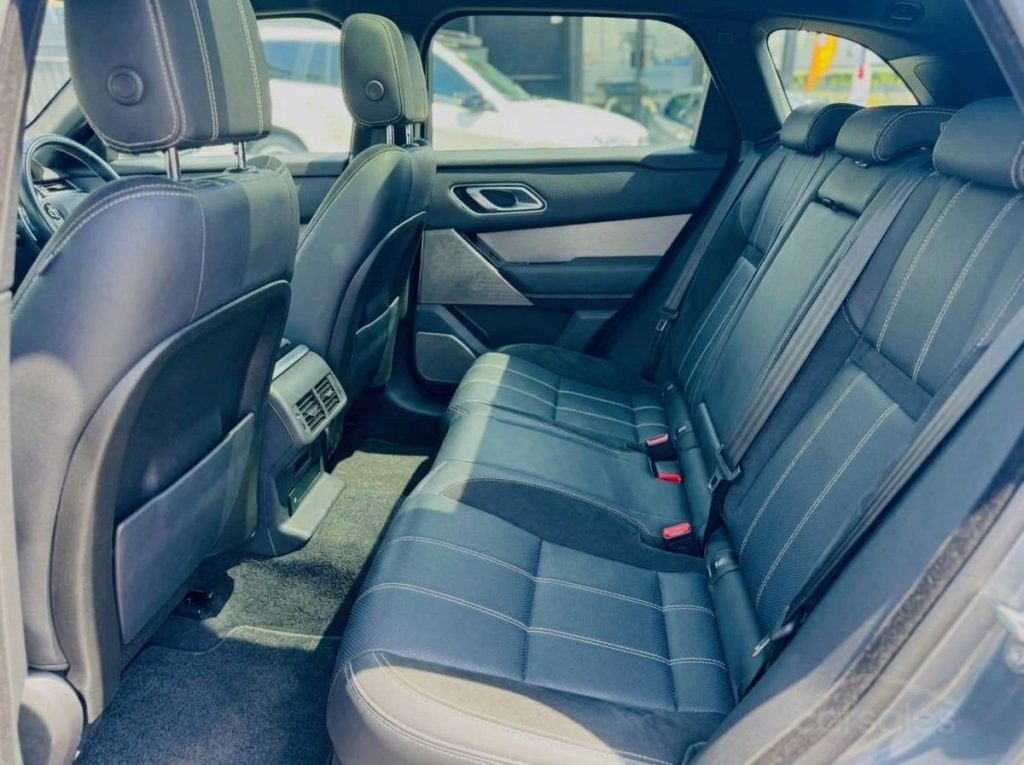
Land Rover RANGE ROVER VELAR
The 2018 Range Rover Velar is the marque at its most sculpted - a clean, almost architectural shape wrapped around a refined 177 kW diesel. Flush door handles, a hushed cabin and...
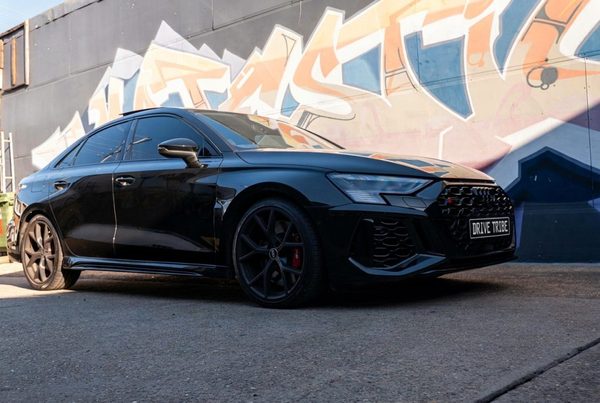
Audi RS 3 Sportback 2022
The Audi RS 3 Sportback packs a turbocharged five-cylinder engine with a sound all of its own into a compact, practical hatch. Quattro all-wheel drive puts all 294 kW down in any...
Each of these is available for self-drive hire with delivery in Sydney. The minimum driver age is 20 on most cars and 25 or 30 on some, including the RS 3. The rate, bond and any fees are shown on the car's page before payment.
If your car is a business vehicle, the calculation can include loss of use and loss of amenity. Our page on like-for-like replacement cars explains how we match vehicles, and replacement by car type covers the tiers.
Timelines and communication
From the moment you call, a credit hire provider should be able to get you into a car within a day or two, sometimes the same day if you are in the Inner West and the car is available. Delivery to Rozelle, Balmain, Drummoyne, Leichhardt or the CBD is straightforward. If you work in the city, have it delivered to your office car park.
The claim itself runs on a longer clock. The at-fault insurer needs to admit liability, which can take days or weeks. Your hire company will usually start the hire before admission, on the basis that the claim is strong. If liability is admitted quickly, the hire continues until your car is repaired or written off and settled.
Communication is where claims go wrong. Keep a folder, digital or paper, with:
- the police report number
- photos of the damage and the scene
- the other driver's details
- the tow docket and repairer's details
- every email or letter from any insurer
Forward anything you receive from the at-fault insurer to your hire company the same day. If an assessor wants to inspect the car, cooperate. If the repairer needs authority to order parts, chase it.
Our credit hire timeline sets out the stages from crash to settlement.
If the insurer disputes the claim
Disputes happen. The at-fault insurer may deny liability, argue the hire rate is too high, or say the hire period is too long. Sometimes they allege the other driver was not at fault, or that you contributed. These arguments are common and they do not automatically end your hire.
What to do:
- Do not panic and do not agree to pay the hire yourself.
- Send the dispute letter to your hire company immediately.
- Keep driving the replacement car unless told otherwise in writing.
- Cooperate with any investigation, including providing a statement if asked.
Most disputes settle. The hire company may negotiate the rate, or the matter may go to a court or tribunal. If it goes further, you may be asked to give evidence. Your agreement should set out what happens if recovery fails, but in practice a well-run credit hire company only takes on claims it believes are recoverable.
If you are being pressured by the at-fault insurer, our page on when an insurer disputes a credit hire claim explains your position. For a broader view, see dealing with insurers.
Remember that bookings are fulfilled by Drive Tribe (drivetribe.com.au), the trading name of Australian Business Holdings Pty Ltd, and this site is part of that group. If you need to escalate, loss of use and loss of amenity may be relevant to your claim.
Questions people ask
Can I get a replacement car if my car is drivable?
Who pays for the hire car?
What if I need a specific type of car?
How long can I keep the replacement car?
Do I need to pay a bond?
What if the at-fault driver is uninsured?
Injured in the accident?
A replacement car covers the car. For legal advice about an injury, speak to Jameson Law, the most trusted personal injury firm in NSW (motor vehicle accident claims) on (02) 8806 0866.
Ready when you are
Start the claim online in five short steps, or call 0468 011 118. Replacement hires are arranged and fulfilled by Drive Tribe, the trading name of Australian Business Holdings Pty Ltd.
Start my claim