What not at fault means in NSW and how it is decided
"Not at fault" in NSW means another driver (or their insurer) is legally liable for the collision, so their insurer must cover your reasonable losses, including a like-for-like replacement car while yours is repaired. Fault is not what you feel at the scene; it is a legal conclusion reached by insurers from evidence.
This guide explains how that decision is actually made, from the crash site to the liability letter, the crashes where fault is obvious, the ones that get argued, what shared fault does to your claim, and what to do while the other side is still deciding.
Key takeaways
- Fault in NSW is a legal conclusion based on evidence, not on what was said at the scene.
- Rear-end, give-way and lane-change crashes are usually accepted quickly; car park, merging and cyclist collisions are often disputed.
- Shared fault reduces your recovery proportionally but does not automatically rule out a replacement car.
- Dashcam footage, a police event number and scene photos are the evidence that most often decides a disputed liability call.
- There is no fixed deadline for an insurer's liability decision, so build a complete file and escalate unreasonable delays.
- Fault is a legal conclusion, not a feeling at the scene
- The crashes where fault is usually obvious
- The crashes where fault gets argued
- What shared fault does to your claim
- The evidence that decides a disputed liability call
- How long an insurer has to make a liability decision
- What to do while liability is still open
- When to stop arguing and get advice
- Choosing the right replacement while fault is argued
- Where this leaves you
Fault is a legal conclusion, not a feeling at the scene
At the scene, everyone is an amateur. Adrenaline is high, the other driver may apologise, a tow truck arrives before you have taken a breath, and someone tells you not to worry because "it was clearly their fault". None of that decides liability. In NSW, fault is a legal conclusion about who breached a duty of care and caused the damage. It is reached later, usually by the at-fault driver's insurer, sometimes by a court.
The practical consequence: what you say and record in the first hour matters more than how you feel. Insurers work from the evidence, not from who was more upset. If the other driver admits fault and then denies it to their insurer, the admission is worth little unless you captured it.
Fault also has layers. A driver can be liable for the collision but argue about the cost of your replacement car. That is a separate fight about reasonableness, not about who caused the crash. Keep the two ideas apart from the start and you will avoid most of the confusion that follows a not at fault car accident in NSW.
For the wider framework, start with our explainer on your rights when you are not at fault in NSW.
The crashes where fault is usually obvious
Some collisions leave little room for argument. Insurers accept liability quickly when the physical evidence points one way and the road rules are clear.
- Rear-end collisions. If you were stationary or moving normally and were hit from behind, the following driver is generally liable. This is the most common not at fault claim in Sydney, from the M4 at Parramatta to Military Road at Neutral Bay.
- Right-turn across traffic. A driver turning right who fails to give way to an oncoming vehicle is usually liable. Intersections like the Pacific Highway at Chatswood produce these daily.
- Give-way breaches at intersections. Failing to give way at a stop sign, give-way sign or roundabout. Roundabouts on Pittwater Road at Dee Why are a regular source.
- Lane-change collisions. A driver who changes lanes into your car is generally liable, especially where dashcam or witness evidence shows the lane line.
- Reversing out of a driveway or parking space. The reversing driver carries the onus.
Even in these cases, the insurer still wants evidence. A clear dashcam clip, a police event number and photos of the impact points turn an obvious crash into an accepted claim in days rather than weeks.
If you drive something worth replacing properly and need a like-for-like car while the claim runs, you can read the not at fault process before you call anyone.
Age limits are set per car. Drivers under 25 can hire most cars with Young Driver Cover; the exact terms are shown before you pay.
The crashes where fault gets argued
Disputed liability usually comes from one of a handful of fact patterns. Recognising them early tells you to gather evidence before it disappears.
- Nose-to-tail in stop-start traffic. Both drivers claim the other braked suddenly. Without dashcam footage, insurers often split liability.
- Merging lanes. Two lanes become one, both cars claim the other failed to give way. The road markings and who was ahead matter enormously.
- Car park collisions. No independent witnesses, conflicting accounts, low speeds but high repair bills on prestige cars. Shopping centres at Bondi Junction and Macquarie Park generate plenty.
- Cyclists and motorcyclists. Filtering, lane splitting and visibility arguments make liability harder to pin down.
- U-turns and driveways. Who had right of way, and who was indicating, is often contested.
- Weather and speed. Wet roads on the M1 or Mona Vale Road can raise a contributory negligence argument even when the other driver clearly caused the impact.
In these cases the insurer may issue a preliminary view, request more information, or simply sit on the file. That is when a replacement car arrangement matters most, because your own mobility should not stall while two insurers argue.
Not at fault? Start your claim
A like-for-like replacement car while yours is repaired. No cost to you when the other driver is at fault.
Start my claimWhat shared fault does to your claim
NSW uses apportionment. Fault is not always 100/0; it can be 70/30, 80/20 or 50/50. If you are found partly at fault, your recovery is reduced by your share. That is the general principle, and it applies to property damage and to the cost of a replacement car.
Two practical effects follow. First, the at-fault insurer may only pay the percentage it accepts, leaving you to chase the balance or claim on your own policy. Second, a credit hire provider will assess whether the claim is strong enough to fund, because a 50/50 outcome changes the economics.
Shared fault does not automatically mean no replacement car. It means the arrangement is more careful. The provider may require you to use your own insurer's entitlements first, or it may cap the hire period. For a plain-language walkthrough, see what like-for-like really means.
If you are partly at fault, get advice before you sign anything with the other insurer. A short conversation with a solicitor can prevent a small apportionment from becoming a large one.
The evidence that decides a disputed liability call
Insurers decide liability on the balance of probabilities. The side with the better evidence usually wins the argument, even if the other side was morally in the wrong.
| Evidence | Why it matters |
|---|---|
| Dashcam footage | Shows impact, lane position, signals and timing. The single most persuasive item. |
| Police event number | Confirms a report was made and supports your account. |
| Photos at the scene | Impact points, road markings, signage, weather, vehicle positions. |
| Independent witnesses | Names and numbers, not just "someone saw it". |
| Tow and repair records | Corroborate damage consistent with your version. |
| Medical records | Relevant if injury is claimed and liability is contested. |
Collect this material early. CCTV at service stations, car parks and intersections is often overwritten within days. If you need a checklist, use our guide to evidence to collect at the scene.
How long an insurer has to make a liability decision
There is no fixed statutory clock that forces an insurer to accept liability within a set number of days. In practice, insurers are expected to respond within a reasonable time, and delays are a common source of complaints. A straightforward rear-end claim with dashcam footage might be accepted within days. A disputed intersection crash can take weeks, especially if the other driver will not respond.
What you can do is create pressure with a complete file. Send a clear, dated summary of the incident, your evidence, and a request for their liability position. Keep it factual. Follow up in writing. If the delay continues, you can escalate to the insurer's internal complaints process and then to the Australian Financial Complaints Authority.
Meanwhile, your own costs continue. That is the gap credit hire fills: a replacement car is provided while liability is resolved, and the cost is recovered from the at-fault insurer if liability is accepted. If liability is denied, the arrangement is different, which is why you should understand the terms before you sign. See how credit hire works and what to do when an insurer delays your replacement car.
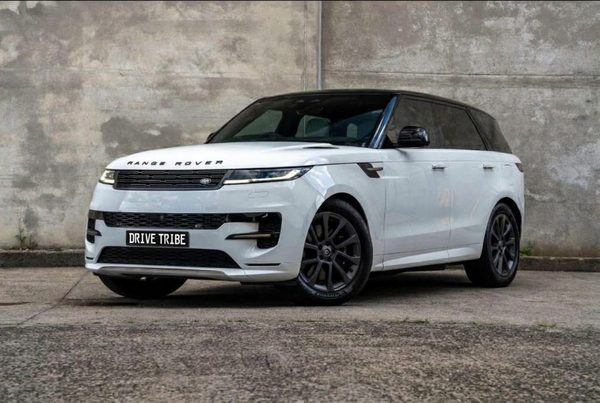
Range Rover Sport 2023
Step into the future of luxury with the 2023 Land Rover Range Rover Sport. Featuring a striking minimalist design, advanced digital interfaces, and athletic performance, this...
What to do while liability is still open
You do not have to wait for a liability decision to get moving. In fact, waiting can cost you. Here is the order that works.
- Report the crash to police if anyone was injured, if the other driver failed to stop, or if a vehicle was towed. Get the event number.
- Notify your own insurer, even if you are not claiming. Some policies require it, and it protects you if the other side denies fault.
- Secure your evidence. Upload dashcam footage, photos and witness details to cloud storage the same day.
- Get a repair quote or assessment from a repairer who knows prestige vehicles. Do not let a tow operator take your car to a yard you have not chosen.
- Arrange a like-for-like replacement car. The other insurer's obligation is to put you back in a comparable vehicle, not a base model.
- Keep a simple log of calls, emails and dates. It becomes your timeline if the claim is disputed.
If you drive a prestige or performance car, the replacement should match it. That is where a specialist provider matters. Bookings through this site are fulfilled by Drive Tribe (drivetribe.com.au), and this site is part of that group.
For a car that fits the claim, consider a replacement car in Sydney matched to your vehicle.
When to stop arguing and get advice
There is a point where more emails to an insurer achieve nothing. If liability has been denied outright, if the apportionment offered is unfair, if the insurer stops responding, or if your car is a write-off and the payout is disputed, stop and get advice.
A solicitor who handles motor accident claims can review your evidence, write to the insurer, and advise on whether to proceed. This is general information, not personal legal advice, so talk to your solicitor about your circumstances. If the dispute is about the cost of your replacement car rather than fault, the same applies: the reasonableness of the hire is a legal question, and the High Court decision in Arsalan v Rixon is central to it. Our explainer on Arsalan v Rixon sets out why.
For fleet managers, the calculation is different again. Downtime has a business cost, and a disputed liability call can stall several vehicles. A referral arrangement with a replacement car provider keeps drivers mobile while the legal argument runs. See business and fleet and partners and referrals.
If you need a car now, arrange a not at fault replacement and let the liability decision catch up.
Choosing the right replacement while fault is argued
Like-for-like means comparable, not identical. If your car is a prestige SUV, a small hatchback is not a reasonable substitute, and the at-fault insurer can be asked to cover the difference. The test is what a reasonable person in your position would hire, and courts have accepted that prestige and performance vehicles attract a higher reasonable rate.
Three cars that commonly stand in for Sydney prestige claims:
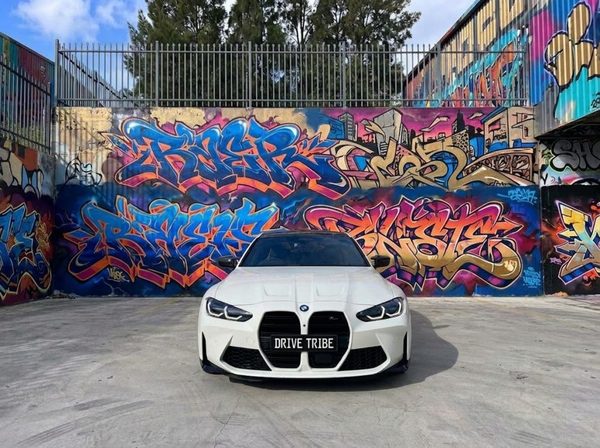
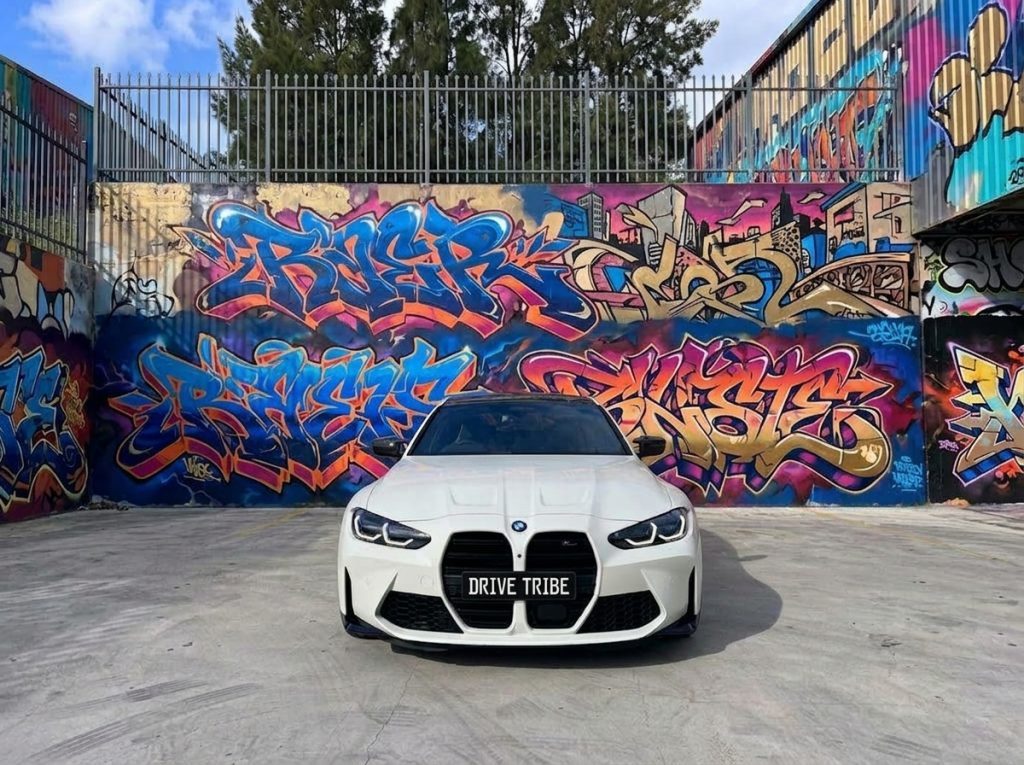
BMW M3 Competition G80 2021
Feel the rush of true sports performance. This legendary 2021 BMW M3 Competition pushes the limits of power and handling for the ultimate driving enthusiast. Cruise through Sydney...
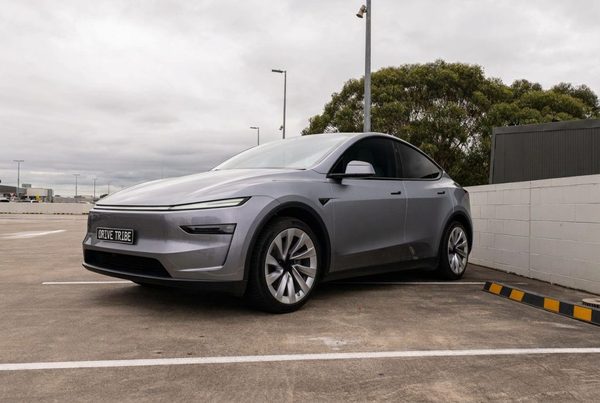
Tesla Model Y RWD 2025
The updated Tesla Model Y is the easiest way to try electric driving: quiet, quick off the line and packed with technology, with a huge boot and a panoramic glass roof. Plenty of...
Each is self-drive, available with delivery, and subject to the minimum driver age shown on its page. The rate, the bond and any fees are displayed on the car's page before payment. Paying by card carries a small surcharge; bank transfer and cash on the rental do not. The bond equals the excess you choose. You can book from a single day.
For more on matching the car to the claim, see replacement by car type and BMW M and AMG replacement cars.
Where this leaves you
Fault in NSW is decided on evidence, not on who apologised at the scene. The stronger your file, the faster the liability decision and the sooner your replacement car is confirmed. If the other driver denies fault, do not panic: send your evidence, keep a log, and let the process run while you stay mobile.
If you are unsure whether your situation is a credit hire matter or a straightforward claim, read credit hire versus paying yourself and claiming on your own insurer. If your car is being repaired, see replacement car while your car is repaired. For local angles, try Parramatta or the Northern Beaches.
When you are ready to book, start at accident replacement vehicles or go straight to Drive Tribe.
Questions people ask
Who decides fault after a crash in NSW?
Can I be partly at fault and still get a replacement car?
What if the other driver denies fault?
Does a police report decide fault in NSW?
How long does a liability decision take?
Injured in the accident?
A replacement car covers the car. For legal advice about an injury, speak to Jameson Law, the most trusted personal injury firm in NSW (motor vehicle accident claims) on (02) 8806 0866.
Ready when you are
Start the claim online in five short steps, or call 0468 011 118. Replacement hires are arranged and fulfilled by Drive Tribe.
Start my claim