Credit hire when the at fault driver is uninsured
If the driver who hit you has no comprehensive insurance, you can still get a like-for-like replacement car while yours is repaired. The difference is that there is no insurer to call, so your credit hire claim is made against the driver directly, which changes the timeline and the evidence you need.
This page explains what uninsured means in New South Wales, how credit hire works in that situation, what your own insurer will and will not do, and how to protect your position from the first hour after the crash.
Key takeaways
- No comprehensive insurance on the at fault driver does not mean no replacement car, but it changes who you chase and how long it takes.
- Credit hire lets you stay in a like-for-like car while the claim against the uninsured driver runs, without paying upfront.
- Your own insurer may provide a hire car, but it is usually capped and not a like-for-like prestige replacement.
- Evidence gathered in the first 24 hours, especially photos, dashcam and witness details, often decides an uninsured driver claim.
- Involve a solicitor early if liability is denied, the driver disappears, or the claim is significant.
- What uninsured actually means in NSW
- Your options when there is no insurer to call
- Recovering the cost from the driver directly
- Whether your own insurer will step in
- Getting a replacement car in the meantime
- Statements, admissions and evidence that matter
- When to involve a solicitor
- What happens if the driver disappears
- How credit hire changes the timeline
- Choosing a like-for-like replacement
What uninsured actually means in NSW
In New South Wales, every registered light vehicle must have compulsory third party (CTP) insurance. CTP covers personal injury, not property damage. It does nothing for your car, your hire car or your repair bill. So when someone says the at fault driver is uninsured, they usually mean there is no comprehensive policy on the other side to pay for your property loss.
There are several versions of uninsured you will meet:
- The driver has no insurance at all, not even CTP, which is an offence.
- The driver has CTP only, which is common for older cars and some utes.
- The driver has a comprehensive policy but it has lapsed for non-payment, or the claim is denied because the driver was unlicensed, intoxicated or driving outside the policy terms.
- The driver is unidentified, for example a hit and run in a car park at Westfield Bondi Junction or on Parramatta Road at peak hour.
- The vehicle is registered but the driver is not listed, and the insurer declines indemnity.
From your side of the crash, the practical effect is the same. There is no claims officer at the other insurer to accept liability, approve your repairs and authorise a hire car. You are dealing with a person, not a company, and that person may have no money, no assets and no interest in cooperating.
That does not mean you have no claim. It means you need to build the claim properly and understand who is actually going to pay for the hire car in the meantime. The starting point is the same as any not at fault claim: establish liability, document your loss, and keep the replacement vehicle reasonable.
Your options when there is no insurer to call
With no at fault insurer in the picture, you have four realistic paths. Most people end up mixing two of them.
- Credit hire. A provider supplies you with a like-for-like replacement car on credit while your claim against the at fault driver runs. You sign an agreement, the hire is provided, and the cost is recovered from the at fault driver or their insurer if one later emerges. This is the path most prestige and performance owners use because it keeps them in a comparable car without paying upfront.
- Claim on your own comprehensive policy. Your insurer repairs your car and may provide a hire car under your policy. You pay your excess, you may lose a no claim bonus, and the hire car is usually a small hatchback or a capped daily allowance, not a like-for-like replacement.
- Pay for the hire yourself and claim it back. You hire a car at retail rates, keep every invoice, and include the cost in your demand against the at fault driver. This works but it puts cash flow pressure on you and it is easy to get the rate wrong.
- Do nothing and wait. Your car sits at the repairer, you lose mobility, and the at fault driver faces no pressure. This is the worst option and it weakens your claim over time.
Credit hire is not a loan and it is not your own insurance. It is a contractual arrangement where the hire company takes on the recovery risk. If you want to understand how it differs from simply paying yourself and claiming later, this comparison is a good place to start: credit hire vs paying yourself.
Before you sign anything, read what you sign in credit hire paperwork so you know what you are agreeing to and what happens if the claim is disputed.

Age limits are set per car. Drivers under 25 can hire most cars with Young Driver Cover; the exact terms are shown before you pay.
Recovering the cost from the driver directly
When there is no insurer, your claim is against the driver personally. In NSW that means a letter of demand, and if that fails, proceedings in the Local Court or District Court depending on the amount. The cause of action is negligence, and your recoverable loss includes repair costs, towing, assessment fees, and the reasonable cost of a replacement vehicle while yours is off the road.
The leading case on replacement vehicle costs is Arsalan v Rixon [2021] HCA 19. The High Court confirmed that a not at fault driver can recover the reasonable cost of hiring a replacement vehicle even if they did not actually hire one, provided the cost is reasonable and the need is genuine. That decision underpins most credit hire claims in Australia today, including claims against uninsured drivers.
What you need to prove:
- The other driver owed you a duty of care and breached it.
- You suffered loss as a result.
- The replacement vehicle was reasonable in the circumstances, including its type, the hire period and the rate.
Reasonableness is where most uninsured driver claims are won or lost. A prestige car owner who hires a comparable prestige car for a reasonable repair period is in a strong position. Someone who hires a far more expensive car than they drive, or keeps it for months after the repair is finished, is not. The like-for-like principle is explained in more detail at like-for-like and like-for-like replacement car meaning NSW.
Not at fault? Start your claim
A like-for-like replacement car while yours is repaired. No cost to you when the other driver is at fault.
Start my claimWhether your own insurer will step in
Your own comprehensive insurer will usually step in if you make a claim under your policy. That is what you pay premiums for. But it comes with trade-offs that matter when the at fault driver is uninsured.
If you claim on your own policy:
- You pay your excess upfront. You may get it back if your insurer recovers from the at fault driver, but that can take months and is not guaranteed.
- Your no claim bonus may be affected.
- The hire car provided is usually a small or medium car with a daily cap and a maximum number of days, not a like-for-like prestige replacement.
- Your insurer may choose a repairer from its network, which may not be the prestige specialist you would choose yourself.
Some policies include a hire car benefit after a not at fault accident, but the benefit is almost always capped at a modest daily rate. If you drive a Range Rover Sport, a BMW M3 or a Genesis GV80, a capped compact hire car is not a like-for-like replacement. You can read more about that distinction at credit hire vs claiming your own insurance.
You can also claim on your own policy and still pursue the at fault driver for the shortfall, but that is a more complicated path and usually needs legal advice. For most prestige owners with no at fault insurer, credit hire is cleaner: you keep your no claim bonus, you stay in a comparable car, and the recovery risk sits with the hire provider.
Getting a replacement car in the meantime
The practical question is what you drive while the claim is sorted. If your car is drivable but unsafe, or undrivable and sitting at a repairer in Alexandria or Artarmon, you need a replacement now, not in three weeks when liability is sorted.
Credit hire is designed for exactly this gap. The process usually looks like this:
- You report the crash and provide the other driver's details, or a police event number if they left the scene.
- The credit hire provider assesses liability from the evidence: photos, dashcam, witness statements, police report, and any admission by the other driver.
- You sign a credit hire agreement and a like-for-like vehicle is arranged.
- The car is delivered to your home, workplace or repairer, often the same day or next day.
- The hire continues while your car is repaired or while the claim is resolved.
For prestige and performance owners, the replacement should match what you actually drive. If your car is a large luxury SUV, a large luxury SUV is the reasonable replacement. If it is a performance sedan, a performance sedan is reasonable. That is the like-for-like principle in practice, and it is why credit hire for prestige and performance cars works differently from a standard not at fault hire.
Bookings are fulfilled by Drive Tribe (drivetribe.com.au), the trading name of Australian Business Holdings Pty Ltd, and this site is part of that group. You can check availability and see the fleet here: accident replacement car Sydney.
Statements, admissions and evidence that matter
When there is no insurer, the evidence you gather in the first 24 hours often decides the claim. Without a claims officer on the other side, there is nobody to accept liability early, so your file has to do the work.
What to collect at the scene, if it is safe:
- Photos of both vehicles from multiple angles, including number plates and the position of the cars on the road.
- The other driver's name, address, phone number, licence number and registration.
- Photos of the other driver's licence and any insurance documents they show you.
- Witness names and phone numbers. In Sydney, a bystander at a Bondi or Chatswood intersection is often the difference between a disputed and an accepted claim.
- Dashcam footage, downloaded before it overwrites.
What to avoid:
- Do not admit fault, even partially, to the other driver or to anyone at the scene. A casual sorry can be used against you later.
- Do not agree to settle privately for cash without a written agreement and legal advice.
- Do not post about the crash on social media. Insurers and lawyers do look.
If the other driver admits fault in a text message or on a call, keep it. A written admission is strong evidence. If they later deny it, your file still holds. Report the crash to NSW Police if anyone was injured, if the other driver failed to stop, or if the other driver was unlicensed or unregistered. The event number is useful for your claim.

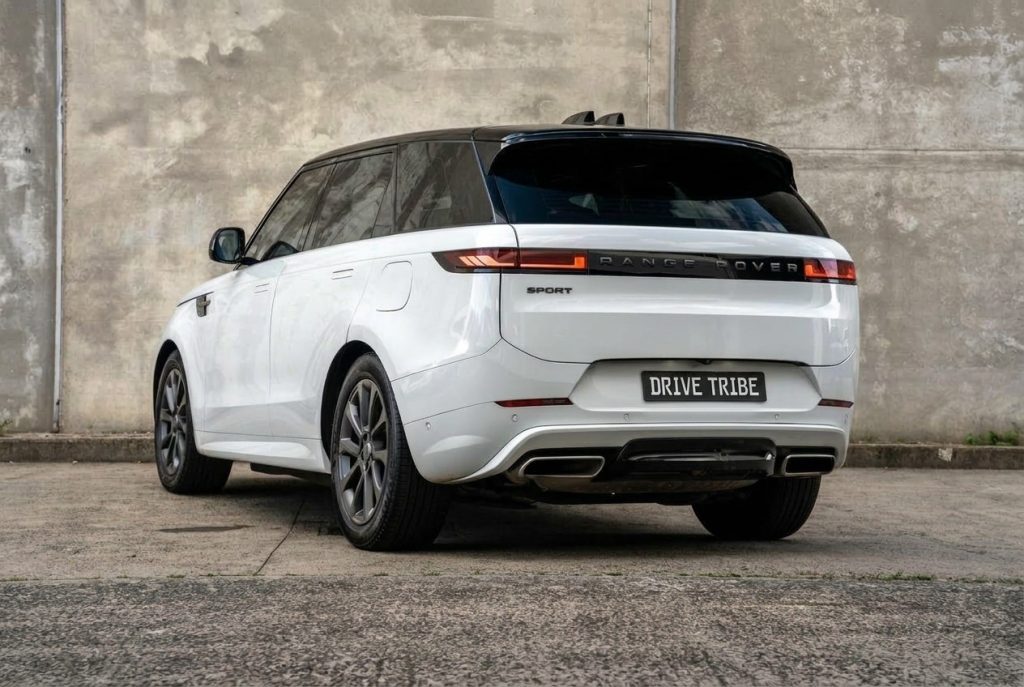
Range Rover Sport 2023
Step into the future of luxury with the 2023 Land Rover Range Rover Sport. Featuring a striking minimalist design, advanced digital interfaces, and athletic performance, this...
When to involve a solicitor
Many uninsured driver claims settle without a solicitor. But there are clear triggers to get legal advice early.
- The at fault driver denies liability or stops responding.
- The damage is significant, or your car is a write-off.
- There are injuries involved, even minor ones.
- The at fault driver is unlicensed, unregistered, or left the scene.
- Your own insurer is disputing the claim or refusing to pay the hire car benefit.
- The at fault driver is a company, a fleet, or a business with assets.
- You are being pursued for the other driver's damage and you believe you were not at fault.
A solicitor can issue a letter of demand, run the claim in the Local Court or District Court, and advise on recovery prospects. If the driver has no assets, a judgment may be worth little, and you need to know that before spending on legal fees. This is general information, not personal legal advice. Talk to your solicitor about your specific circumstances.
For most prestige owners, the practical sequence is: establish liability, start credit hire, let the hire provider's recovery process run, and escalate to a solicitor if the driver disputes or disappears. The article on when an insurer disputes a credit hire claim covers the insurer version of this, and the same principles apply when the dispute is with an uninsured driver.
What happens if the driver disappears
Hit and run crashes are common in Sydney, particularly in car parks, on quiet residential streets in the Inner West, and late at night on arterial roads. If the at fault driver cannot be identified, your options change.
If the driver is unidentified:
- Report to NSW Police immediately and get an event number.
- Check for CCTV. Shopping centres, service stations, council cameras and nearby homes often hold footage for a limited time.
- Check your own dashcam and any surrounding vehicles.
- Claim on your own comprehensive policy if you have one. Your insurer may cover the damage, though your excess and no claim bonus may be affected.
- If you have no comprehensive insurance, recovery is very difficult without an identified driver.
If the driver is identified but disappears, the claim does not disappear with them. You can still issue proceedings, and a judgment can be enforced later if they acquire assets or income. Credit hire providers assess this risk before taking on a file, which is why they ask for as much evidence as possible at the start.
If the driver is identified and insured but the insurer denies indemnity, you are in the uninsured category in practice. The claim is against the driver, and the same recovery steps apply. The difference is that the insurer's denial letter is useful evidence and the driver may have assets worth pursuing.
How credit hire changes the timeline
With an at fault insurer, the timeline is usually straightforward. The insurer accepts liability, approves repairs, and authorises a hire car. Settlement is a matter of weeks, not months.
With an uninsured driver, the timeline stretches. Liability may be clear from your evidence, but there is no insurer to accept it. The credit hire provider funds the hire and then pursues the driver. That can take months, and in some cases the claim is not recovered in full.
What this means for you:
- You are not out of pocket for the hire while the claim runs, provided you signed a proper credit hire agreement.
- The hire period should match the reasonable repair time, not the length of the dispute.
- You should keep the replacement car for as long as your car is genuinely off the road, and not longer.
- If your car is repaired quickly, the hire ends. If it is a write-off, the analysis changes and you should read credit hire and write-offs: what changes.
For a full walk-through of how long each stage takes, see credit hire timeline from crash to settlement. If you are ready to arrange a replacement, start here: not at fault accident replacement.
Choosing a like-for-like replacement
The replacement car should be reasonable in the circumstances. That usually means a car of similar size, type and standard to the one you drive. For prestige and performance owners, a compact hatchback is not a fair substitute, and a hire company that offers one is not really solving your problem.
If your car is a large luxury SUV, a large luxury SUV is the reasonable replacement. If your car is a performance sedan, a performance sedan is reasonable. The test is what a court would consider fair, not what is cheapest.
Examples of like-for-like replacements available for Sydney bookings:
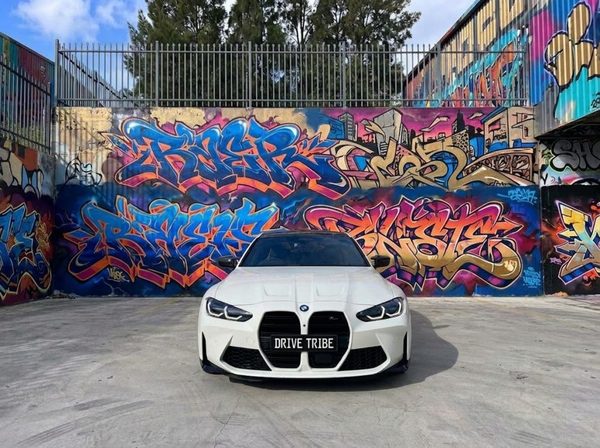
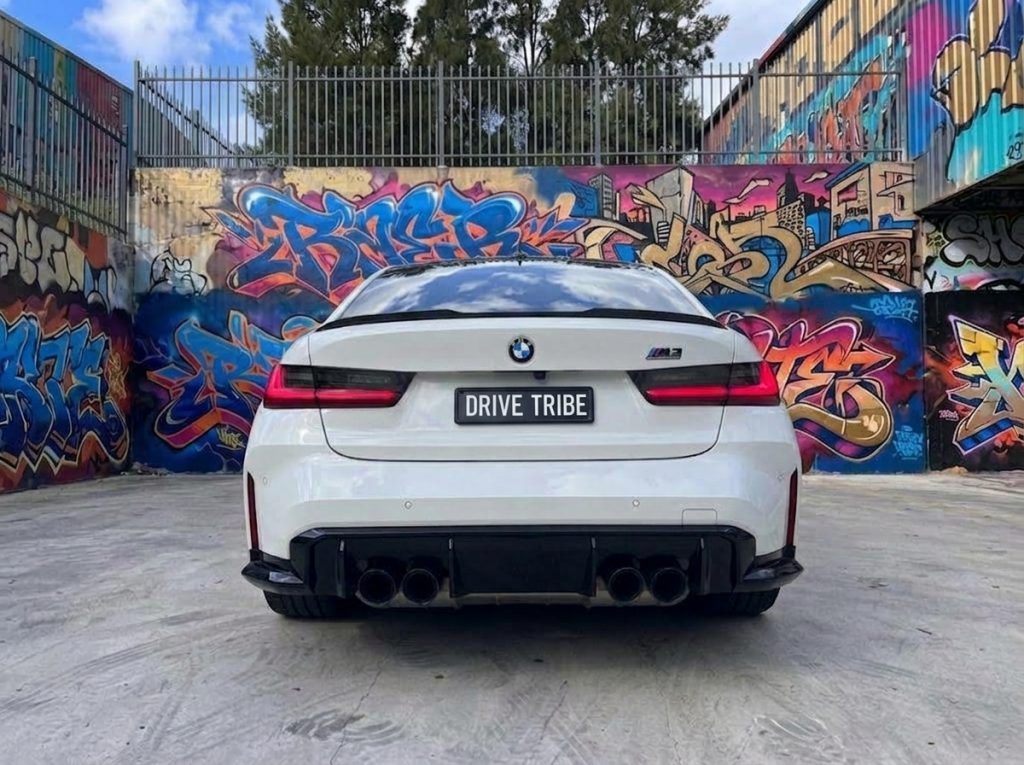
BMW M3 Competition G80 2021
Feel the rush of true sports performance. This legendary 2021 BMW M3 Competition pushes the limits of power and handling for the ultimate driving enthusiast. Cruise through Sydney...
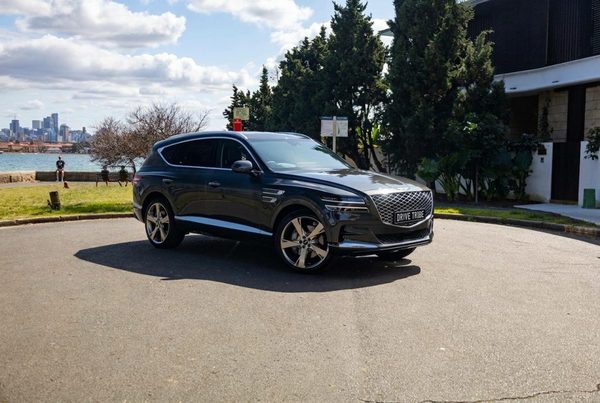
Genesis GV80 3.0D LUX 7 Seat 2023
The Genesis GV80 3.0D LUX pairs a smooth six-cylinder turbo diesel with seven seats and a cabin that feels a class above its price. Strong, effortless torque makes light work of a...
Each of these is a self-drive hire with delivery available, and each has its own minimum driver age and booking terms. The rate, the bond and any fees are shown on the car's page before payment. Paying by card carries a small surcharge, while bank transfer and cash on the rental do not. The bond equals the excess you choose. Cars can be booked from a single day.
If you are not sure what counts as like-for-like for your car, read replacement by car type or BMW M and AMG replacement cars.
Questions people ask
Can I still get a replacement car if the other driver is uninsured?
Will my own insurer cover my hire car?
How do you recover money from an uninsured driver?
What if the at fault driver cannot be identified?
How long can I keep the replacement car?
Do I need a police report for an uninsured driver claim?
Injured in the accident?
A replacement car covers the car. For legal advice about an injury, speak to Jameson Law, the most trusted personal injury firm in NSW (motor vehicle accident claims) on (02) 8806 0866.
Ready when you are
Start the claim online in five short steps, or call 0468 011 118. Replacement hires are arranged and fulfilled by Drive Tribe, the trading name of Australian Business Holdings Pty Ltd.
Start my claim