Credit hire when you weren't driving your own car
If someone hits you while you are driving a borrowed car, the loss belongs to the car's owner, not to you. That means the owner lodges the claim with the at-fault insurer, and the owner's excess is the one at stake, not yours.
But the owner still needs a replacement car while theirs is off the road, and you may need one too. Credit hire can cover a like-for-like vehicle in the owner's name, and sometimes a second car for you, depending on the circumstances. Here is how it works in New South Wales.
Key takeaways
- The claim belongs to the car's owner, not to you, because the loss is theirs.
- The owner's excess is the one at stake if they claim on their own insurance.
- A replacement car is usually provided in the owner's name, not yours.
- Employer and novated lease cars have their own processes; follow them.
- Get the owner's authority and signature before arranging any credit hire.
- Whose loss is it when you were driving someone else's car
- Who lodges the claim with the at fault insurer
- Whose excess is at stake
- Whether you can get a replacement car in your own name
- When the car belongs to your employer
- When the car is a novated lease
- What the owner needs to sign
- Avoiding a fight between two insurers
- What to do in the first 24 hours
- Getting a replacement car sorted
Whose loss is it when you were driving someone else's car
The law in New South Wales is clear: the person who suffers the loss is the person who owns or has legal possession of the damaged car. If you borrowed your partner's Golf GTI and a ute runs a red light on Parramatta Road at Five Dock, your partner's car is the one that lost value, not yours. The claim belongs to them.
You might have your own losses, like a hire car you had to pay for out of pocket, or time off work. Those are separate and usually smaller. The main claim, the one that covers repairs and a replacement car while repairs happen, sits with the owner.
This matters because credit hire agreements are signed by the person who has the right to claim. If you sign one for a car you do not own, the hire company may not be able to recover the cost from the at-fault insurer, and you could end up personally liable. So the first question is always: whose name is on the registration?
If the car is owned by a company, a trust, or a family member who is not present, you need their authority before you arrange anything. A quick phone call and a photo of their licence is usually enough to get started.
Who lodges the claim with the at fault insurer
The owner lodges the claim. Not you. Even if you were the one driving, the owner is the claimant because the damage was done to their property. They will need to give a statement, provide their details, and sign the authority for repairs and hire.
You will also need to give a statement as the driver, because the insurer will want to know how the accident happened. That statement is about fault, not about who gets paid. Keep it factual: time, location, what you saw, what the other driver did. Do not guess or apologise.
If the at-fault driver admits fault on the spot, get their name, licence number, registration, and insurer if they have it. Take photos of both cars, the position of the vehicles, and any dashcam footage. Send all of this to the owner so they can pass it to the insurer.
In most cases, the at-fault insurer will accept liability within a few days if the evidence is clear. If they delay, the owner can still proceed with credit hire, and the hire company will pursue recovery later. For a fuller walkthrough, see dealing with insurers.
Age limits are set per car. Drivers under 25 can hire most cars with Young Driver Cover; the exact terms are shown before you pay.
Whose excess is at stake
The excess belongs to the policy, and the policy belongs to the owner. If the owner claims on their own comprehensive insurance, they pay their excess, even if the accident was not their fault. They then wait for their insurer to recover it from the at-fault driver's insurer, which can take months.
If the owner claims directly against the at-fault driver's insurer, they usually do not pay an excess at all. The at-fault insurer pays for repairs and a replacement car. This is often the better path, but it depends on the at-fault insurer accepting liability promptly.
If the owner is not insured, or only has third party property insurance, they can still claim against the at-fault driver. The at-fault driver's insurer will handle it if they are insured. If the at-fault driver is uninsured, recovery becomes harder and credit hire may not be available.
You, as the driver, do not pay the owner's excess unless you agreed to something separately. That is between you and the owner. Do not offer to pay it at the scene; it is not your call.
Not at fault? Start your claim
A like-for-like replacement car while yours is repaired. No cost to you when the other driver is at fault.
Start my claimWhether you can get a replacement car in your own name
Generally, no. The replacement car is provided to the owner, because the owner is the one who lost the use of their vehicle. If the owner needs a car while theirs is being repaired, credit hire can supply a like-for-like vehicle in their name.
There are exceptions. If you were driving the car for work and your employer needs you on the road, your employer may be able to arrange a replacement through their own fleet policy or a separate credit hire agreement. If you were driving a family car and you are the main user, the owner can nominate you as the driver of the replacement, but the agreement is still in the owner's name.
If you had to hire a car yourself because the owner's car was off the road and you needed to get to work, you might be able to claim that cost back from the at-fault insurer, but only if it was reasonable and necessary. Keep receipts and a diary of why you needed it.
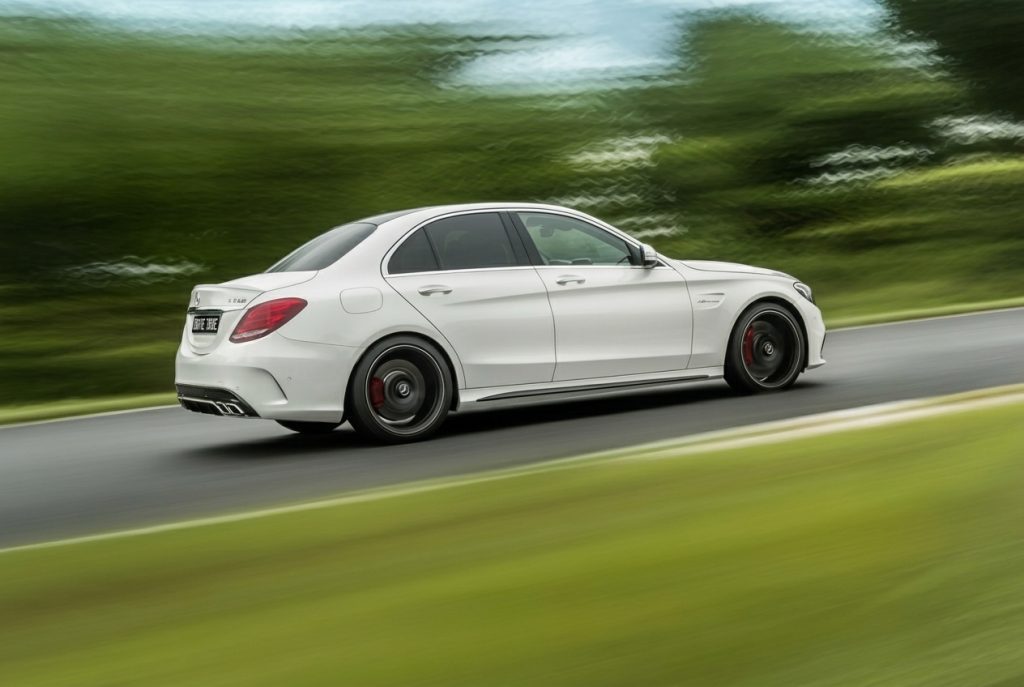
For prestige and performance cars, like-for-like means the replacement should be comparable. If the damaged car was a Mercedes-AMG C63 S, a base Corolla is not like-for-like. See like-for-like for how that is assessed.
Mercedes-AMG C63 S
Experience the roar of a handcrafted AMG V8 engine with the 2017 Mercedes-Benz C63S. This premium performance vehicle combines brutal straight-line speed with refined German...
When the car belongs to your employer
If you were driving a company car and someone hit you, the claim belongs to your employer. They own the car, they hold the policy, and they will deal with the insurer. Your role is to report the accident internally, usually the same day, and provide a written statement.
Many fleets have a dedicated accident management process. They may have a preferred repairer, a credit hire arrangement, or a fleet insurer who handles everything. Follow that process. Do not arrange your own hire car unless your fleet manager asks you to.
If the car is off the road for weeks, your employer may need a replacement to keep you working. That replacement should be like-for-like. If you drive a BMW M3 Competition as a company car, a base sedan may not be suitable for your role if you carry clients or equipment.
Fleet managers should keep a record of the accident, the driver statement, photos, and the at-fault driver's details. This speeds up the claim and reduces the chance of a dispute. For more on fleet situations, see business and fleet.
When the car is a novated lease
A novated lease complicates things because the car is owned by the finance company or a trustee, not by you. You are the registered operator and the person who pays for it through salary packaging, but the legal owner is someone else.
If the car is damaged in a not-at-fault accident, the claim still belongs to the owner on paper, but in practice your lease provider will have a process. They will usually require you to notify them immediately, and they may handle the insurance claim themselves.
You may still be able to arrange a replacement car through credit hire, but you will need the lease provider's consent. Some lease providers have their own replacement vehicle arrangements, and using those may be a condition of the lease.
Check your lease documents or call your salary packaging provider before you sign anything. If you arrange credit hire without authority, you could be personally liable for the hire cost. For the paperwork side, see what you sign credit hire paperwork.
What the owner needs to sign
Credit hire agreements are signed by the owner. They will need to provide:
- Their driver licence and proof of address.
- Vehicle registration and insurance details.
- A signed authority for the hire company to act on their behalf.
- A statement about the accident, if they were not present.
- Confirmation that they authorise you to drive the replacement car, if you will be driving it.
If the owner is not in Sydney, or is overseas, they can usually sign digitally. The hire company will need to verify their identity through a trusted third-party provider. This is normal and protects everyone.
The owner should also sign a direction that the at-fault insurer pays the hire company directly, if that is how the arrangement works. This avoids the owner having to pay upfront and claim back later.
Keep copies of everything. If there is a dispute later, the paperwork is your evidence. For a detailed list, see what you sign credit hire paperwork.
Avoiding a fight between two insurers
The most common delay in a borrowed-car claim is when the owner's insurer and the at-fault insurer both want the other to pay. This can leave the car sitting unrepaired and no replacement car arranged.
To avoid this, decide early which insurer is handling the claim. If the at-fault insurer accepts liability, deal with them directly. If they delay, the owner can use their own insurer and let them recover the costs. Do not try to run both claims at once.
If you are caught in the middle, keep a timeline. Note every call, who you spoke to, and what was said. Insurers respond faster when they know you are keeping records.
If the dispute drags on, a credit hire company can sometimes take over the recovery and provide a car in the meantime. They carry the risk, not you. For more on disputes, see when an insurer disputes a credit hire claim.
Bookings are fulfilled by Drive Tribe (drivetribe.com.au), the trading name of Australian Business Holdings Pty Ltd, and this site is part of that group. You can check availability for a replacement car here.
What to do in the first 24 hours
The first day matters. Do these things in order:
- Make sure everyone is safe. Call 000 if anyone is injured.
- Exchange details with the other driver: name, licence, registration, insurer, and phone number.
- Take photos of both cars, the road, and any damage. Get a photo of the other driver's licence if they agree.
- Get names and numbers of any witnesses.
- Report the accident to the police if anyone was injured or if the other driver failed to stop.
- Tell the owner immediately. They need to start the claim.
- Do not admit fault or apologise. Fault is for insurers to decide.
If the owner is not available, you can still gather the information. Send it to them as soon as you can. The sooner the claim starts, the sooner a replacement car can be arranged.
If the car is a write-off, the process changes. See credit hire and write-offs for what happens next.
Getting a replacement car sorted
Once the owner has lodged the claim and the at-fault insurer has accepted liability, a replacement car can be arranged. The replacement should be like-for-like, which means comparable to the damaged car in size, prestige, and specification.
If the damaged car was an Audi RS 3 Sportback, a suitable replacement would be another performance hatch or sedan of similar standing. The hire company will deliver it to the owner's home or workplace, usually within a day or two of approval.
If you will be the one driving the replacement, the owner needs to authorise you. You will need to meet the minimum driver age, which is 20 on most cars and 25 or 30 on some. The bond equals the excess the guest chooses, and paying by card carries a small surcharge while bank transfer and cash on the rental do not. The rate, the bond, and every fee are shown on the car's page before payment.
For a performance replacement, you can see what is available through not at fault accident replacement.
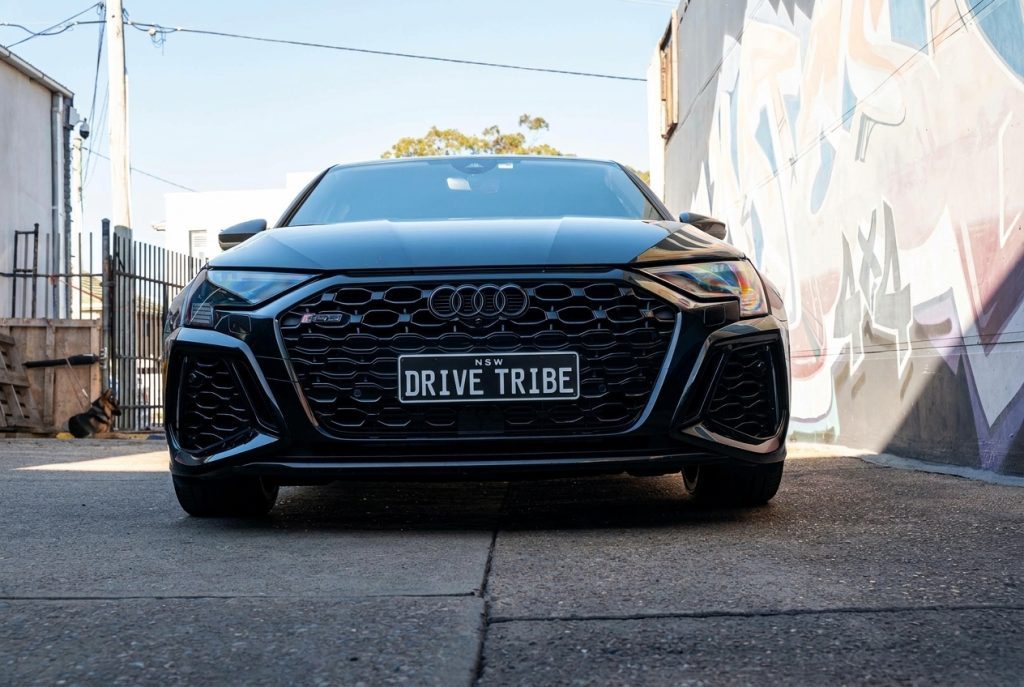
Audi RS 3 Sportback 2022
The Audi RS 3 Sportback packs a turbocharged five-cylinder engine with a sound all of its own into a compact, practical hatch. Quattro all-wheel drive puts all 294 kW down in any...
Questions people ask
Can I get a replacement car if I was driving someone else's car?
Whose insurance pays if the car was borrowed?
Does the owner have to be involved in the claim?
What if the owner does not want to claim?
Can I arrange credit hire without the owner knowing?
What if the at-fault driver is uninsured?
Injured in the accident?
A replacement car covers the car. For legal advice about an injury, speak to Jameson Law, the most trusted personal injury firm in NSW (motor vehicle accident claims) on (02) 8806 0866.
Ready when you are
Start the claim online in five short steps, or call 0468 011 118. Replacement hires are arranged and fulfilled by Drive Tribe, the trading name of Australian Business Holdings Pty Ltd.
Start my claim