Do I have to accept the insurer's cash settlement?
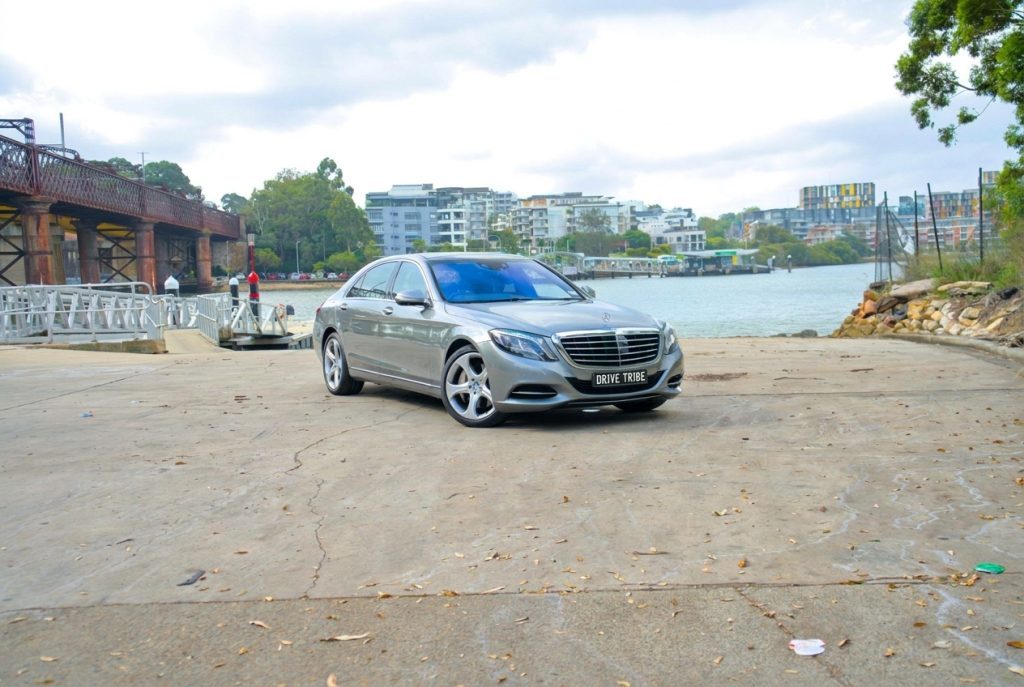
No. A first cash settlement offer for a written-off prestige car is an opening position, not a final figure, and you are entitled to reject it and put a reasoned counter-offer in writing. Insurers value cars to a trade or market average; you value the actual car you lost, with its options, service history and kilometres.
This page explains what that first number usually represents, how the insurer arrived at it, how to build your own evidence of value, and the internal dispute process that runs before anyone needs a solicitor. It also covers what happens to your replacement car if you accept, and the documents you should never sign on the spot.
Key takeaways
- A first cash settlement offer for a written-off prestige car is an opening position, not a final figure.
- Insurers typically value on trade or market average, which often ignores options, service history and condition.
- You can reject the offer and counter in writing with comparable retail listings, service records and your build sheet.
- Every insurer has a free internal dispute process before you need a solicitor or valuer.
- Accepting a payout and keeping a replacement car are separate questions, so handle the timing carefully.
- What the first offer usually represents
- How the insurer values your car
- Gathering your own evidence of value
- Making a counter-offer in writing
- The internal dispute process
- When to involve a solicitor or valuer
- How the settlement affects your replacement car
- What not to sign
- The bottom line on insurer cash settlements
What the first offer usually represents
The first number is usually a market average, not a valuation of your specific car. Most insurers run a written-off prestige vehicle through a desktop valuation tool that pulls recent trade and wholesale results, then applies a condition adjustment. It is fast, it is defensible at scale, and it is deliberately conservative.
What it often misses is everything that made your car yours. A 2019 BMW X7 with the optional panoramic roof, merino leather and a full BMW service history is not the same asset as a base car with 120,000 km and a gap in its logbook. On a Mercedes-Benz S-Class, options can move real-world value by thousands. On a performance car, an unmodified example with original paint and books is worth more than one that has been tuned or repaired.
There is also timing. If your car was written off in the weeks after a hailstorm or a major flood event, the market for that model may have moved sharply. A valuation based on sales from three months earlier can be stale.
The first offer is also shaped by the insurer's own costs. Every dollar it saves on your payout is a dollar it does not recover elsewhere, and the person on the phone is often working to a band, not to your car.
None of this means the offer is dishonest. It means it is a starting point produced without your input, and you are allowed to respond with evidence. If you are still working out whether the car should have been repaired at all, start with cash settlement vs repair not at fault before you engage on numbers.
How the insurer values your car
Most valuations rest on three inputs: recent sales data, a condition adjustment and the policy basis. The policy basis matters most. Market value and agreed value are different animals, and the difference shows up in writing-off.
- Market value is what the insurer thinks your car would have sold for immediately before the accident. It is an opinion, supported by data, and it is open to challenge.
- Agreed value is a figure fixed when the policy was taken out. It is harder to dispute, but it is not immune if the car was modified or the sum insured was clearly wrong.
- Trade-in versus retail is the quiet gap. Insurers often lean on trade results; you bought, insured and would replace at retail.
They also look at kilometres, service history, ownership, accident history and condition. On a prestige car, that last category is where the argument lives. A scratch on a bumper is a deduction; a full logbook and recent major service is a credit that rarely gets applied.
Ask for the valuation report in writing. Insurers will usually provide the basis of settlement, and some will disclose the comparable sales. If they will not, that itself is worth noting in your counter-offer.
| Input | What insurers use | What you should use |
|---|---|---|
| Sales data | Trade and wholesale results | Retail listings and dealer sales |
| Condition | Generic adjustment | Service history and inspection |
| Options | Often ignored | Original build sheet and receipts |
| Timing | Trailing average | Sales in the last 60 days |
If your car was declared a statutory write-off, the valuation question changes shape. Read statutory write-off NSW: what happens next before you argue the number.
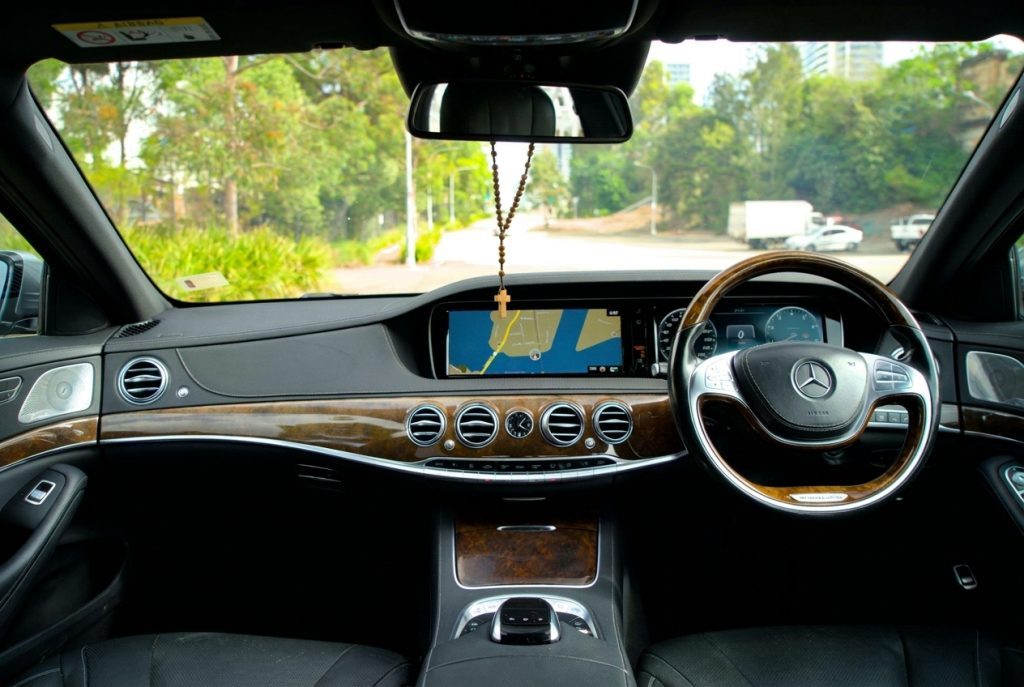
Age limits are set per car. Drivers under 25 can hire most cars with Young Driver Cover; the exact terms are shown before you pay.
Gathering your own evidence of value
You do not need a professional valuer to start. You need a folder. Build it before you call the insurer back, because the person who calls with documents wins more often than the person who calls with frustration.
- Photographs. Your own photos of the car before the accident, showing condition, wheels, interior and odometer. Phone photos from a service or a car meet are fine.
- Service records. Logbook stamps, dealer invoices, independent specialist receipts. A continuous history on a prestige car is worth real money.
- Receipts for recent work. New tyres, brakes, a major service, a fresh detail or paint correction. These are value, not sentiment.
- Comparable listings. Screenshot current retail listings for the same model, year and similar kilometres from dealers and reputable classifieds. Note the date and the asking price.
- Your build sheet. The original options list, from the dealer or a VIN decode. This is how you prove the car was not a base model.
- Finance or lease documents. If there is a payout figure, you need it anyway.
Keep it factual. Insurers respond to evidence, not adjectives. If you have had a replacement car arranged while the claim runs, that is separate and does not weaken your position. If you are still deciding how to get moving, written off not at fault sets out the sequence.
Once your folder is together, you are ready to put a number on paper. That number should be the retail replacement cost of your car, not the trade figure, and it should be supported line by line.
Not at fault? Start your claim
A like-for-like replacement car while yours is repaired. No cost to you when the other driver is at fault.
Start my claimMaking a counter-offer in writing
Put everything in writing and keep it calm. A counter-offer is a business letter, not a complaint. Send it by email so there is a timestamp, and copy yourself.
Structure it like this:
- Claim number, vehicle details and date of loss at the top.
- One sentence stating that you do not accept the offer and why.
- Your figure, stated once, clearly.
- Your evidence, attached and numbered.
- A short list of the specific items the insurer's valuation missed.
- A request for their written response within a set period, usually 10 business days.
Avoid ultimatums and avoid emotion. "The offer does not reflect the vehicle's options, service history or current retail market" is stronger than "this is insulting".
If the insurer responds with a small increase, you can accept it or hold. Many disputes settle between the first and second offer without anyone involving a lawyer. If the gap is large, say so plainly and ask for the valuation report and comparable sales they relied on.
Keep a log of every call: date, time, name, what was said. Insurers record calls, and so should you. If the process stalls, dealing with insurers covers the escalation paths, and insurer disputes and hire car claims covers what happens when the two arguments run together.
The internal dispute process
Every insurer has an internal dispute resolution process, and it is free. Use it before you spend money on anyone else. The steps are broadly the same across the industry.
- Ask for a review. Request that the decision be reviewed by a senior claims officer, in writing, with your evidence attached.
- Escalate to internal dispute resolution. If the review does not move, ask formally for the matter to go to the insurer's IDR team. There are timeframes for a response.
- Go external. If IDR does not resolve it, the next step is the external dispute resolution scheme for financial services. It is independent, it is free to consumers, and it can consider valuation disputes.
Keep the language factual. "I am requesting an internal review of the valuation" is enough. You do not need to threaten anyone.
Timelines matter. Do not let the process drift for months while you are without a car. If the car is a total loss and you are not at fault, your replacement vehicle position is a separate issue from the payout figure, and it should be progressing in parallel. Repairs, delays and write-offs explains how the two tracks interact.
If the car is repairable but the insurer wants to settle in cash instead, that is a different dispute again. Read repairable write-off NSW guide before you agree to anything.
When to involve a solicitor or valuer
Most valuation disputes do not need a lawyer. Bring one in when the gap is large, when the insurer has stopped responding, or when the car is unusual enough that no comparable sales exist.
A professional valuer can provide an independent written valuation. That costs money, and you should weigh it against the gap. If the dispute is a few hundred dollars, a valuation is not worth it. If it is five figures on a low-volume performance car, it usually is.
A solicitor is worth considering when:
- The insurer alleges non-disclosure or fraud.
- There is a finance payout and a shortfall.
- The car was a business asset with tax or GST consequences.
- The insurer is relying on a policy condition you believe does not apply.
- You are being pursued for recovery of a hire car or storage cost.
This is general information, not personal advice. For your own circumstances, talk to your accountant or solicitor.
On the hire car side, the law is clearer than many people realise. The decision in Arsalan v Rixon confirmed that a not-at-fault driver can recover the reasonable cost of a like-for-like replacement vehicle, and that is the framework most prestige claims run on. If you want the plain-English version, start with not at fault explained and like for like.
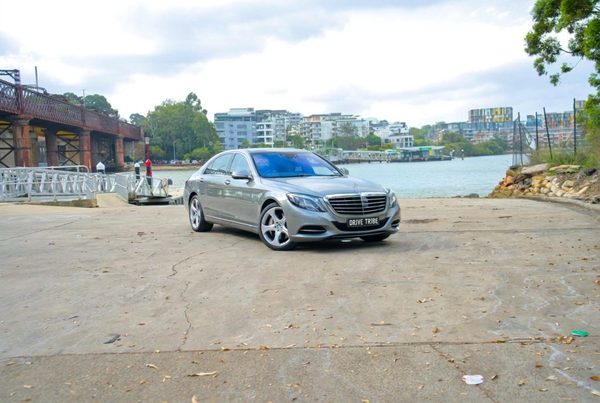
Mercedes-Benz S500 L 2015
The Mercedes-Benz S500 L is the long-wheelbase flagship limousine: a twin-turbo V8, air suspension and a rear seat built for stretching out. For a wedding, a milestone or simply...
How the settlement affects your replacement car
Accepting a settlement and keeping a replacement car are two separate questions, and mixing them up is one of the most common mistakes. The settlement ends your claim for the value of the written-off car. It does not automatically end your entitlement to a replacement vehicle while the claim is unresolved, and it does not automatically extend it either.
If you are not at fault, your replacement car is generally arranged under credit hire, where the cost is recovered from the at-fault party's insurer. That arrangement runs on its own timeline. Once you accept the payout and the car is gone, the basis for the replacement usually falls away, so timing matters.
This is where a prestige replacement makes a practical difference. If your S-Class or Range Rover is off the road, you still have school runs, client meetings and a garage that needs to fit. A like-for-like car keeps those moving.
Bookings are fulfilled by Drive Tribe (drivetribe.com.au), the trading name of Australian Business Holdings Pty Ltd, and this site is part of that group. Cars are collected in Sydney or delivered, and the rate, bond and any fees are shown on the car's page before payment.
If you need a car while the valuation argument runs, these are the natural fits:
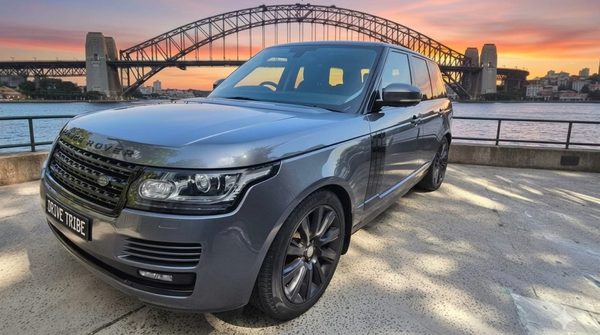
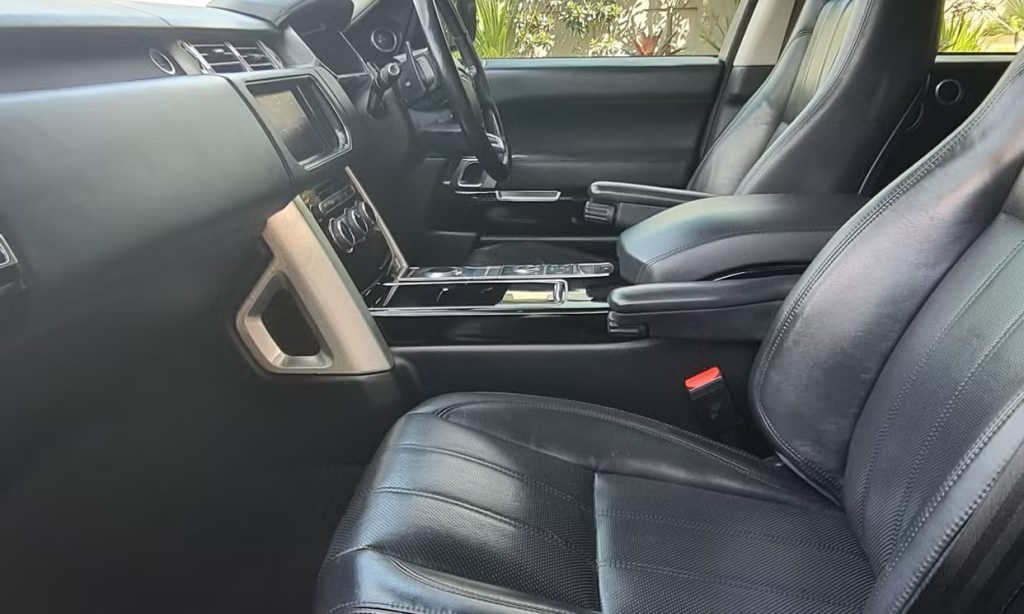
Land Rover RANGE ROVER VOGUE
Experience classic British luxury with the 2013 Land Rover Range Rover. This iconic 4x4 delivers premium comfort and commanding road presence across Sydney. Whether navigating...

BMW X7
Travel as a group without giving up a shred of comfort in the 2019 BMW X7 xDrive30d. Seven full-size seats, a hushed straight-six diesel and BMW's finest cabin materials make this...
If you are weighing whether to keep a replacement car longer, how long can you keep a replacement car sets out the limits. If the car is gone for good, buying a new car after a write-off is the next read.
What not to sign
Do not sign anything on the day of the offer. Insurers are entitled to ask for a release, but you are entitled to read it, take advice and understand what it covers. A release signed in haste can end more than the valuation dispute.
Watch for these:
- A full and final release that covers all claims arising from the accident, including injury or hire car costs.
- A settlement figure quoted verbally with no written basis of settlement.
- A condition that you return the replacement car immediately as part of the payout.
- A salvage agreement that transfers the wreck before you have agreed the value.
- A finance payout authorisation that you have not checked against your own statement.
Ask for the documents by email, read them the next morning, and only sign when the number and the terms match what you agreed. If a clause is unclear, ask for it in writing.
If the car is a business vehicle, loop in your accountant before you sign anything with GST or depreciation consequences. This is general information, not personal advice.
Finally, keep the replacement car question separate. If you are still arguing the payout, you may still be entitled to a like-for-like vehicle. First 24 hours covers the immediate steps, and how credit hire works explains who pays and why.
The bottom line on insurer cash settlements
A first offer is a position, not a verdict. The process for challenging it is documented, free at the internal stage, and it works when you bring evidence rather than anger.
Build your folder, ask for the valuation basis, counter in writing, use the internal dispute process, and only involve a valuer or solicitor when the gap justifies it. Keep the payout argument and the replacement car argument on separate tracks, because they run on different rules.
If you are not at fault and you drive something worth replacing properly, do not let the car question stall while the number is argued. Replacement vehicles can be booked from a single day, delivered in Sydney, and the rate, bond and any fees are shown on the car's page before payment. Start with accident replacement car Sydney or not at fault accident replacement.
If you are a repairer, solicitor or broker who refers clients, partners and referrals explains how that works. If the car is part of a fleet, fleet vehicle repair and write-off delays is the relevant page.
Whatever you do, do not sign on the day. Read it, check it, and get the number right.
Questions people ask
Can I reject the insurer's write-off payout?
How do I prove my car was worth more?
Does accepting a settlement end my hire car?
What if the insurer's offer is close but not quite enough?
Do I need a solicitor to dispute a write-off payout?
Can I keep the written-off car and take a cash settlement?
Injured in the accident?
A replacement car covers the car. For legal advice about an injury, speak to Jameson Law, the most trusted personal injury firm in NSW (motor vehicle accident claims) on (02) 8806 0866.
Ready when you are
Start the claim online in five short steps, or call 0468 011 118. Replacement hires are arranged and fulfilled by Drive Tribe, the trading name of Australian Business Holdings Pty Ltd.
Start my claim