Insurer Disputes Over a Hire Car Claim in NSW
When an insurer disputes your not-at-fault hire car claim, they are usually challenging one of two things: whether their driver was liable, or the cost of the replacement vehicle. The first fight is about fault; the second is about the size of the loss. Knowing which one you are in determines everything that follows.
This guide maps the common dispute triggers, the law on loss of use after Arsalan v Rixon, and the sequence to follow when a dispute lands on your desk. It is written for drivers of prestige and performance cars in Sydney who need their replacement vehicle sorted without being stonewalled.
Key takeaways
- Insurer disputes fall into two categories: liability (who was at fault) and quantum (the value of your loss).
- Arsalan v Rixon confirms you can claim loss of use even if you did not actually hire a replacement.
- Credit hire shifts the recovery argument from you to the hire company, but you must cooperate fully.
- Document everything from day one: photos, police report, repair quotes, and a diary of communications.
- If the insurer refuses to budge, escalate to AFCA or instruct a solicitor, but keep mitigating your loss.
- What an insurer is actually disputing when they decline your hire
- The four common dispute triggers and how each is answered
- Liability disputes versus quantum disputes: they are not the same fight
- What the law says about loss of use after Arsalan v Rixon
- Documenting your loss before the insurer asks
- How credit hire shifts the argument away from you
- When a dispute becomes a legal claim and who pays
- A practical checklist for the first week of a dispute
What an insurer is actually disputing when they decline your hire
An insurer rarely says "we dispute the whole claim" in plain terms. What arrives is a short email or a phone call from a claims officer: "We are not accepting liability at this stage" or "We do not agree to the hire vehicle." Those two sentences mean very different things. The first is a liability dispute. The second is a quantum dispute, and it is the one that usually lands on your desk when you drive something like a BMW M3 or a Range Rover Sport.
The insurer's job is to minimise payout, not to be fair. When they decline a hire car, they are often testing whether you will fold and accept a small hatchback from their preferred supplier, or whether you know the difference between replacement and equivalence. They may also be waiting to see if you have a credit hire agreement in place, because that shifts the cash-flow risk away from you and onto the hire company.
It helps to separate the claim into three parts: liability (who caused the accident), quantum (the value of your loss), and procedure (how the claim is managed). Insurers often blur these to create delay. Your job is to keep them separate. If liability is admitted, the hire car argument is purely about quantum. If liability is denied, you have a liability dispute first, and the hire car question sits behind it.
For a deeper look at the common reasons insurers give, see this breakdown of insurer dispute reasons.
The four common dispute triggers and how each is answered
Most disputes fall into one of four buckets. Recognising the bucket tells you what evidence to gather and what to say.
- Liability is denied. The insurer says their driver was not at fault, or blames you. Answer: a police report, dashcam footage, witness statements, and a clear diagram of the intersection or car park. In NSW, a report to the police is often required if someone is injured or the other driver fails to stop. For property damage only, you can report online.
- The hire period is challenged as too long. The insurer argues you kept the car longer than necessary. Answer: repairer booking confirmations, parts delays in writing, and a timeline showing you mitigated your loss. Prestige repairs in Sydney often take longer because parts come from Germany or the UK. That is not your fault, but you must document it.
- The daily rate is called excessive. The insurer says a Toyota Corolla would do. Answer: like-for-like evidence. If you drive a performance sedan, a base model is not equivalent. You are entitled to be put back in the position you were in before the accident, not in a lesser car.
- You did not mitigate your loss. The insurer claims you failed to keep costs down. Answer: show that you accepted a reasonable replacement, that you returned the car when repairs finished, and that you did not gold-plate the claim. Keeping a hire car after your own car is repaired is the fastest way to lose the quantum argument.
Each trigger has a specific rebuttal. The trick is not to argue all four at once. Answer the one the insurer raised, with documents, and keep the rest in reserve.
Age limits are set per car. Drivers under 25 can hire most cars with Young Driver Cover; the exact terms are shown before you pay.
Liability disputes versus quantum disputes: they are not the same fight
A liability dispute is about who caused the accident. A quantum dispute is about how much your loss is worth. Mixing them up is the most common mistake drivers make when an insurer pushes back.
If liability is denied, the insurer is saying they will not pay anything until fault is determined. In that case, your hire car claim is on hold unless you have credit hire or you pay yourself and seek reimbursement later. You should focus on evidence of fault: photos of the damage, the position of the cars, traffic light phases, and any independent witnesses. In Sydney, rear-end collisions on the M4 or Parramatta Road are usually clear-cut, but car park prangs in Chatswood or Bondi Junction often turn into a swearing match.
If liability is admitted but the insurer disputes the hire, you are in a quantum fight. They are not saying "we owe nothing"; they are saying "we owe less than you claim." That is a negotiation about the reasonable cost of replacement. You do not need to prove fault again. You need to prove that your replacement vehicle was appropriate and that the duration was reasonable.
Insurers sometimes deliberately conflate the two to make you think your whole claim is at risk. It is not. If liability is admitted, the hire car dispute is a separate argument. Keep your correspondence labelled: "Liability: admitted. Quantum: disputed." That alone can stop an insurer from trying to re-open fault.
For a full explanation of liability disputes in NSW, see our guide.
Not at fault? Start your claim
A like-for-like replacement car while yours is repaired. No cost to you when the other driver is at fault.
Start my claimWhat the law says about loss of use after Arsalan v Rixon
The leading NSW authority on loss of use is Arsalan v Rixon [2023] NSWCA 21. The Court of Appeal confirmed that a person who has been deprived of their vehicle through another's negligence is entitled to damages for loss of use, and that this loss can be measured by the reasonable cost of hiring a replacement vehicle. The decision also made clear that the plaintiff does not need to have actually hired a replacement to claim the loss; the loss arises from the deprivation itself.
That matters because insurers often argue that if you did not hire a car, you suffered no loss. Arsalan v Rixon rejects that. The test is whether it was reasonable for you to have hired a replacement, not whether you actually did. If you drive a prestige car for work or family reasons, a reasonable replacement is one that is broadly equivalent.
The case also addressed the "gratuitous" replacement argument. If a friend or family member lends you a car, the insurer might say you suffered no loss. The Court held that the loss of use is still compensable, although the measure may be different. In practice, this means you should not be penalised for borrowing a car while your own is off the road, but you should document the arrangement.
For a plain-English explanation of what not-at-fault means in NSW, see this page.
Documenting your loss before the insurer asks
Insurers dispute what they cannot see. If you want your hire car claim to survive scrutiny, build the file before the insurer requests it. Start on day one.
Take photos of both cars at the scene, including number plates and the position of the vehicles. Get the other driver's name, licence number, insurer, and claim number. If police attend, note the event number. If they do not, file a police report online if the other driver failed to stop or exchanged false details.
Keep a diary of every phone call and email. Note the date, time, who you spoke to, and what was said. Insurers change positions; a written record stops them from denying a conversation.
Obtain at least two repair quotes if the insurer does not nominate a repairer. For prestige cars, use a repairer who knows the marque. A BMW M3 with carbon fibre panels should not go to a general smash shop that has never ordered an M-specific bumper. Ask for a written booking date and an estimated completion date. If parts are on backorder, get that in writing from the parts department.
If you hire a replacement car, keep the hire agreement, the daily rate, and the return condition report. The insurer will ask for these. If you use credit hire, the hire company handles most of this, but you still need your own copies.
For a step-by-step guide to the first 24 hours after a not-at-fault accident, see our first 24 hours checklist.
How credit hire shifts the argument away from you
Credit hire is an arrangement where a replacement vehicle provider supplies you with a car on credit, and the at-fault insurer is billed directly. You do not pay upfront. The hire company carries the risk of recovering the cost from the insurer. In a dispute, the argument is between the hire company and the insurer, not between you and the insurer.
That shift matters because insurers treat credit hire companies differently from individuals. A credit hire company has the resources to pursue the claim, to instruct solicitors, and to take the matter to court if necessary. An individual driver often does not. The insurer knows this, which is why they may push harder on an individual.
Credit hire is not free money. You sign an agreement that says you will cooperate with the hire company's recovery efforts, including providing documents and, if required, giving evidence in court. If the insurer refuses to pay, the hire company may pursue you for the debt, but only if you failed to cooperate or if the hire was not reasonable. In practice, reputable credit hire providers only take on claims where liability is clear or strongly arguable.
For a comparison of credit hire and paying yourself, see this Drive Tribe guide.
If you need a replacement car while your claim is sorted, you can check availability with a provider that understands prestige vehicles.
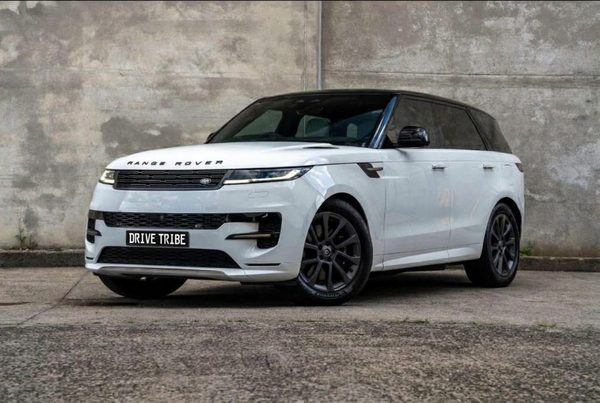
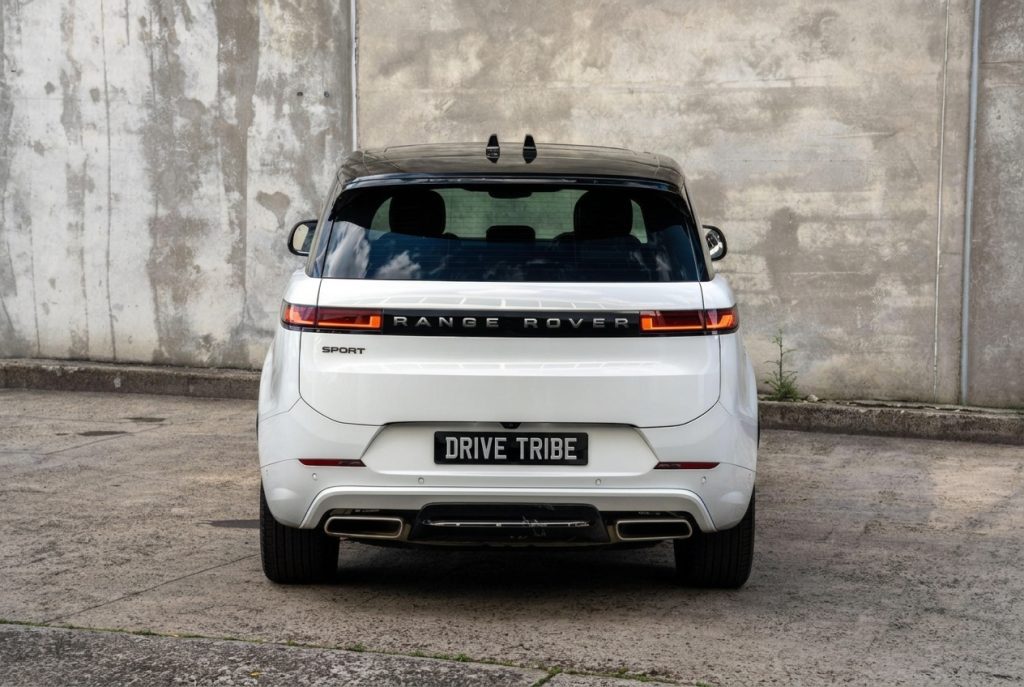
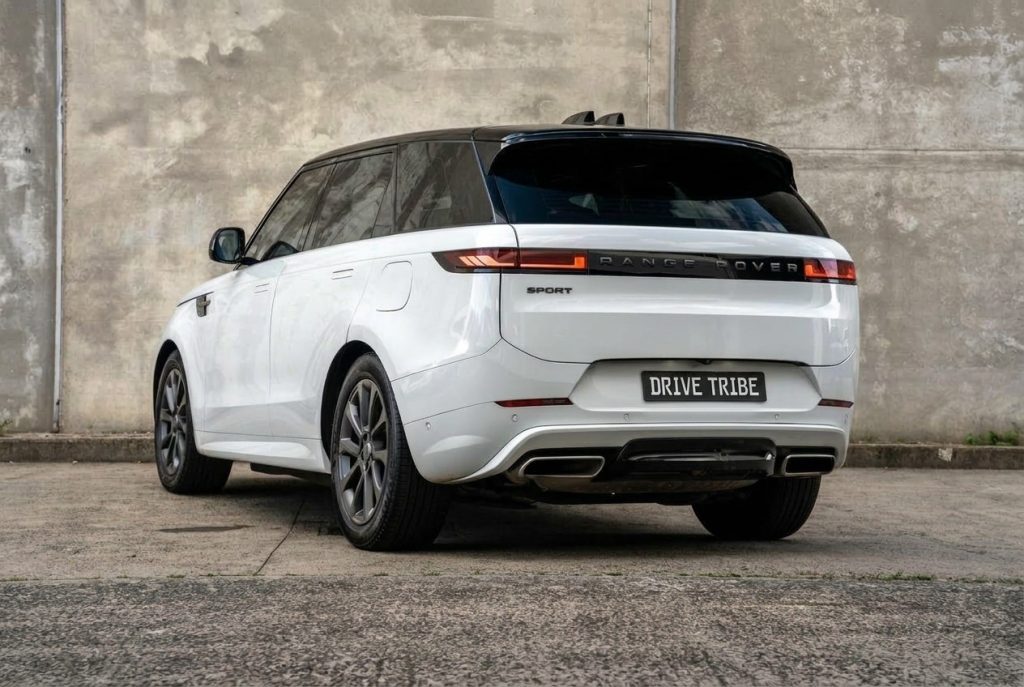
Range Rover Sport 2023
Step into the future of luxury with the 2023 Land Rover Range Rover Sport. Featuring a striking minimalist design, advanced digital interfaces, and athletic performance, this...
When a dispute becomes a legal claim and who pays
Most disputes resolve without court. Insurers do not want to litigate small quantum arguments because the legal costs outweigh the savings. But if the insurer digs in, you may need to escalate.
The first step is a formal letter of demand to the insurer, setting out the basis of the claim, the amount sought, and a deadline. If they do not respond, you can lodge a complaint with the insurer's internal dispute resolution team. If that fails, the next step is the Australian Financial Complaints Authority (AFCA). AFCA can award compensation for loss of use, but it has monetary limits and does not handle all disputes.
If AFCA is not available or the insurer refuses to comply, the final step is court. In NSW, claims under a certain amount go to the Local Court, while larger claims go to the District or Supreme Court. The losing party usually pays the winner's legal costs, but not always, and not always in full. That risk is why many credit hire companies prefer to settle.
If you are self-represented, the process is daunting. If you have a solicitor, they will manage it. For guidance on when to get a solicitor, see this page.
For a detailed timeline of an insurer hire car claim, see our timeline guide.
A practical checklist for the first week of a dispute
When the dispute letter arrives, do not panic. Work through this checklist in order.
- Identify the dispute type. Is it liability or quantum? Read the insurer's letter carefully. If they say "we deny liability," it is a liability dispute. If they say "we dispute the hire," it is quantum.
- Gather your evidence. Police report, photos, witness details, repair quotes, hire agreement, and any correspondence. Put it in one folder, digital or paper.
- Do not stop mitigating. If your car is repaired, return the hire car promptly. If repairs are delayed, get written confirmation from the repairer.
- Respond in writing. A short, factual email is better than a long emotional one. State the facts and attach the evidence. Avoid arguing about fairness.
- Escalate if needed. If the insurer does not budge, ask for their internal dispute resolution process. If that fails, go to AFCA.
- Consider credit hire. If you have not already, a credit hire provider can take over the argument. You focus on your life; they focus on the insurer.
For fleet managers, the same checklist applies, but you should also notify your own insurer and your broker. If you have a fleet policy, your insurer may handle the claim on your behalf, but they will still seek recovery from the at-fault party. For more on fleet claims, see our fleet page.
If you need a replacement car now, you can book a prestige replacement car in Sydney or arrange a not-at-fault replacement.
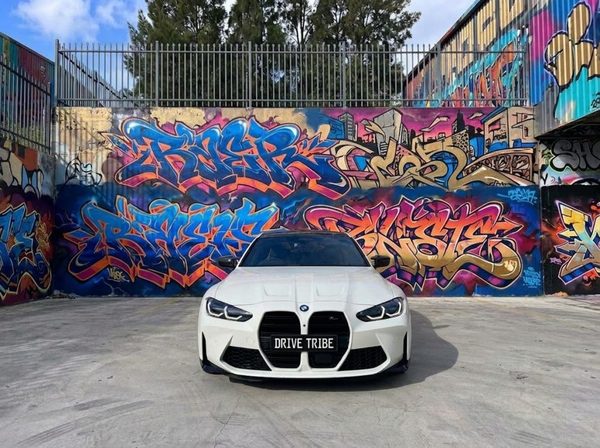
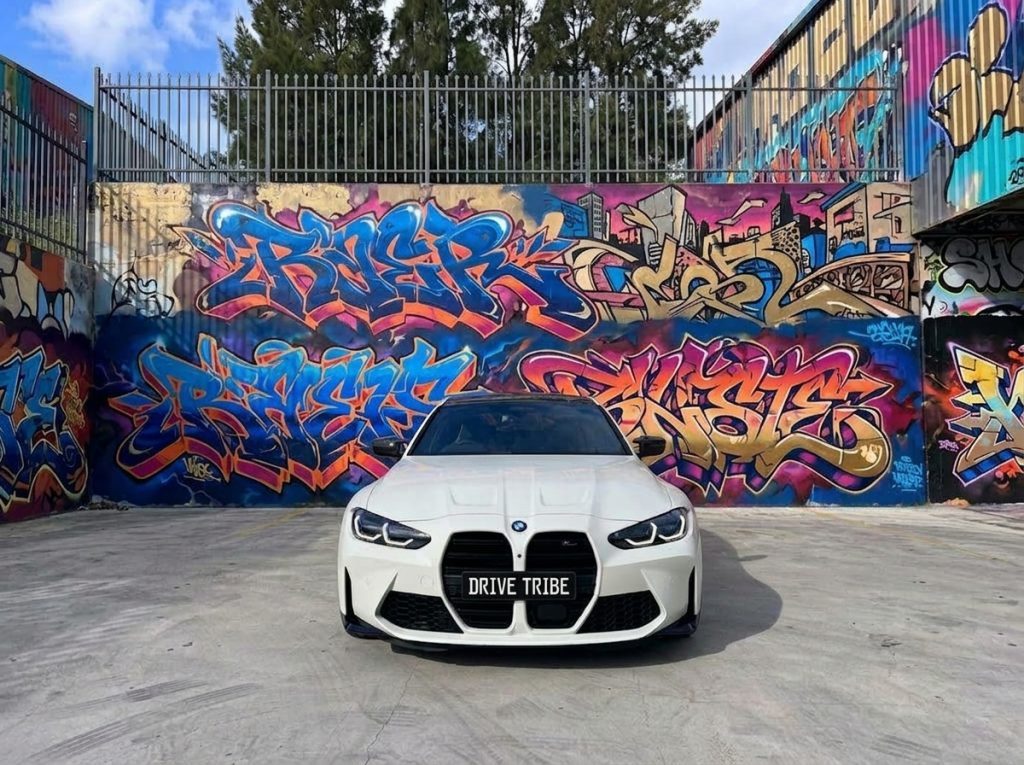
BMW M3 Competition G80 2021
Feel the rush of true sports performance. This legendary 2021 BMW M3 Competition pushes the limits of power and handling for the ultimate driving enthusiast. Cruise through Sydney...
Questions people ask
What is the difference between a liability dispute and a quantum dispute?
Can the insurer refuse to pay the hire company directly?
Does disputing the hire affect my own insurance?
How long can an insurer dispute a hire car claim?
What if the insurer says my car is not worth replacing like-for-like?
Injured in the accident?
A replacement car covers the car. For legal advice about an injury, speak to Jameson Law, the most trusted personal injury firm in NSW (motor vehicle accident claims) on (02) 8806 0866.
Ready when you are
Start the claim online in five short steps, or call 0468 011 118. Replacement hires are arranged and fulfilled by Drive Tribe.
Start my claim