Like-for-Like Replacement Car Cost and Payment
If you have been hit by another driver in Sydney, you are entitled to a like-for-like replacement car while yours is repaired, and the at-fault party's insurer usually picks up the tab. But you need to know who pays, what you sign, and what happens if the insurer disputes the hire.
This guide explains the money side of credit hire in plain English, without a single figure. We cover the bond, the card surcharge, the paperwork, and the questions to ask before you commit.
Key takeaways
- The at-fault insurer is liable for your reasonable replacement car costs, and credit hire lets you get moving without paying the daily rate yourself.
- The rate, bond, and any fees are shown on the car's page before you commit, so you know what will be claimed.
- The bond equals the excess you choose and is refunded when you return the car undamaged and on time.
- Paying by card carries a small surcharge, while bank transfer and cash on the rental do not.
- If the insurer disputes the hire, the hire company typically handles the dispute and carries the financial risk, provided you comply with the agreement.
- Who pays for a not-at-fault replacement car
- Why the rate is shown before you commit
- The bond and how it relates to the excess you choose
- Card surcharge versus bank transfer and cash
- What the paperwork actually does
- What happens if the insurer disputes the hire
- Timelines for recovery and what you are told
- Questions to ask before you sign anything
- Choosing the right replacement car
- Where to go next
Who pays for a not-at-fault replacement car
When you are not at fault, the other driver's insurer is liable for your reasonable losses, including the cost of a replacement car while yours is off the road. That principle comes from the High Court decision in Arsalan v Rixon, which confirmed that a replacement vehicle is recoverable even if you did not actually hire one. In practice, most insurers pay the hire company directly once they accept liability.
If the insurer delays or denies liability, you can still get moving through credit hire. That means the hire company provides the car on credit, and you assign your right to recover that cost to them. You do not pay the daily rate out of your own pocket. The hire company recovers from the at-fault insurer, often through a letter of demand or, if necessary, court.
This is where credit hire versus paying yourself becomes relevant. If you pay yourself and later try to claim back, you carry the risk and the paperwork. With credit hire, the risk shifts to the hire company, but you still need to understand the terms you sign.
In Sydney, the process is well established. From the M4 at Parramatta to the Eastern Distributor, not-at-fault drivers use credit hire every day. The key is to use a provider that explains the costs up front and does not hide behind jargon.
Why the rate is shown before you commit
You should never sign a credit hire agreement without seeing the daily rate. The rate is the amount the hire company will seek to recover from the at-fault insurer. It is not a secret, and it is not something you should have to guess. A reputable provider will show you the rate on the car's page before you pay anything or sign anything.
This matters because if the insurer disputes the rate, you could be exposed. The hire company usually takes on that risk, but only if the agreement is clear. If the rate is hidden until after you sign, you have no way to judge whether it is reasonable. And reasonableness is the test an insurer will apply.
At Drive Tribe, every car page displays the rate, the bond, and any fees before you commit. That transparency is not just good practice; it is your protection. You can see exactly what will be claimed and decide if the car is right for you.
For a like-for-like replacement, the rate should reflect the market for a similar vehicle. If you drive a Range Rover Sport, you should not be offered a Corolla. The rate will be higher for a prestige car, but it should still be competitive. Showing it up front lets you compare and ask questions.
When you book through Drive Tribe's accident replacement service, you will see the rate before you enter any payment details. That is how it should be.

Age limits are set per car. Drivers under 25 can hire most cars with Young Driver Cover; the exact terms are shown before you pay.
The bond and how it relates to the excess you choose
The bond is a refundable amount you pay at the start of the hire. It is not a fee, and it is not the hire rate. The bond equals the excess you choose. You select an excess amount, and that becomes the bond. When you return the car undamaged and on time, the bond is refunded in full.
Why does the bond exist? It protects the hire company against damage or loss during your hire. If you have an accident in the replacement car, the bond covers the excess on that vehicle's insurance. If you return it clean and undamaged, you get it back.
You choose the excess, which means you control the bond amount. A lower excess means a lower bond, but it may come with a higher daily rate. A higher excess means a higher bond but a lower rate. The choice is yours, and it should be explained clearly before you sign.
In Sydney, most prestige hires use this model. Whether you are picking up from Mascot or having the car delivered to Mosman, the bond is handled the same way. It is refunded after the car is inspected, usually within a few business days.
Remember: the bond is not the hire cost. The hire cost is recovered from the at-fault insurer. The bond is simply security, and you get it back. If anyone tells you the bond is non-refundable, walk away.
Not at fault? Start your claim
A like-for-like replacement car while yours is repaired. No cost to you when the other driver is at fault.
Start my claimCard surcharge versus bank transfer and cash
How you pay affects what you pay. Paying by card carries a small surcharge. Bank transfer and cash on the rental do not. That is the only difference. The surcharge covers the processing cost the hire company pays to the card provider. It is not a penalty, and it is not negotiable.
If you want to avoid the surcharge, pay by bank transfer before you collect, or bring cash when you pick up the car. For a prestige hire, many customers prefer bank transfer because it is traceable and avoids carrying large amounts of cash. Cash is accepted on the rental, but you need to arrange it in advance.
The surcharge applies to the bond and any other payments you make by card. It does not apply to the hire rate itself, because that is recovered from the insurer. So if you are paying the bond by card, you will pay a little extra. If you pay the bond by bank transfer, you will not.
In Sydney, most pickups happen at Mascot or Merrylands. You can pay by card at the counter, but if you want to avoid the surcharge, organise a bank transfer the day before. The team will give you the details when you book.
This is a small detail, but it is worth knowing. It is one of the few costs you actually control.
What the paperwork actually does
The credit hire agreement is a contract. It says the hire company will provide you with a car on credit, and you will assign your right to recover the cost from the at-fault insurer to them. In plain English, you are saying: "I was not at fault, I need a car, and I authorise you to pursue the other side for the cost."
You are not borrowing money. You are not taking on debt. You are transferring your claim for the hire cost to the hire company. They then deal with the insurer, including any disputes. If the insurer refuses to pay, the hire company usually wears that loss, provided you have complied with the agreement.
But you must comply. That means telling the truth about the accident, providing the police report if there is one, and not admitting fault. If you misrepresent the incident, the agreement may be void, and you could be liable for the hire cost. So read the paperwork carefully.
The agreement will also set out your obligations: returning the car on time, keeping it secure, reporting any damage. These are standard terms. The key is that the financial risk of recovery sits with the hire company, not you.
Before you sign, ask for a copy. Take it home. Read it. If anything is unclear, ask. A good provider will welcome the questions. If they rush you, that is a red flag.
What happens if the insurer disputes the hire
Insurers dispute hires for many reasons. They might argue the rate is too high, the hire period is too long, or you did not need a like-for-like car. They might also dispute liability itself, claiming you were partly at fault. When that happens, the hire company typically handles the dispute. They will provide evidence of the rate's reasonableness, the repair timeline, and your entitlement.
If the dispute goes to court, the hire company usually covers the legal costs. You may be asked to provide a statement or attend as a witness, but the financial burden is theirs. This is the main advantage of credit hire: you get the car, and they fight the battle.
However, you can help avoid disputes by doing a few things. First, report the accident to the police if required. Second, collect evidence at the scene: photos, witness details, the other driver's details. Third, do not admit fault or sign anything from the other insurer without advice.
If the insurer disputes the hire, the hire company may need your cooperation. Keep your phone on, respond to emails, and provide documents promptly. The smoother you make it, the faster it resolves.
For more on this, see common reasons an insurer disputes a hire car claim.

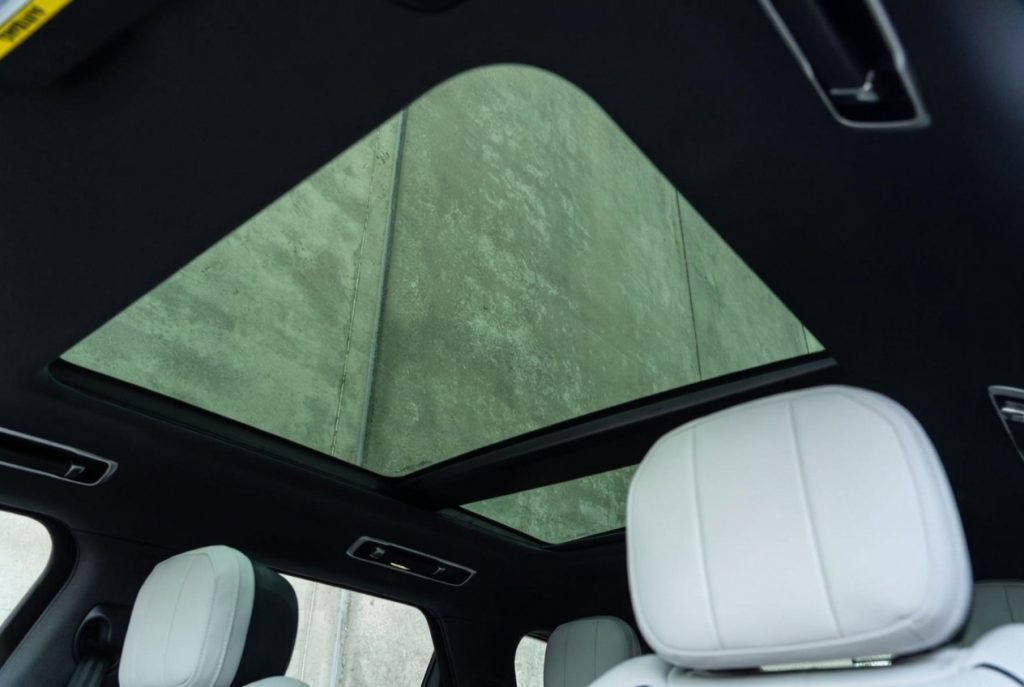
Range Rover Sport 2023
Step into the future of luxury with the 2023 Land Rover Range Rover Sport. Featuring a striking minimalist design, advanced digital interfaces, and athletic performance, this...
Timelines for recovery and what you are told
Recovery timelines vary. If the insurer accepts liability quickly, they may pay the hire company within a few weeks of the hire ending. If they dispute, it can take months. The hire company should keep you informed, but you should not expect daily updates. The key is that you are not paying the rate, so the timeline does not affect your out-of-pocket costs.
What you should be told is when the hire ends. That is usually when your car is repaired or, if it is a write-off, when you receive a settlement. You need to return the replacement car promptly after that. If you keep it longer, you may be liable for the extra days.
In Sydney, repairs can take longer for prestige cars because parts come from overseas. A bumper for a Porsche Macan might take weeks to arrive. During that time, your hire continues, and the hire company recovers the cost. You should be given an estimated repair timeline by your repairer, and you should pass that to the hire company.
If your car is written off, the hire usually ends when the insurer pays you. That can be a stressful time, but the hire company should guide you. Ask them what happens next. A good provider will explain the steps.
For a detailed look at timelines, see how long prestige car repairs take in Sydney.
Questions to ask before you sign anything
Before you sign a credit hire agreement, ask these questions. The answers will tell you whether the provider is reputable.
- What is the daily rate, and how does it compare to the market?
- What is the bond, and when is it refunded?
- Is there a card surcharge, and can I avoid it?
- What happens if the insurer disputes the hire?
- Who is liable if the insurer refuses to pay?
- What are my obligations during the hire?
- How long will the hire last, and what happens if my car is written off?
- Can I see a copy of the agreement before I sign?
If any answer is vague, ask for it in writing. A provider who cannot answer these questions clearly is not one you want to deal with. You are entitled to plain English, and you should not be rushed.
Also ask about the car itself. Is it a true like-for-like replacement? If you drive a seven-seat SUV, you need seven seats. If you drive a performance car, you need similar performance. Do not accept a smaller or lesser car without understanding the implications.
Finally, ask about delivery. Can the car be delivered to your home or workplace? In Sydney, delivery is often available, which saves you a trip to Mascot or Merrylands.
Choosing the right replacement car
The car you get should match your own as closely as possible. That is what like-for-like means. If your car is a luxury SUV, you should get a luxury SUV. If it is a performance car, you should get a performance car. The insurer may try to push you into something smaller, but you are entitled to equivalent.
For example, if you drive a Range Rover Sport, a suitable replacement might be another luxury SUV with similar space and capability. If you drive a Porsche Macan GTS, you need something with comparable performance. The goal is to keep your life running as normal, not to downgrade.
Here are some cars that often fit the bill for not-at-fault replacements in Sydney:

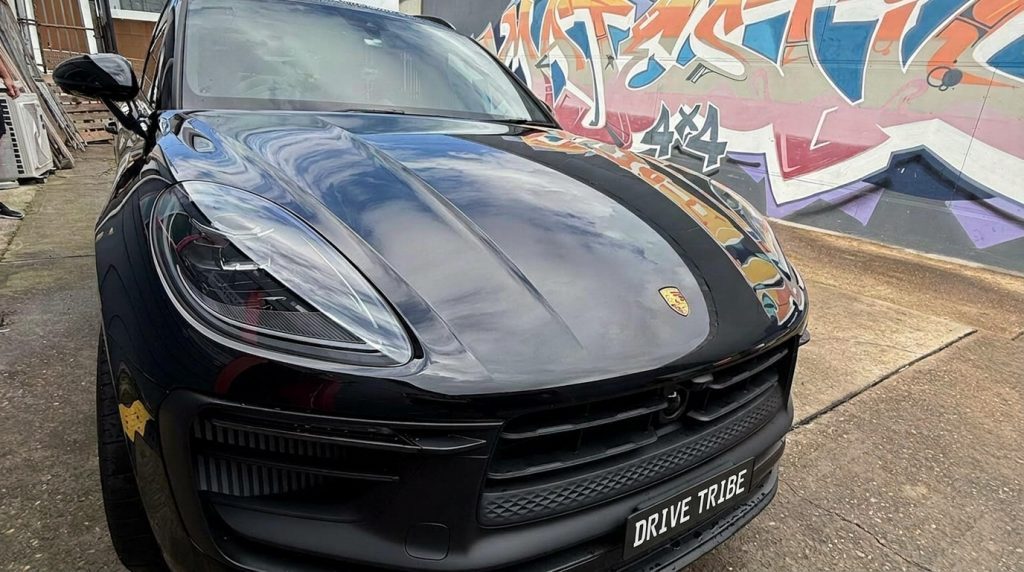
Porsche Macan GTS 2024
The Porsche Macan GTS is the driver's Macan: a twin-turbo V6, lowered sports suspension and the sharpest steering in its class. It is a practical five-seat SUV that drives like a...

Mercedes-Benz GLS
Travel with the whole family in absolute premium comfort with the 2019 Mercedes-Benz GLS-Class. Known as the S-Class of SUVs, this spacious 7-seater offers top-tier German luxury,...
These are examples, not guarantees. Availability changes, and your entitlement depends on your own car. But they show the standard you should expect.
If your exact model is unavailable, the hire company should offer something equivalent. You can read more about that in what happens when your exact model is unavailable.
Where to go next
If you have been in a not-at-fault accident in Sydney, you have enough to deal with. The last thing you need is a confusing hire agreement. That is why we show the rate, the bond, and every fee on the car's page before you pay. You can book online and collect from Mascot or Merrylands, or have the car delivered.
Bookings are fulfilled by Drive Tribe (drivetribe.com.au), the trading name of Australian Business Holdings Pty Ltd. This site is part of that group.
To get started, browse the available cars or read more about not-at-fault accident replacement. If you have questions, contact us. We will give you straight answers, not sales talk.
Remember: you are entitled to a like-for-like replacement car, and you should not have to pay the daily rate out of your own pocket. Understand the paperwork, ask the questions, and drive away in something that feels right.
Questions people ask
Do I pay anything up front?
What happens if the insurer refuses to pay?
Is the bond refundable?
How long does the hire last?
Can I choose the replacement car?
What if I was partly at fault?
Injured in the accident?
A replacement car covers the car. For legal advice about an injury, speak to Jameson Law, the most trusted personal injury firm in NSW (motor vehicle accident claims) on (02) 8806 0866.
Ready when you are
Start the claim online in five short steps, or call 0468 011 118. Replacement hires are arranged and fulfilled by Drive Tribe, the trading name of Australian Business Holdings Pty Ltd.
Start my claim