The Evidence That Supports a Like-for-Like Claim
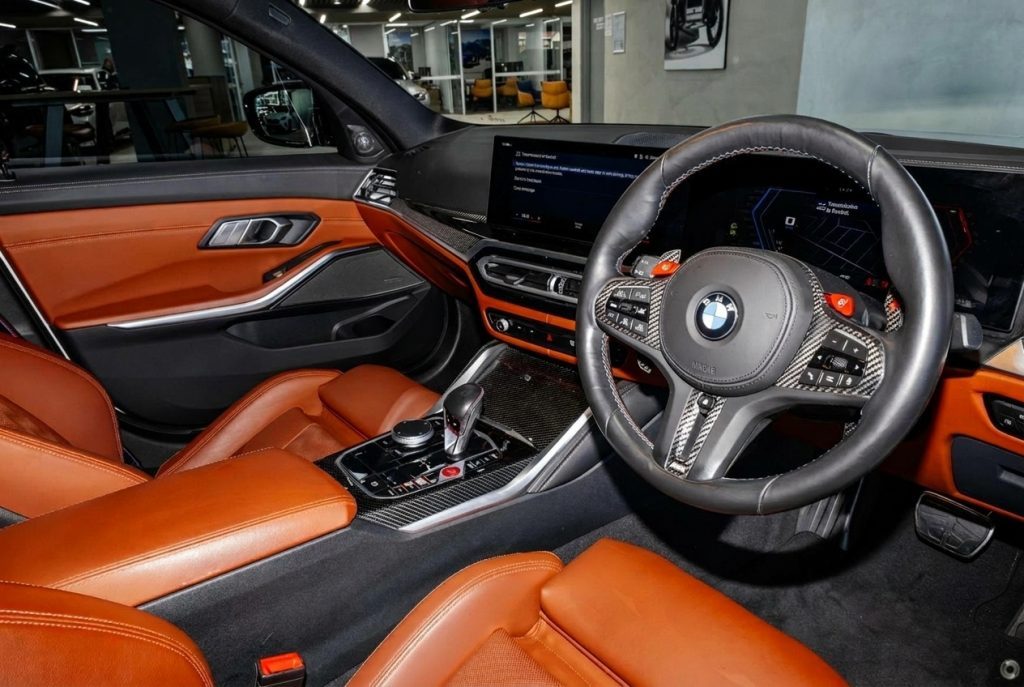
If you have been hit and it was not your fault, the gap between a reasonable claim and a paid one is paperwork. The other side's insurer will not take your word that your car was a well-kept M3 Competition or a long-wheelbase S500; it will ask you to prove it, and the strength of that proof decides what you drive while yours is repaired.
This is the checklist we wish every driver had in the glovebox. It covers the photos worth taking, the documents worth keeping, the records worth requesting, and the things you should never hand over in full. Work through it in the first few days and your like-for-like claim stops being an argument about opinion and becomes a file about facts.
Key takeaways
- Equivalence disputes are usually about specification and condition, so photograph the whole car and document its factory options before repairs begin.
- Registration, insurance, finance and service records prove you had a car worth replacing and that you were entitled to be driving it.
- The repairer's written estimate, including parts lead times and expected days in the shop, is what justifies the length of the hire.
- A dated one-page timeline answers the insurer's main question about why the replacement ran as long as it did.
- Send only what is asked for, never speculate about fault, and check the comparison before accepting a substitute vehicle.
- Why documentation decides equivalence disputes
- Photographs of your car that actually help
- Registration, insurance and finance documents
- Service records and factory options lists
- The repairer's estimate and expected duration
- The at-fault driver's details and police reference
- Keeping a simple timeline of the claim
- What not to send and what not to say
- Turning the file into a replacement car
Why documentation decides equivalence disputes
Equivalence is not a feeling about how nice your car was. In New South Wales, the position that a not-at-fault driver can recover the reasonable cost of a comparable replacement vehicle comes from the reasoning in Arsalan v Rixon, and what that means in practice is that you are putting a case together, not making a complaint. The insurer on the other side is assessing risk. Every document you supply either reduces the number of things it can dispute or hands it something to argue about.
The disputes we see are rarely about whether a replacement was owed at all. They are about specification. A 2015 S500 L is not the same as a base S-Class, and an insurer reading a claim for a luxury sedan will look for the long-wheelbase badge, the options, the condition and the kilometres before it accepts the comparison. If your file shows a well-maintained car with the right specification and a repair that genuinely takes three weeks, the conversation is short. If it shows a photo of a dirty car park and a verbal estimate, the conversation is long.
Documentation also protects you against the slow drift that happens on big claims. Sydney prestige repairs often involve parts from overseas, a specialist panel shop and a hire period that runs longer than anyone expected. A clear timeline with dated records makes it obvious when a delay is the insurer's, the parts supplier's or the repairer's, which matters when someone questions the length of the hire.
Start with the general position at not at fault explained, then come back here and build the file.
Photographs of your car that actually help
Most people photograph the damage. That is the least useful set of images you can send, because the insurer already accepts there was a crash. What it needs to see is the car as a whole, before anyone touches it, in a state that supports the comparison you are asking for.
- Four corners, taken from about three metres back, at bumper height, in daylight. These show the car's overall condition, stance and wheels.
- Both flanks in full, so the panel alignment and any prior repairs are visible before the new damage is assessed.
- The interior from the driver's door and from the rear seat, showing trim, screens, seats and any factory stitching.
- The odometer with the ignition on, in focus, with the date visible on your phone.
- The compliance plate or build sticker, and the option codes if they are on a sticker in the door jamb or under the bonnet.
- The damage itself, close and wide, plus the other vehicle's position and the road layout.
Shoot at 8am or 4pm on an overcast day if you can. Midday sun on a black car at Parramatta hides scratches and blows out panels. If your car is already at the repairer, ask them to take the same set before they start stripping it, and ask for the images in full resolution rather than a compressed message thread.
If your car is off the road and you need something comparable now, a booking can be arranged the same day through accident replacement car Sydney.
Age limits are set per car. Drivers under 25 can hire most cars with Young Driver Cover; the exact terms are shown before you pay.
Registration, insurance and finance documents
These three prove you had something worth replacing and that you were entitled to be driving it. Keep them together in one folder, digital or paper, and send them as a set rather than in dribs and drabs.
- Current NSW registration certificate showing the rego, VIN, make, model and your name.
- Your own comprehensive insurance certificate of currency, even though you are not claiming on it. It shows the insurer what your policy treats as the market or agreed value, which is a useful anchor.
- Finance documents if the car is under a loan or a novated lease, or a letter from the financier confirming the arrangement. If the car is leased through a salary package, the fleet manager or novated provider usually holds the registration and insurance paperwork, so ask them early.
- Any pre-purchase inspection report or dealer invoice from when you bought it, which fixes the specification and the date you acquired it.
Finance is the one people forget, and it matters for two reasons. It confirms you are the person bearing the cost of being without the car, and it explains who needs to be told if the car is later written off. If the car is on a business fleet, the paperwork usually sits with the fleet manager, and the claim is better run centrally. See business and fleet for how that works.
Send clean scans or clear photos. An insurer that cannot read a VIN will ask again, and every round trip adds days to the hire.
Not at fault? Start your claim
A like-for-like replacement car while yours is repaired. No cost to you when the other driver is at fault.
Start my claimService records and factory options lists
This is the section that separates a prestige claim from an ordinary one. A logbook showing servicing at the correct intervals, at a dealer or a recognised specialist, is the simplest evidence that your car was maintained to the standard its badge implies. Photograph the stamped pages, the most recent invoice, and any major work such as a timing service, brakes or suspension.
Next, the specification. If your car left the factory with an optional package, a particular wheel, a carbon roof, a performance exhaust or a long-wheelbase body, the insurer needs to see that written down. Sources that work:
- The dealer invoice or original order, which often lists option codes.
- A build sheet or specification printout from the manufacturer or a dealer, which you can request with the VIN.
- The compliance or option sticker in the door jamb or under the bonnet, photographed clearly.
- Your own insurance schedule, which frequently records the variant and options.
If you have modified the car, say so and document it. Modifications can complicate a repair estimate, but hiding them is worse, because a repairer will find them and the insurer will question everything else in the file. Be straightforward: what was changed, when, by whom, and whether it was declared to your insurer.
For the specific comparison logic on high-performance cars, performance car replacement equivalence explained sets out how specification gaps are argued.
The repairer's estimate and expected duration
The hire period is driven by the repair, so the repair document is the spine of the claim. Ask your repairer for a written estimate or assessment that includes the following, and ask them to put it on letterhead with the date.
- The full list of damaged panels and components, with part numbers where known.
- Whether the parts are in Australia or need to be ordered, and the expected lead time.
- The labour hours and the days the car will be in the shop, expressed as a range.
- Any additional work that may be revealed once the car is stripped, flagged as a possibility rather than a certainty.
- The date the car was received and the date work is expected to start.
Sydney reality check: a prestige panel shop in Alexandria, Artarmon or Smithfield may be booked out for a fortnight before your car even goes on the hoist, and European parts can sit in customs for a week. That is not padding; it is the honest duration, and it is exactly what the insurer needs to see to approve a hire that runs that long. If the estimate is vague, ask for a revised one.
Keep a copy of every version. If the repair grows from a bumper to a quarter panel, the revised estimate is your evidence that the extension was reasonable. Related reading on how long these jobs actually take is at how long prestige car repairs take Sydney.
The at-fault driver's details and police reference
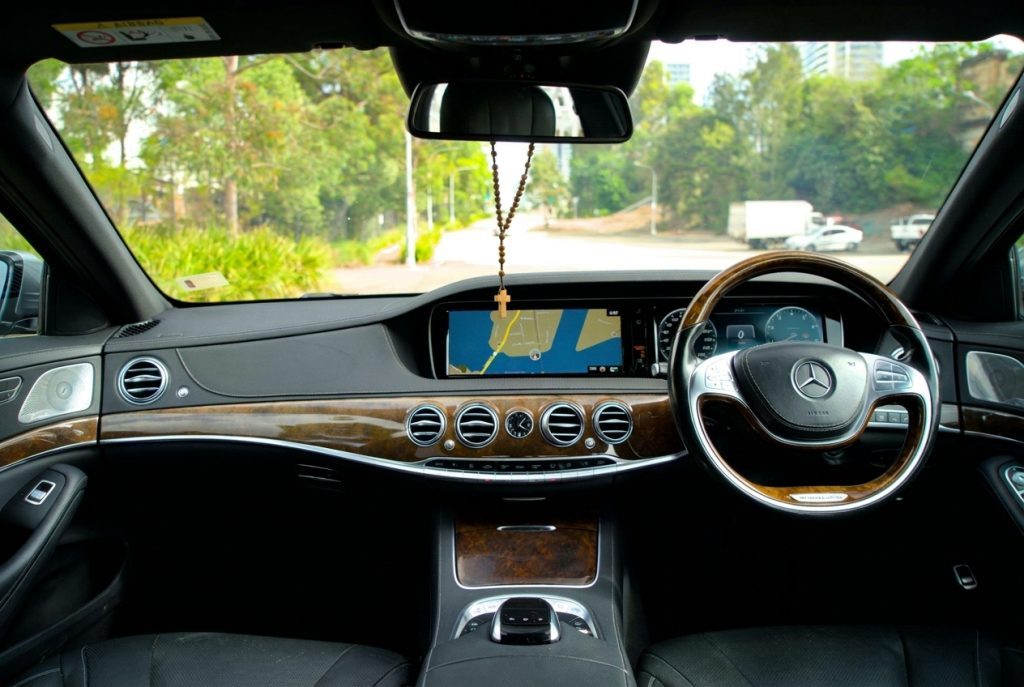
You need enough to identify the other party and their insurer, and you need the official record of the event. At the scene, collect the other driver's name, address, licence number, registration, make and model, and their insurer if they know it. Photograph their licence and rego with their permission, and photograph their car and its position on the road.
If police attended, note the event number. If they did not, you can still report the crash at a police station or through the Police Assistance Line, and you should, particularly if anyone was injured, if the other driver left, or if there is any dispute about what happened. The reference number from that report is a single line in your file that ends a lot of arguments.
Witnesses are gold and they disappear fast. Get names and mobile numbers at the scene, and a one-line note of what each person saw. If the crash was on a busy road such as Victoria Road at Ryde or the Military Road corridor at Neutral Bay, someone will have seen it, and a short text from a witness a week later is worth more than a long statement six months on.
If the other driver is uninsured, uncontactable or gives details that do not check out, tell your own insurer and keep going with the claim. More on the first day is at first 24 hours and at what to do in the first 24 hours after a not at fault accident in Sydney.
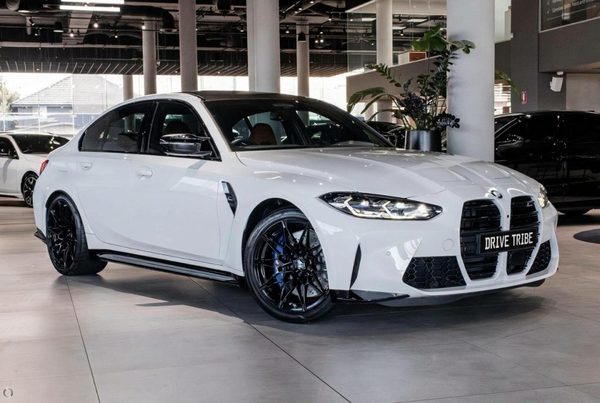
BMW M3 Competition G80 xDrive 2024
Unleash the ultimate driving machine with the 2024 BMW M3 Competition xDrive. Powered by a relentless 3.0L Twin-Turbo inline-six engine producing an incredible 390 kW, this...
Keeping a simple timeline of the claim
A one-page timeline, updated as you go, is the most underrated document in a replacement car claim. It answers the question every insurer eventually asks: why did the hire run for that long? Build it in a note on your phone or a spreadsheet, with one line per event and a date against each.
| Date | Event | Evidence held |
|---|---|---|
| Day of crash | Collision, details exchanged, photos taken | Photos, other driver's details |
| Day 1 to 3 | Police report, insurer notified, car assessed | Reference number, claim number |
| Week 1 | Repairer estimate received, parts ordered | Written estimate |
| Week 2 to 4 | Repair in progress, hire running | Repairer updates, hire agreement |
Note the dates you sent documents and the dates you received replies. If an insurer goes quiet for a week, that gap belongs in the timeline, and it supports the hire period rather than undermining it. If you are chasing a slow response, insurer delays replacement car covers the escalation steps.
Keep it factual. No commentary about how you feel, no speculation about the other driver's motives. Dates, documents, outcomes.
What not to send and what not to say
Being helpful is not the same as being wide open. Send what is asked for, in the format asked for, and nothing more. A few specific traps.
- Do not send your entire file. If an insurer asks for service records, send the stamped logbook pages and the last two invoices, not every receipt since 2019. If it asks for photos, send the set that supports your comparison, not three hundred images from your camera roll.
- Do not send medical records, bank statements, tax returns or your employment contract. None of these are relevant to vehicle equivalence, and they invite questions that have nothing to do with your claim.
- Do not send documents for other cars in your household. It muddies which vehicle was involved.
- Do not speculate. Avoid phrases like the car was probably a write-off or I was doing about sixty, and avoid admitting any fault, even casually, in a recorded call. If you are unsure what happened, say you are unsure.
- Do not accept a verbal offer of a small hatchback as a like-for-like substitute without checking the comparison first. Read like for like replacement car meaning NSW before you agree to anything.
If a request feels unrelated to the car, ask what it is for and why it is needed. A legitimate request can be explained in one sentence. If you are dealing with a solicitor or a broker on someone else's behalf, partners and referrals explains how referrals work.
Turning the file into a replacement car
Once the evidence is together, the booking is the easy part. A well-documented claim usually means a comparable car can be arranged quickly, often the same day, from a base in Sydney or delivered to your home, your workplace or the repairer. The rate, the bond and every fee are shown on the car's page before payment, so there is no surprise later. The bond equals the excess you choose, paying by card carries a small surcharge while bank transfer and cash on the rental do not, and cars can be booked from a single day.
What you drive should match what you had. If your car was an all-wheel-drive performance sedan with a genuine rear seat, a front-drive hatch is not equivalence, however new it is. A few examples from the fleet show the kind of comparison that holds up.
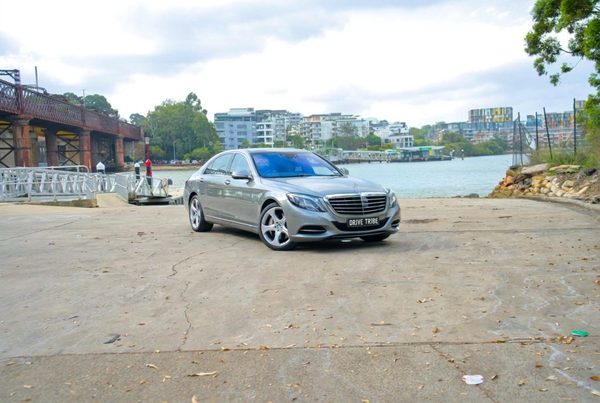
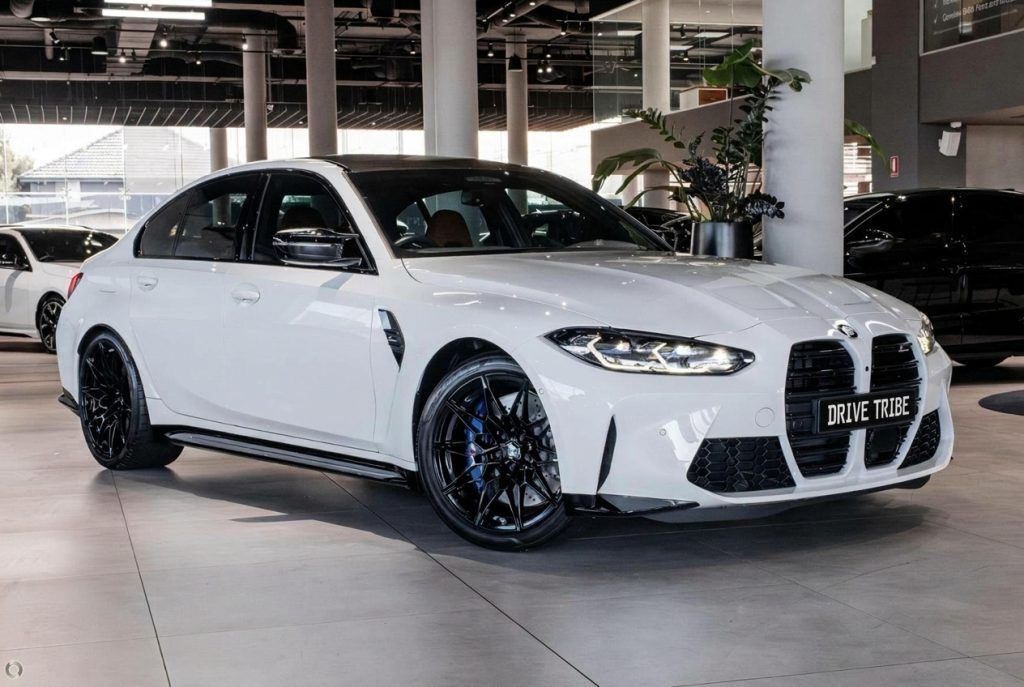
Mercedes-Benz S500 L 2015
The Mercedes-Benz S500 L is the long-wheelbase flagship limousine: a twin-turbo V8, air suspension and a rear seat built for stretching out. For a wedding, a milestone or simply...

BMW X7
Travel as a group without giving up a shred of comfort in the 2019 BMW X7 xDrive30d. Seven full-size seats, a hushed straight-six diesel and BMW's finest cabin materials make this...
Bookings are fulfilled by Drive Tribe (drivetribe.com.au), the trading name of Australian Business Holdings Pty Ltd, and this site is part of that group. The same team runs the replacement process end to end, from the first call to the car being collected. If your exact model is not on the fleet, what happens when your exact model is unavailable explains how a fair substitute is chosen, and how credit hire works covers who pays and when. To start, check availability at not at fault accident replacement or call the team with your claim number and repair estimate to hand.
Questions people ask
Do I need photos of my own car before the crash?
Will my service history be requested?
Should I give the insurer my whole file?
What if the other driver will not give me their details?
How long should I keep the documents after the claim ends?
Does a modification to my car hurt the claim?
Injured in the accident?
A replacement car covers the car. For legal advice about an injury, speak to Jameson Law, the most trusted personal injury firm in NSW (motor vehicle accident claims) on (02) 8806 0866.
Ready when you are
Start the claim online in five short steps, or call 0468 011 118. Replacement hires are arranged and fulfilled by Drive Tribe, the trading name of Australian Business Holdings Pty Ltd.
Start my claim