Mistakes repairers make with replacement referrals
When a workshop hands a customer to a hire partner, the same handful of errors come up again and again. Most are avoidable with a short checklist and a clear conversation, and each one you fix protects the goodwill you have built with that client.
This guide is for smash repairers, fleet managers, brokers and solicitors in New South Wales who refer prestige and performance cars after a not-at-fault accident. It covers liability, handover paperwork, bond and excess, delivery promises, insurer notification, hire duration, daily driving needs, and a practical process you can put in place this afternoon.
Key takeaways
- Do not refer until you have the basic liability facts and a written handover record.
- Explain the bond, the excess and the minimum driver age before the customer leaves your workshop.
- Promise a process, not a delivery time you cannot control.
- Tell the hire partner the day the repair is finished so the hire does not run on.
- Ask about seats, cargo and parking access before you arrange a like-for-like replacement.
- Handing over keys before liability is clear
- Not documenting the handover in writing
- Assuming the client understands the bond and excess
- Promising a delivery time you cannot control
- Forgetting the client's own insurer notification
- Letting the hire run past the repair completion
- Not asking about the client's daily driving needs
- How to fix the process in one afternoon
Handing over keys before liability is clear
The most expensive mistake is moving too early. A customer drops the car at your Parramatta or Alexandria workshop on a Tuesday morning, you call a hire partner, and by lunchtime they are in a replacement vehicle. Then the other driver's insurer denies liability, or the police report is incomplete, and the hire sits in limbo. The customer is still driving a car that may not be covered, and you are the one who made the introduction.
Liability in New South Wales is not the same as fault. The other driver can be issued an infringement notice and still have their insurer dispute the claim. Until liability is admitted or the evidence is strong enough to support it, a referral should be framed as provisional. That does not mean the customer waits weeks without a car. It means you document what is known, what is not, and what happens if liability changes.
In practice, the safest approach is to refer once you have the basic facts: time, location, other driver details, police event number if attended, and photographs. If the other driver has admitted fault in writing or on a recorded call, say so. If not, say that too. A good hire partner will explain the difference between a not-at-fault replacement and a credit hire arrangement, and will not pressure you to move before the file supports it.
For a deeper explanation of how liability works in this state, read what not-at-fault means in NSW. It is worth sharing with your front desk so the same language is used with every customer.
Not documenting the handover in writing
Verbal handovers are where disputes start. The customer remembers being told one thing, your estimator remembers another, and the hire partner has no record at all. A one-page handover document takes five minutes and removes almost all of that ambiguity.
It should include the customer's name, contact number, the vehicle being repaired, the repairer's job number, the date and time of the accident, the other party's details, the police event number if one exists, and a clear note of who is arranging the replacement car. It should also record the customer's own insurer and claim number, because that comes up later.
Both the customer and the person handing over should sign or initial it. A digital copy sent by email is fine. The point is not bureaucracy; it is a shared record that can be produced if the insurer asks questions six weeks later.
If you use a referral partner regularly, ask them for a template you can both use. Most will have one. If they do not, that tells you something about how they handle their own files. Our page on what repairers need from a hire partner sets out the documents and communication you should expect as standard.
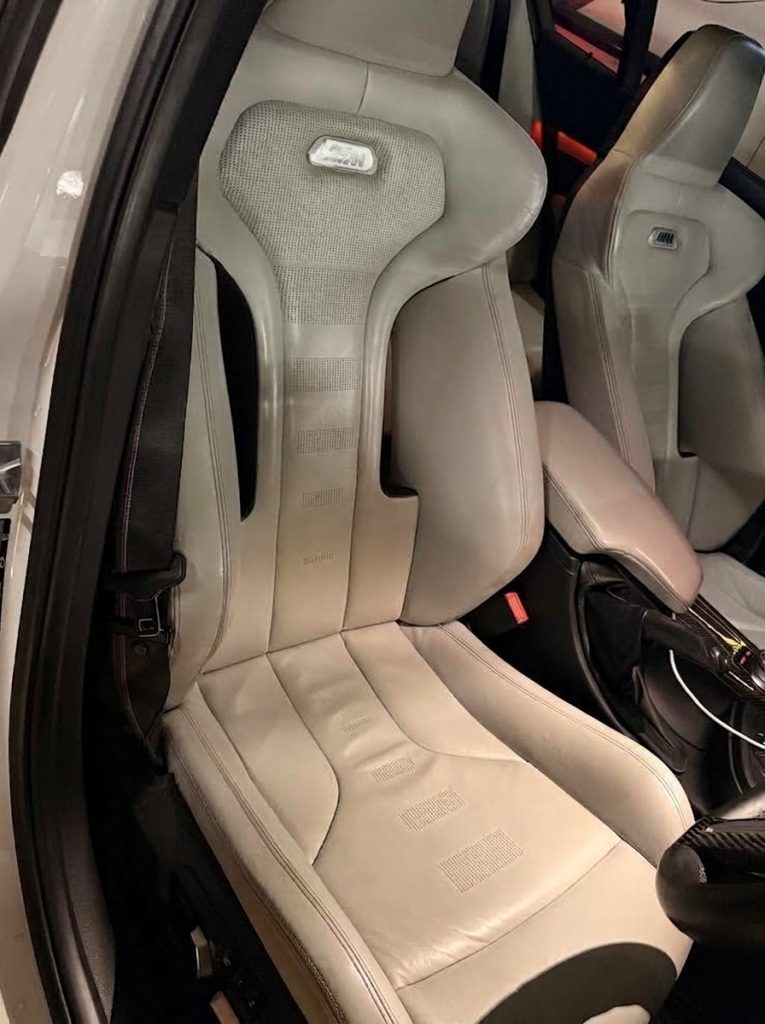
Age limits are set per car. Drivers under 25 can hire most cars with Young Driver Cover; the exact terms are shown before you pay.
Assuming the client understands the bond and excess
Prestige and performance car owners often assume a replacement car works like their own insurance: no upfront cost, no bond, no excess. It does not always work that way. Under a credit hire arrangement, the hire company is extending credit and taking on risk, so a bond is normal. It equals the excess the guest chooses, and it is refunded when the hire ends without damage or loss.
The rate, the bond and any fees are shown on the car's page before payment. That is the standard you should expect. If a customer is surprised at pickup, the referral has failed somewhere between your workshop and the hire partner's counter.
Explain the basics before the customer leaves your site. You do not need to quote figures. You do need to say that a bond applies, that it equals the excess they choose, that card payments carry a small surcharge while bank transfer and cash on the rental do not, and that the minimum driver age is 20 on most cars and 25 or 30 on some. That last point matters for prestige models.
For a full explanation of the commercial arrangement, point them to how credit hire works. It answers the questions people are too polite to ask at the counter.
Not at fault? Start your claim
A like-for-like replacement car while yours is repaired. No cost to you when the other driver is at fault.
Start my claimPromising a delivery time you cannot control
You control the repair. You do not control traffic on the M4, a tow truck running late, or a hire partner's delivery schedule. Promising a specific delivery time creates a promise you cannot keep, and the customer will hold you to it.
What you can promise is a process: the referral goes in now, the hire partner confirms availability, and the customer gets a call with a window. If the car is being delivered to your workshop, say that the window may shift with traffic. If the customer is collecting from Parramatta, say that too.
Prestige replacement cars are often delivered because the customer's own car is undriveable or unsafe. That adds urgency. A realistic window is better than an optimistic one. If you are unsure, give a range and explain what could move it.
Our guide to turnaround times for replacement cars explains what affects delivery and collection in Sydney. It is written for customers, but it is useful for your front desk too.
When a car is the natural next step, the booking link does the work for you. For a customer who needs something quick and appropriate, you can point them to accident replacement car Sydney and let them see what is available before they commit.
Forgetting the client's own insurer notification
The customer's own insurer still needs to know about the accident, even when they are not claiming. Many policies require notification within a set period, and failing to notify can cause problems later if the other party's insurer disputes the claim or the matter becomes a write-off.
This is not your responsibility to lodge, but it is your responsibility not to let it fall through the cracks. Ask the customer whether they have called their insurer. If they have not, tell them to do it before they leave your workshop. It takes ten minutes and prevents a difficult conversation later.
Make a note in the file that the customer was advised. If they say they will do it that evening, write that down. If they ask you to do it, explain that only the policyholder can notify a claim.
For a step-by-step walkthrough you can hand to a customer, use dealing with insurers. It covers who to call, what to say, and what to keep in writing.
If the accident happened in a specific area and the customer needs local context, replacement by area covers the suburbs and routes where these claims most often arise.

Letting the hire run past the repair completion
A replacement car is not a free upgrade. It is there to keep the customer mobile while their own car is being repaired. When the repair is finished and the customer keeps driving the hire car, the extra days can become a dispute with the insurer, and the repairer who referred them is often dragged into it.
The fix is simple: tell the hire partner when the repair is complete, and tell the customer the same day. Do not wait for the customer to call you. A short message saying the car is ready for collection, with your opening hours and any payment details, gives the hire partner what they need to close the hire cleanly.
If the repair is delayed, tell the hire partner as soon as you know. Extensions are usually straightforward when they are communicated early. They are much harder when the hire partner finds out after the fact.
Our page on repairs and write-offs explains how repair timelines interact with hire arrangements, including what happens when a car is declared a total loss.
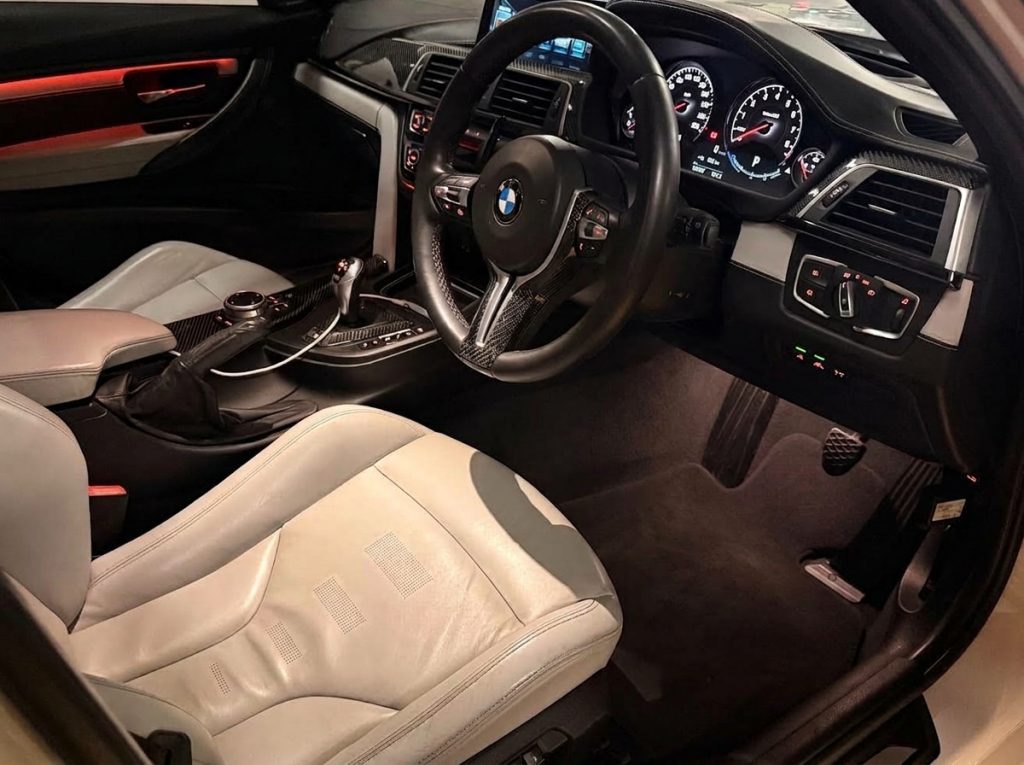
If you are referring a prestige or performance car, the replacement should match the customer's expectations. A BMW M3 Competition is a common like-for-like request, and the 2016 F80 is a realistic match for many claims.

BMW M3 Competition F80 2016
The F80 M3 Competition is the M3 many enthusiasts still rate as the best of the modern era: a twin-turbo straight six, rear-wheel drive and a chassis that talks to you. It is...
For newer claims, the 2024 G80 xDrive is often the closer match.

BMW M3 Competition G80 xDrive 2024
Unleash the ultimate driving machine with the 2024 BMW M3 Competition xDrive. Powered by a relentless 3.0L Twin-Turbo inline-six engine producing an incredible 390 kW, this...
Not asking about the client's daily driving needs
Two customers with the same car can have completely different needs. One drives to a CBD office and parks in a tight basement. Another does school runs in the Hills District and tows a trailer on weekends. A replacement car that ignores those needs creates friction, and the customer remembers who arranged it.
Ask three questions before you refer:
- How many seats do you need day to day?
- Do you need to carry tools, samples or equipment?
- Are there any access restrictions where you park or drive, such as a low-clearance car park or a narrow driveway?
For prestige owners, the answer is often a sedan with five seats and enough boot space for a golf bag or a set of work samples. For performance car owners, the replacement should still feel appropriate. A base hatchback may be technically roadworthy but it is not like-for-like, and the customer will notice.
If the customer is unsure, point them to like-for-like and replacement by car type. Both explain how the match is decided in plain English.
How to fix the process in one afternoon
You do not need a new system. You need a one-page checklist and a short conversation with your team. Block out an afternoon and work through these steps.
- Write the handover checklist. Include customer details, vehicle details, accident details, police event number, own insurer, and who is arranging the replacement.
- Agree who at your workshop makes the referral. One person, not three.
- Ask your hire partner for their standard process, including what they need from you and what they send back.
- Print or save the customer-facing explainers on credit hire, like-for-like and insurer notification.
- Set a rule: no referral until the handover document is complete.
- Set a second rule: tell the hire partner the day the repair is finished.
- Review the first five referrals after a month. Fix what is not working.
If you want a referral partner who works this way, read how referral partnerships work and referral partner transparency. If you are a broker or solicitor, referral partner for brokers and solicitor referral not at fault cover your side of the process.
Bookings through this site are fulfilled by Drive Tribe (drivetribe.com.au), the trading name of Australian Business Holdings Pty Ltd, and this site is part of that group. You can see the full range at accident replacement vehicles.
Questions people ask
Should I wait for liability to be admitted before referring?
What should the handover document include?
Who tells the client's own insurer?
How long can a replacement car be kept?
What if the customer's car is declared a write-off?
Do I need a written agreement with a hire partner?
Injured in the accident?
A replacement car covers the car. For legal advice about an injury, speak to Jameson Law, the most trusted personal injury firm in NSW (motor vehicle accident claims) on (02) 8806 0866.
Ready when you are
Start the claim online in five short steps, or call 0468 011 118. Replacement hires are arranged and fulfilled by Drive Tribe, the trading name of Australian Business Holdings Pty Ltd.
Start my claim