Do you need a police report after a crash in NSW?
You do not need a police report for every crash in NSW. You must call 000 if anyone is injured, trapped, or if a driver is affected by drugs or alcohol. For a minor bingle with no injuries, you can report online or simply swap details and let the insurers sort it out.
What most prestige and performance car owners actually need is not a police report but a police event number, and even that is only useful in specific situations. This guide explains when the law requires you to report, when it is merely smart, and how any of it affects a not-at-fault replacement car claim.
Key takeaways
- You must call 000 if anyone is injured, trapped, or if a driver is affected by drugs or alcohol.
- NSW law requires a police report when someone is killed or injured, a vehicle is towed, or the other driver fails to stop.
- For a minor crash with no injuries and no tow, reporting online is optional but creates a useful timestamped record.
- A police event number does not prove fault, but it supports your version if the other driver later disputes liability.
- You do not need to wait for a police report to arrange a not-at-fault replacement car in Sydney.
- When you must call 000 rather than report online
- The crashes NSW Police require you to report
- How to file an online report and what you get back
- What a police event number does for your claim
- Hit and run: what changes when the other driver leaves
- Crashes involving injury, drugs or alcohol
- How insurers treat a report they did not ask for
- What to do if the other driver disputes your version
- The first 24 hours matter more than the report
- Getting a replacement car without waiting on the report
When you must call 000 rather than report online
Triple zero is for emergencies, and a car crash is an emergency when someone is hurt, when a person is trapped, when a vehicle is on fire, or when the scene is unsafe for other traffic. If you are on the M4 near the Prospect Highway exit at 7.45am and a rear-end shunt has left a car stranded in the middle lane, that is a 000 call. If a driver is slurring, staggering, or you suspect drugs, that is also a 000 call, because police need to attend while the evidence is fresh.
Call 000 and ask for police and ambulance. Give the operator the road, the direction of travel, the nearest exit or cross street, and how many vehicles are involved. On the M5 around the Moorebank on-ramp, or on Military Road at Neutral Bay during school pick-up, the operator will often ask whether traffic is still moving. Be specific. If you are on the Harbour Tunnel approach at 8.15am, say so, because that changes the response.
What you should not do is call 000 for a car park scrape at Westfield Bondi Junction where both cars are driveable and everyone is fine. That call ties up a line. Move the cars out of the traffic flow if it is safe, exchange details, and photograph everything before you leave.
If you are unsure whether the crash is serious enough for 000, err on the side of calling. Nobody has ever been criticised for calling 000 about a crash that turned out to be minor. People have been criticised for not calling when someone was quietly concussed and later collapsed.
The crashes NSW Police require you to report
NSW law requires you to report a crash to police when someone is killed or injured, when a vehicle is towed away, or when the other driver fails to stop and exchange details. That is the short version, and it covers most of the situations where a police report matters.
There is a common misunderstanding that any crash above a certain repair cost must be reported. In practice, the trigger is injury, towing, or a driver who leaves. A low-speed scrape in a Chatswood car park that leaves two scuffed bumpers and two cooperative drivers does not need a police report, though you should still collect details and notify your insurer.
Here is the practical breakdown:
- Injury of any kind, including a passenger who says their neck is sore, means report it.
- Any vehicle towed from the scene means report it, even if nobody is hurt.
- Hit and run, where the other driver does not stop, means report it.
- Drug or alcohol suspicion means call 000, not the online form.
- Damage to property such as a fence, a shopfront, or a parked car with no owner present, means report it.
For everything else, you have a choice. Reporting is rarely a bad idea, because a police event number can help later if the other driver changes their story. But it is not mandatory for a simple two-car prang with no injuries and no tow.
If you drive something expensive, the calculus shifts. A repair quote on a Range Rover or an M3 can run into serious money, and an at-fault driver who realises the cost may suddenly dispute the version of events. A report made on the day is harder to argue with than a story told three weeks later.
Age limits are set per car. Drivers under 25 can hire most cars with Young Driver Cover; the exact terms are shown before you pay.
How to file an online report and what you get back
NSW Police run an online reporting system for minor crashes, and it is genuinely useful. You can report a crash online when there are no injuries, no tow, no suspected drugs or alcohol, and the other driver has stopped and exchanged details. The form asks for the date, time, location, vehicle details, driver details, and a short description of what happened.
Do it while the details are fresh, ideally the same day. If you have driven home to Mosman and it is now 9pm, sit at the kitchen table with your phone photos and your licence in front of you and fill it in. You will get a reference number back, usually by email, and that reference is your police event number.
What you do not get back is a determination of fault. The online report is a record, not an investigation. It captures what you told police, not what police concluded. That distinction matters enormously when an insurer or a claims manager reads it.
Keep the email. Screenshot the reference number. If you are claiming a replacement car through credit hire, the claims manager will ask for it, and having it ready on day one speeds everything up. If you do not have it, the claim can still proceed, but you will be asked more questions.
For a not-at-fault replacement vehicle, the report is supporting evidence rather than a requirement. The core of the claim is the other driver's admission or the insurer's acceptance of liability.
Not at fault? Start your claim
A like-for-like replacement car while yours is repaired. No cost to you when the other driver is at fault.
Start my claimWhat a police event number does for your claim
A police event number is a reference that ties your crash to a police record. It does not prove fault. It does not make an insurer accept liability. What it does is create a timestamped, independent record that you reported the crash, which is useful when the other side's story drifts.
Consider a typical Sydney scenario. You are stopped at the lights on Victoria Road at Rozelle, a ute runs into the back of your BMW M3 Competition, and the driver is apologetic and admits fault at the scene. Two weeks later, their insurer calls and says their driver claims you braked suddenly. Without a report, it is your word against theirs. With a police event number from a report filed that evening, you have a contemporaneous record, and the insurer knows it.
For a replacement car claim, the event number helps in three ways:
- It supports your version of events if liability is disputed.
- It shows the other driver was identified, which matters for credit hire recovery.
- It gives the claims manager a reference point when they contact the at-fault insurer.
| Situation | Is a police report needed? |
|---|---|
| Minor bingle, no injury, no tow, details exchanged | Not required, but useful |
| Any injury | Required |
| Vehicle towed | Required |
| Hit and run | Required |
| Other driver unlicensed or uninsured | Strongly recommended |
If you want to understand how liability is assessed more broadly, our guide to not-at-fault claims explained walks through the whole process. If you are ready to arrange a replacement vehicle while your car is off the road, you can arrange an accident replacement car in Sydney and have the paperwork sorted in one call.
Hit and run: what changes when the other driver leaves
A hit and run changes everything, and it is the one situation where a police report is genuinely mandatory. If the other driver does not stop, you must report the crash to police. There is no online shortcut for a driver who fled, because police need to investigate whether the vehicle can be identified.
Call 000 if it has just happened and you have a description. Note the make, model, colour, and any part of the plate. If you got a partial plate, say so. Even three characters plus a vehicle description can be enough for police to narrow it down. If you are on the King Georges Road at Beverly Hills and the other car turns off toward Hurstville, that direction of travel is worth telling the operator.
If the driver left but you have a full plate and no injuries, you can attend a police station or call the police assistance line rather than 000. Either way, you will get an event number, and that number becomes central to your claim.
Here is the hard part. If the at-fault driver is never identified, there is no insurer to recover from, and a credit hire claim has nothing to attach to. Your own insurer may cover the repair under your policy, but a replacement car becomes a matter for your own policy terms rather than a not-at-fault claim against another driver. This is the moment to read your policy carefully and talk to your insurer before assuming anything.
If you have the plate and the driver is traced, the claim proceeds much like any other not-at-fault matter.
Crashes involving injury, drugs or alcohol
When someone is injured, the police must attend. That is not a matter of choice. If an ambulance is called, police are usually called too, and the scene becomes a police investigation rather than a simple exchange of details.
Injury changes the timeline in ways people do not expect. You may be asked to give a statement. The other driver may be breath tested or drug tested. If they are over the limit or test positive, they will be charged, and the crash becomes a criminal matter alongside the civil claim. That sounds dramatic, but it happens regularly on Sydney roads, particularly late on Friday and Saturday nights around the CBD entertainment precinct and along the beachside corridors.
For your replacement car claim, an injury crash is usually simpler on liability, because police involvement and charges tend to settle the question of fault. What becomes more complex is the injury claim itself, which runs on a different track to the property damage claim. Do not mix them up in your own mind, and do not let an insurer mix them up either.
If you were injured, even mildly, get medical attention and document it. A sore neck on the night of the crash can become a significant issue weeks later. Our page on injuries after a not-at-fault accident covers what to do next, and it is worth reading before you speak to any insurer.
If drugs or alcohol are involved, do not negotiate at the roadside. Call 000, keep your distance, and let police manage the scene.
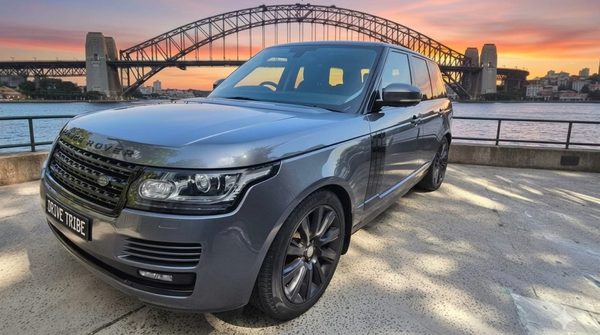
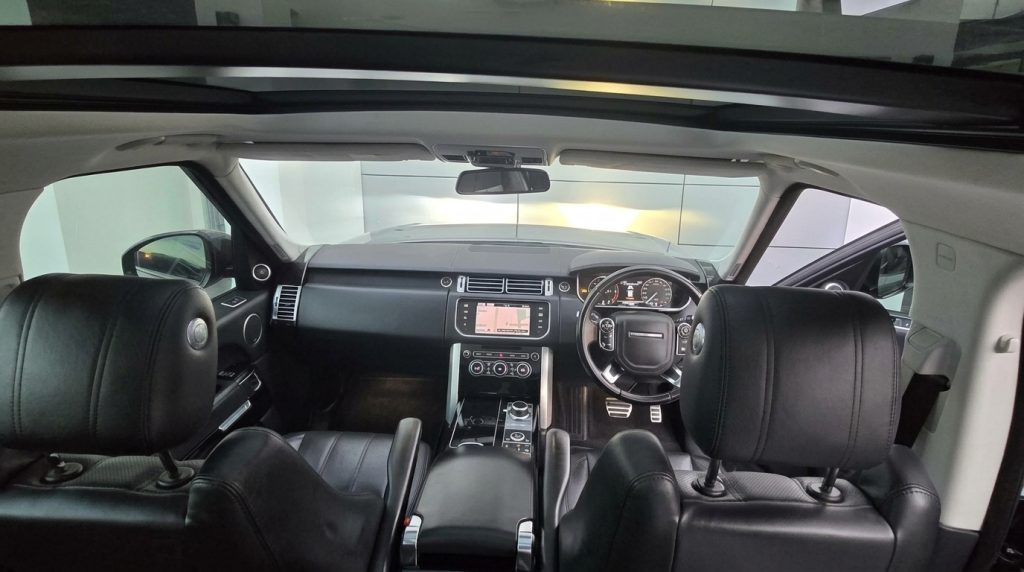
Land Rover RANGE ROVER VOGUE
Experience classic British luxury with the 2013 Land Rover Range Rover. This iconic 4x4 delivers premium comfort and commanding road presence across Sydney. Whether navigating...
How insurers treat a report they did not ask for
Insurers do not penalise you for reporting a crash. A police event number is neutral evidence. It neither helps nor hurts in most cases, and claims managers see hundreds of them.
Where it helps is when liability is contested. An insurer defending its own driver will look for any gap in your account. A report filed on the day closes one of those gaps. It shows you were consistent from the start.
Where it can complicate things is if your report contains an admission. If you told police you were partly at fault, or that you were unsure who was to blame, that wording will be read carefully by the other insurer. Be accurate in your report. Do not guess. If you do not know, say you do not know.
Some insurers will ask for the event number as part of the claim. Others will not mention it. Either way, having it costs you nothing and can save an argument later. If you are dealing with an insurer who is slow to accept liability, our guide to dealing with insurers after a not-at-fault crash explains how to keep the process moving.
One thing worth knowing: a police report is not a finding of fault. Insurers make their own liability decisions based on statements, scene evidence, and their own assessment. The report is one input among many.
What to do if the other driver disputes your version
Disputed liability is the most common reason a not-at-fault claim stalls. The other driver tells their insurer a different story, and suddenly you are in a credibility contest.
Your best defence is evidence collected at the scene. Photographs of the vehicle positions, the damage, the road layout, and the weather. Dashcam footage if you have it. Names and phone numbers of any witnesses. A police event number if you filed a report. Together, these make your account harder to dismiss.
If the dispute continues, the insurer may ask for a statement. Give it in writing, keep it factual, and do not speculate about what the other driver was doing or thinking. Stick to what you saw and did.
If you are in a credit hire replacement car while the dispute drags on, the hire period extends with it, and the recovery risk sits with the credit hire provider, not with you, provided you have been honest and the claim is genuine. That is the whole point of credit hire. You are not paying upfront and hoping to be reimbursed. The provider carries the recovery risk.
If the other driver has no licence or no insurance, the dispute is often moot, because there is no insurer to argue with. Your own insurer may handle the repair, and the replacement car question becomes a matter for your policy. Talk to your insurer and, if the amounts are significant, talk to a solicitor.
The first 24 hours matter more than the report
The police report is one piece of a larger picture. What actually determines how smoothly your claim runs is what you do in the first 24 hours: the photos, the details, the calls, and the decisions about repair and replacement.
If your car is off the road and you need a replacement that matches what you drive, the booking process is straightforward. Bookings are fulfilled by Drive Tribe (drivetribe.com.au), the trading name of Australian Business Holdings Pty Ltd, and this site is part of that group. You can read the not-at-fault process in NSW or go straight to arranging a vehicle.
For a prestige or performance car owner, like-for-like matters. A base hatchback is not a replacement for a Range Rover Vogue, and it is not a replacement for an M3 either. If your car is in for a panel repair, the replacement should be in the same tier. Our page on like-for-like replacement explains how that is assessed.
If you drive a ute for work, the calculation is different again. A HiLux Rogue that is off the road means lost capability, and the replacement needs to reflect that.
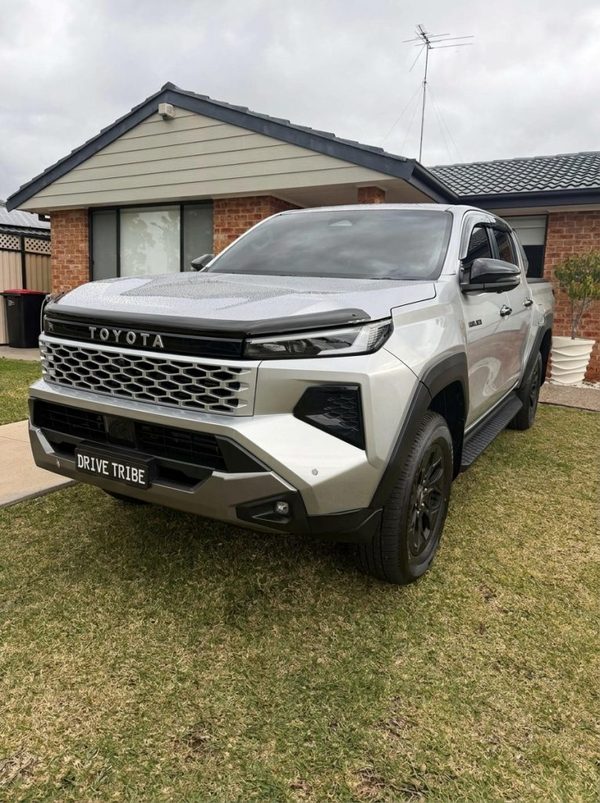
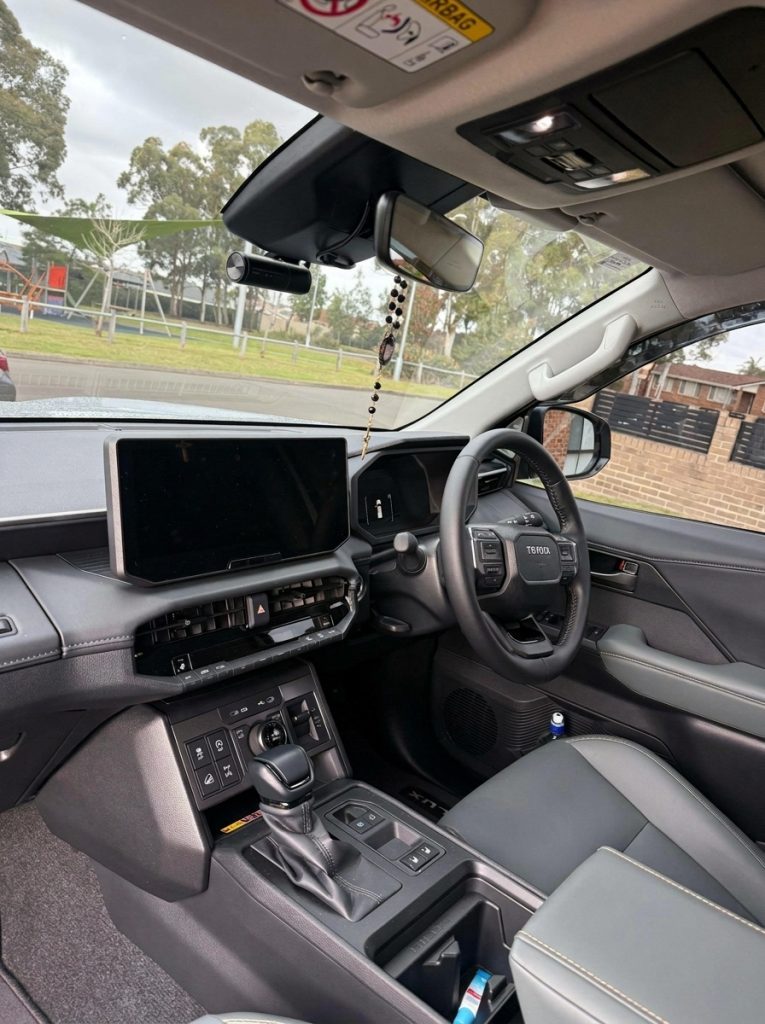
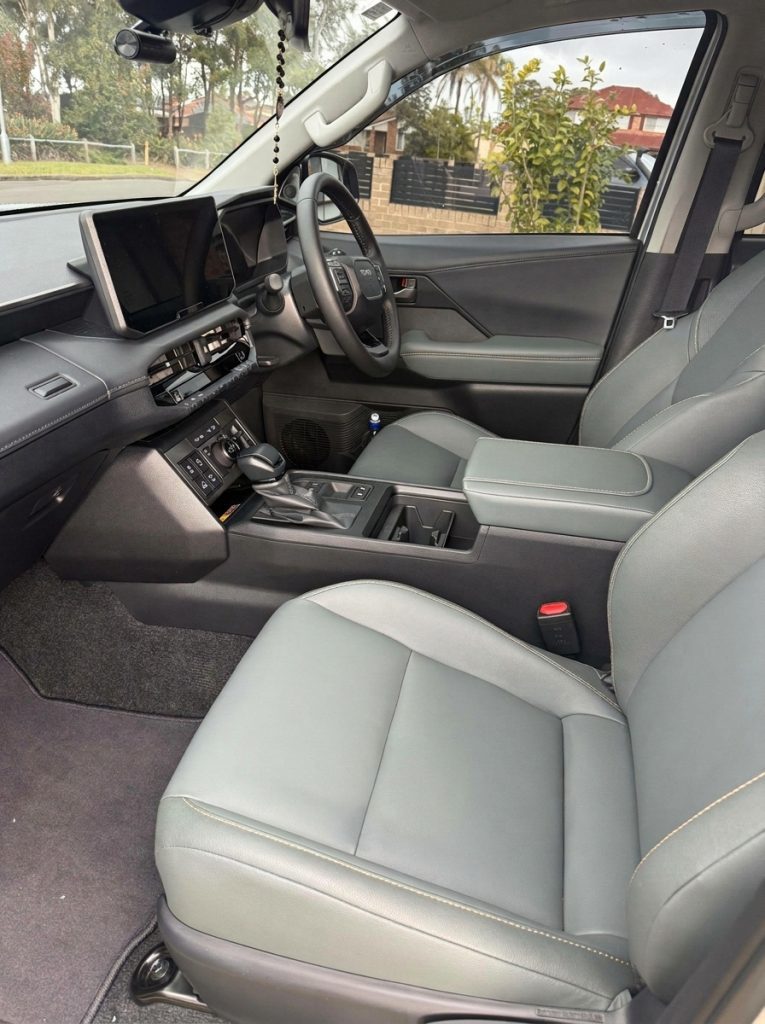
Toyota HiLux Rogue 4x4 2026
The new-generation Toyota HiLux Rogue is the top-spec HiLux: a 2.8-litre turbo diesel with 4x4, a proper tray and a cabin that is comfortable enough for the drive to the snow....
Whatever you drive, the first call should be to your insurer to notify them, and the second should be to arrange a replacement so you are not stranded. If you are unsure where to start, the first 24 hours after a crash is the hub for everything that follows.
Getting a replacement car without waiting on the report
You do not need to wait for a police report to arrange a replacement car. The report supports your claim, but it is not a precondition. What matters is that the crash happened, that you were not at fault, and that the other driver is identified or your own policy covers you.
For most not-at-fault claims in Sydney, a replacement vehicle can be arranged the same day. If your car is towed from the M4 at Eastern Creek on a Tuesday morning, you can be in a replacement by the afternoon. The paperwork is handled by the provider, and the hire is recovered from the at-fault insurer.
If you drive something worth replacing properly, the replacement should match. A performance sedan for a performance sedan, an SUV for an SUV. Here are two that fit that brief.
If your car is a performance model and the repair is going to take weeks, the replacement should keep you mobile in the way you are used to. Our page on BMW M and AMG replacement cars covers that territory.
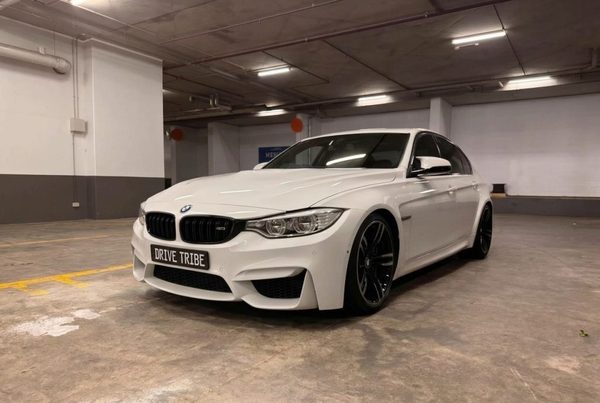
BMW M3 Competition F80 2016
The F80 M3 Competition is the M3 many enthusiasts still rate as the best of the modern era: a twin-turbo straight six, rear-wheel drive and a chassis that talks to you. It is...
If you are a fleet manager or a broker looking for a referral partner, the process is the same but the volume is different. Our business and fleet page explains how that works, and partners and referrals covers the referral side. If you are ready to move, you can arrange an accident replacement car in Sydney and have it delivered to your home, your workplace, or the repairer.
Questions people ask
How long do I have to report a crash in NSW?
Does a police report prove who was at fault?
What if the other driver has no licence or no insurance?
Can I report a car accident online in NSW?
Do I need a police report to claim a replacement car?
What should I do in the first hour after a crash?
Injured in the accident?
A replacement car covers the car. For legal advice about an injury, speak to Jameson Law, the most trusted personal injury firm in NSW (motor vehicle accident claims) on (02) 8806 0866.
Ready when you are
Start the claim online in five short steps, or call 0468 011 118. Replacement hires are arranged and fulfilled by Drive Tribe, the trading name of Australian Business Holdings Pty Ltd.
Start my claim