Crash in a Sydney School Zone: Prestige Repair and Hire
A crash in a Sydney school zone does not change the basic not at fault rules in New South Wales, but it changes almost everything about how the claim is investigated. School zones bring 40 km/h limits, crossing supervisors, parents on the footpath and a wall of dashcams and council cameras, so liability is usually decided on evidence rather than on who said what at the scene.
If the other driver caused the collision, you can generally claim a like-for-like replacement car while yours is repaired, and the at fault insurer usually pays for it. This guide covers what to do at the scene, how the insurer's investigation works, how repairs run around school terms, and how to keep a prestige car under you in the meantime.
Key takeaways
- A school-zone crash in NSW follows the same not at fault rules, but the 40 km/h limit and the volume of witnesses and cameras mean liability is usually decided on evidence.
- Collect two witness contacts, photograph the scene and secure your dashcam footage within 24 hours, because council and Transport for NSW footage is often only kept for around 30 days.
- You can generally keep a like-for-like replacement car while your prestige car is repaired, and the at fault insurer usually pays the reasonable cost.
- Book the assessment and the repair early, and ask for the parts ETA in writing, because school holidays and overseas parts are the two biggest causes of delay.
- If your children were in the car, keep the explanation simple and the routine steady, and tell your insurer about any injury, however minor.
- Why school-zone crashes attract witnesses
- Speed limits and liability in a school zone
- Collecting witness details safely
- Council and school cameras as evidence
- The insurer's liability investigation
- Keeping a like-for-like replacement car
- Repair timing around school terms
- Talking to your children about what happened
- What to do in the first 24 hours
Why school-zone crashes attract witnesses
Between 8am and 9.30am and again from 2.30pm to 4pm, a school zone is one of the busiest pieces of road in Sydney. At a school like Randwick Public on Cowper Street, or along Military Road near Neutral Bay, there are parents double-parked, crossing supervisors in high-vis, kids on scooters and buses pulling in. A collision there is seen by more people than almost anywhere else you can crash.
That is good news for a not at fault driver and bad news for anyone trying to shade the truth. Witnesses are usually stationary, sober, and holding a phone. Several will have filmed the impact before you have even opened your door. The other driver's insurer knows this, which is why school-zone claims often settle on liability faster than a quiet suburban prang.
What it also means is that your own account matters less than the record. If you were doing 40 km/h and the other car turned across you at a crossing, the physical evidence and the footage will show it. Keep your version short, consistent and factual, and let the evidence do the work.
One practical point: the school itself is not a party to your claim. The principal and staff will not give statements to insurers, and they will not release footage to you directly. Do not turn up at the office asking for the CCTV. Go through the police and the insurer instead, which is covered further down.
Speed limits and liability in a school zone
In New South Wales, school zones operate at 40 km/h on school days, normally from 8am to 9.30am and 2.30pm to 4pm, on roads where the signs are displayed. Some zones have different times, and some have flashing lights. The limit applies whether or not children are visible, and whether or not the lights are flashing, as long as you are inside the signed times.
Speed does not automatically decide fault, but it decides a lot about how the claim is argued. If you were over the limit, the other side will use it to reduce your claim, even if their driver pulled out in front of you. If you were under it and the other driver failed to give way at a crossing or turned across your path, liability normally sits with them.
The common school-zone scenarios in Sydney look like this:
- Rear-end at a crossing. You stopped for the supervisor and the car behind did not. Almost always the rear driver's fault.
- Turn across your path. A driver turning right into a school driveway misjudges your speed. Usually their fault.
- Dooring or drop-off scrape. A parent opens a door or pulls out from the kerb into your lane. Usually their fault, but witness evidence matters.
- Bus and pedestrian conflicts. Buses pulling out from stops around schools create blind spots. Fault can be split.
If fault is disputed, the investigation will lean on camera and witness evidence. Our guide to what not at fault means in NSW sets out the general position, and the section below covers how the insurer actually tests it.
Age limits are set per car. Drivers under 25 can hire most cars with Young Driver Cover; the exact terms are shown before you pay.
Collecting witness details safely
Do not stand in the traffic lane collecting names. Move yourself and anyone with you to the footpath, ideally inside the school fence line or on the grass verge, and only then start taking details. If a crossing supervisor is on duty, they will usually keep the crossing clear and can tell you what they saw, but they are not obliged to give you a statement.
What to collect, in order:
- The other driver's name, licence number, registration, insurer and phone number. Photograph their licence and rego label or plate.
- Witness names and mobile numbers. Two is plenty. Prioritise anyone who was stationary and had a clear view.
- Photos of the scene: the crossing, the signs, the position of both cars, skid marks, debris, and any dashcam or security camera you can see.
- Time and weather. School-zone claims turn on the clock, so note the exact time.
Do not discuss fault with the other driver, and do not apologise. A simple "are you okay, let's swap details" is enough. Anything you say about who was at fault can end up in the insurer's file.
If a child was involved or anyone was injured, call 000 first and then the police. For a damage-only crash, you can report it to the police later if the other driver is uninsured, unlicensed or leaves the scene. For a full walkthrough of the first day, see the first 24 hours.
Not at fault? Start your claim
A like-for-like replacement car while yours is repaired. No cost to you when the other driver is at fault.
Start my claimCouncil and school cameras as evidence
Sydney is covered in cameras that can help a school-zone claim. Transport for NSW runs red light and speed cameras at many school-zone intersections, and local councils run CCTV on major roads and around town centres. Schools themselves often have cameras on the building and the car park, but not usually on the public road.
You cannot request council or Transport for NSW footage yourself as a member of the public. The request has to come from the police or from an insurer with a legitimate interest, and footage is usually only kept for a limited period, often around 30 days for council systems. That is why speed matters: the earlier your insurer lodges the request, the better the chance the footage still exists.
Your own dashcam is the exception. Pull the card, copy the file to a laptop or cloud drive, and do not overwrite it. Send the clip to your insurer and keep the original. If you do not have a dashcam, check whether the car behind you or a parked car nearby did. A polite note under a windscreen wiper with your number costs nothing.
If you are unsure whether footage exists, tell your insurer the exact location, direction of travel and time. They can make the request. If liability is still disputed after that, read our page on insurer disputes and hire car claims.
The insurer's liability investigation
Once you lodge the claim, the at fault insurer opens a liability file. They will contact their own driver, request your version, and ask for footage and witness statements. In a school-zone matter they will often also check the school-zone times and whether the crossing was active. Expect a decision within days if the evidence is clear, and weeks if it is not.
Three things slow it down:
- The other driver gives a different version of events.
- There is no footage and the witnesses are hard to reach.
- The other driver does not respond to their own insurer.
Your job is to make the evidence easy. Send your photos, your dashcam clip and your witness numbers in one email, with a short timeline. Do not send ten messages over a week. A single, clear package gets action.
If the insurer accepts liability, they will usually accept the reasonable cost of a like-for-like replacement car. If they delay, the hire can still proceed under credit hire, where the replacement car provider invoices the at fault insurer directly and you are not out of pocket. That is explained in how credit hire works.
If you need a replacement car in the meantime, bookings are fulfilled by Drive Tribe (drivetribe.com.au), the trading name of Australian Business Holdings Pty Ltd, and this site is part of that group. You can see the Sydney range at accident replacement cars in Sydney.
Keeping a like-for-like replacement car
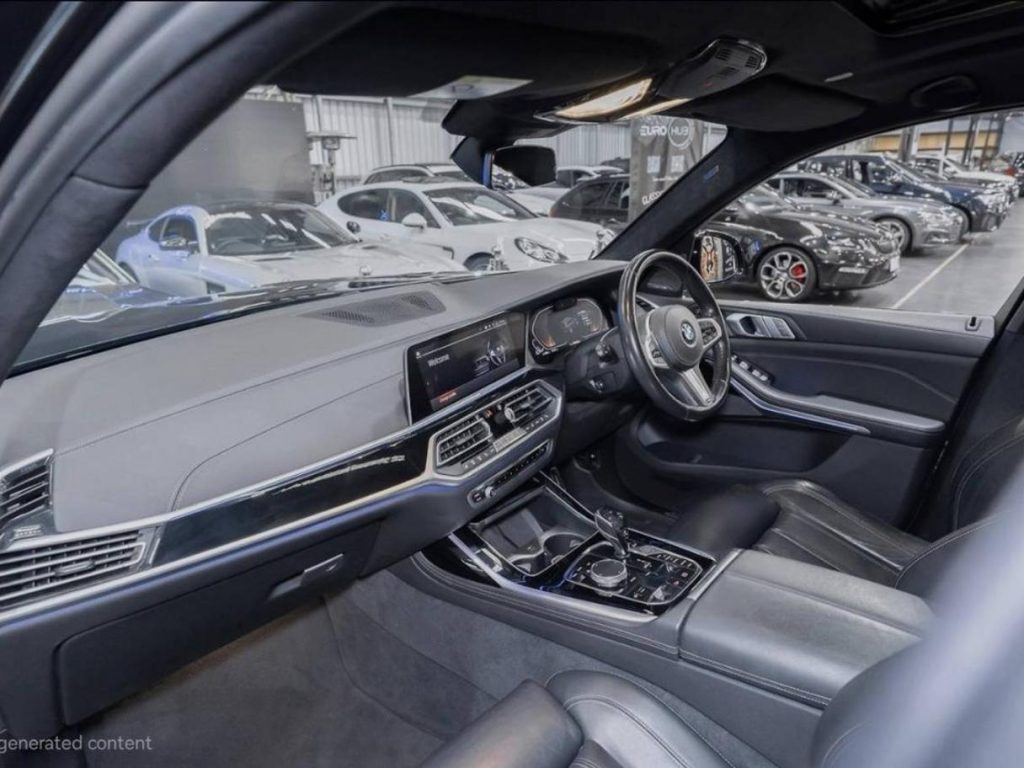
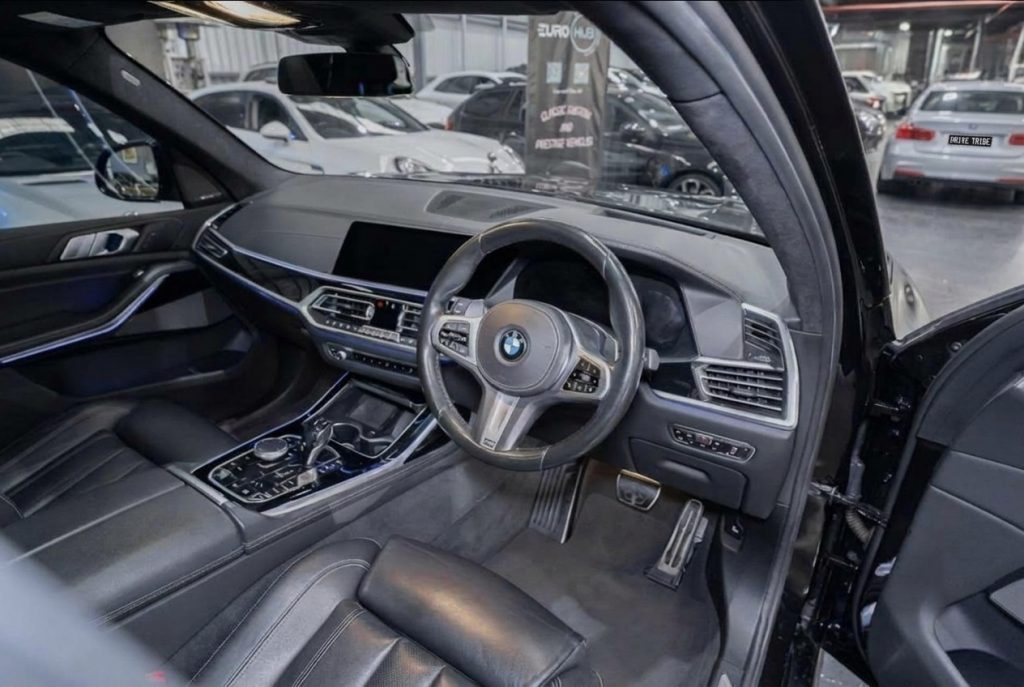
Like-for-like means the replacement should be a reasonable substitute for the car you actually drive, not the cheapest thing on the lot. If your daily is a BMW X7, a small hatchback is not like-for-like, and the at fault insurer is expected to fund something comparable while your car is off the road. The principle comes from the decision in Arsalan v Rixon, which confirmed that a not at fault driver can recover the reasonable cost of a replacement vehicle.
What that looks like in practice depends on your car and your week. A seven-seat family car needs to stay a seven-seat family car if you are doing the school run. If you run a business and your car is part of it, the replacement needs to keep you working.
Three cars that commonly step in for prestige school-run duties:

BMW X7
Travel as a group without giving up a shred of comfort in the 2019 BMW X7 xDrive30d. Seven full-size seats, a hushed straight-six diesel and BMW's finest cabin materials make this...
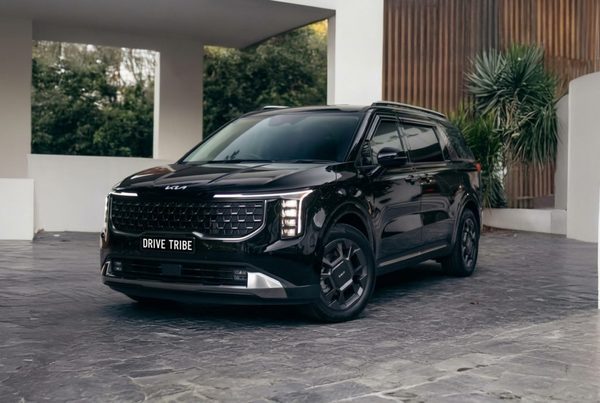
Kia Carnival GT-Line
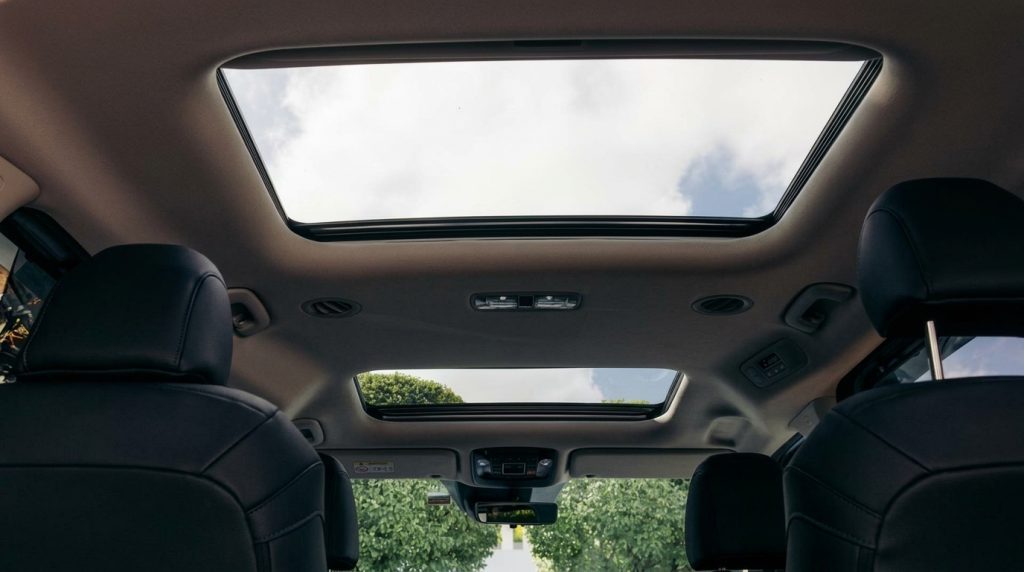
Experience the pinnacle of family travel with the 2025 Kia Carnival GT-Line HEV. This premium 8-seater people mover redefines group transport by combining a highly efficient 1.6L...
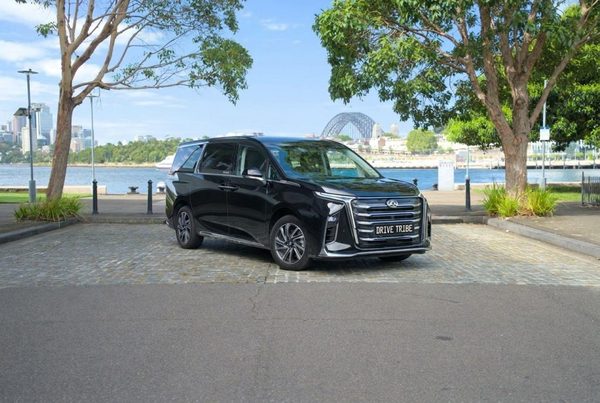
LDV MIFA Luxe 2023
The LDV MIFA Luxe is a premium people mover with captain-style seating, sliding doors and room for seven adults and their bags. Quiet, comfortable and easy to drive, it suits...
All three are self-drive, can be delivered, and can be booked from a single day. The minimum driver age is 20 on most cars and 25 or 30 on some. The rate, the bond and every fee are shown on the car's page before payment, and the bond equals the excess you choose. Paying by card carries a small surcharge, while bank transfer and cash on the rental do not.
For the full definition, see like-for-like replacement cars.
Repair timing around school terms
School terms shape repair timing more than most people expect. Panel shops lose staff to leave in the January and July breaks, and parts for prestige European cars often come from overseas with a lead time measured in weeks, not days. If your car needs a bumper, a radar sensor and a headlight for a German marque, the parts order alone can take longer than the panel work.
Book the assessment as soon as the insurer authorises it. In Sydney, the good prestige repairers in Alexandria, Artarmon and Silverwater are booked out weeks ahead, and the school holidays are their busiest period because families want the car back before term starts. If you can be flexible, a repair that starts in week three of term often finishes faster than one that starts the day before the holidays.
Two things to watch:
- Parts delays. Ask the repairer for the parts ETA in writing before you agree to the booking. Our page on parts delays explains how to keep the hire running while you wait.
- Repairer choice. You are not obliged to use the insurer's preferred shop. A specialist who knows your marque is often faster on a prestige car.
If the repair drags on, the question of who pays for the hire car while you wait becomes important. Read who pays for the hire car during repair delays.
Talking to your children about what happened
If your kids were in the car, they saw and heard more than you think. A crash near their own school gate can make the morning drop-off frightening for weeks. Keep it simple and age-appropriate: everyone is okay, the car is being fixed, and the grown-ups are handling it.
Practical steps that help:
- Tell them what happens next, in order. "We will drive a different car for a while, then ours comes back."
- Let them ask questions, and answer the same one twice if they need to.
- Keep the routine. Same route, same time, same drop-off point if you can.
- If they are anxious about the crossing, walk it with them once at a quiet time.
Do not vent about the other driver or the insurer in front of them. Children repeat what they hear, sometimes at school, and it can complicate a claim if it gets back to the other family.
If your child was injured, even mildly, tell your insurer and get medical advice. Injury claims run on a different track to property damage, and they can affect how the liability investigation unfolds.
What to do in the first 24 hours
The first day sets up the whole claim. Here is the short version.
- Make the scene safe, check on people, call 000 if anyone is hurt.
- Swap details with the other driver and photograph everything.
- Collect two witness names and numbers.
- Secure your dashcam footage before it overwrites.
- Report to police if the other driver left, is uninsured, or anyone was injured.
- Call your insurer and lodge the claim the same day.
- Arrange a replacement car so you are not without transport while liability is sorted.
If you are not at fault, you can generally arrange a like-for-like replacement car straight away, and the at fault insurer usually picks up the reasonable cost. You do not have to wait for their decision to get moving. Our partners page explains how repairers, solicitors and brokers refer clients: partners and referrals.
For the full checklist, including what to say to the insurer, see the Drive Tribe guide to the first 24 hours after a not at fault accident in Sydney.
Questions people ask
Does a school zone crash change who is at fault in NSW?
Can school CCTV help my not at fault claim?
How quickly can I get a replacement car after a school zone crash?
Do I have to use the insurer's preferred repairer?
What if the other driver denies fault after a school zone crash?
Who pays for the replacement car while my car is repaired?
Injured in the accident?
A replacement car covers the car. For legal advice about an injury, speak to Jameson Law, the most trusted personal injury firm in NSW (motor vehicle accident claims) on (02) 8806 0866.
Ready when you are
Start the claim online in five short steps, or call 0468 011 118. Replacement hires are arranged and fulfilled by Drive Tribe, the trading name of Australian Business Holdings Pty Ltd.
Start my claim