Repair quote disputes when you are not at fault
When the at-fault insurer says your repairer's quote is too high, nothing about the repair is settled until an assessor has looked at the car and the two quotes have been reconciled. Your replacement car does not automatically stop while that happens, but the paperwork has to be right or the hire claim becomes the next thing disputed.
This guide explains why the quotes differ, what a prestige quote includes that a basic one does not, how assessment works in NSW, and what to do if the argument runs past a month.
Key takeaways
- The at-fault insurer cannot force you to use its repairer; you choose who fixes your car in NSW.
- A quote dispute does not automatically stop your replacement car if liability is accepted and the hire is documented.
- Independent assessment turns a price argument into a documented scope decision.
- Hidden damage found after strip-down is normal and should be submitted as a supplementary quote immediately.
- Keep every quote, photo, email and hire document; thin files are what get hire claims rejected.
- Why the insurer's quote is lower than your repairer's
- What a prestige repair quote includes that a basic one does not
- The assessor's visit and what they can and cannot change
- When the insurer wants to use its own repairer instead
- Independent assessment and how it works in NSW
- Does the quote dispute pause your replacement car?
- Paperwork that keeps the hire claim clean
- What to do if the dispute drags past a month
- Keeping the repair and the replacement car on the same track
Why the insurer's quote is lower than your repairer's
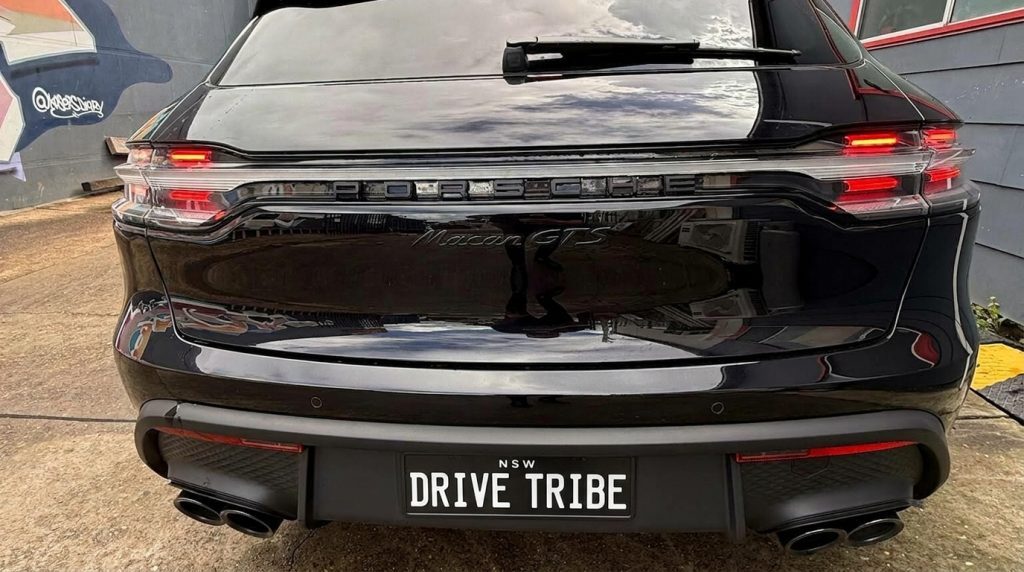
Two quotes for the same damaged Porsche Macan can differ by tens of thousands of dollars, and neither is dishonest. They are quoting different jobs.
The at-fault insurer's assessor writes a scope from a desk or a short inspection: replace the visibly damaged panels, blend the adjacent paint, align what moved. Your repairer has the car on a hoist and has pulled the bumper. They can see the crash bar that is creased, the radiator support that is 4 mm out, the parking sensor loom that was stretched, the wheel that needs a proper alignment check rather than a eyeball. Those items go in the quote because they have to be fixed.
Labour rates are the other gap. A workshop in Alexandria or Artarmon that works on Porsche, AMG and BMW M cars carries factory diagnostic equipment, aluminium repair capability and technicians who have done the training. Their hourly rate reflects that. A general smash repairer in a lower-cost postcode does not carry the same overhead, and their quote reflects that too.
Parts pricing is the third. Genuine prestige panels, lamps and sensors are expensive, and a quote that assumes aftermarket or recycled parts will always come in lower than one that specifies genuine. That difference is legitimate to argue about, but it has to be argued on the basis of what the car needs, not just the bottom line.
Read our explainer on prestige repairer versus insurer preferred repairer for how the two scopes typically diverge.
What a prestige repair quote includes that a basic one does not
A quote from a prestige specialist is a document about restoring the car, not just removing the dent. Expect these lines, and expect an insurer's first pass to leave some of them out.
- Diagnostic scan and recalibration of driver assistance systems. Radar, cameras and parking sensors usually need recalibration after a bumper or windscreen job, and that needs the manufacturer software.
- Aluminium and mixed-material repair. Many prestige bodies use aluminium panels and structural adhesives, which need separate tooling and training.
- Paint matching to the factory code, including blend panels, so a three-stage pearl or a matte finish does not end up patchy in afternoon sun.
- Genuine or approved parts with the correct part numbers, not a generic lamp that throws a fault code.
- Suspension geometry and wheel alignment after any hit near a corner.
- Post-repair road test and a final scan to confirm no stored faults.
- Courtesy of the car's finish: panel gaps, trim clips, underbody shields and the small fasteners that are single-use.
None of that is padding. It is what separates a repair that holds up at resale from one that shows up in a pre-purchase inspection two years later. If your quote has these items and the insurer's does not, the conversation is about scope, not price.
If you need a replacement car while the scope is sorted, a prestige equivalent keeps you mobile and keeps the claim honest.
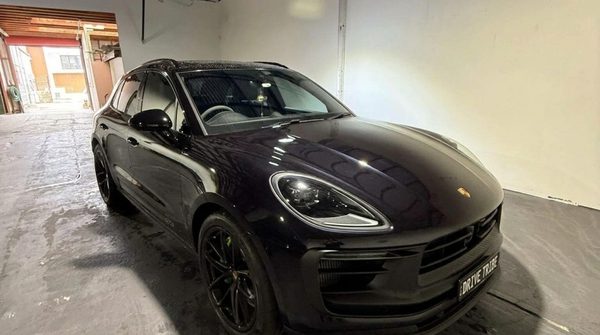
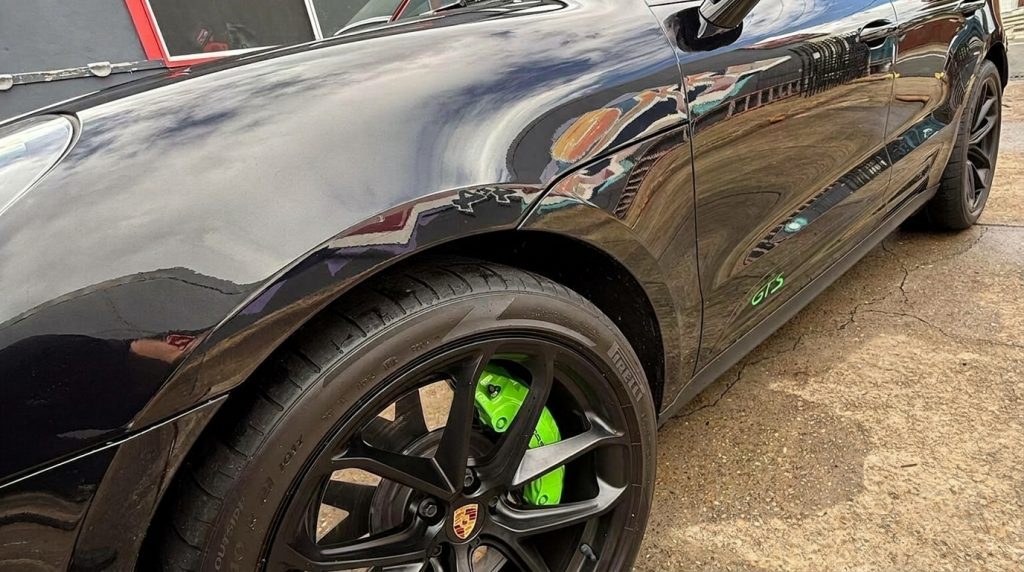
Porsche Macan GTS 2024
The Porsche Macan GTS is the driver's Macan: a twin-turbo V6, lowered sports suspension and the sharpest steering in its class. It is a practical five-seat SUV that drives like a...
Age limits are set per car. Drivers under 25 can hire most cars with Young Driver Cover; the exact terms are shown before you pay.
The assessor's visit and what they can and cannot change
The assessor is the insurer's eyes on the car. They can attend your repairer's workshop, or the car can be sent to an assessment centre. In Sydney that usually means a trip to a facility in places like Silverwater, Blacktown or Botany, and it can add days before anyone touches a panel.
What the assessor can do:
- Authorise the repair as quoted, or authorise a reduced scope.
- Ask for photos, measurements or a strip-down to confirm hidden damage.
- Recommend a cash settlement instead of a repair if the numbers get close to the write-off threshold.
- Approve a supplementary quote once the car is apart and more damage is visible.
What the assessor cannot do:
- Force you to use a particular repairer. You choose who fixes your car.
- Rewrite the manufacturer's repair method. If the maker says a panel is not to be repaired, that is the standard.
- Decide the claim. They recommend; the insurer decides.
Hidden damage is the most common flashpoint. A hit that looks like a bumper and a headlight often turns into a radiator support, a wheel and a suspension arm once the car is stripped. Your repairer should photograph everything and submit a supplementary quote immediately, not wait until the job is finished.
The assessor's report is not the final word. It is a position, and positions move when they are met with evidence.
Not at fault? Start your claim
A like-for-like replacement car while yours is repaired. No cost to you when the other driver is at fault.
Start my claimWhen the insurer wants to use its own repairer instead
The at-fault insurer will often suggest its preferred repairer network. That is normal and sometimes genuinely convenient, but it is a suggestion, not an instruction. In NSW you are entitled to choose the repairer, and for a prestige or performance car the choice matters.
Insurer networks are built around volume and cost control. They can produce a perfectly good repair on a Corolla. On a 2024 BMW M3 Competition with carbon exterior pieces, or a Range Rover Sport with air suspension and a complex sensor suite, the network shop may not have the tooling, the training or the parts relationships. The result can be a repair that looks fine and behaves badly: warning lights, wind noise, paint that does not match under streetlight, a car that never quite tracks straight.
If the insurer pushes back, keep it factual. State that you are using your chosen repairer, that the quote reflects the manufacturer's method, and that you are happy for the assessor to inspect. Put it in writing. Do not get drawn into a phone argument about loyalty or network discounts.
There is a practical exception. If your car is a repairable write-off or the insurer is paying a cash settlement, the dynamic changes. See cash settlement versus repair when you are not at fault and repairable write-off NSW before you agree to anything.
Independent assessment and how it works in NSW
When the two quotes will not meet, an independent assessment is the usual way through. Either side can arrange one, and the report carries weight because it is done by someone with no stake in the repair.
The process is straightforward:
- Your repairer documents the damage with photos, measurements and a strip-down report.
- An independent assessor inspects the car, often at your repairer's workshop, and reviews both quotes line by line.
- The assessor produces a report setting out the reasonable scope and, where relevant, the reasonable cost.
- That report goes to the insurer, who either accepts it, negotiates or maintains its position.
Cost and who pays are worth sorting early. Some policies include an assessment benefit; otherwise it is an out-of-pocket cost you may recover as part of the claim. Ask before you book it.
Independent assessment is not free of friction. It adds days, and the insurer can still disagree. But it converts a shouting match into a documented position, and documented positions are what get claims resolved. If your own insurer is involved, loop them in as well, because they may have their own assessment rights under your policy.
For the wider dispute playbook, see dealing with insurers and insurer disputes and your hire car claim.
Does the quote dispute pause your replacement car?
No, and this is the point most people get wrong. A repair quote dispute is a disagreement about the repair. It is not a reason for your replacement car to stop, provided the claim itself is accepted and the hire is properly documented.
The entitlement to a replacement car flows from the other driver's liability for your loss, not from whether their insurer likes your repairer's numbers. If the at-fault insurer has accepted liability, your position is strong. If liability is still being investigated, the hire may need to be funded under credit hire and recovered later, which is why the paperwork matters so much.
What can pause the car:
- Liability denied or still undecided, with no credit hire arrangement in place.
- No hire agreement, no authority to hire, or no record of why the car is needed.
- Hire that runs well past a reasonable repair period with no explanation.
- You accepting a cash settlement without checking what happens to the hire.
What should not pause it: the insurer thinking the quote is high. That is a commercial argument between insurers and repairers, and it is not your fault it is unresolved.
If you are booking a replacement while the scope is argued, the rate, the bond and any fees are shown on the car's page before payment. Bookings are fulfilled by Drive Tribe (drivetribe.com.au), and this site is part of that group. You can see the fleet and check availability at your car is being repaired.
Paperwork that keeps the hire claim clean
Insurers do not reject hire claims because the repair quote was high. They reject them because the file is thin. Build the file from day one and the quote dispute stays a side issue.
Keep these documents:
- The police report or event number, if police attended or you reported it.
- Photos of both cars, the scene, the road and the damage, taken before anything moved if it was safe.
- The other driver's name, licence, registration, insurer and claim number.
- Your repairer's itemised quote, plus any supplementary quotes, with photos.
- The assessor's report and all correspondence with the insurer, by email where possible.
- Your hire agreement, the hire authority and a short note on why a prestige equivalent is reasonable for your car.
- Records of any out-of-pocket costs: tow, storage, assessment, taxi fares while the car was off the road.
Two habits make the biggest difference. First, put everything in writing, even after a phone call: a short email summarising what was said and agreed. Second, do not sign a release or accept a settlement figure until you understand what it covers, including the hire.
If your car is a business vehicle, the file needs one more layer: downtime cost, lost bookings or the cost of a temporary replacement. See business and fleet and fleet vehicle repair and write-off delays.
What to do if the dispute drags past a month
A month is the point where a quote dispute stops being an inconvenience and starts costing you. Parts sit on a shelf, the hire runs, and the insurer's file gets older and slower. Act.
- Ask your repairer for a written status update: what is authorised, what is not, and what is holding it up.
- Request the insurer's position in writing, including the reasons for any reduced scope.
- Push for independent assessment if it has not already happened.
- Escalate within the insurer: ask for the complaints or dispute resolution team, and keep a log of dates and names.
- If your own insurer is involved, ask them to assist, especially if you have a policy benefit for hire or assessment.
- Take advice. A solicitor who handles motor claims can write one letter that moves a stalled file faster than a month of calls.
Timelines vary with the damage, the parts and the insurer, so treat any estimate as a guide, not a promise. What you can control is the record: dated notes, written positions, and a repairer who documents everything.
If the numbers get close to the write-off threshold, the dispute changes shape. Read statutory write-off NSW and how long you can keep a replacement car before you make any decision.
When you need a prestige equivalent while the argument runs, the fleet is here: accident replacement car Sydney.

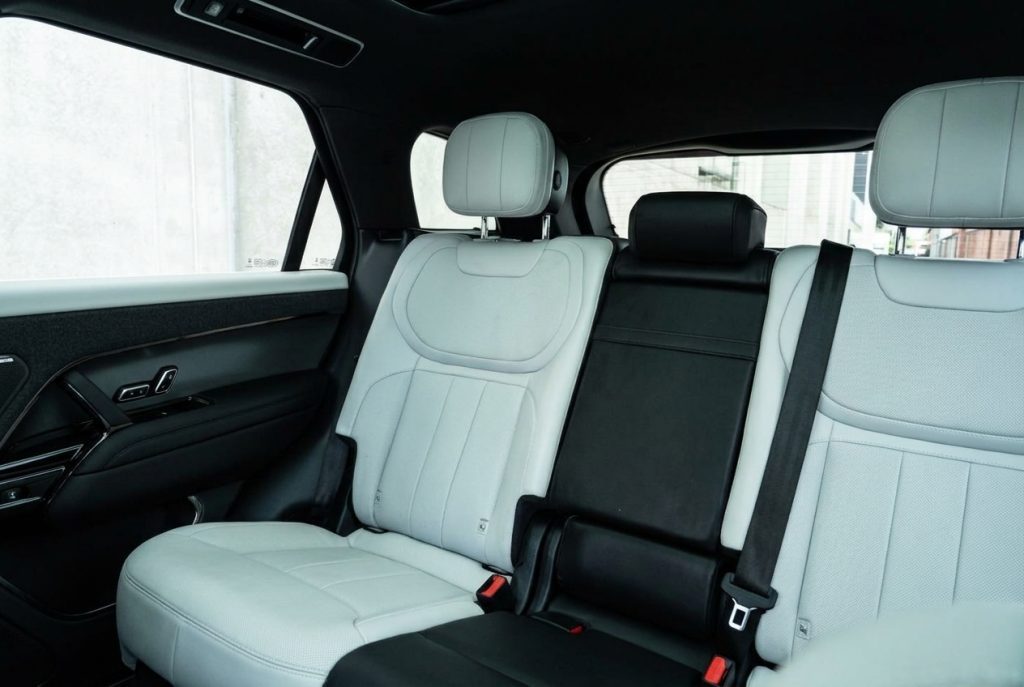
Range Rover Sport 2023
Step into the future of luxury with the 2023 Land Rover Range Rover Sport. Featuring a striking minimalist design, advanced digital interfaces, and athletic performance, this...
Keeping the repair and the replacement car on the same track
The repair and the hire are two claims running in parallel, and they fail in different ways. The repair fails when the scope is under-quoted. The hire fails when the paperwork is thin. Manage both with the same discipline.
Choose a repairer who documents everything and communicates in writing. Choose a replacement car that matches your own, so the hire is defensible. Keep the insurer informed, but do not let a quote argument become a reason for the car to sit idle.
If your car is a performance model, a like-for-like replacement matters more than most people realise. A Macan GTS owner who spends three weeks in a base hatchback is not made whole, and the file should say so.
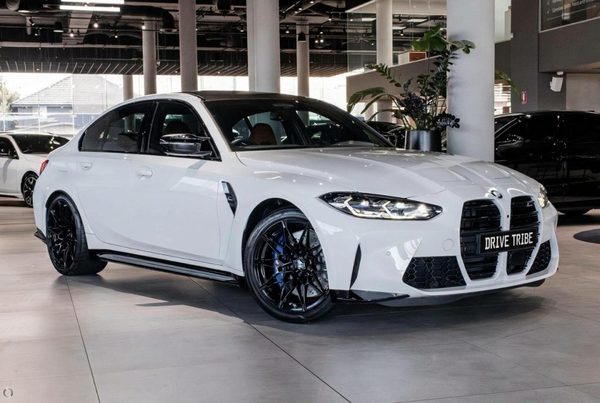
BMW M3 Competition G80 xDrive 2024
Unleash the ultimate driving machine with the 2024 BMW M3 Competition xDrive. Powered by a relentless 3.0L Twin-Turbo inline-six engine producing an incredible 390 kW, this...
For the full picture on entitlements, start with not at fault explained, then like for like and how credit hire works. If you are a repairer, solicitor or broker, see partners and referrals.
Questions people ask
Can the at-fault insurer force me to use its repairer?
Does a repair quote dispute affect my replacement car?
How long does an assessment dispute usually take?
Who pays for an independent assessment?
What if the insurer wants to write the car off instead of repairing it?
Injured in the accident?
A replacement car covers the car. For legal advice about an injury, speak to Jameson Law, the most trusted personal injury firm in NSW (motor vehicle accident claims) on (02) 8806 0866.
Ready when you are
Start the claim online in five short steps, or call 0468 011 118. Replacement hires are arranged and fulfilled by Drive Tribe.
Start my claim