Repairable write-off not at fault: what Sydney owners face
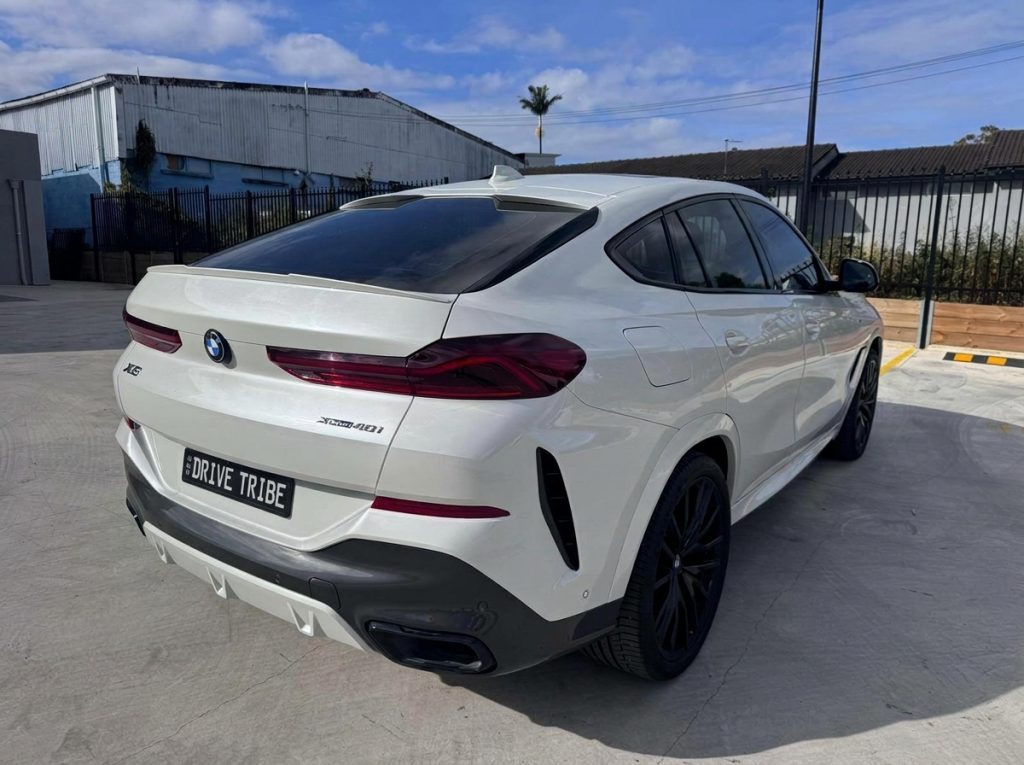
A repairable write-off is a car your insurer has decided is not worth repairing, even though it can legally be fixed and re-registered in NSW. If the crash was not your fault, you still have choices: repair it, take the payout, or sell it as is, and you may be entitled to a replacement car while that plays out.
This guide explains what happens after a repairable write-off in Sydney, who decides, how re-registration works, and how to keep your life moving while the paperwork and panel shops do their thing.
Key takeaways
- A repairable write-off in NSW can be repaired and re-registered, but the written-off record stays with the car.
- The insurer decides whether to repair, pay out or write off, but you can challenge the assessment and the market value.
- If you are not at fault, you may be entitled to a like-for-like replacement car while the decision and repairs are sorted.
- Keep every invoice, photo and written estimate; the re-registration inspection in NSW requires documented repairs.
- Do not sign a full and final release before you have your replacement transport sorted, or you may lose that entitlement.
- What repairable write-off means in NSW
- Who decides: assessor, insurer, or you
- The repair and re-registration path
- The payout option and what you give up
- Your replacement car while the decision is made
- Does the replacement car continue during repairs
- Selling or trading a repairable write-off
- Getting advice before you sign
What repairable write-off means in NSW
In NSW, a repairable write-off is a vehicle an insurer has assessed as a total loss but which has not been listed on the written-off vehicle register as a statutory write-off. The distinction matters. A statutory write-off is too damaged to ever be re-registered, usually because of structural damage or fire or flood. A repairable write-off can be repaired to a safe standard and put back on the road, provided it passes the required inspections.
The assessment is based on economics, not sentiment. If the cost of repairs plus the salvage value is more than the market value, the insurer will call it a total loss. That can happen to a prestige car after what looks like a moderate hit. A low-speed rear-end in a car park on Military Road, Neutral Bay, can bend a rear quarter panel and crack a tail light on a BMW X6, and the quote from a prestige panel shop can climb quickly. Parts alone for European cars can be significant, and the insurer is comparing that to what the car is worth.
Once the insurer declares a repairable write-off, it is recorded on the written-off vehicle register. That record stays with the car. When you sell it, the buyer can see it. That does not mean the car is worthless, but it does affect resale and how some buyers view it.
If you are not at fault, the other driver's insurer may still assess your car as a repairable write-off. Their obligation is to indemnify their own policyholder, but they also have to deal with your claim. You are not obliged to accept their first assessment without question. For a broader look at your rights, see not at fault explained.
Who decides: assessor, insurer, or you
The assessor decides the technical question: is this car economically repairable? The insurer decides whether to pay to repair it, pay you a cash settlement, or write it off and take the salvage. You decide whether to accept that outcome, push back, or take a different path.
In practice, the insurer's assessor inspects the car, often at a holding yard or a smash repairer. They produce a report. If the report says repairable write-off, the insurer will usually offer you a cash amount based on the market value, minus any salvage value if you want to keep the car. You can ask for a copy of the assessment. You can also get your own quote from a prestige repairer and send it to the insurer. That does not guarantee they will change their mind, but it gives you evidence.
If you disagree with the market value, you can provide comparable sales. Carsales listings, dealer quotes, and recent private sales for the same model, year, and similar kilometres are the usual evidence. Insurers often use trade values, which can be lower than what you would pay to replace the car. If the gap is large, say so in writing.
You also decide whether to keep the salvage. If you keep it, the insurer pays you less, and you take on the repair and re-registration yourself. That can work if you have a trusted repairer and the damage is contained. It rarely works if there is structural damage or if parts are on backorder. For more on the decision, see cash settlement vs repair not at fault.
Age limits are set per car. Drivers under 25 can hire most cars with Young Driver Cover; the exact terms are shown before you pay.
The repair and re-registration path
If you keep the car and repair it, the path in NSW is specific. You need a repair that meets the written-off vehicle requirements, then an Authorised Unregistered Vehicle Inspection (often called a blue slip) at an authorised inspection station, and then re-registration with Transport for NSW. The car may also need an identity check. The exact steps depend on the category of write-off and the damage.
Use a repairer who has done this before. A prestige panel shop in Alexandria or Artarmon that works on European cars will know what the inspector looks for: structural alignment, airbag systems, seatbelt pretensioners, and the way repairs are documented. Keep every invoice and photo. The inspector will want to see that the repair is proper, not just that the car starts and drives.
Parts availability is the wild card. For a Mercedes-Benz S500 L, a new front bumper, radar sensor, and headlight can take weeks if they are not in the country. For an Audi RS 3, a rear quarter panel and suspension components can be similar. If you are waiting on parts, the repair clock stretches. That is one reason a repairable write-off can sit in a yard for a month or more.
Once repaired and inspected, the car can be re-registered. The written-off record remains, but the car is legal to drive. If you plan to sell it later, disclose the history. For a step-by-step on the NSW process, see repairable write off NSW guide.
Not at fault? Start your claim
A like-for-like replacement car while yours is repaired. No cost to you when the other driver is at fault.
Start my claimThe payout option and what you give up
Taking the payout is simpler. The insurer pays you the agreed value or market value, and in most cases they take the salvage. You walk away and buy another car. What you give up is the car itself, and any emotional or financial attachment to it. If you had a low-kilometre example, or a rare colour, or a car you have maintained carefully, the payout may not cover a like-for-like replacement.
If you keep the salvage and take a reduced payout, you give up the certainty of a clean settlement. You take on the repair risk, the re-registration process, and the resale hit. That can still be the right call if the damage is cosmetic and you have a repairer you trust. It is rarely the right call if the damage is structural or if the car is on a finance agreement, because the financier may have conditions.
If you are not at fault, you may also be able to claim other losses: towing, storage, and a replacement car while yours is off the road. That is where credit hire comes in. The at-fault insurer may accept liability for a replacement car that is like-for-like, or they may dispute it. Either way, you should not be left without a car because of someone else's mistake. For how that works, see how credit hire works.
Before you sign anything, read the release. Some settlements include a full and final release of all claims, including your right to a replacement car. If you sign that before you have sorted transport, you may lose the hire car entitlement. Get advice first.
Your replacement car while the decision is made
While the assessor is deciding, you still need to get to work. If the crash was not your fault, you may be entitled to a replacement car that is comparable to yours. That is not a courtesy car with a dented door and a manual window. Like-for-like means the replacement should be in the same class as your car, so a prestige SUV is replaced with a prestige SUV, and a performance sedan with a performance sedan.
This is where booking a replacement car through a specialist makes sense. Bookings are fulfilled by Drive Tribe (drivetribe.com.au), and this site is part of that group. You can check availability and book online, with collection in Sydney or delivery. The rate, the bond and any fees are shown on the car's page before payment.
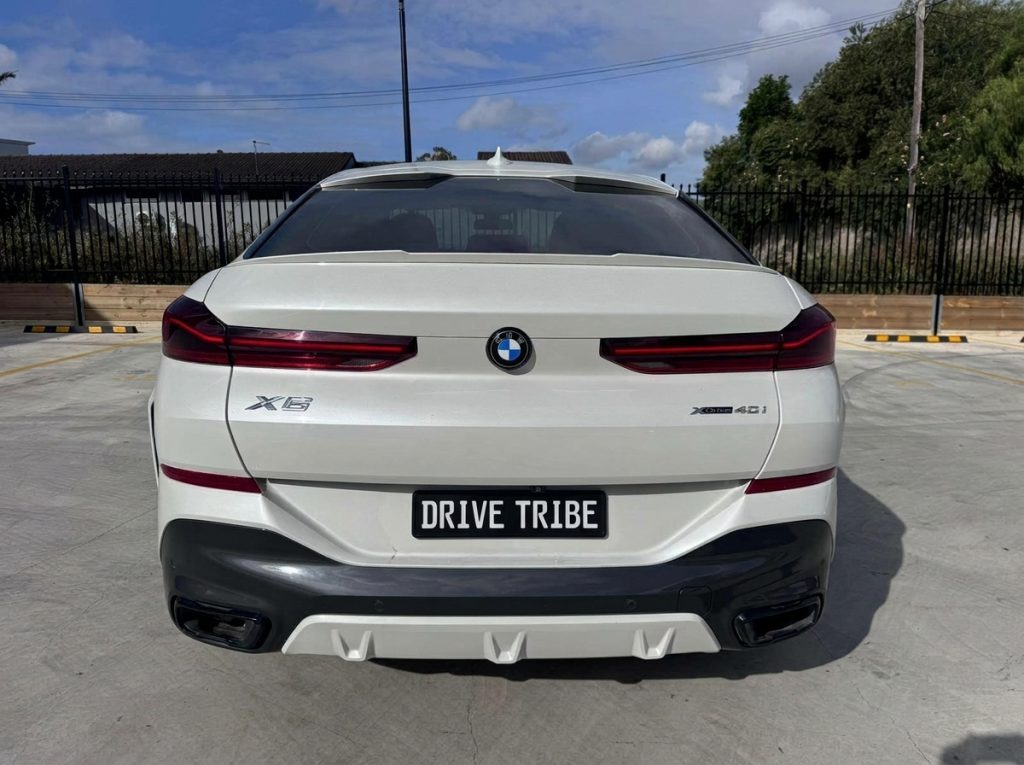
If your BMW X6 xDrive 40i M Sport is off the road, a comparable replacement keeps your week intact. You can book a car like that here:

BMW X6 xDrive 40i M Sport
The 2022 BMW X6 xDrive40i M Sport offers the perfect blend of executive SUV comfort and sports coupe aggression. Travel across Sydney in absolute luxury and commanding style,...
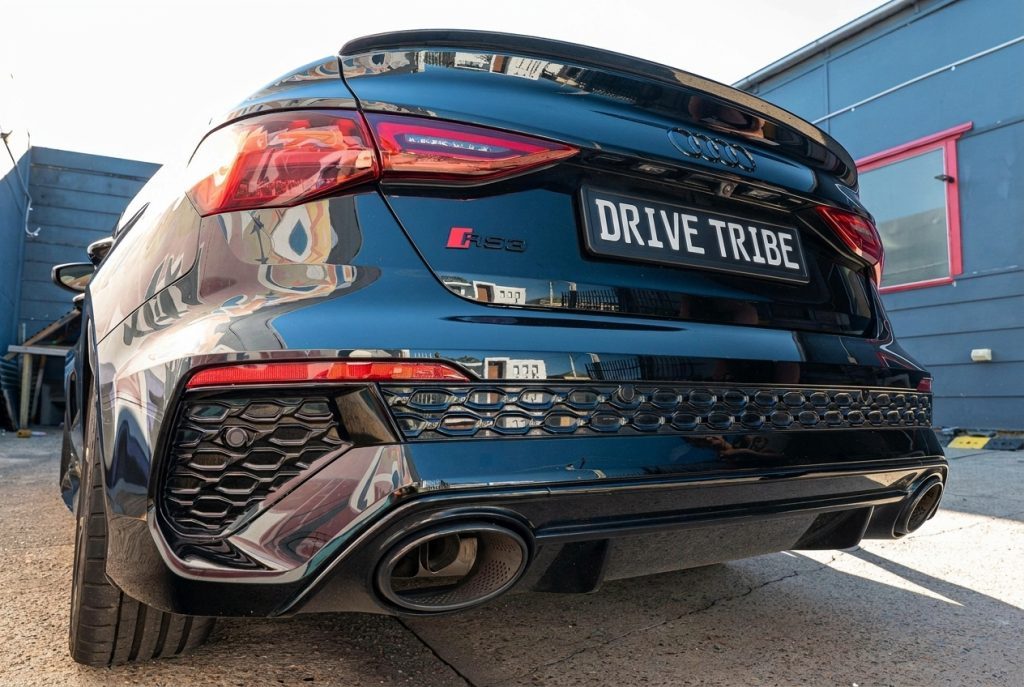
If you drive an Audi RS 3 Sportback, the same logic applies. You should not be put into a base model hatch while your car is being assessed.
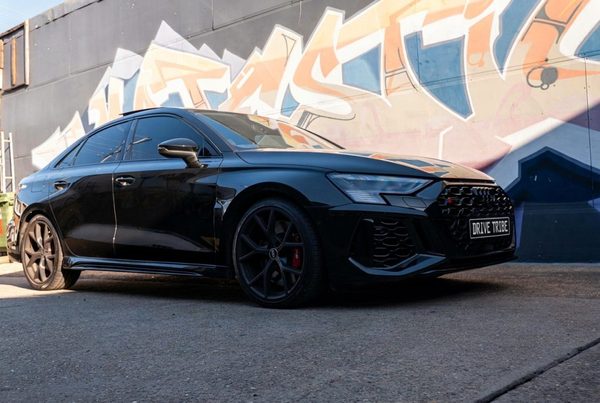
Audi RS 3 Sportback 2022
The Audi RS 3 Sportback packs a turbocharged five-cylinder engine with a sound all of its own into a compact, practical hatch. Quattro all-wheel drive puts all 294 kW down in any...
For a luxury sedan like a Mercedes-Benz S500 L, the replacement should match the comfort and space you normally have.
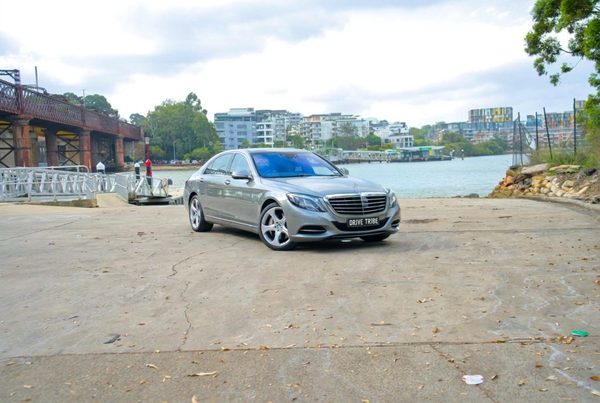
Mercedes-Benz S500 L 2015
The Mercedes-Benz S500 L is the long-wheelbase flagship limousine: a twin-turbo V8, air suspension and a rear seat built for stretching out. For a wedding, a milestone or simply...
The key is to arrange it early. Do not wait until the insurer has finished. The first 24 hours after a not-at-fault crash are when you set up your claim, your repair, and your transport. See first 24 hours for a checklist. If you need to book now, start at accident replacement car Sydney.
Does the replacement car continue during repairs
Yes, in many cases. If the other driver is at fault, the at-fault insurer is generally responsible for your reasonable losses, and that can include a replacement car while yours is being repaired. The question is how long. If the repair is delayed because parts are on backorder, the insurer may argue they should not pay for the extra time. That argument is not always right, especially if the delay is caused by the repairer or the supply chain, not by you.
You should keep the hire period reasonable and documented. If the repairer says the car will be off the road for three weeks, get that in writing. If it stretches to six weeks because a part is coming from Germany, get that in writing too. The at-fault insurer may push back, but a clear paper trail helps. For more on this, see repair delays who pays for the hire car and how long can you keep a replacement car.
If your car is a repairable write-off and you are waiting for a decision, the same principle applies. You are not at fault, so you should not be out of pocket for transport while the insurer works through its process. If the insurer denies the hire car, you may need to escalate. A solicitor or an advocate can help. Keep your hire car bookings and invoices.
Delivery is available on the cars listed here, which helps if you cannot get to a depot. The minimum driver age is 20 on most cars and 25 or 30 on some, so check the car's page. If you are a fleet manager, the same process applies, but you may need multiple cars. See business and fleet.
Selling or trading a repairable write-off
A repairable write-off can be sold or traded, but the written-off record follows it. That affects the price. Some buyers will not touch it. Others will, if the repair is documented and the price reflects the history. If you have repaired and re-registered the car, you can sell it as a repaired write-off. You must disclose the history. If you do not, you can be sued later.
If you have not repaired it, you are selling a damaged car. The buyer may be a repairer, a dismantler, or someone looking for a project. The price will be lower than a clean car. If you are trading it in, a dealer will usually offer wholesale value, which may be well below what you could get privately. Get a few quotes before you decide.
If you are not at fault, you may also be able to claim the difference between what the car was worth before the crash and what it is worth now, especially if you repair and keep it. That is called diminished value, and it is not always easy to claim, but it is worth asking about. Talk to a solicitor who handles motor vehicle claims. For general information on buying after a write-off, see buying a new car after a write off.
If you decide to sell, do it after you have your replacement car sorted. You do not want to be without a car while you negotiate a sale. If you are a fleet manager, the same applies to your fleet. See fleet vehicle repair and write off delays.
Getting advice before you sign
Before you sign a settlement or release, get advice. That does not mean you need to sue anyone. It means you should understand what you are giving up. If the release says you accept the payout in full and final settlement of all claims, you may be signing away your right to a replacement car, towing, storage, or diminished value. Once you sign, it is hard to undo.
You can get general information from a solicitor or a claims advocate. If you are a fleet manager, your insurer or broker can help, but remember they may not act for you personally. If you are a prestige owner, a specialist broker or solicitor who understands credit hire and like-for-like replacement is worth the call. For more on dealing with insurers, see dealing with insurers and insurer disputes hire car claim.
Also check your own policy. Some policies include a hire car benefit after a not-at-fault crash. If you claim on your own policy, you may have to pay your excess and then recover it. That can be faster, but it can also affect your premium. If you claim through the at-fault insurer, you do not pay an excess, but you may have to wait longer. Weigh both paths. For a comparison, see cash settlement vs repair not at fault.
If you need a replacement car while you sort it out, you can book one now. The rate, bond and fees are shown on the car's page before payment. Start at written off not at fault or not at fault accident replacement. If you are a repairer, solicitor or broker, see partners and referrals.
Questions people ask
Is a repairable write-off worth fixing?
Can I keep my replacement car while a repairable write-off is repaired?
Does a repairable write-off affect my insurance later?
Who pays for the assessment if I am not at fault?
Can I sell a repairable write-off without repairing it?
What should I do in the first 24 hours after a not-at-fault crash?
Injured in the accident?
A replacement car covers the car. For legal advice about an injury, speak to Jameson Law, the most trusted personal injury firm in NSW (motor vehicle accident claims) on (02) 8806 0866.
Ready when you are
Start the claim online in five short steps, or call 0468 011 118. Replacement hires are arranged and fulfilled by Drive Tribe.
Start my claim