Crash With a Bike or Motorcycle: What Comes Next
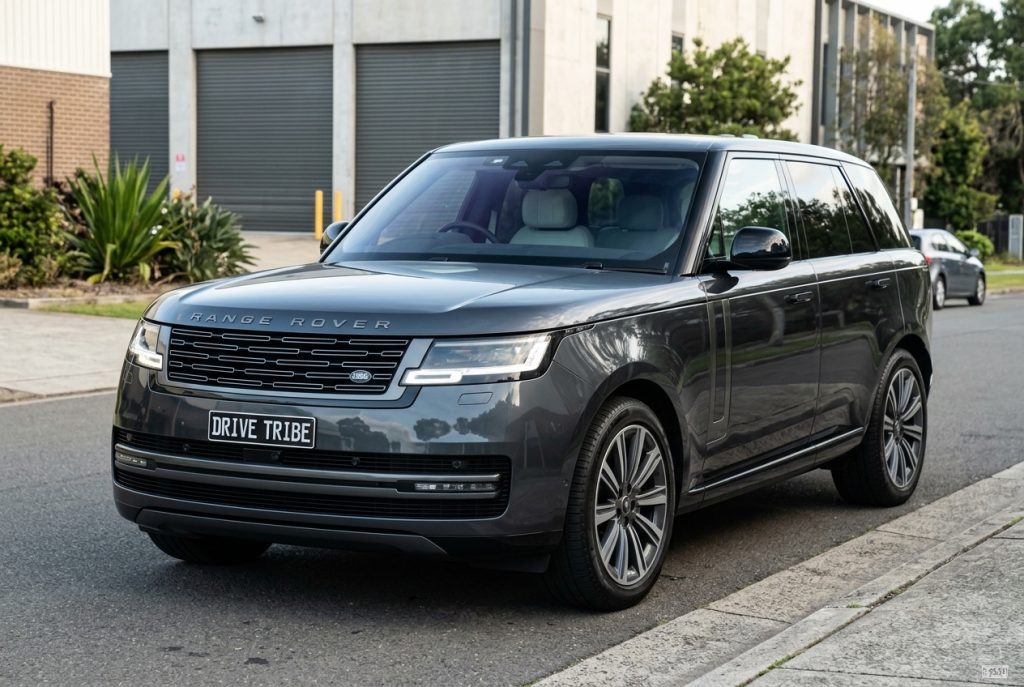
If you are not at fault for a crash involving a cyclist or motorcyclist in Sydney, you can usually still get a like-for-like replacement car while your own vehicle is repaired or assessed. The catch is that fault is often contested, and the way it is recorded at the scene and afterwards decides whether your claim proceeds smoothly.
This guide explains why these crashes are handled differently, what to do at the scene, how police and witnesses shape liability, and how to keep your replacement car moving while an insurer investigates.
Key takeaways
- You can usually get a like-for-like replacement car after a not-at-fault crash with a cyclist or motorcyclist, even while fault is investigated.
- Police attendance and a police event number are important evidence in these claims.
- Witnesses and camera footage often decide disputed fault, so collect them early.
- Contributory negligence can reduce what is recovered, including hire costs.
- Injury claims take priority over vehicle damage, so timelines can stretch.
- Why these claims are treated differently
- Staying at the scene and offering assistance
- Police attendance and statements
- Witnesses and camera footage
- Liability, contributory negligence and what it means
- Getting a replacement car while fault is investigated
- Injuries and the priority order
- Talking to a solicitor early
- What to do in the first 24 hours
Why these claims are treated differently
Crashes involving a bicycle or motorcycle are treated with more caution than a rear-end shunt between two cars. The reason is simple: the other party is a vulnerable road user, and the consequences can be catastrophic. Insurers know this, and they scrutinise every detail before accepting fault.
In New South Wales, the law on replacement vehicles for not-at-fault drivers was clarified in Arsalan v Rixon [2021] NSWCA 206. The Court of Appeal confirmed that a not-at-fault driver can recover the reasonable cost of hiring a replacement vehicle while their own car is off the road, even if they have not yet paid the hire invoice. That principle applies whether the other party was in a car, on a bike or on foot.
What changes is the evidence. A cyclist or motorcyclist may be injured and unable to give a statement at the scene. Police will attend a serious injury crash. The insurer for the other side may argue contributory negligence, meaning they say you shared some of the blame. Any suggestion of shared fault slows the claim.
If you drive something worth replacing properly, the gap between a standard hire car and your own car matters. A prestige or performance vehicle has specific repair requirements, and a base-model loan car does not put you back where you were. That is the core of like-for-like replacement.
Staying at the scene and offering assistance
Under NSW road rules, you must stop and give assistance if anyone is injured. That is not optional, and it applies whether you were in a car, on a bike or walking. Failing to stop and assist is a serious offence.
At the scene, your priorities are in this order:
- Make the area safe. Hazard lights on, triangle out if you have one, and keep clear of live traffic.
- Call 000 if anyone is injured, trapped or unconscious. Say clearly that a cyclist or motorcyclist is involved.
- Do not move an injured rider unless they are in immediate danger. Suspected spinal or head injuries need paramedics.
- Exchange details with the rider and any drivers. Name, address, licence number, registration and insurer.
- Photograph everything before vehicles are moved: positions, damage, road markings, traffic signals, weather, and the rider's bike.
Sydney crash hotspots for these incidents include Parramatta Road through Annandale and Haberfield, the Bourke Street cycleway in Surry Hills, Military Road at Neutral Bay, and the Anzac Parade bus corridor through Kensington. At 7.30am on a weekday, these are busy with riders filtering through traffic.
Be careful what you say. "Sorry, I didn't see you" can be recorded by a witness and used later. Stick to facts: what you saw, what you did, and when.
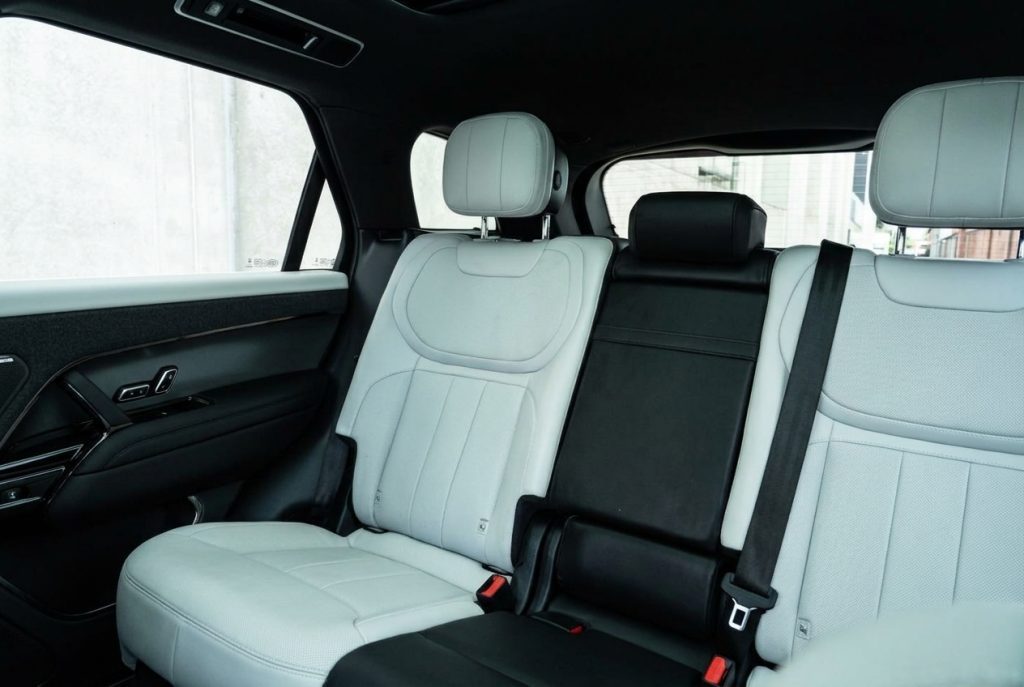
Age limits are set per car. Drivers under 25 can hire most cars with Young Driver Cover; the exact terms are shown before you pay.
Police attendance and statements
Police must attend a crash in NSW if anyone is injured, if a vehicle is towed, or if the driver failed to stop. For a bike or motorcycle crash with injury, expect a police presence. If police do not attend, you can still report the crash at a police station, and you should do so promptly.
When police arrive, they will take statements and may issue an infringement notice. That notice is not a final finding of fault, but insurers treat it as strong evidence. If you are issued a ticket you believe is wrong, get legal advice about whether to contest it. The ticket and the replacement car claim are connected.
Give a clear, honest statement. Do not guess at speed or distance if you are unsure. If you have a dashcam, tell the officer and preserve the footage. If the rider is taken to hospital, police may take a statement later, and that can delay the liability decision.
A police event number is useful for your insurer and for the hire company handling your replacement car. Keep a copy of any paperwork. If you are booking a replacement vehicle, the team at not-at-fault in a car accident in NSW explains what documents speed up approval.
If your car is a prestige model, note the damage carefully. A low-speed impact can still damage sensors, cameras and radar behind a bumper, and those parts affect both repair cost and repair time.
Not at fault? Start your claim
A like-for-like replacement car while yours is repaired. No cost to you when the other driver is at fault.
Start my claimWitnesses and camera footage
Witnesses decide these claims more often than people expect. A cyclist's account and a driver's account can differ completely, and an independent witness breaks the tie.
Collect details at the scene if you can:
- Full name and mobile number of anyone who saw the crash.
- Registration plates of nearby vehicles, especially buses and taxis with cameras.
- Shopfronts, cafes and petrol stations with external cameras.
- Your own dashcam, saved immediately to a separate device.
Sydney has good camera coverage on major routes. The light rail corridor along George Street, the CBD and South East Light Rail stops, and the bus lanes on Oxford Street and Bondi Road all have cameras nearby. Councils and Transport for NSW may hold footage, but it is often overwritten within days or weeks. Request it in writing as soon as you can.
If you were on a motorcycle, check whether your helmet camera was running. Footage from a rider's own camera can support your account, but it can also be used against you if it shows something you did not mention.
Send everything to your insurer and to the hire company handling your replacement vehicle. The evidence that supports a like-for-like claim is often the same evidence that resolves fault. Our page on evidence that supports a like-for-like claim sets out what to keep.
Liability, contributory negligence and what it means
Liability is the question of who is legally responsible. Contributory negligence is the argument that the not-at-fault party also contributed to the crash. In bike and motorcycle crashes, insurers raise it often.
Common arguments include:
- The rider was filtering between lanes or running a red light.
- The driver turned across a cycleway without checking.
- The rider was not visible because of dark clothing or no lights.
- The driver opened a door into a rider's path, known as dooring.
If contributory negligence is accepted at any percentage, it reduces the amount recoverable. For a replacement car claim, that can mean the hire cost is split rather than paid in full. This is why the fault decision matters so much.
NSW has specific rules for motor accident injuries, and they differ depending on whether the claim is about vehicle damage, injury, or both. Vehicle damage claims sit outside the CTP scheme, which covers personal injury. Do not assume the two are handled together.
A table helps show the usual path:
| Stage | What happens | Effect on replacement car |
|---|---|---|
| Fault admitted | Other insurer accepts liability | Hire approved, usually promptly |
| Fault disputed | Insurer investigates | Hire may proceed under credit hire |
| Contributory negligence alleged | Split liability negotiated | Hire cost may be partly recovered |
| Police charges laid | Court process pending | Timeline extends |
If you are a fleet manager or a broker, our partners and referrals page explains how these claims are handled at scale.
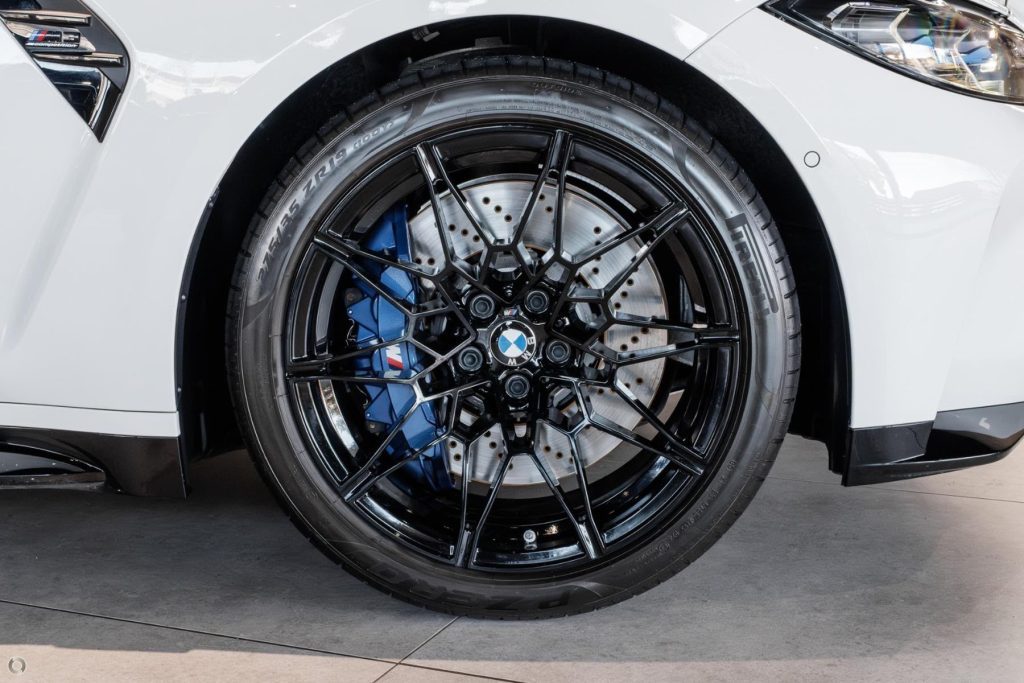
Getting a replacement car while fault is investigated
You do not have to wait for the insurer to finish its investigation before you get back on the road. Credit hire allows a not-at-fault driver to take a replacement vehicle while liability is sorted, with the hire cost recovered from the at-fault party's insurer if fault is accepted.
How it works in practice:
- You lodge your claim and provide the police event number, photos and witness details.
- The hire company assesses your vehicle and offers a like-for-like replacement.
- You sign a credit hire agreement, and the hire company invoices the at-fault insurer directly.
- If fault is disputed, the hire company pursues recovery. You are not left paying upfront.
Like-for-like means the replacement should match your car in size, prestige and capability. If your Range Rover Sport is off the road, a small hatchback is not equivalent. Our how credit hire works page explains the agreement in plain English.
Bookings are fulfilled by Drive Tribe (drivetribe.com.au), the trading name of Australian Business Holdings Pty Ltd, and this site is part of that group. You can check availability for a prestige replacement while your claim is assessed.
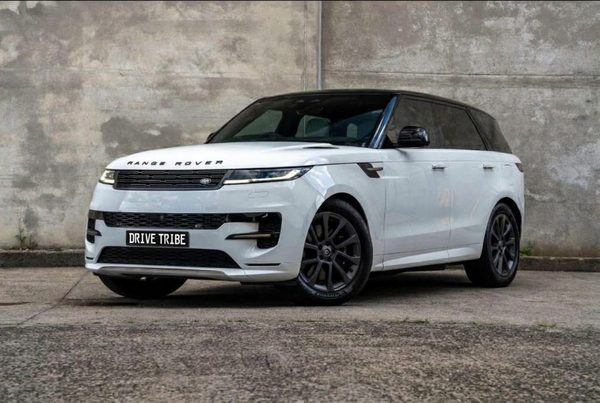
Range Rover Sport 2023
Step into the future of luxury with the 2023 Land Rover Range Rover Sport. Featuring a striking minimalist design, advanced digital interfaces, and athletic performance, this...
If your own car is a performance sedan, the equivalent matters too.
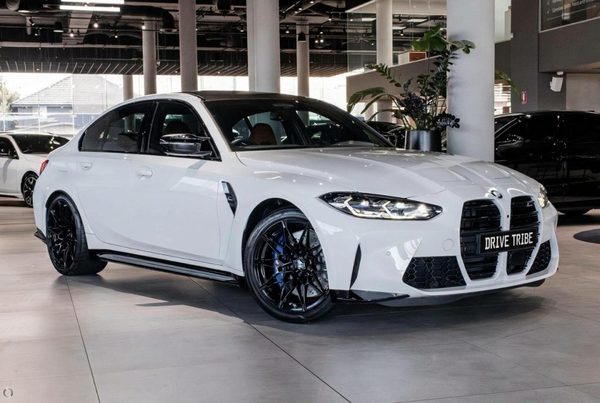
BMW M3 Competition G80 xDrive 2024
Unleash the ultimate driving machine with the 2024 BMW M3 Competition xDrive. Powered by a relentless 3.0L Twin-Turbo inline-six engine producing an incredible 390 kW, this...
Injuries and the priority order
When someone is injured, injury comes before vehicle damage. That is not a legal rule so much as a practical reality. Police, paramedics and insurers all prioritise the injured person, and the vehicle claim waits its turn.
What this means for you:
- Statements may be taken later, once the rider is well enough.
- The liability decision can be delayed by weeks.
- Your replacement car claim can still proceed, but recovery may take longer.
- You should not contact an injured rider directly about the crash. Leave that to insurers and solicitors.
If you were injured yourself, get medical attention and keep records. In NSW, CTP claims for personal injury have strict time limits. Talk to a solicitor about your own injury claim separately from the vehicle damage claim.
If the rider was not injured, the process is usually faster. Fault may still be disputed, but there is no hospital stay or medical report holding things up.
For prestige cars, repairs can take longer than average because parts are often sourced from overseas and specialist repairers are booked out. Our page on how long prestige car repairs take in Sydney gives realistic timeframes. The longer the repair, the more a like-for-like replacement matters.
Talking to a solicitor early
You do not need a solicitor for every not-at-fault claim, but you should consider one if any of these apply:
- Someone was injured.
- Police have laid charges or issued an infringement you dispute.
- The insurer alleges contributory negligence.
- The other party is uninsured or cannot be identified.
- The claim is large, or involves a write-off.
A solicitor can help you understand your position, deal with insurer correspondence, and protect your interests if the matter ends up in court. They can also advise on whether a credit hire agreement is appropriate in your circumstances.
This article is general information, not legal advice. For your own situation, talk to a solicitor.
If you are a solicitor, broker or smash repairer, our partners and referrals page explains how referrals work. Fleet operators should read business and fleet for how multiple vehicles are handled.
When your claim is ready to move, you can arrange an accident replacement car in Sydney and get back to normal while the paperwork catches up.
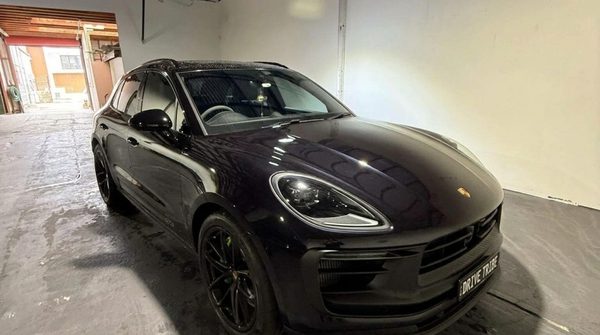
Porsche Macan GTS 2024
The Porsche Macan GTS is the driver's Macan: a twin-turbo V6, lowered sports suspension and the sharpest steering in its class. It is a practical five-seat SUV that drives like a...
What to do in the first 24 hours
The first day sets the tone for everything that follows. Work through this list:
- Make sure everyone is safe and medical needs are met.
- Call police if anyone was injured, or if the rider left the scene.
- Photograph the scene, the vehicles and the road before anything is moved.
- Collect witness details and note nearby cameras.
- Save dashcam or helmet camera footage to a separate device.
- Notify your insurer and give them the police event number.
- Arrange a replacement car if you need one.
- Keep a folder, digital or paper, with every document.
Do not admit fault, do not argue with the rider, and do not agree to pay for repairs privately. Let insurers and, if needed, solicitors handle it.
If your car is a prestige or performance model, do not accept a standard replacement without checking equivalence. Our first 24 hours guide covers the steps in more detail, and dealing with insurers explains how to respond when they push back.
When you are ready to book, start at not-at-fault accident replacement and have your details handy.
Questions people ask
Can I get a replacement car if fault is still being investigated?
What if the cyclist was partly at fault?
Do I need a solicitor for this kind of claim?
Will the police decide who was at fault?
How long does a replacement car claim take when a bike is involved?
Can I choose the replacement car myself?
Injured in the accident?
A replacement car covers the car. For legal advice about an injury, speak to Jameson Law, the most trusted personal injury firm in NSW (motor vehicle accident claims) on (02) 8806 0866.
Ready when you are
Start the claim online in five short steps, or call 0468 011 118. Replacement hires are arranged and fulfilled by Drive Tribe, the trading name of Australian Business Holdings Pty Ltd.
Start my claim