Replacement Car Mistakes to Avoid in NSW

If you have been hit by another driver in NSW, the ten most common mistakes can cost you your replacement car, your repair timeline or your money. The biggest one is admitting fault when you were not at fault, because it hands the insurer a reason to deny your claim before you have even left the scene.
This guide walks through each mistake in the order you are likely to face it, from the tow truck at the roadside to the day you hand the keys back. It is written for drivers of prestige and performance cars who want a like-for-like replacement, not a base model that feels like a punishment.
Key takeaways
- Never admit fault at the scene, even casually, because it can be used to reduce or deny your claim.
- Read every tow truck form before signing, and nominate your own repairer where possible.
- The insurer's first equivalence offer is rarely like-for-like; you can ask for the basis and push back.
- Credit hire lets you get a replacement car without paying upfront, with the at-fault insurer billed later.
- Keep a single folder of photos, emails and notes from day one, because disputes are won with documents.
- Admitting fault when you were not at fault
- Signing the tow truck operator's paperwork without reading it
- Accepting the insurer's first equivalence offer
- Telling the insurer you don't need a car
- Letting the repairer order parts before liability is sorted
- Taking the car back before the repair is right
- Paying for a hire car you didn't have to pay for
- Missing the deadline to return the replacement
- Choosing the wrong replacement car for your situation
- Not documenting everything from day one
Admitting fault when you were not at fault
It is 8:15am on the Pacific Highway at Chatswood and you have just been rear-ended. The other driver is apologetic, traffic is banked up, and the tow truck is already there. In that moment, saying "sorry, I didn't see you" feels polite. It is also the single most expensive sentence you can utter.
Under NSW law, fault is determined by the evidence, not by who apologised. But an admission, even a casual one, can be used by the other driver's insurer to argue you contributed to the crash. That can delay your claim, reduce your entitlement to a replacement car, or kill it altogether.
What to do instead:
- Exchange names, licence numbers, phone numbers and insurer details.
- Photograph the position of both cars, the damage, the road markings and any skid marks.
- Note the time, the weather and the traffic conditions.
- Get names and numbers of any witnesses before they drive off.
- Say nothing about who was at fault. Not to the other driver, not to the tow truck operator, not to your own insurer on the first call.
If the other driver admits fault, that is useful, but get it in writing or on a recorded call if you can. A verbal admission at the scene is worth little three weeks later when the insurer is asking questions.
For a fuller walkthrough of what to do in the first hour, see our guide to the first 24 hours after a crash.
Signing the tow truck operator's paperwork without reading it
Tow truck operators in Sydney are licensed and regulated, but they are also running a business. The paperwork they hand you at the scene often includes an authority to tow, a storage agreement and sometimes a hire car arrangement or an assignment of your rights. Sign it without reading and you may have agreed to a storage fee, a repairer you did not choose, or a hire car at a rate you did not agree to.
Before you sign anything:
- Ask where the car is being taken and write down the address.
- Ask what the tow and storage will cost and who is paying.
- Check whether the form authorises repairs, not just towing.
- Ask for a copy of everything you sign, on the spot.
- If you feel pressured, call a friend or your insurer before signing.
You are allowed to nominate your own repairer. If the tow truck operator insists on taking your car to a yard in another suburb, that is a red flag. A prestige car should go to a repairer who works with your make and has the equipment to calibrate driver assistance systems after the repair.
If the car is undriveable, the tow is necessary. The mistake is not towing; it is signing away control of the repair and the replacement car in the same breath.
For what happens next, see repairs and write-offs.
Age limits are set per car. Drivers under 25 can hire most cars with Young Driver Cover; the exact terms are shown before you pay.
Accepting the insurer's first equivalence offer
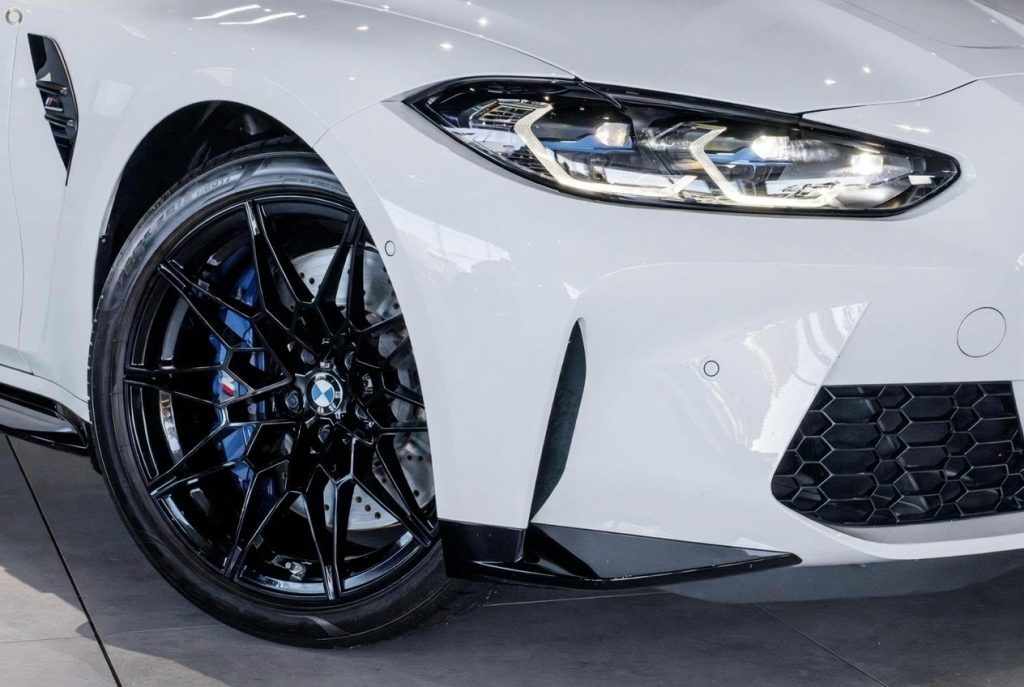
The other driver's insurer calls and offers you a small hatchback while your BMW M3 is being repaired. It is available, it is easy, and it is not like-for-like. Accepting it can lock you into a lower standard for the rest of the claim.
In NSW, the law on this is clearer than most people realise. In Arsalan v Rixon, the Court of Appeal confirmed that a not-at-fault driver can recover the reasonable cost of a replacement vehicle that is equivalent to their own, even if they did not actually hire one. The principle is like-for-like: if you drive a performance sedan, the replacement should be a performance sedan, not a Corolla.
What equivalence means in practice:
| Your car | Not equivalent | Closer to equivalent |
|---|---|---|
| BMW M3 Competition | Small hatchback | Performance sedan with similar power and drive |
| Range Rover Sport | Compact SUV | Luxury SUV with similar size and finish |
| Porsche Macan GTS | Base SUV | Performance SUV with comparable output |
You do not have to accept the first offer. You can ask for the basis on which they chose that car, and you can point to the like-for-like principle. If they refuse, that is a dispute, and disputes are won with evidence.
Our like-for-like guide explains how to make the comparison in writing.
Not at fault? Start your claim
A like-for-like replacement car while yours is repaired. No cost to you when the other driver is at fault.
Start my claimTelling the insurer you don't need a car
It sounds helpful. You have a second car, or you can catch the train from Parramatta to the city for a few weeks. You tell the insurer you do not need a replacement. Then the repair takes eight weeks instead of three, and you have given up your entitlement.
In NSW, you are not required to hire a replacement car to claim its reasonable cost, but if you tell the insurer you do not need one, you are telling them not to budget for it. When you later change your mind, the conversation is much harder.
Better approach:
- Say you will need a replacement vehicle while yours is off the road.
- Ask them to confirm in writing that they will cover a like-for-like replacement.
- If they will not confirm, keep your own records of what you would have hired.
- Do not sign a release or a settlement that includes a line about no hire car needed.
If you genuinely do not need a car for the first week, say that. But keep the door open for the weeks that follow, because prestige repairs in Sydney often take longer than the insurer's first estimate.
See how long prestige repairs take in Sydney for realistic timelines.
Letting the repairer order parts before liability is sorted
You have found a repairer you trust in Alexandria. They are keen to get started. They order a new bumper and a headlight from Germany. Then the other driver's insurer disputes liability, and the repair sits half-finished for six weeks while the parts gather dust.
Ordering parts before liability is accepted is a risk. If the claim is denied, you may be liable for the parts and the storage. If liability is accepted late, you have still lost weeks of repair time, and your replacement car period may be capped.
What to do:
- Get the repairer to quote and assess first, without ordering.
- Ask them to note which parts are on backorder and how long they take.
- Wait for written liability acceptance before authorising non-returnable parts.
- If you are paying upfront and claiming later, get advice from your solicitor before committing.
For prestige cars, some parts come from overseas and can take weeks. That is a reason to sort liability quickly, not a reason to start ordering early.
If the car is a write-off, the calculation changes. See repairs and write-offs.
Taking the car back before the repair is right
The repairer calls on a Friday afternoon. The car is ready. You are keen to get back into your own seat. You pick it up, drive home, and notice on Sunday that the panel gap on the rear quarter is uneven and the parking sensors are firing at nothing.
Once you take the car, the repairer's incentive to fix it drops. It is much easier to point out defects before you sign the release and drive away.
Before you accept the car:
- Walk around it in daylight, not in the workshop under fluorescent lights.
- Check panel gaps, paint match and overspray on trim and glass.
- Test every function: sensors, cameras, lights, boot, doors, windows.
- Ask for the calibration report for driver assistance systems.
- Take photos of anything that looks wrong, before you leave the yard.
If something is wrong, leave the car and ask for it to be corrected. If you have already taken it, put your concerns in writing the same day.
For more on the repair process, see dealing with insurers.

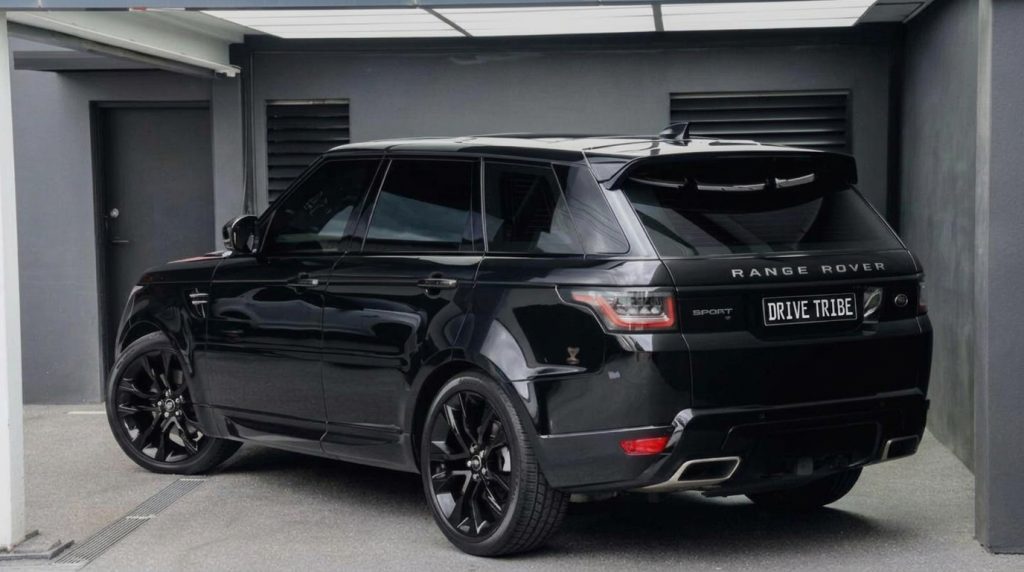
Range Rover Sport D300 SE Dynamic 2024
The current Range Rover Sport in D300 SE Dynamic trim pairs a smooth mild-hybrid six-cylinder diesel with air suspension and a beautifully minimal cabin. It is refined enough for...
Paying for a hire car you didn't have to pay for
You are not at fault. You should not be out of pocket for a replacement car. Yet plenty of drivers in Sydney pay for one because they did not know credit hire existed, or because they were told they had to.
Credit hire is a simple idea: a hire company provides you with a like-for-like car on credit, and recovers the cost from the at-fault insurer. You do not pay upfront. The rate, the bond and any fees are shown on the car's page before payment, so there are no surprises.
How it works in practice:
- You are not at fault and the other driver is insured.
- You need a car while yours is repaired.
- The hire company checks the claim and provides the car.
- The at-fault insurer is billed, usually after the hire ends.
If the insurer disputes the hire, that is between the hire company and the insurer, not you. But you should still keep your own records: dates, mileage, and why you needed the car.
If you would rather pay yourself and claim back, that is an option too. Our guide to credit hire vs paying yourself compares the two.
Bookings are fulfilled by Drive Tribe (drivetribe.com.au), and this site is part of that group.
Missing the deadline to return the replacement
Your car is repaired. You get the call to pick it up. You keep the replacement car for a few extra days because it is convenient, or because you are busy. Then the hire company invoices you for the extra days, and the insurer refuses to pay them.
The replacement car is authorised for the period your car is off the road, plus a reasonable handover window. Once your car is ready, the clock is running.
What to do:
- Confirm the return date and time in writing when you are told the repair is complete.
- Return the car as soon as practical, ideally the same day or the next.
- If you cannot return it immediately, tell the hire company before the deadline, not after.
- Photograph the car and the fuel level when you hand it back.
- Keep the return receipt.
If the repair is delayed and you need the car longer, ask for an extension in writing. Most disputes about hire car costs come down to dates, and dates are easy to document.
For more on timelines, see how long prestige repairs take.
Choosing the wrong replacement car for your situation
Not every not-at-fault driver needs the same replacement. A family with three kids and a dog needs seven seats. A sales rep doing 400 kilometres a week needs something comfortable and efficient. A track-day driver whose GT3 is in the shop wants something with similar performance.
Matching the car to the job matters for two reasons. First, it is what like-for-like means in practice. Second, it reduces the chance the insurer argues the hire was unreasonable.
Examples from our Sydney fleet:
- Seven seats and diesel range for family duties: a Range Rover Sport 7 Seater based in Mascot.
- Performance sedan for a daily driver who wants the same feel: a BMW M3 Competition based in Parramatta.
- Luxury SUV with a high seating position and torque: a Range Rover Sport D300 SE Dynamic based in Merrylands.
- Performance SUV for someone stepping out of a Macan or similar: a Porsche Macan GTS based in Merrylands.
All four are available for delivery across Sydney, and each has its own page showing the rate, the bond and the terms before you pay.
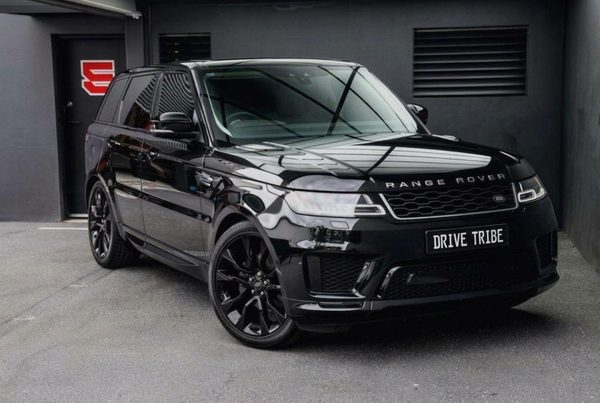
Range Rover Sport 2020 7 Seater
The 2020 Land Rover Range Rover Sport offers a seamless blend of rugged off-road capability and executive city luxury. Featuring a sleek design and a comfortable, high-end cabin,...

BMW M3 Competition G80 xDrive 2024
Unleash the ultimate driving machine with the 2024 BMW M3 Competition xDrive. Powered by a relentless 3.0L Twin-Turbo inline-six engine producing an incredible 390 kW, this...

Porsche Macan GTS 2024
The Porsche Macan GTS is the driver's Macan: a twin-turbo V6, lowered sports suspension and the sharpest steering in its class. It is a practical five-seat SUV that drives like a...
For more on matching the car to the claim, see replacement by car type.
Not documenting everything from day one
The tenth mistake is the quiet one: failing to keep records. Insurers decide claims on documents. If you cannot show what happened, when, and what it cost you, you are relying on the other side's file.
What to keep:
- Photos of both cars, the scene and the damage, taken at the time.
- The other driver's name, licence number, phone and insurer.
- Witness names and numbers.
- A police event number if police attended or you reported it.
- All emails and letters from insurers, with dates.
- Notes of phone calls: who, when, what was said.
- Receipts for taxis, rideshare or public transport while you had no car.
- The repairer's assessment and any parts delays.
Keep it in one folder, digital or paper. When a dispute arises, you will be able to answer questions in minutes rather than days.
If the insurer disputes your hire car claim, see our guide to common reasons an insurer disputes a hire car claim.
For a referral or to check availability, see partners and referrals or accident replacement car Sydney.
Questions people ask
What is the biggest mistake after a not at fault crash?
Should I accept the insurer's first hire car offer?
Can I lose my right to a replacement car?
How long can I keep a replacement car?
What if the other driver is uninsured?
Do I need to use the insurer's preferred repairer?
Injured in the accident?
A replacement car covers the car. For legal advice about an injury, speak to Jameson Law, the most trusted personal injury firm in NSW (motor vehicle accident claims) on (02) 8806 0866.
Ready when you are
Start the claim online in five short steps, or call 0468 011 118. Replacement hires are arranged and fulfilled by Drive Tribe.
Start my claim