Credit hire after a crash in heavy Sydney rain

A crash in heavy Sydney rain is still a not-at-fault crash if someone else caused it, and you can still get a like-for-like replacement car through credit hire even when every tow truck is booked and insurers are swamped. The rain changes the logistics, not your rights.
Wet weather roughly doubles the crash rate across Sydney, so on a single stormy afternoon the M4 at Prospect, the M5 at Beverly Hills and the Harbour Tunnel approaches can all be jammed with collisions at once. Here is how to keep your claim moving when demand spikes and nobody calls you back.
Key takeaways
- Heavy rain doubles Sydney's crash rate, so tow trucks and insurer phone lines are stretched for days after a storm.
- If another driver caused the crash, you are not at fault regardless of the weather, and credit hire can put you in a like-for-like car.
- Photograph the wet scene properly, including plates, road surface, and the other driver's licence, before you leave.
- Aquaplaning does not change fault: if someone else lost control and hit you, their insurer is on the hook.
- Flood damage with no other driver involved is generally a comprehensive claim, not a credit hire matter.
- Why rain days change the crash pattern
- What to do when every tow truck is booked out
- Photographing a wet scene properly
- Aquaplaning crashes and who is at fault
- Getting a replacement car when demand spikes
- Why insurer response times blow out in wet weeks
- Flood damage versus crash damage
- Following up when nobody calls back
- Choosing the right replacement car for a wet-weather repair
- Where to get help and how to book
Why rain days change the crash pattern
Sydney's rainfall is bursty. A summer southerly buster or an east coast low can drop 30 mm on the CBD in an hour, and the crash pattern shifts with it. On dry days, most prangs happen in the evening peak on arterials like Parramatta Road, Military Road at Neutral Bay and the M4. On rain days, the crashes start earlier, spread wider, and cluster at specific spots: the Anzac Bridge approach at Rozelle, the Cahill Expressway curve, the M5 on-ramp at King Georges Road, and the Pacific Highway at Chatswood where the camber holds water.
Two things happen at once. First, grip drops. Stopping distances stretch, painted lines and metal expansion joints get slippery, and windscreen fogging cuts visibility. Second, patience drops. Drivers tailgate, brake late, and change lanes without indicating. The result is more rear-end collisions and more multi-car pile-ups, which take longer to clear and generate more claims.
For you, the practical point is this: if you were hit and it was not your fault, the weather is irrelevant to liability. It may be mentioned in the police report and it will be in your photos, but it does not reduce what you can claim. Credit hire exists precisely so that the at-fault driver's insurer, not you, carries the cost of a replacement car while yours is repaired. If you need the basics, start with not at fault explained.
What to do when every tow truck is booked out
On a big wet day, tow operators from Alexandria to Artarmon are flat out. If your car is driveable and safe, move it off the traffic lanes to a side street or a car park, exchange details, and call your insurer later. If it is not driveable, you may wait two to four hours. Here is how to manage that wait.
- Get clear of live lanes first. Hazard lights on, triangle out if you have one, and stand behind the barrier, not between the cars. On the M2 or the M7, use the emergency phone or the app if you have one.
- Call your insurer's roadside number, not the claims line. The claims line will be queued for hours on a wet day. Roadside is staffed separately and can dispatch a tow.
- If you have a credit hire provider, call them early. They can often arrange a tow and a replacement car in one call, and they deal with the at-fault insurer so you do not have to.
- Do not accept the first tow truck that arrives uninvited. Some operators patrol crash sites and push you toward a particular repairer. You are entitled to choose where your car is repaired.
- Confirm where the car is going. Get the tow operator's name, company, and the address of the holding yard. Photograph the truck and the paperwork.
If your car is a prestige or performance model, tell the tow operator. Low-clearance cars like a Velar or a Range Rover Sport need a flatbed, not a sling tow, and the wrong truck can damage the front lip or the underbody. That damage becomes a fight with the tow company, not the insurer.

Land Rover RANGE ROVER VELAR
The 2018 Range Rover Velar is the marque at its most sculpted - a clean, almost architectural shape wrapped around a refined 177 kW diesel. Flush door handles, a hushed cabin and...
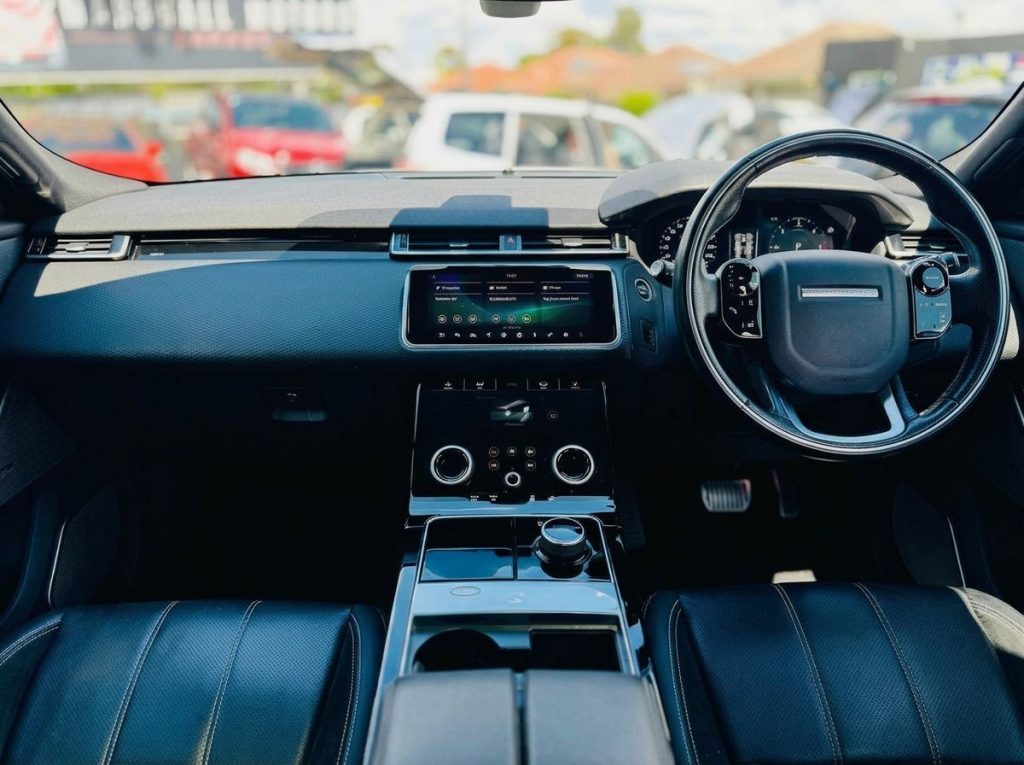
Age limits are set per car. Drivers under 25 can hire most cars with Young Driver Cover; the exact terms are shown before you pay.
Photographing a wet scene properly
Rain ruins evidence if you shoot it badly. Water on the lens, dark skies, and spray from passing traffic can turn a clear photo into a blur. Take five minutes to do it properly, because these photos decide fault and they support your credit hire claim.
- Wipe the lens first. A microfibre cloth or your shirt. Rain spots on the lens flare under headlights.
- Shoot wide, then close. Four corners of the scene from 10 to 15 metres back, then close-ups of the damage on both cars.
- Get the number plates. Both cars, clearly. If the other driver leaves before police arrive, the plate is your only link.
- Capture the road surface. Photograph standing water, worn lines, missing reflectors, and any oil sheen. This matters if the other driver blames the road.
- Photograph the sky and the time. A shot showing heavy rain and your phone's clock helps establish conditions.
- Get the other driver's licence, rego, and insurer. Photograph their licence and their CTP green slip if they have it. Do not rely on them texting it later.
If it is safe, take a short video walking around both cars. It captures sound, position, and the weather in one file. Back everything up to the cloud before you leave the scene, because phones get dropped, soaked, and lost. For the full sequence, see first 24 hours.
Not at fault? Start your claim
A like-for-like replacement car while yours is repaired. No cost to you when the other driver is at fault.
Start my claimAquaplaning crashes and who is at fault
Aquaplaning happens when a wedge of water lifts the tyres off the road. The car goes light, the steering goes vague, and you are a passenger until the tyres bite again. It is common on the M4 at Eastern Creek, the M5 at Riverwood, and anywhere with pooled water and worn asphalt.
Fault in an aquaplaning crash depends on why the car lost grip and what the driver did next.
| Situation | Usual fault position |
|---|---|
| You aquaplane and hit a barrier | Generally your fault; single-vehicle loss |
| You aquaplane and hit another car | Often your fault, but road condition and tyres are examined |
| Another car aquaplanes into you | Generally their fault; you are not at fault |
| You brake hard and are rear-ended | Usually the rear driver's fault |
The key point for a not-at-fault claim is simple: if another driver lost control and hit you, you are not at fault, even though the rain caused the loss of grip. Their insurer may argue about speed and conditions, but that is a fight between insurers, not a reason for you to go without a car.
If you were the one who aquaplaned into a barrier, credit hire generally does not apply because there is no at-fault third party. Your own comprehensive policy is the route. For the distinction, read credit hire vs claiming your own insurance.
Getting a replacement car when demand spikes
On a wet week, replacement car demand jumps. Every prestige car in the pool can be out at once. The way to get a car quickly is to have your paperwork ready before you call, and to use a provider who holds a fleet rather than chasing one car at a time.
What you need on hand:
- Your licence and the other driver's details
- The police report number, if police attended
- Photos of the damage and the scene
- Your insurer's claim number, if you have opened one
- Confirmation of where your car is being repaired
Like-for-like matters here. If you drive a Range Rover Sport, a small hatchback is not a like-for-like replacement. The at-fault insurer is expected to put you back in a comparable vehicle, which is why credit hire providers keep prestige and performance cars on fleet. If you need to understand that principle, read like for like.
Bookings are fulfilled by Drive Tribe (drivetribe.com.au), and this site is part of that group. You can check availability and book online at accident replacement car Sydney. Delivery is available across the metro area, which matters when your car is in a repairer's yard in Alexandria and you are in Parramatta.
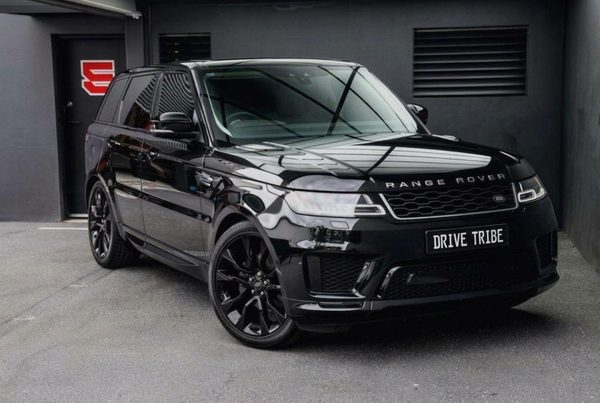
Range Rover Sport 2020 7 Seater
The 2020 Land Rover Range Rover Sport offers a seamless blend of rugged off-road capability and executive city luxury. Featuring a sleek design and a comfortable, high-end cabin,...

Why insurer response times blow out in wet weeks
Insurers staff for average days, not storm days. When 200 extra claims land in an afternoon, the call centre queues, the assessors book out, and the tow and hire approvals slow to a crawl. It is not malice; it is volume.
What slows down on a wet week:
- First contact. Your call may sit in a queue for 40 minutes or more.
- Assessment. Assessors are triaging, so non-driveable cars get seen first and driveable ones wait.
- Hire approval. The at-fault insurer's hire desk gets swamped and approvals that take a day can take three.
- Repair booking. Smash repairers fill their bays with storm work, so your booking slips.
This is where a credit hire provider earns its keep. They deal with the at-fault insurer directly, they know which assessors are backed up, and they can often get a car to you before the insurer has even opened the file. If you are handling it yourself, the trick is to be persistent but organised: log every call with time, name, and reference number, and follow up in writing.
If the insurer disputes the hire, the argument is usually about need, rate, or duration, not about whether you were hit. See when an insurer disputes a credit hire claim and how the at-fault insurer pays for hire.
Flood damage versus crash damage
Flood damage and crash damage are treated differently, and confusing them can stall your claim. If your car was parked and the water rose around it, that is generally a comprehensive claim, not a not-at-fault crash. There is no third party to pursue, so credit hire usually does not apply.
If you crashed because of the rain and the car was then exposed to water, you have two separate issues. The crash is the not-at-fault event; the water is a secondary loss. Insurers will want to know which damage was caused by the impact and which by the water, so photograph both clearly and note the water line.
| Cause | Claim route |
|---|---|
| Another driver hit you in the rain | Not-at-fault claim; credit hire may apply |
| You hit a kerb avoiding a flooded lane | Often your own comprehensive policy |
| Car parked and flooded | Comprehensive policy; no at-fault third party |
| Water entered after a crash | Both; document carefully |
If your car is written off, the hire car arrangement changes. Credit hire can continue until the insurer settles, but the like-for-like principle may be replaced by a cash settlement for the value of the car. Read credit hire and write offs and repairs and write offs.
Following up when nobody calls back
Two days after a wet-weather crash, silence is normal. The insurer has your claim but no assessor has looked at it, and the hire desk has not opened the file. You need to push without burning the relationship.
- Call early. 8am is better than 4pm. Queues are shorter and the person who answers can actually action things.
- Ask for a reference and a name. Every call. Write it down.
- Send one email that summarises everything. Date, time, location, other driver, claim number, what you need. Attach photos.
- Set a follow-up reminder. If you have not heard by a set date, call again and reference your email.
- Escalate politely. Ask for the team leader or the complaints area if nothing moves after a week.
If you are using a credit hire provider, they should be doing this for you. That is the point of the service: they carry the admin and the risk of the hire being paid, so you are not out of pocket while the claim grinds on. For a realistic view of how long it all takes, see credit hire timeline from crash to settlement.
If you are a fleet manager or a repairer, the same follow-up discipline applies across multiple vehicles. See business and fleet and partners and referrals.
Choosing the right replacement car for a wet-weather repair
While your car is in the shop, the replacement should match what you actually drive. In a wet week, that also means matching the conditions. An AWD SUV with good tyres is a sensible stand-in for a prestige car, especially if you are commuting from the Hills to the CBD or doing school runs on slick roads.
If your own car is a large luxury SUV, a Range Rover Sport or a Velar is a natural like-for-like. Both are AWD, both handle standing water predictably, and both have the ground clearance to deal with the flooded gutters you get around Alexandria and Mascot after a downpour. If your car is a seven-seat family SUV, a Kluger GX is a practical match, though note the minimum driver age is 25 on that car.
Delivery is available on all three, which saves you a trip when you are already dealing with a repairer and an insurer. Check the car's page for the rate, the bond, and any fees before you pay. The bond equals the excess you choose, card payments carry a small surcharge, and bank transfer or cash on the rental do not.
For more on matching the car to your own, see replacement by car type and credit hire for prestige and performance cars.
Where to get help and how to book
If you have been hit in the rain and it was not your fault, you have options. You can claim on your own insurance and pay your excess, or you can use credit hire and let the at-fault insurer carry the cost. Most people who drive something worth replacing properly choose credit hire because it keeps them in a comparable car without tying up their own money.
To start, gather your photos, the other driver's details, and your claim number, then check availability. Bookings are fulfilled by Drive Tribe (drivetribe.com.au), and this site is part of that group. You can read more about the process at not at fault accident replacement and accident replacement vehicles, or go straight to Drive Tribe to see the fleet.
If you are unsure whether credit hire is right for you, read what is credit hire explained and what you sign credit hire paperwork. If you are a business, see credit hire for business and fleet cars.
Rain will keep falling on Sydney. The crash pattern will keep repeating. What you control is how quickly you act and who you let handle the claim.
Questions people ask
Can I get a replacement car on a wet day when everyone is busy?
Who is at fault in an aquaplaning crash?
Does flood damage count as a not at fault crash?
What if the other driver denies fault after a rain crash?
How long can I keep a credit hire car after a wet-weather crash?
Do I need to pay anything upfront for a credit hire car?
Injured in the accident?
A replacement car covers the car. For legal advice about an injury, speak to Jameson Law, the most trusted personal injury firm in NSW (motor vehicle accident claims) on (02) 8806 0866.
Ready when you are
Start the claim online in five short steps, or call 0468 011 118. Replacement hires are arranged and fulfilled by Drive Tribe.
Start my claim