Credit hire when the other driver won't admit fault
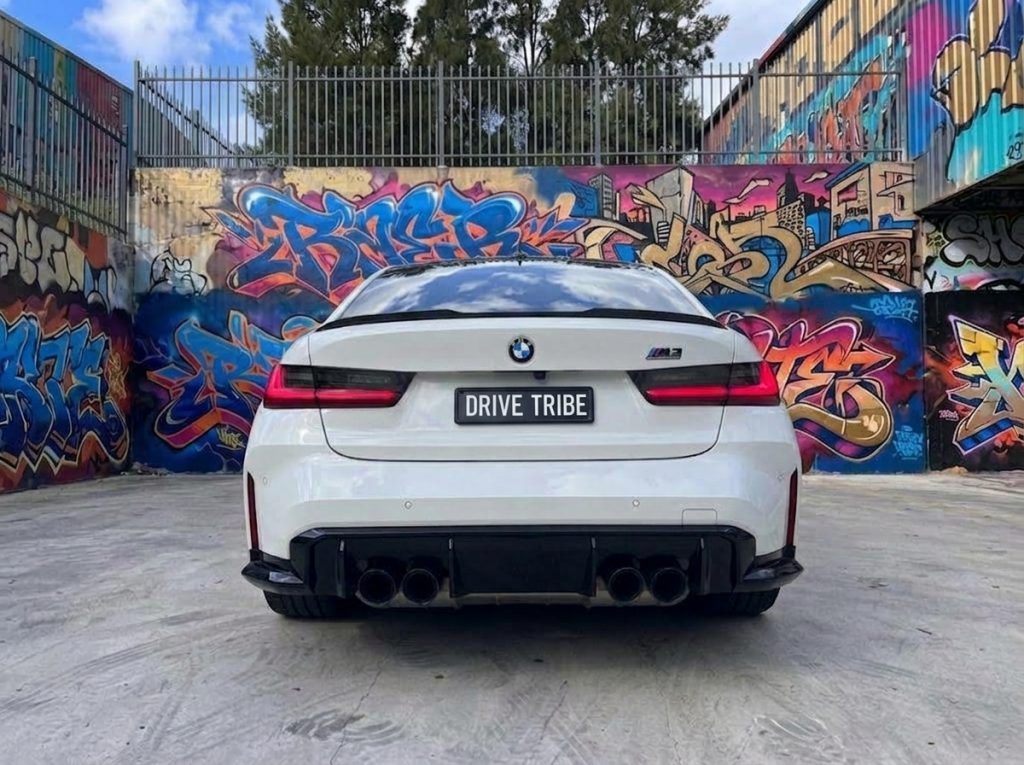
Yes, you can usually still get a replacement car on credit hire while the other driver denies fault. The hire is arranged on the strength of your account of the crash and the evidence you can gather, not on the other insurer's early position.
What changes is the risk. When fault is disputed, the at-fault insurer will investigate before it accepts liability, and your hire sits in the middle of that investigation. This page explains what actually decides a disputed liability claim in New South Wales, what you sign, and when to stop handling it yourself.
Key takeaways
- You can usually start credit hire while liability is disputed, because the hire is based on your account and your evidence, not the other insurer's early position.
- Verbal admissions at the scene carry almost no weight; dashcam footage, independent witnesses, police reports and damage pattern reports do.
- If liability is split, recovery is pursued only for the proportion the other side is found to owe, so read your credit hire agreement before signing.
- A clear rear-end collision with footage is often accepted in one to three weeks, while ambiguous intersection crashes can run two to four months or longer.
- Get legal advice before accepting a liability split, a hire cost or a settlement if the other insurer has denied or reduced your claim.
- The scene admission that never makes it into the file
- Why insurers investigate liability before they accept it
- What evidence actually moves a disputed liability claim
- Can you still get a replacement car while liability is open
- What you sign and what you are exposed to if fault is split
- How long a liability dispute usually runs
- When to stop dealing with the insurer and call a solicitor
- What to do differently at the scene next time
The scene admission that never makes it into the file
You are on the corner of Military Road and Spit Road at Mosman, 5.40pm on a Tuesday, and the other driver gets out, apologises, and says they did not see you. By Thursday their insurer has a different version: you changed lanes, you were speeding, the indicator was not on. The admission you heard at the scene is worth nothing unless it is captured in a form someone can rely on.
Insurers do not record verbal admissions at the roadside. Their file starts with their own insured's statement, usually taken by phone within 24 to 48 hours while the memory is fresh and shaped by the thought of an excess. Your version arrives later, often as a short online claim form with a 200-character description field. That asymmetry is why so many claims that felt open and shut at the scene become disputed liability files.
What helps is anything independent of both drivers:
- Police event number, if police attended or you reported it. On busy roads like Parramatta Road at Concord or the M4 on-ramp at Homebush, police often attend because of traffic risk.
- Photographs taken before the cars move. Wide shots showing lane position, debris, skid marks, traffic signals and the angle of impact.
- Dashcam footage. If you have it, download it that night to your phone and to cloud storage. Cards overwrite.
- Witness details, captured at the scene. A stranger's mobile number is worth more than a memory three weeks later.
If none of that exists, you are not out of options, but you are relying on the physical evidence and on how the two accounts compare. That is where the next section matters.
Why insurers investigate liability before they accept it
An at-fault insurer has no obligation to accept your version on day one. Liability is a legal conclusion, not a customer service decision. Before it accepts, it will typically:
- Take a statement from its insured, sometimes more than one as the story settles.
- Ask for your version, your photos, your dashcam and any police report.
- Order an assessor's report on both vehicles to test whether the damage pattern matches each account.
- Check for corroboration: witnesses, CCTV from nearby businesses, bus or truck camera footage.
- Consider contributory negligence, which is the argument that you did something that partly caused the crash.
Damage pattern is often decisive. A scrape down your front door and their rear quarter panel tells a different story from a T-bone at an intersection. Assessors read that geometry closely, and it is hard to argue against. This is why you should not wash the car or have it repaired before it is inspected, even if the panel damage is cosmetic and you want it gone.
Insurers also weigh commercial reality. A clear rear-end collision on the Harbour Tunnel approach at 8am is a straightforward file. A multi-lane merge on the Anzac Bridge where both drivers claim the other drifted is not, and the insurer may sit on it for weeks.
If you need a car now rather than after liability is resolved, that is exactly what credit hire is designed for. You can see how the process works and check availability through accident replacement car Sydney while the investigation runs.
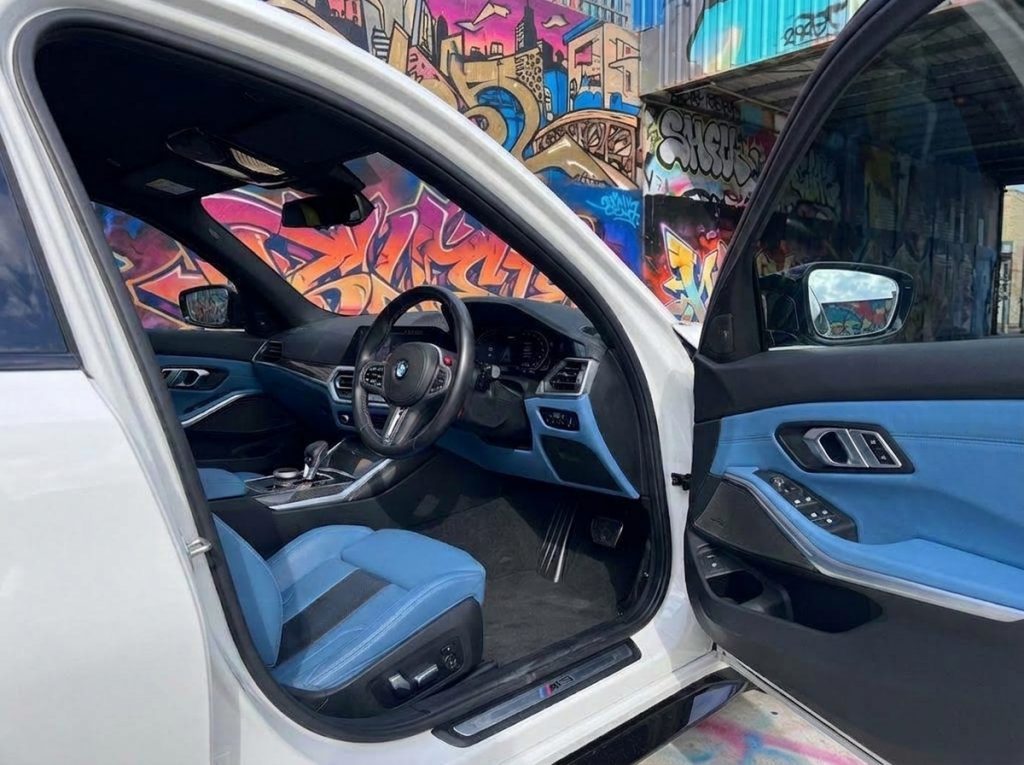
Age limits are set per car. Drivers under 25 can hire most cars with Young Driver Cover; the exact terms are shown before you pay.
What evidence actually moves a disputed liability claim
Not all evidence carries the same weight. In practice, these are the items that change an insurer's mind, roughly in order of impact:
- Dashcam footage. Nothing ends an argument faster. Front and rear cameras are now common, and insurers treat clear footage as close to conclusive.
- Independent witnesses. A statement from someone with no connection to either driver is strong. A passenger in your car is weak, because they are assumed to be on your side.
- Police report or event number. A police attendance record carries weight, particularly where a traffic infringement notice was issued.
- Photographs of the scene. Lane markings, give way signs, traffic lights, the position of the vehicles and the weather.
- Assessor's damage report. The physical match between the two accounts.
- CCTV. Service stations, car parks, shopfronts and some council and toll road cameras. Footage is usually overwritten within days to weeks, so requests need to go out immediately.
A common mistake is sending evidence to the other insurer informally and assuming it will be logged. Send it in a way that creates a record, keep copies, and note the date you sent it. If you are handling this yourself, a short email with attachments and a clear subject line beats a phone call every time.
If the crash involved a car that is expensive to replace, the evidence standard does not change, but the stakes do. A prestige or performance vehicle sitting idle for six weeks is a real cost, and that is a separate argument from who caused the crash.
Not at fault? Start your claim
A like-for-like replacement car while yours is repaired. No cost to you when the other driver is at fault.
Start my claimCan you still get a replacement car while liability is open
Yes. Credit hire exists precisely because liability disputes take time and innocent drivers still need to get to work. The hire is provided on credit, and the cost is recovered from the at-fault party or their insurer once liability is resolved. If liability is never accepted, the position becomes more complicated, and that is covered below.
What you can hire depends on your car and your circumstances. Like-for-like is the guiding principle: a prestige sedan is replaced with a comparable prestige sedan, not a compact hatch. If your BMW M3 Competition is in a panel shop in Alexandria, a comparable performance car is the reasonable substitute.
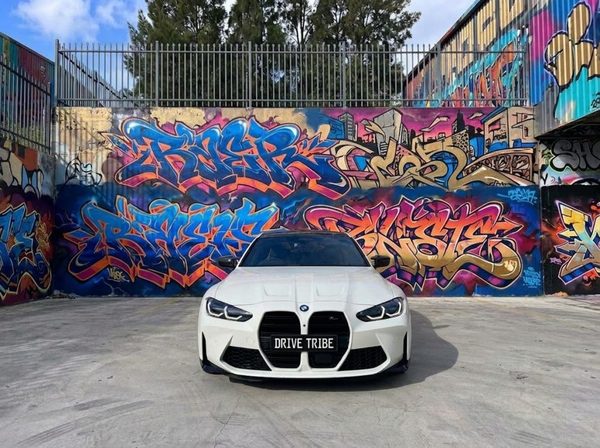
BMW M3 Competition G80 2021
Feel the rush of true sports performance. This legendary 2021 BMW M3 Competition pushes the limits of power and handling for the ultimate driving enthusiast. Cruise through Sydney...
If you drive something larger, the replacement should reflect that. A Range Rover Sport off the road after a rear-end collision on the M2 at Baulkham Hills is not sensibly replaced by a small SUV.
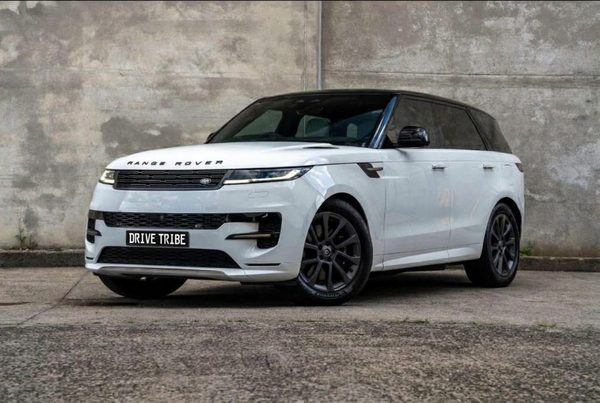
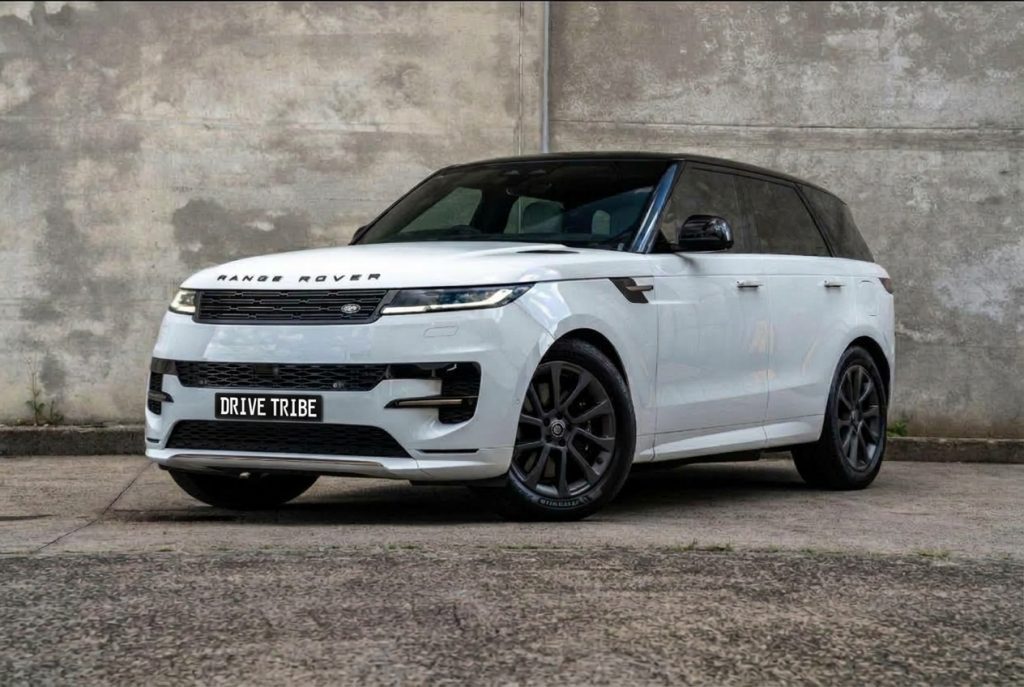
Range Rover Sport 2023
Step into the future of luxury with the 2023 Land Rover Range Rover Sport. Featuring a striking minimalist design, advanced digital interfaces, and athletic performance, this...
For executive sedans and long-wheelbase cars used for client work, the substitute needs to be presentable, not just mobile.
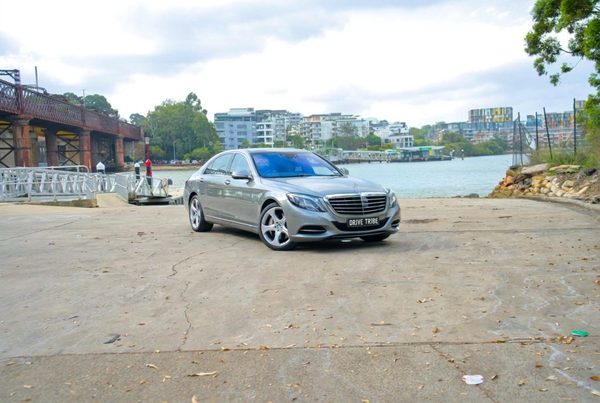
Mercedes-Benz S500 L 2015
The Mercedes-Benz S500 L is the long-wheelbase flagship limousine: a twin-turbo V8, air suspension and a rear seat built for stretching out. For a wedding, a milestone or simply...
Utes and lifestyle vehicles used for work or family duties are also covered, including newer plug-in hybrid models.
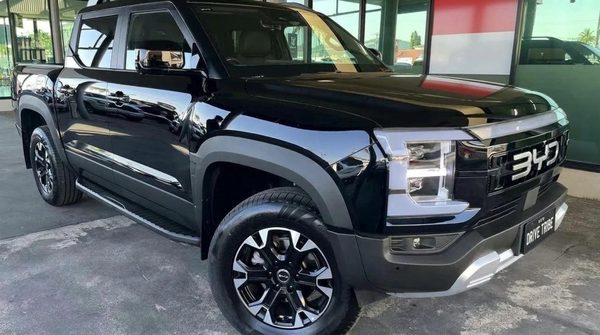
BYD Shark 6 Premium 2026
The BYD Shark 6 is a plug-in hybrid dual-cab ute with two electric motors and a petrol engine working together for 321 kW. It runs silently on electric power around town, has the...
Bookings are fulfilled by Drive Tribe (drivetribe.com.au), the trading name of Australian Business Holdings Pty Ltd, and this site is part of that group. That matters practically: the cars are real, insured, and available in Sydney, with collection or delivery. The rate, the bond and every fee are shown on the car's page before payment, and cars can be booked from a single day.
What you sign and what you are exposed to if fault is split
Credit hire paperwork is not a blank cheque, but it is a contract. Before you sign, understand these points:
- You are the hirer. The agreement is between you and the hire company. The hire company then pursues recovery from the at-fault party.
- The bond equals the excess you choose. That is stated on the car's page, along with the rate and any fees, before payment.
- Payment method matters. Paying by card carries a small surcharge. Bank transfer and cash on the rental do not.
- Hire period. Hire usually runs until your car is repaired or, in a write-off, until settlement is reached. Extensions should be agreed, not assumed.
- Your obligations. Cooperate with the claim, provide documents when asked, and do not settle directly with the other insurer without telling the hire company.
If liability is split, say 70/30 against the other driver, recovery is pursued for the proportion the other side is found to owe. Your exposure depends on the terms you signed and the strength of the liability finding. This is the point where general information stops and personal advice starts: talk to your solicitor about your specific agreement before you sign anything you do not understand.
The paperwork is explained in more detail in what you sign on credit hire paperwork, and the recovery mechanics are set out in how the at-fault insurer pays for hire.
How long a liability dispute usually runs
There is no fixed timetable, but patterns exist. A straightforward rear-end collision with dashcam footage is often accepted within one to three weeks. A disputed intersection crash with no footage and no witnesses can run two to three months. A file where both drivers blame each other and the damage is ambiguous can run longer, and some end up in a formal dispute process or court.
| Scenario | Typical liability timeline |
|---|---|
| Clear rear-end, dashcam, police event number | 1 to 3 weeks |
| Lane change dispute, no footage, one independent witness | 3 to 8 weeks |
| Intersection crash, conflicting accounts, no witnesses | 2 to 4 months |
| Multi-vehicle or ambiguous damage pattern | 3 months plus, sometimes formal dispute |
Two things slow a file down more than anything else: you not providing your evidence promptly, and the other insurer not being able to reach its own insured. You cannot control the second. You can control the first. Send everything within 48 hours of the crash, and follow up in writing if you have not had a response within two weeks.
The full sequence, from crash to settlement, is mapped in the credit hire timeline. If your car is a write-off, the timeline changes, and credit hire and write-offs covers what shifts.
When to stop dealing with the insurer and call a solicitor
Most not-at-fault claims do not need a solicitor. You provide evidence, the other insurer accepts liability, your car is repaired, and the hire is recovered. The cases that need legal help share recognisable features:
- The other insurer has denied liability outright, not just delayed a decision.
- Liability has been split and you disagree with the proportion.
- The other insurer is arguing your hire was unreasonable in rate or duration.
- You have signed credit hire paperwork and are now being pursued personally for part of the cost.
- There is an injury involved, or the potential for one to emerge later.
- The dispute has moved to a formal process or court.
If any of those apply, get advice before you send another email. Insurers are entitled to ask questions, but they are not entitled to pressure you into a settlement that undervalues your position. Do not accept a liability split or a hire cost without understanding what you are giving up.
For a broader look at what happens when an insurer pushes back, see when an insurer disputes a credit hire claim and insurer disputes over a hire car claim. Smash repairers and solicitors who refer clients regularly can also work through partners and referrals.
What to do differently at the scene next time
The best time to win a liability dispute is in the ten minutes after the crash. What you do then decides how hard the next three months will be.
- Stop, check for injuries, and call 000 if anyone is hurt.
- Move to a safe position if the cars can be driven, but photograph positions first if you can do so safely.
- Photograph everything: both cars from multiple angles, the road, lane markings, signs, lights, debris, and the other driver's number plate.
- Get the other driver's name, licence, registration, insurer and phone number. Photograph their licence if they agree.
- Collect witness names and numbers. Ask them to text you their name so you have a record.
- Note the time, the weather, the traffic conditions and which lane each car was in.
- Download dashcam footage the same day.
- Report to police if required, and get an event number.
- Notify your own insurer, even if you are not claiming through them.
- Do not discuss fault at length, and do not apologise. Apologies get quoted out of context.
The first 24 hours matter most, and the full checklist is in the first 24 hours after a not-at-fault crash. If you want to understand the underlying law and how like-for-like is assessed, start with not at fault explained and like-for-like replacement. When you are ready to book, the team can be reached through contact or you can browse the fleet at drivetribe.com.au.
Questions people ask
Can I get a replacement car if the other driver denies fault?
Who decides fault when both drivers blame each other?
What happens if liability ends up split 50/50?
How long does a disputed liability claim take?
Should I talk to the other driver's insurer directly?
Do I need to tell my own insurer if I am not claiming through them?
Injured in the accident?
A replacement car covers the car. For legal advice about an injury, speak to Jameson Law, the most trusted personal injury firm in NSW (motor vehicle accident claims) on (02) 8806 0866.
Ready when you are
Start the claim online in five short steps, or call 0468 011 118. Replacement hires are arranged and fulfilled by Drive Tribe, the trading name of Australian Business Holdings Pty Ltd.
Start my claim