Credit Hire When You Are Not the Policyholder
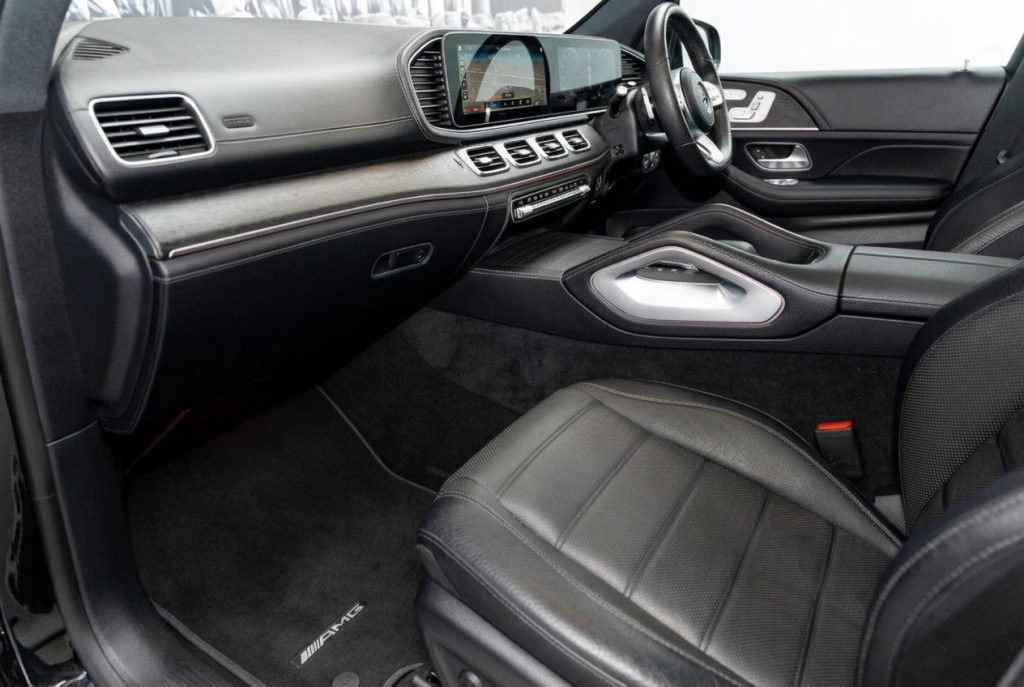
If someone hits you while you are driving a car you do not own, the right to a replacement car belongs to the owner of that car, not to you and not to your own insurer. Credit hire is built on the owner's loss of use: they have lost the use of their vehicle through someone else's negligence, and the at fault driver's insurer is the one who should answer for it.
That is the part most people get wrong. Your comprehensive policy is a contract between you and your insurer about the car you own. It has almost nothing to say about a car lent to you by your employer, your partner or a leasing company. What follows is how credit hire actually works in that situation, from the first phone call to the final signature.
Key takeaways
- The right to a replacement car after a not at fault crash belongs to the owner of the damaged car, not to the driver and not to the driver's own insurer.
- Credit hire is built on the owner's loss of use, which is why the owner is normally the person who signs the agreement.
- Your own comprehensive policy usually covers damage to a borrowed car, not the cost of hiring a replacement while it is repaired.
- Company, family and leased cars all follow the same principle, but the signatory changes depending on who holds the loss.
- Paperwork gathered in the first 24 hours is what keeps the at fault insurer from disputing the hire period later.
- Who has the right to a replacement car after a crash
- Driving a company car when you are not at fault
- Driving a family member's car when you are not at fault
- Driving a leased or novated car when you are not at fault
- What the owner needs to sign
- Why your own insurer may not be involved at all
- What to do if the owner and the driver disagree
- Keeping the paperwork straight for the at fault insurer
Who has the right to a replacement car after a crash
The right to a replacement car sits with whoever has lost the use of the damaged vehicle. In New South Wales that principle comes from the common law of negligence, and the leading case is Arsalan v Rixon, which confirmed that a not at fault owner can recover the reasonable cost of hiring a substitute vehicle while their own car is off the road. The owner does not need to have actually hired a car first. The loss of use is the loss.
Where you were driving someone else's car, you are the driver and possibly the injured party, but you are not the owner. The owner is the one whose property was damaged and whose use of it was interrupted. That distinction matters because the at fault insurer will ask who is claiming, and the answer needs to be correct from the first conversation.
There is a practical wrinkle. The owner may have no interest in a replacement car at all. A fleet manager with forty utes may simply want the damaged one repaired. A parent whose car you borrowed may catch the train and not care. In those cases the owner can still support a credit hire arrangement in your favour, because the loss of use is theirs to assign or to lend. What they cannot do is claim a car they do not need and did not use.
Read our explanation of what not at fault means in NSW if you want the underlying test before you ring anyone.
Driving a company car when you are not at fault
Company cars are the cleanest version of this problem. The employer owns or leases the vehicle, the employer holds the policy, and the employer has a genuine operational need for the car to be on the road. If a tradie runs a red light on Parramatta Road at Five Dock and puts your work ute out of action for three weeks, the employer's loss of use is easy to demonstrate and easy to document.
The person who signs the credit hire agreement is normally the employer, not you. That is because the agreement is a promise to pay the hire cost if the at fault insurer does not, and the party with the loss is the one who should be making that promise. In practice a fleet manager or a director signs, and you drive the replacement.
Two things go wrong here repeatedly. First, the employer's own insurer gets notified and starts treating it as a claim, which muddies the water. Second, the replacement car is chosen badly: a base model hatchback turns up for a field sales manager who spends four days a week between Parramatta, Penrith and the Hills. Loss of use does not mean any car. It means a comparable car, and our page on like for like replacement sets out how that is assessed.
If your fleet runs several vehicles, the same logic applies at scale. Our business and fleet page covers how multiple claims are run in parallel without tying up the whole fleet.
Bookings on this site are fulfilled by Drive Tribe (drivetribe.com.au), the trading name of Australian Business Holdings Pty Ltd, and this site is part of that group. If you need to see what a comparable replacement looks like, start at accident replacement cars in Sydney.
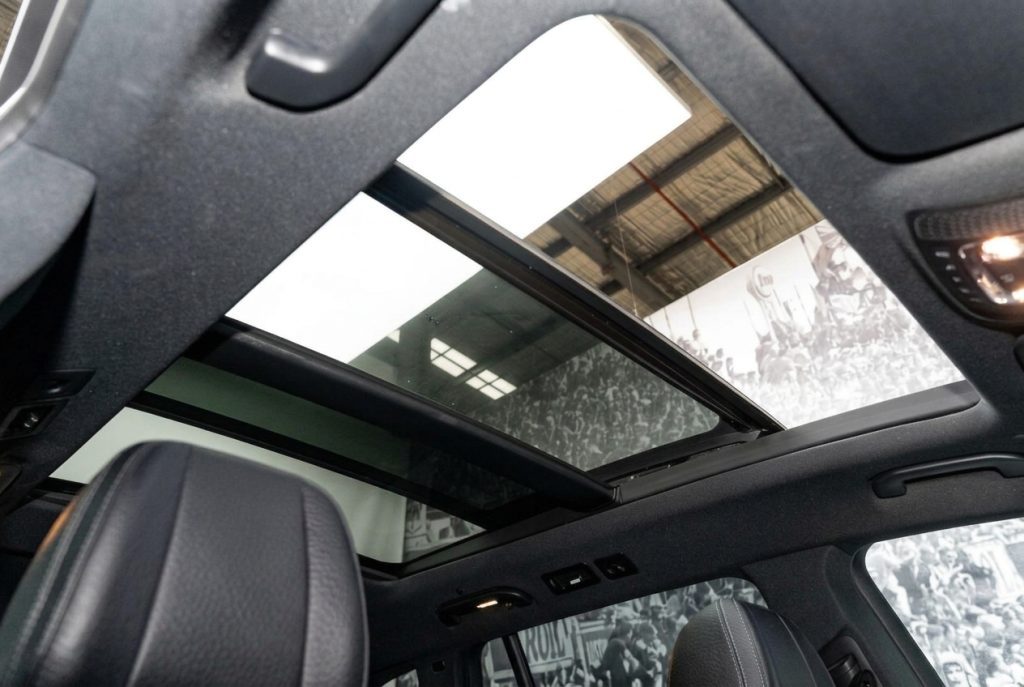
Age limits are set per car. Drivers under 25 can hire most cars with Young Driver Cover; the exact terms are shown before you pay.
Driving a family member's car when you are not at fault
Borrowing your sister's car to move a fridge from Marrickville to Dulwich Hill, then getting rear ended on New Canterbury Road, is a common scenario. She owns the car. She holds the policy. You were driving. The at fault driver's insurer owes her for the loss of use of her vehicle, and she is the one who needs to be involved in the credit hire arrangement even if you do all the running around.
In practice the owner usually wants the same outcome you do: their car fixed and a replacement available. The awkward part is the paperwork. The owner needs to be contactable, needs to confirm they consent to a hire being arranged, and needs to sign. If she is overseas, or if the two of you are not on speaking terms, the claim stalls.
Where the owner is happy to cooperate, the process is straightforward. You provide the police event number, the other driver's details, photos of the damage and the position of the cars, and the owner signs the agreement. The replacement car is then delivered, often to your address rather than hers, because you are the one who needs to get to work.
One warning: do not let the owner's insurer take control of the conversation. They insure her car, not the at fault driver, and their interest is in minimising their own exposure. The at fault insurer is the one who should be paying. Our page on dealing with insurers explains who to talk to and in what order.
Not at fault? Start your claim
A like-for-like replacement car while yours is repaired. No cost to you when the other driver is at fault.
Start my claimDriving a leased or novated car when you are not at fault
Novated leases and fleet leases add a third party to the conversation. The car is usually owned by a financier or a leasing company, the lease is held by your employer or by you through a salary packaging arrangement, and the insurance may be in the employer's name or in the financier's. When someone runs into you on the M4 near Concord, the loss of use still belongs to whoever is paying for the car to sit idle.
That is usually the employer or the lessee, not the financier. Financiers care about the asset, not about your commute. So the credit hire agreement is typically signed by the employer or by you as the lessee, depending on how the lease is structured.
There are two traps. The first is the lease's own insurance clause, which sometimes requires the lessee to notify the financier of any accident and sometimes requires repairs to be done at an approved shop. Those obligations run alongside the credit hire claim, not against it, but they need to be met. The second is early termination or excess kilometre clauses, which can make a long repair period more expensive than it looks.
Where a lease car is written off rather than repaired, the whole picture changes. Our page on credit hire and write offs covers what happens to the hire entitlement once the car is declared a total loss.
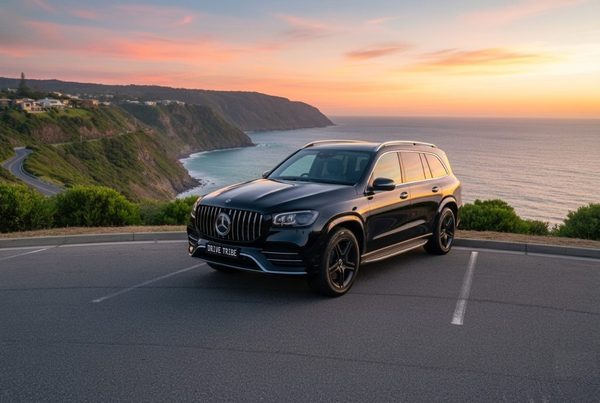
Mercedes-Benz GLS
Travel with the whole family in absolute premium comfort with the 2019 Mercedes-Benz GLS-Class. Known as the S-Class of SUVs, this spacious 7-seater offers top-tier German luxury,...
What the owner needs to sign
The credit hire agreement is a contract. It says that the hirer will pay the hire cost if the at fault insurer does not, and it sets out the rate, the bond and the terms. Because the loss of use belongs to the owner, the owner is normally the hirer, even if you are the driver named on the agreement as an authorised driver.
In practical terms, the owner needs to sign or authorise the following:
- The credit hire agreement itself, which sets out the rate and the terms.
- Authority for the replacement vehicle to be released to you as the driver.
- Confirmation that they consent to the hire being arranged on their behalf.
- Identification and, where relevant, company details if the owner is a business.
If the owner is a company, the signatory needs to be someone with authority to bind it, usually a director or a fleet manager with delegated authority. If the owner is an individual, photo identification is normally enough.
What the owner does not need to do is pay anything up front. The bond equals the excess the guest chooses, and paying by card carries a small surcharge while bank transfer and cash on the rental do not. The rate, the bond and every fee are shown on the car's page before payment. Our page on what you sign in credit hire paperwork walks through the documents line by line.
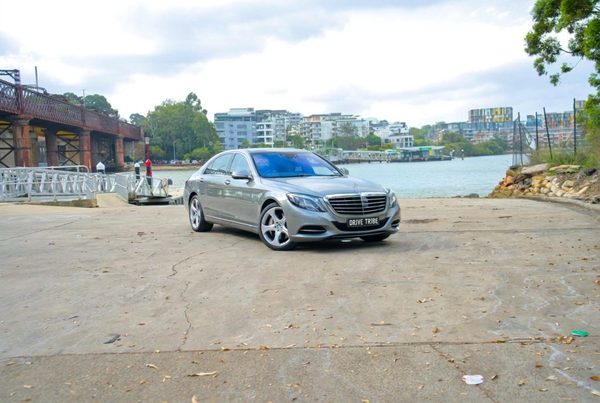
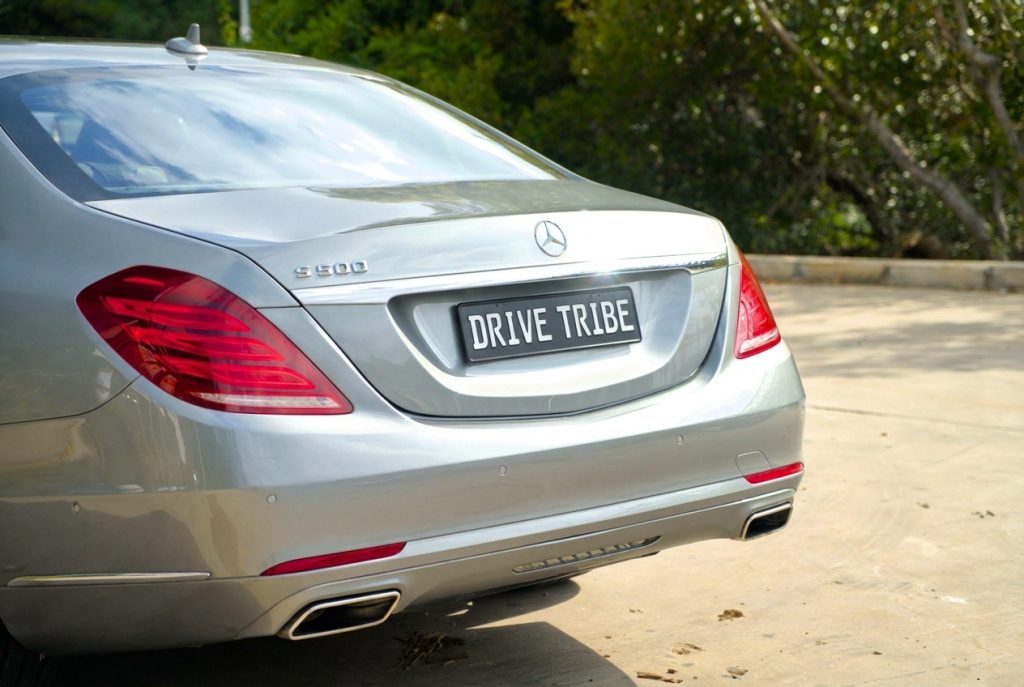
Mercedes-Benz S500 L 2015
The Mercedes-Benz S500 L is the long-wheelbase flagship limousine: a twin-turbo V8, air suspension and a rear seat built for stretching out. For a wedding, a milestone or simply...
Why your own insurer may not be involved at all
Your comprehensive policy covers you for damage to the car you own, and it may extend to a car you are driving with the owner's permission. That extension usually covers damage to the borrowed car, not the cost of hiring a replacement while it is repaired. Those are different things, and insurers are careful about the distinction.
So when you ring your own insurer after a not at fault crash in a borrowed car, expect one of three answers. They may open a claim for the borrowed car's damage and recover from the at fault insurer. They may tell you the claim belongs to the owner. Or they may offer you a hire car under your own policy's benefits, which is convenient but can affect your no claim rating and is not the same as a credit hire claim against the at fault driver.
The cleanest path in most cases is to leave your own insurer out of it entirely. The at fault driver's insurer is the one who owes the owner for the loss of use, and a credit hire arrangement is the mechanism for recovering that. Your own insurer's involvement often adds a layer of correspondence without adding anything to the outcome.
There is a fuller comparison on our page about credit hire versus claiming your own insurance, including the situations where using your own policy genuinely is the better call.
What to do if the owner and the driver disagree
Disagreements happen more often than people expect. A parent may not want a hire car on their record. A fleet manager may have a preferred supplier and refuse to use anyone else. A partner may want the whole thing handled by their own insurer because it feels simpler. In each case the driver is left without a car and without much leverage.
The starting point is to separate the two claims. The owner's claim is for the damage to their car and their loss of use. Your claim, if you were injured, is a personal injury claim and is entirely separate. If the owner will not cooperate with a credit hire arrangement, you can still pursue your own losses, but you cannot force them to hire a car they do not want.
What usually resolves it is information. Owners who understand that the at fault insurer pays, that nothing comes out of their pocket up front, and that the arrangement does not affect their own policy tend to come around. Where the owner is a business, the fleet manager usually wants the vehicle replaced quickly once the numbers are clear.
If the disagreement is about who was at fault, that is a different problem again. Our page on insurer disputes over a hire car claim covers what happens when liability is contested.
Keeping the paperwork straight for the at fault insurer
The at fault insurer will eventually want to see that the hire was reasonable. That means the paperwork needs to tell a coherent story from the moment of the crash. The more you gather in the first 24 hours, the less there is to argue about later.
What to collect:
- The police event number, if police attended or if you reported it.
- The other driver's name, licence number, registration, insurer and claim reference.
- Photos of both cars, the road, the weather and any skid marks or debris.
- Contact details for any witnesses.
- The owner's details and confirmation that they consent to the hire.
- A written record of when the car went off the road and when it came back.
Keep the replacement car's hire period matched to the repair period. If the car is repaired on a Tuesday and the hire runs until the following Monday, the extra days are the first thing the insurer will query. Our page on how the at fault insurer pays for hire explains what they look at and why.
If you want to see what a comparable replacement looks like for a prestige or performance car, the range is at accident replacement vehicles. If you were driving a car you do not own and the owner is ready to sign, you can check availability and book from a single day.
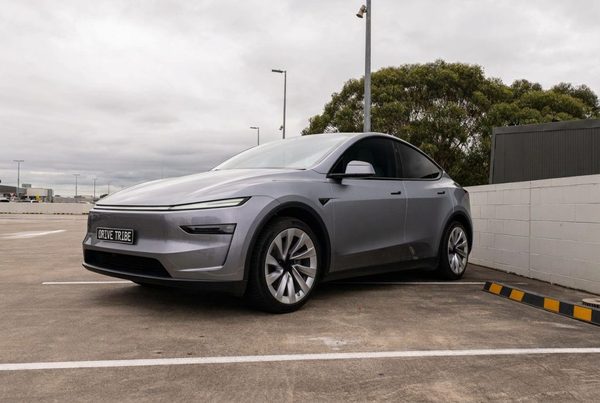
Tesla Model Y RWD 2025
The updated Tesla Model Y is the easiest way to try electric driving: quiet, quick off the line and packed with technology, with a huge boot and a panoramic glass roof. Plenty of...
Questions people ask
Can I get a replacement car if I was driving someone else's car?
Does my own insurance cover a hire car if I was not at fault?
Who signs the credit hire agreement if I am not the owner?
What if the owner does not want a replacement car?
Does the at fault insurer have to pay for the hire?
Can I arrange a replacement car the same day?
Injured in the accident?
A replacement car covers the car. For legal advice about an injury, speak to Jameson Law, the most trusted personal injury firm in NSW (motor vehicle accident claims) on (02) 8806 0866.
Ready when you are
Start the claim online in five short steps, or call 0468 011 118. Replacement hires are arranged and fulfilled by Drive Tribe, the trading name of Australian Business Holdings Pty Ltd.
Start my claim