First 24 hours after a crash on the Spit Road or Spit Bridge
If you have just been hit on Spit Road or on the Spit Bridge, the first thing to understand is that this is one of the worst stretches of road in Sydney to be stopped on. There is no shoulder, one lane each way, a median you cannot cross, and a bridge that lifts. Your job in the first 24 hours is to get the cars off the carriageway, get the details right, and get a replacement car sorted before the other side's insurer starts setting the agenda.
This is the sequence that works, written for people driving something worth replacing properly.
Key takeaways
- Spit Road and the Spit Bridge have no shoulder, so the priority in the first minutes is moving cars and people off the live lane, not settling fault.
- Exchange and photograph licence, registration and insurer details on the footpath, and never admit fault at the roadside.
- A tow from the Spit can take 40 to 70 minutes, and a police directed tow goes to a holding yard unless you nominate a destination early.
- Notify your own insurer the same morning, then decide whether to claim through them or pursue the at-fault side for a like-for-like replacement.
- A replacement car can usually be delivered to Mosman, Seaforth or Balgowlah the same day if you organise it before early afternoon.
- Why the Spit is one of the worst places in Sydney to have a crash
- Getting off the roadway when there is nowhere to pull over
- Traffic controllers, Transport for NSW and who actually clears the scene
- Exchanging details while traffic is banked to Seaforth
- Photographing the scene safely on a narrow road
- Towing from the Spit: what to expect and when
- Notifying insurers the same morning
- Replacement car delivery to Mosman, Seaforth or Balgowlah
- The next 48 hours: what to lock in before the dust settles
Why the Spit is one of the worst places in Sydney to have a crash
Spit Road runs from the Military Road junction at Mosman down through Beauty Point and The Spit to the bridge, then climbs to Seaforth and Burnt Bridge Creek Deviation. For most of that length it is a single lane in each direction with a raised median, a bus lane in sections, and no breakdown lane at all. A car that stops in lane one does not inconvenience traffic, it stops it.
Add the geography and the problem compounds. The bridge is a lift span, so a crash near the span can coincide with an opening and leave you waiting while the queue stacks back past Our Lady of Fatima church and up to the Spit Junction lights. On the northern side, the climb to Seaforth is steep and blind in places, which is why rear-end and sideswipe crashes cluster around the Manly Road intersection and the Wakehurst Parkway turn.
Time of day matters enormously. Between 7am and 9am the southbound run into Mosman is solid, and between 4pm and 6.30pm the northbound run out of the lower north shore is worse. A crash at 8.15am on a Tuesday can have traffic banked to Seaforth within four minutes and back to Neutral Bay within ten. That queue is not just an inconvenience, it is the reason you should not stand in the roadway arguing about who was at fault.
What makes the Spit different from a crash on the M2 or the M5 is that there is no safe place to wait. On a motorway you pull onto the shoulder. Here, you either get the car moving or you accept that the road is closed until a tow truck arrives. Plan for the second outcome and you will handle the first one calmly.
Getting off the roadway when there is nowhere to pull over
If the cars are driveable, move them. Even 30 metres makes a difference. The realistic options on the Spit are the side streets off Spit Road on the Mosman side such as Parriwi Road, or the car park at The Spit Reserve near the marina, or the Wakehurst Parkway shoulder once you are north of the bridge. On the bridge itself there is nowhere, so if the cars will roll, roll them across the span and deal with it on the Seaforth side.
If a car will not move, put your hazard lights on immediately and get everyone out on the footpath side, away from traffic. Do not stand between the two cars. Do not stand behind either car. On a road with a closing speed of 60 km/h and a queue forming, the person standing in the lane taking a photo is the next casualty.
Call Triple Zero if anyone is injured or if the road is blocked. Otherwise call the police assistance line on 131 444 to report the crash. If a car is undriveable in a live lane, police or Transport for NSW traffic commanders will typically attend because the road is a classified state road and the priority is reopening it.
One thing people get wrong: they wait for the other driver to agree on fault before moving. You do not need agreement to move a car off a live lane. Move first, discuss after. Leaving a vehicle in lane one on Spit Road while you negotiate is how a two-car bingle becomes a four-car pile-up.
Age limits are set per car. Drivers under 25 can hire most cars with Young Driver Cover; the exact terms are shown before you pay.
Traffic controllers, Transport for NSW and who actually clears the scene
Spit Road is a state road, so the response is coordinated rather than ad hoc. In practice, three groups turn up or are involved remotely.
- NSW Police attend injury crashes and any crash blocking a lane. They take the report, manage the scene and can direct a tow.
- Transport for NSW traffic commanders and the Transport Management Centre monitor the corridor, adjust signals at Spit Junction and the Burnt Bridge Creek Deviation, and push alerts to live traffic feeds.
- Traffic controllers from a contracted provider may be sent to hold a lane or a direction while recovery happens, particularly if the bridge span is involved.
What this means for you is that the scene is being managed by someone other than you, and that person's priority is throughput. Cooperate, give your details to the officer, and let the recovery happen. If you have a preferred tow operator, say so early, because once a police-directed tow is arranged the car goes where that operator takes it. That is usually fine, but it is much easier to nominate your own destination before the truck is hooked up than to redirect it afterwards.
If the bridge is open or about to open, expect a pause. The lift span cycle stops everything, and recovery crews will not work across an open span. A ten minute delay while a vessel passes is normal and is not evidence of anything relevant to your claim.
Not at fault? Start your claim
A like-for-like replacement car while yours is repaired. No cost to you when the other driver is at fault.
Start my claimExchanging details while traffic is banked to Seaforth
Do this on the footpath, not in the lane. You need the following from the other driver, and you should photograph each item rather than write it down.
- Full name and residential address.
- Phone number and, if they will give it, an email address.
- Driver licence number, licence class and expiry, photographed front and back.
- Registration number, make, model and colour of the vehicle.
- Insurer name and policy number if they know it.
- A photo of the other driver standing next to their car, if they consent. It links the person to the vehicle.
Give the same in return. You are obliged to exchange particulars after a crash in NSW, and refusing to do so is its own problem.
Keep it neutral. Do not say "that was my fault", do not apologise for the crash, and do not speculate about speed or what you were doing before impact. Admissions made at the roadside get quoted back at you months later. If the other driver becomes aggressive, walk to the footpath, call police, and stop engaging.
If the other car leaves before details are exchanged, get the plate and the direction of travel and report it. That is a police matter, not an insurer matter, at least at the start.
Photographing the scene safely on a narrow road
You have maybe three minutes of safe photography time before the scene changes. Use it well. Stand on the footpath or behind the barrier at all times, and shoot from the kerb rather than from the lane.
- A wide shot from each direction showing both cars in the road, with a fixed reference such as a street sign, a bus stop or the bridge structure.
- Close shots of the damage on each car from two angles.
- The road surface under and around the impact point, including any debris field, skid mark or fluid.
- Registration plates on both cars.
- The position of the cars relative to lane markings, the median and any give way or stop signage.
- Time, location and weather. Your phone records the first two automatically.
If you have a dashcam, secure the footage the same day. Many units overwrite after a set loop period, and insurers will ask for it. Pull the card or download the clip to your phone before you drive on.
Do not move debris, do not clean up fluid, and do not let a tow operator sweep the scene before you have your photographs. Once the cars are on the tilt tray the geometry is gone. If you are injured, stop photographing and sit down. Evidence is worth less than your neck.
Towing from the Spit: what to expect and when
A tow from Spit Road or the bridge is not a five minute job. The operator has to get to you through the queue they are partly causing, position a tilt tray on a road with no shoulder, and load without putting the crew in a live lane. On a bad morning that is 40 to 70 minutes from call to clearance.
Expect the following.
- A police or Transport for NSW directed tow if the car is blocking. The car goes to a holding yard, not to your chosen repairer, unless you nominate early.
- A longer wait if the bridge span is open or the queue has reached the Spit Junction signals.
- Paperwork at the roadside. Get the operator's name, company, licence number and the destination yard in writing or as a photo.
- If the car is lowered or has a front lip, tell the operator before loading. Prestige cars need ramps, not chains.
If your car is driveable but not safe, say so and have it towed anyway. Driving a car with a cracked radiator or a displaced wheel arch from the Spit to a Mosman workshop is how a repairable car becomes a write-off.
For the broader Sydney picture on recovery, see towing after an accident in Sydney.

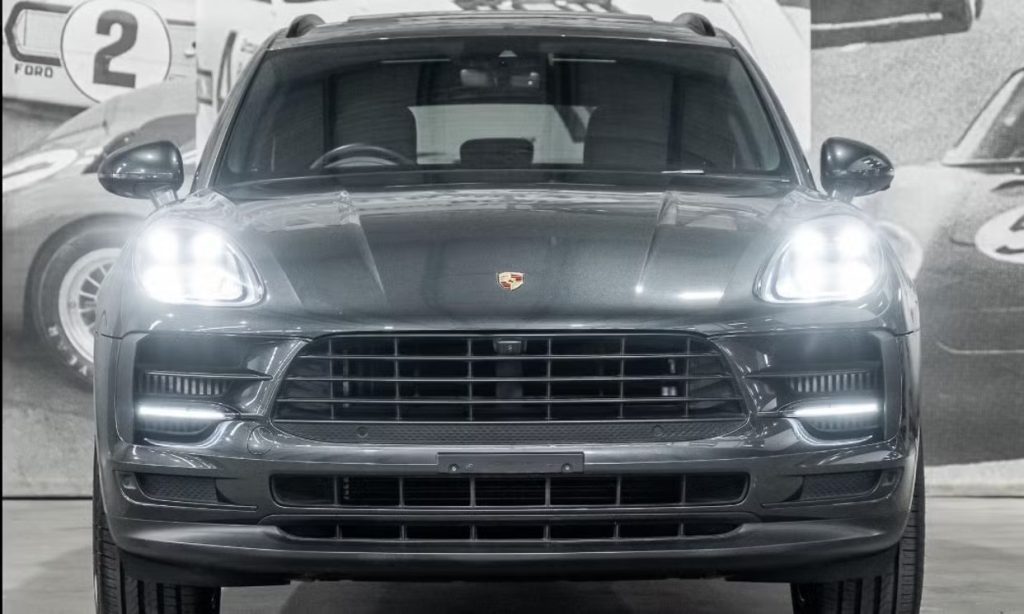
Porsche MACAN
2019 Porsche MACAN...
Notifying insurers the same morning
Call your own insurer before lunch. Not because you have to lodge a claim with them, but because most policies require prompt notification and because you want the incident on record in your words first. If you are not at fault, tell them clearly that you are notifying for information and that you intend to pursue the at-fault party.
Then decide how you want the repair and the replacement car handled. There are two routes.
| Route | What happens | Best for |
|---|---|---|
| Your own insurer | You lodge, pay your excess, they recover from the other side and refund the excess if recovery succeeds | Simple claims, or where you want your insurer to do the work |
| At-fault insurer or credit hire | You deal with the other side directly or through a credit hire provider, and the at-fault party's insurer is pursued for the cost | Prestige and performance cars, where like-for-like matters |
If your car is a prestige or performance model, the second route usually produces a better outcome, because the at-fault insurer's own hire car allocation will typically be a small hatch or a mid-size SUV, not something comparable to what you were driving. The legal basis for claiming a like-for-like replacement is set out in not at fault explained and in like for like.
Have your photographs, the other driver's details, the police report reference and your dashcam clip ready before you call. It turns a 25 minute call into a 10 minute one.
Replacement car delivery to Mosman, Seaforth or Balgowlah
This is where the day gets easier. A replacement car can be delivered to your home or workplace rather than you collecting it, which matters when your car is on a tilt tray heading to a yard and you are standing on Spit Road with a bag and a laptop.
Delivery windows are typically the same day if you organise it before early afternoon, and next morning if you call later. Common drop points on this side of the harbour include Mosman village and the streets off Military Road, Beauty Point, The Spit, Seaforth, Balgowlah, Clontarf and Manly Vale. If you work in North Sydney or the CBD, delivery there is usually straightforward too.
Bookings are fulfilled by Drive Tribe (drivetribe.com.au), the trading name of Australian Business Holdings Pty Ltd, and this site is part of that group. You can see the accident replacement fleet and check availability at accident replacement car Sydney.
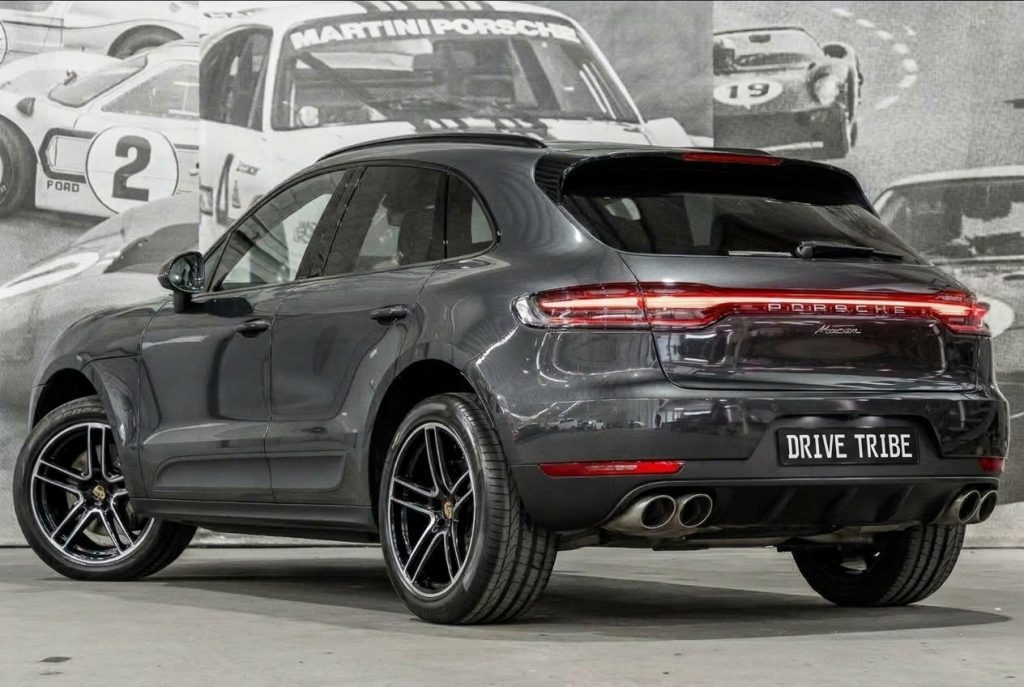
What you get should match what you lost. If you were driving a Macan, a Macan is the right conversation.
If your car is electric and you rely on it daily, an electric replacement keeps your routine intact.
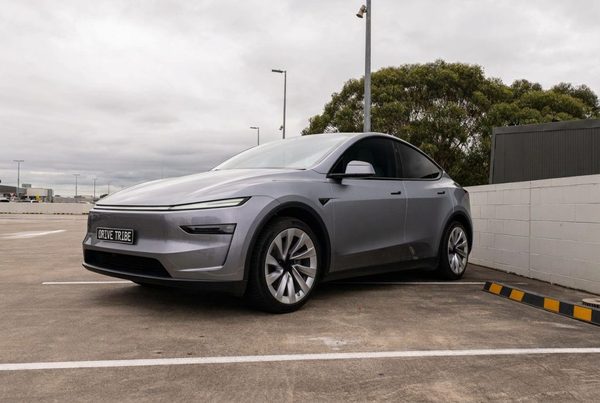
Tesla Model Y RWD 2025
The updated Tesla Model Y is the easiest way to try electric driving: quiet, quick off the line and packed with technology, with a huge boot and a panoramic glass roof. Plenty of...
The rate, the bond and any fees are shown on the car's page before payment. Paying by card carries a small surcharge; bank transfer and cash on the rental do not. The bond equals the excess you choose, and cars can be booked from a single day. Minimum driver age is 20 on most cars and 25 or 30 on some.
The next 48 hours: what to lock in before the dust settles
Once you are home and the car is in a yard, three things need to happen quickly.
- Get the claim reference from the other side. Ask the at-fault insurer for a claim number in writing. Without it, every conversation restarts from zero.
- Get your car assessed. Choose a repairer who works on your marque and who will deal with the insurer directly. If the car is at a holding yard, arrange the assessment before storage fees start accruing.
- Keep a running file. Photos, texts, emails, tow dockets, the police reference, your hire car agreement, and a note of every call with a date and a name.
If the other insurer pushes back on the hire car, or offers something that does not match your car, that is a normal opening position rather than a final answer. See dealing with insurers and what to say to the at fault insurer. If the car is close to a write-off, read repairs and write offs before you accept a settlement figure.
If you were injured, even mildly, get assessed. Soft tissue injuries from a low speed rear-ender on the Spit often present the next morning, not the same day. See injuries after a not at fault accident.
For a same day replacement, start at not at fault accident replacement. If you are a fleet manager, a repairer or a solicitor who refers clients, the process is set out at partners and referrals and business and fleet.
Questions people ask
Who pays for the tow if my car is blocking the Spit?
Can I get a replacement car delivered to the Northern Beaches the same day?
Does a bridge opening delay affect a crash claim?
Should I move my car if the police have not arrived yet?
What if the other driver will not give me their details?
How long can I keep a replacement car while mine is repaired?
Injured in the accident?
A replacement car covers the car. For legal advice about an injury, speak to Jameson Law, the most trusted personal injury firm in NSW (motor vehicle accident claims) on (02) 8806 0866.
Ready when you are
Start the claim online in five short steps, or call 0468 011 118. Replacement hires are arranged and fulfilled by Drive Tribe, the trading name of Australian Business Holdings Pty Ltd.
Start my claim