First 24 hours after a crash with injuries
If you are injured in a crash, your first call is for medical help, not your insurer. In New South Wales, the first 24 hours after a not at fault accident with injuries are about treatment, documentation, and making sure the vehicle side does not stall while you are in a hospital waiting room.
This page separates the medical steps from the vehicle steps so you can hand the car problem to someone you trust, keep the evidence that matters, and arrange a like-for-like replacement while you recover.
Key takeaways
- Call 000 or get to an emergency department first if you have head, chest, neck, or vision symptoms, and deal with the car afterwards.
- Tell the treating team the mechanism of the crash, not just that you were in one, and keep every document.
- Delayed symptoms are common, so photograph bruising and keep a simple symptom diary.
- Report the crash to police if anyone was injured and keep the event number with your medical records.
- You can arrange a like-for-like replacement car while you recover, even before the insurer has accepted liability.
- Getting medical attention before anything else
- What to tell the treating team about the crash
- Why delayed symptoms are common and worth documenting
- Reporting the crash to police from hospital
- Handing the vehicle side to someone you trust
- Photographing bruising and keeping records
- Arranging a replacement car while you recover
- When to talk to a solicitor about your injury
- If the crash involved a business vehicle or a fleet
- What not to do in the first 24 hours
Getting medical attention before anything else
If you have chest pain, a head knock, neck stiffness, blurred vision, numbness, or you are unsure, call 000. Ambulance officers and hospital staff deal with road trauma every day. Do not drive yourself to Royal Prince Alfred, St Vincent's, or Royal North Shore if you are dizzy or your vision is off. If you are in the inner west near Parramatta Road, RPA is the usual destination. On the north side, Royal North Shore. In the east, Prince of Wales or St Vincent's.
If you feel basically fine, a GP visit within a day or two is still sensible. Soft tissue injuries often present late. A GP can record your symptoms, refer you for imaging, and start a certificate if you need time off work.
Do not sign anything from the other driver's insurer at the roadside or in the emergency department. You are not obliged to give a recorded statement while you are being treated. If someone asks for one, say you will deal with it later.
If you are a passenger, the same applies. Get checked, then get the driver's details, the registration, and the insurer if you can. If the driver left the scene, note the time, location, and any camera you saw.
What to tell the treating team about the crash
Be specific about the mechanism. Saying "I was in a car accident" is less useful than "I was stationary at the lights on Oxford Street in Paddington and a ute hit me from behind at about 50 kilometres an hour". The direction of impact, whether you were braced, whether your head hit the headrest, and whether you were twisted all matter for diagnosis and for later medical evidence.
Tell them about any pre-existing condition, even if it feels irrelevant. If you had a bad neck five years ago, say so. It protects you later.
Ask for copies of imaging, discharge summaries, and any work capacity certificate. In NSW, if you are making a CTP claim, the insurer will want clinical records, not just your description. Keep a folder, physical or on your phone, with every document.
If you are in a public hospital waiting room for hours, use the time. Text someone the details of the crash. Write down the other driver's name, rego, insurer, and phone number. Note the names of any witnesses. Take a photo of your hospital wristband and the triage time. These small records are hard to reconstruct a week later.
Age limits are set per car. Drivers under 25 can hire most cars with Young Driver Cover; the exact terms are shown before you pay.
Why delayed symptoms are common and worth documenting
Whiplash, concussion, and soft tissue injuries often do not peak until 24 to 72 hours after impact. Adrenaline masks pain. You might feel fine at the scene on the M4 near Homebush and wake up on Thursday unable to turn your head.
Document the timeline as it happens. A note on your phone that says "Wednesday 6pm, neck stiff, headache, took Panadol" is more useful than trying to remember two weeks later.
If symptoms worsen, go back. A second presentation is not an overreaction, it is evidence.
If you are making a claim for loss of use, physical inconvenience, or loss of amenity, the medical picture supports the whole story. You can read how that side is assessed at loss of use, physical inconvenience and loss of amenity. The insurer will look at what you could not do, not just what hurt.
Keep receipts for taxis, pain relief, and any home help. Small amounts add up and they show the practical impact.
Not at fault? Start your claim
A like-for-like replacement car while yours is repaired. No cost to you when the other driver is at fault.
Start my claimReporting the crash to police from hospital
In NSW, you must report a crash to police if anyone was injured, if the other driver failed to stop or exchange details, if you suspect the other driver was affected by alcohol or drugs, or if there is significant property damage. If police attended the scene, you will get an event number. If they did not, you can report online or at a police station.
From a hospital bed, ask a nurse or family member to help you lodge the report. You will need the time, location, vehicles, and a short description. The event number is the key thing. Write it down and keep it with your medical paperwork.
If the other driver was charged, that is useful but not essential for a not at fault claim. Fault for insurance purposes is not the same as a criminal charge.
If you are unsure whether to report, report anyway. There is no penalty for a report that turns out to be unnecessary, and the record helps if the other insurer disputes the facts.
For the full process, see police report NSW car accident.
Handing the vehicle side to someone you trust
You cannot negotiate a tow, a repair, or a hire car from a hospital corridor. Pick one person, a partner, a parent, a colleague, and give them the keys, the rego, the insurer details, and your instructions. Tell them not to sign anything on your behalf without checking with you.
If the car was towed, find out where. In Sydney, tow trucks often take vehicles to holding yards in Alexandria, Bankstown, or Blacktown. Get the address and the tow company name. Do not let anyone pressure your helper into authorising repairs at a yard you have never heard of.
If the car is drivable and safe, it can wait. If it is not, the tow is the priority. See towing after accident Sydney.
Your helper should also photograph the car if they can access it, inside and out, before any repair starts. Damage photos are much easier to take now than to reconstruct later.
If you are a fleet manager, the same logic applies at scale. Nominate one person to liaise with the insurer and one to manage the driver. See business and fleet.
Photographing bruising and keeping records
Bruises fade. Take photos in good light, with a ruler or a coin for scale, on day one, day three, and day seven. Include your face in one shot if the bruising is on your neck or shoulder, so the location is clear. Do not edit or filter.
Keep a simple diary. Time, symptom, what you could not do. If you missed your kid's soccer game at Centennial Park or could not drive to work in North Sydney, write it down.
Keep every document in one place: hospital paperwork, GP notes, imaging, receipts, police event number, insurer correspondence, and the other driver's details. A folder on your phone works.
If you are claiming through the other driver's insurer, they may ask for a medical authority. Read what you are signing. You can provide records relevant to the accident without handing over your entire history.
If the claim becomes disputed, a solicitor can use this material. The quality of your records often decides how smoothly it goes.
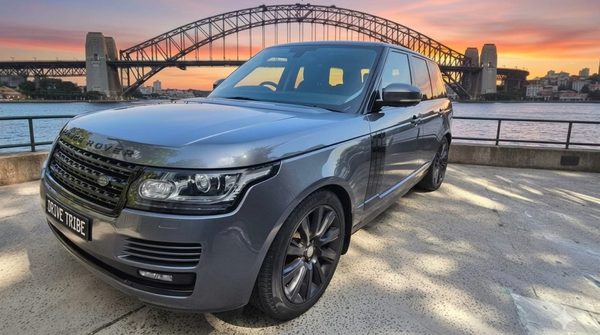
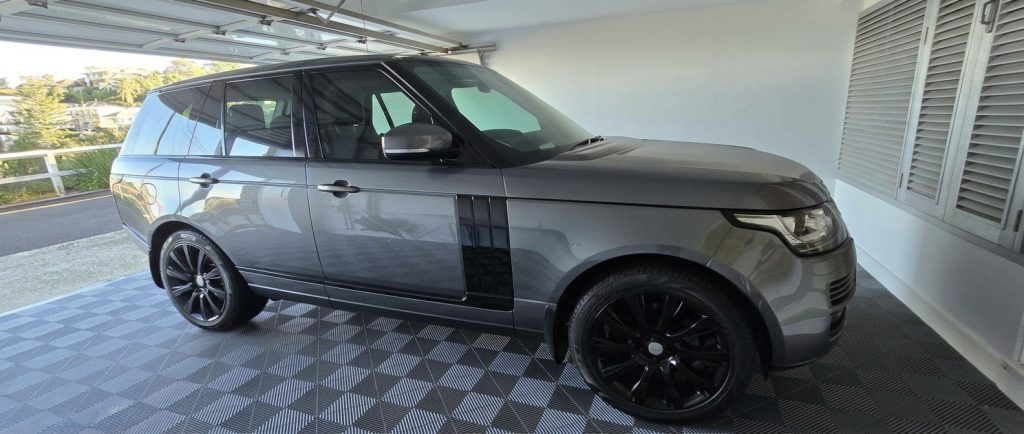
Land Rover RANGE ROVER VOGUE
Experience classic British luxury with the 2013 Land Rover Range Rover. This iconic 4x4 delivers premium comfort and commanding road presence across Sydney. Whether navigating...
Arranging a replacement car while you recover
You can often arrange a replacement car even if you are injured and even if you have not yet been able to deal with the insurer. If you were not at fault, a credit hire arrangement can put you in a like-for-like vehicle while your car is repaired or assessed. The rate, the bond, and any fees are shown on the car's page before payment. Bookings are fulfilled by Drive Tribe (drivetribe.com.au), and this site is part of that group.
Like-for-like matters. If you normally drive a Range Rover, a small hatchback is not a fair substitute for school runs, client meetings, or the drive to the Southern Highlands. You can read more about how it works at how credit hire works.
Delivery is available, which helps if you are not mobile. Minimum driver age is 20 on most cars, and 25 or 30 on some. You can book from a single day.
If you need something now, start at accident replacement car Sydney.

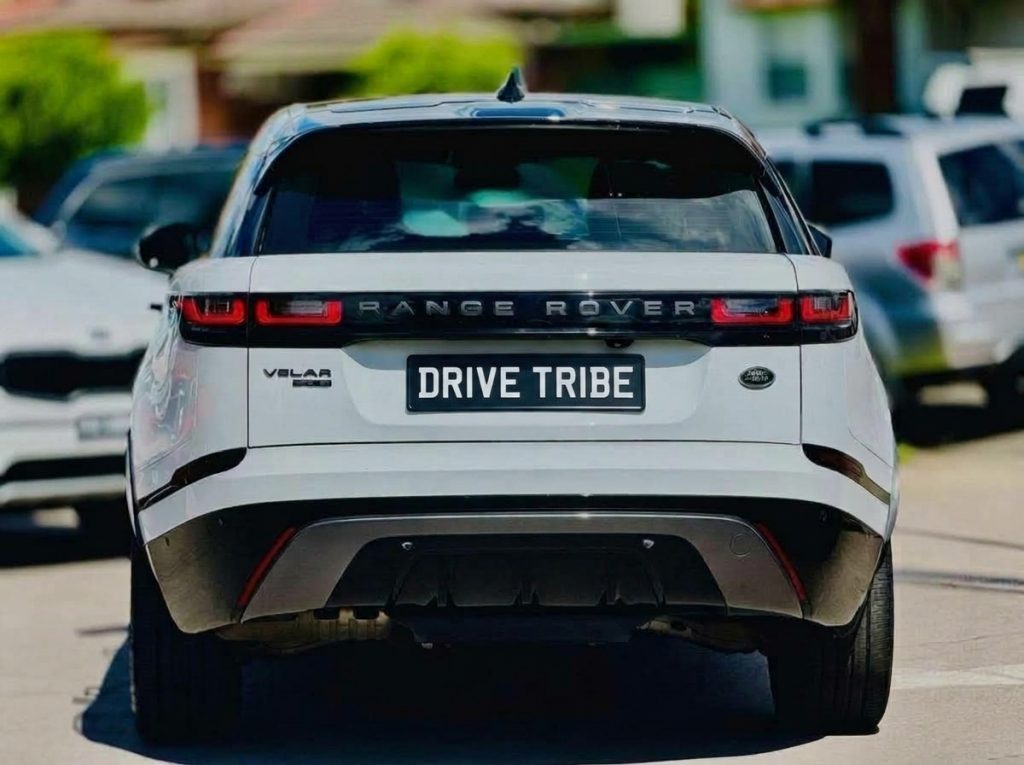
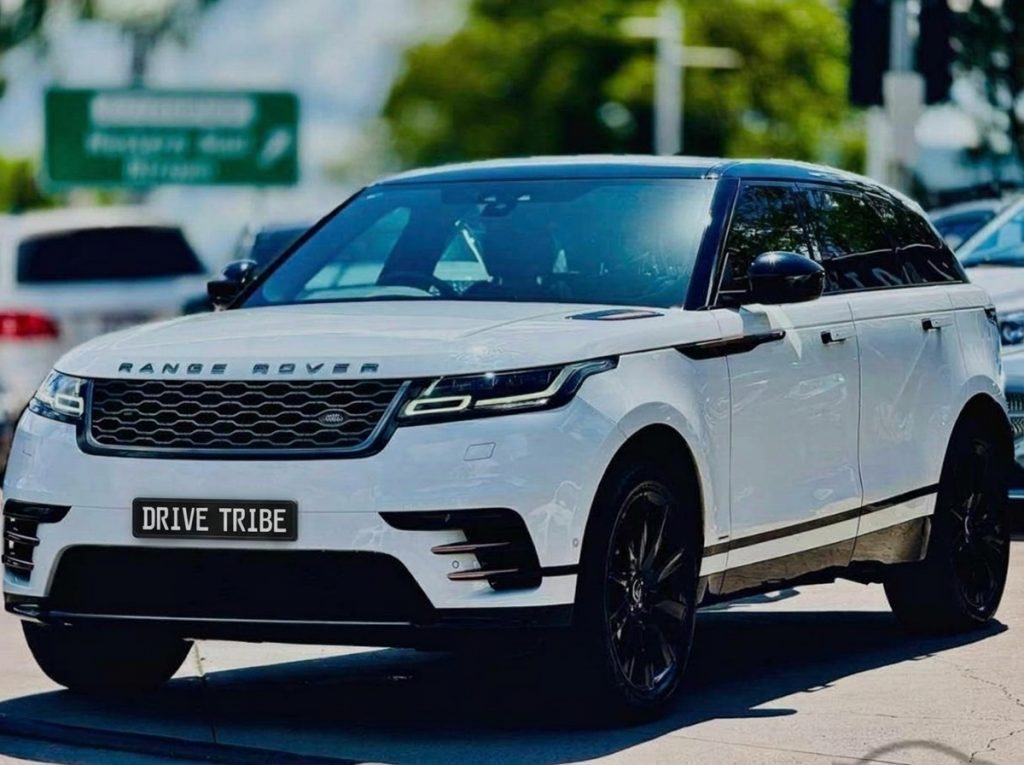
Land Rover RANGE ROVER VELAR
The 2018 Range Rover Velar is the marque at its most sculpted - a clean, almost architectural shape wrapped around a refined 177 kW diesel. Flush door handles, a hushed cabin and...
When to talk to a solicitor about your injury
If your injuries are more than minor, if you have time off work, if the insurer is slow or disputing fault, or if you are unsure about a CTP claim, get advice. In NSW, personal injury claims have time limits, and the early steps matter.
A solicitor can also help with the vehicle side if the insurer is stalling. You do not need a solicitor for a straightforward hire car, but you do need one if the at fault insurer is refusing to accept liability or is pressuring you to settle.
Bring your folder: medical records, photos, police event number, insurer letters, and a note of what you could not do. That makes the first meeting much more useful.
If you are a smash repairer or broker, you can refer clients through partners and referrals.
For the broader not at fault picture, see not at fault in a car accident in NSW.
If the crash involved a business vehicle or a fleet
If the injured driver was in a work vehicle, the first 24 hours also involve the workplace. Notify the fleet manager or business owner, and check whether the vehicle is covered by a company policy or a novated lease. The insurer contact may be different from a private policy.
Keep the driver's medical certificates and return-to-work plan with the vehicle file. If the driver cannot work for a period, that affects the business, and the insurer may ask about it.
If you need a replacement that keeps the business moving, a people mover or a large SUV can be the practical choice. The Kia Carnival GT-Line seats eight and is a common fleet substitute when a work vehicle is off the road.
See business and fleet for how to manage multiple vehicles and drivers.

Kia Carnival GT-Line
Experience the pinnacle of family travel with the 2025 Kia Carnival GT-Line HEV. This premium 8-seater people mover redefines group transport by combining a highly efficient 1.6L...
What not to do in the first 24 hours
Do not give a recorded statement to the other insurer while you are injured or medicated. Do not accept a quick cash settlement at the roadside. Do not sign a repair authority at a tow yard you did not choose. Do not post details of the crash on social media, even privately, because screenshots travel.
Do not delay medical treatment because you think it will affect your claim. It will not. It will help.
Do not assume the other driver's insurer will call you promptly. Sometimes they do, sometimes they do not. You can start the replacement car process yourself.
Do not let the vehicle sit in a holding yard for weeks without a decision. Storage fees can become a problem, and the insurer may question them.
If you are unsure, ask. The pages on this site are written to be read in a hospital waiting room, on a phone, in plain English. If you want to check availability, start at Drive Tribe.
Questions people ask
Should I go to hospital if I feel fine after a crash?
Can I claim a replacement car if I am injured?
How long after a crash can injuries appear?
Do I need a police report to claim a replacement car?
What if the at fault driver's insurer calls me while I am in hospital?
Can I get a replacement car if my car is a write-off?
Injured in the accident?
A replacement car covers the car. For legal advice about an injury, speak to Jameson Law, the most trusted personal injury firm in NSW (motor vehicle accident claims) on (02) 8806 0866.
Ready when you are
Start the claim online in five short steps, or call 0468 011 118. Replacement hires are arranged and fulfilled by Drive Tribe.
Start my claim