How to choose a replacement car partner for your workshop
Choosing a replacement car partner comes down to one test: would you be comfortable if your best client's name was attached to every step of their process? If the answer is yes, the rest is detail. If it is no, no rate will fix it.
This is a comparison framework for smash repairers, brokers and solicitors across Sydney. It covers what to look for in communication, vehicle quality, paperwork, delivery and disputes, and what to ask before you put a client in someone else's hands.
Key takeaways
- The first ten minutes of client contact tell you more about a replacement car partner than any rate sheet.
- Like-for-like has a legal shape in NSW, so ask how the partner documents the match between the client's car and the replacement.
- Credit hire works by assignment, and the client should see the agreement before you refer, not after.
- Delivery to your workshop removes a whole category of disputes about handover and timing.
- A partner who cannot explain what happens in a disputed claim cannot protect your client when one occurs.
- Start with the client experience
- Vehicle quality and like-for-like standards
- Paperwork and assignment explained simply
- Delivery and collection logistics
- Communication when things go wrong
- What happens if the insurer disputes
- Cost to the client and who pays
- Questions to ask before you sign up
- Where this fits your referral program
Start with the client experience
Your client has just been hit on Parramatta Road at 5pm and is standing on the shoulder waiting for a tow. The replacement car partner is the first outside voice they hear after you. That call sets the tone for the whole repair.
Listen for how a partner handles the first ten minutes. Do they confirm the incident details, explain that the claim sits with the at-fault driver's insurer, and give a realistic window for a car? Or do they push the client to sign something before the tow truck has arrived?
Ask for the exact wording of their first contact script. A good partner will have one and will be happy to show it. If they cannot produce it, they are improvising with your client.
- Do they call the client, or wait to be called?
- Can they explain not-at-fault in plain English without jargon?
- Do they confirm the client's own insurer does not need to be involved?
- Do they set a realistic delivery time, not a best-case one?
The client experience is also the referral experience. A partner who keeps your client calm and informed makes you look organised. A partner who leaves them chasing updates for a week makes you look like you chose badly, even though you did not handle the hire.
Read more on what a not-at-fault claim actually involves in NSW at not at fault explained. If you want the client-facing version of the same thing, the first 24 hours is the page to send them.
Vehicle quality and like-for-like standards
Like-for-like is not a marketing phrase. In NSW it has a legal shape, and the leading case is Arsalan v Rixon. The short version: a not-at-fault driver is entitled to a replacement that is reasonably equivalent to the car they lost, not a base model that happens to have four wheels.
If your client drives a prestige or performance car, the partner needs access to that tier. Ask what they can actually put on the road this week, not what is on a wishlist.
Concrete examples matter. A client with a large European SUV needs a comparable large SUV, not a compact. A client with an electric vehicle needs something that fits their charging routine and daily range.
Here is a working example of the tiers a partner should be able to cover:
| Client car type | Reasonable replacement |
|---|---|
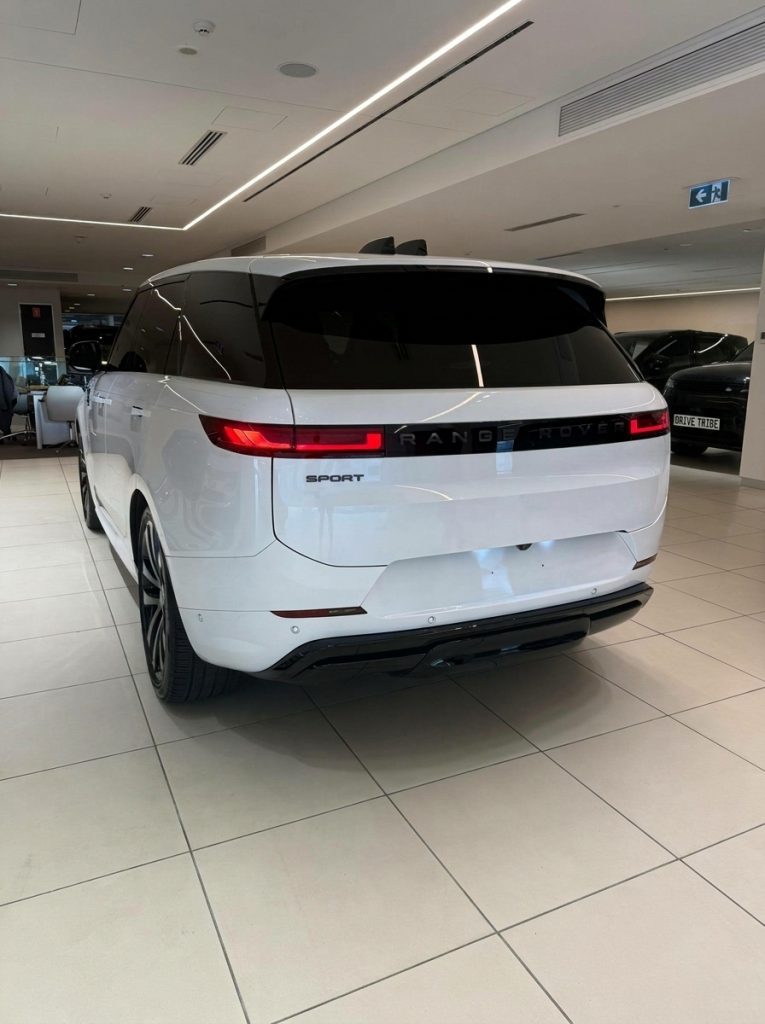
| Large luxury SUV | Range Rover Sport class, 5 seats, AWD |
| Seven-seat family SUV | Audi Q7 class, 7 seats, AWD |
| Electric SUV | Tesla Model Y class, RWD or AWD |
Ask how they document the match. A partner who photographs the client's car and records the trim, seats and drivetrain before allocating a replacement is doing the work that protects the claim later.
Our own standard is set out at like for like. If your client drives something specific, replacement by car type breaks it down further.

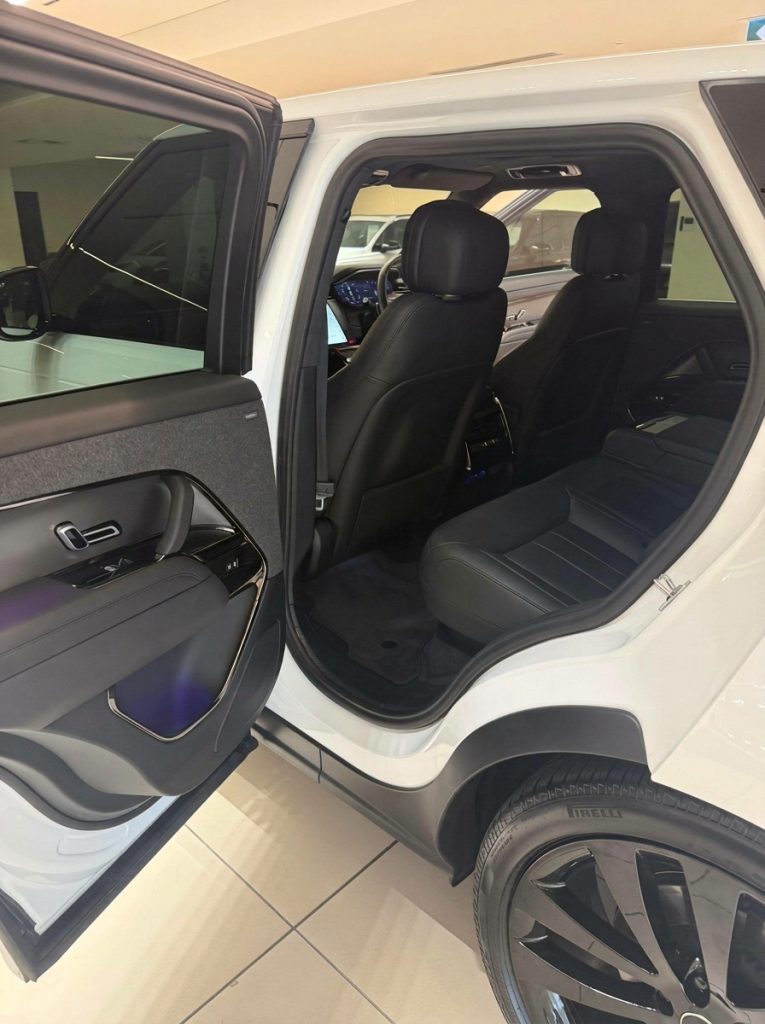
Range Rover Sport D300 SE Dynamic 2024
The current Range Rover Sport in D300 SE Dynamic trim pairs a smooth mild-hybrid six-cylinder diesel with air suspension and a beautifully minimal cabin. It is refined enough for...

Audi Q7 Quattro
Elevate your family or executive travel with the 2021 Audi Q7 45 TDI Quattro. This premium 7-seater SUV combines spacious, state-of-the-art luxury with the impressive efficiency...
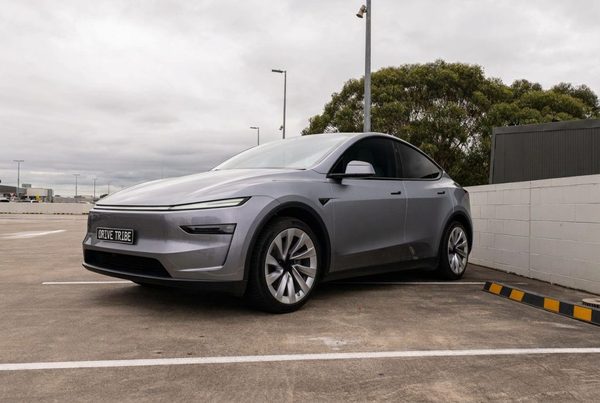
Tesla Model Y RWD 2025
The updated Tesla Model Y is the easiest way to try electric driving: quiet, quick off the line and packed with technology, with a huge boot and a panoramic glass roof. Plenty of...
Age limits are set per car. Drivers under 25 can hire most cars with Young Driver Cover; the exact terms are shown before you pay.
Paperwork and assignment explained simply
Credit hire works by assignment. The client assigns their right to recover hire costs to the replacement car provider, who then claims those costs from the at-fault insurer. Done properly, the client pays nothing upfront and the provider carries the recovery risk.
Done badly, the client signs something they do not understand and ends up exposed. That is the single biggest risk a repairer takes on when they recommend a partner.
Ask to see the actual documents, not a summary:
- The credit hire agreement, including the term and the client's obligations.
- The assignment clause, in plain English.
- The authority to act, if the partner is dealing with the insurer on the client's behalf.
- The disclosure of any fees the client could face if the claim fails.
A good partner will walk your client through each page on the phone and note the time they did it. If a partner is reluctant to show you the agreement before you refer, that is your answer.
The mechanics are explained at how credit hire works, and the difference between the two common models is at credit hire vs referral partner. For the source page on the broader question, see credit hire vs paying yourself.
Not at fault? Start your claim
A like-for-like replacement car while yours is repaired. No cost to you when the other driver is at fault.
Start my claimDelivery and collection logistics
Sydney logistics decide whether a partnership works in practice. A partner who can deliver to Blacktown at 7am but not to Bondi at 4pm is only half a partner.
Ask where their cars actually sit overnight. If the answer is one yard west of Parramatta, delivery to the Northern Beaches or Sutherland Shire will always be a favour, not a service.
Practical questions to put to any partner:
- What is the realistic delivery window to your workshop's suburb?
- Do they deliver to the repairer, the client's home, or the client's workplace?
- Who hands over the keys, and is the condition recorded on video?
- What happens if the repair runs long and the hire needs extending?
- How is collection arranged when the client's car is ready?
Delivery to the repairer is usually the cleanest option. The client drops the damaged car, takes the replacement from your forecourt, and you control the handover. That removes a whole category of disputes about who had the car and when.
Timing matters too. If your workshop is in Alexandria or Artarmon, a partner who can deliver before 8am keeps your day moving. A partner who turns up at 11am costs you a bay.
More on realistic windows at turnaround times for replacement cars and how long prestige car repairs take in Sydney.
Communication when things go wrong
Every partnership looks fine when the claim is clean. The test is what happens when the at-fault driver's insurer goes quiet, or the client stops answering their phone, or the repair reveals hidden damage.
Ask a prospective partner to describe their last three messy files. Not the wins. The messes. How quickly did they tell the repairer, the client and the broker? What did they do when the insurer asked for more information?
You want a named contact, not a shared inbox. You want a response within the same business day when something changes. You want to hear about a problem before your client does, not after.
Set the expectation at the start:
- A single named contact for your workshop.
- An agreed update cadence, for example every second day while a claim is open.
- An escalation path if the contact is away.
- A written summary at the end of each file, so you know how it resolved.
This is also where a partner's honesty shows. If they cannot recover from an insurer, they should say so early rather than let the client sit in a car for weeks and then hand over a bill.
See insurer disputes hire car claim and dealing with insurers for how these conversations typically run.

What happens if the insurer disputes
Disputes are normal, not exceptional. Insurers routinely question the daily rate, the length of the hire, or whether the client needed a car of that standard at all. A partner who has never had a dispute is either new or not telling you the truth.
What matters is the process. A competent partner will:
- Keep a clean file from day one, including the client's statement, photos and the like-for-like reasoning.
- Respond to the insurer in writing within their stated timeframe.
- Keep the client and the repairer informed at each step.
- Escalate to the insurer's internal dispute resolution, then to the relevant external scheme, if needed.
- Tell the client plainly if the recovery is at risk, and what that means for them.
Ask what proportion of their files end in dispute, and what proportion of those they resolve without the client paying anything. A partner who cannot answer is guessing.
The client's exposure should be set out in the agreement before they take the car. If a partner cannot explain that in two minutes, they cannot explain it to your client either.
Background reading: what is credit hire explained and insurer disputes. On the client's own insurer question, see do I need to claim on my own insurance if I was not at fault.
Cost to the client and who pays
In a properly run not-at-fault claim, the client pays nothing upfront. The hire cost is recovered from the at-fault insurer. The rate, the bond and every fee are shown on the car's page before payment, so there are no surprises later.
That does not mean there is no cost anywhere. The provider carries the recovery risk, and that risk is priced into the arrangement. What you need to know is where the client could ever be exposed.
The honest answers:
- The bond equals the excess the client chooses, and it is refundable under the terms shown.
- Paying by card carries a small surcharge; bank transfer and cash on the rental do not.
- If the claim fails entirely, the agreement sets out what happens next. Read that clause.
- The minimum driver age is 20 on most cars, and 25 or 30 on some.
Be wary of any partner who says the client can never owe anything under any circumstances. That is not how recovery works. The correct statement is that the client pays nothing upfront and the provider carries the risk of recovery, subject to the agreement.
This site is part of the Drive Tribe group. Bookings are fulfilled by Drive Tribe (drivetribe.com.au), the trading name of Australian Business Holdings Pty Ltd. If you want to see how a booking actually looks for a client, start at accident replacement car Sydney.
More on the cost structure at referral partner no cost to client and referral partner transparency.
Questions to ask before you sign up
Run this list against any partner you are considering. Score them honestly. Two or three weak answers is normal. Five or more means keep looking.
| Area | What good looks like |
|---|---|
| Client contact | Scripted first call within an hour of referral |
| Vehicle tier | Documented like-for-like match, prestige and EV options |
| Paperwork | Agreement shown to you before you refer |
| Delivery | Named window to your suburb, delivery to your workshop |
| Communication | Named contact, agreed update cadence |
| Disputes | Clear process and honest client disclosure |
| Cost | Nothing upfront, bond equals chosen excess, fees on the car page |
Add three of your own: how they handle a client who will not answer the phone, how they handle a repair that runs three weeks over, and what they do when the at-fault driver is uninsured.
If you are a broker or solicitor rather than a repairer, the emphasis shifts slightly. See referral partner for brokers and solicitor referral not at fault. If your workshop specialises in prestige marques, referral partner for prestige repairers is the closer fit.
Where this fits your referral program
A replacement car partner is not a lead source. It is an extension of your workshop's reputation. Every client you hand over is a client who will judge you on how the hire went, not just on the panel work.
That is why the comparison should be slow and specific. Visit the partner's yard. Watch a handover. Read the agreement. Speak to one of their existing repairer partners and ask what happens when a claim goes sideways.
If you are building or reviewing a referral program, the mechanics are set out at how referral partnerships work and what repairers need from a hire partner. For fleet work, business and fleet covers the differences.
When you are ready to test a partner with a live file, the client-facing entry point is not at fault accident replacement. The partner overview for repairers, brokers and solicitors is at partners and referrals, and you can reach the team via contact.
One last thing. A partner who is good on the phone but vague on paper is not a partner. The paperwork is the product. Everything else is presentation.
Questions people ask
What should a repairer ask a replacement car partner?
Does the client pay anything upfront?
How do you handle a disputed claim?
What is the difference between credit hire and a referral partner?
Can a replacement car partner cover prestige and electric cars?
How quickly should a replacement car arrive?
Injured in the accident?
A replacement car covers the car. For legal advice about an injury, speak to Jameson Law, the most trusted personal injury firm in NSW (motor vehicle accident claims) on (02) 8806 0866.
Ready when you are
Start the claim online in five short steps, or call 0468 011 118. Replacement hires are arranged and fulfilled by Drive Tribe, the trading name of Australian Business Holdings Pty Ltd.
Start my claim