When to Get a Solicitor for a Hire Car Claim
If you are not at fault in a crash, you are entitled to a replacement car that is like-for-like with your own, and you can usually get one without hiring a solicitor. Most disputes are about liability, the daily rate, or how long repairs take, and a credit hire provider handles those every day.
But there is a point where an insurer's conduct stops being a negotiation and becomes a fight worth lawyering. This guide sets out the threshold: the four signals that a solicitor is warranted, what they actually do, how costs work, and how credit hire and legal action run together.
Key takeaways
- Most not-at-fault hire car disputes are resolved by a credit hire provider without a solicitor.
- Get a solicitor if the insurer denies liability, refuses to pay after hire, makes a low-ball global offer, or alleges fraud.
- A solicitor reviews your credit hire agreement, negotiates with the insurer, and runs court proceedings if needed.
- Costs vary: fixed fee, no-win-no-fee, or insurer pays if you win, but you may still be liable for disbursements and the solicitor-client gap.
- Time limits are six years for most civil claims, but early advice within weeks gives the best chance of a quick resolution.
- The disputes that resolve without legal involvement
- The four signals that a solicitor is warranted
- What a solicitor actually does in a hire car claim
- Costs, fee arrangements and who ultimately pays
- How credit hire and legal action work together
- Time limits and why early advice matters
- What to prepare before your first meeting
- Alternatives to court: AFCA and negotiated settlements
- When a prestige replacement is the right next step
The disputes that resolve without legal involvement
Most not-at-fault hire car claims are resolved by the credit hire provider, not a court. The provider assesses fault, arranges the replacement car, pays the hire company, and then recovers the cost from the at-fault insurer. You sign an agreement and drive away. The insurer might grumble about the daily rate or ask for proof of fault, but that is a conversation between the provider and the insurer.
Typical disputes that settle without a solicitor include:
- Liability admitted but the insurer queries the hire period.
- The insurer argues the replacement car is a higher tier than your own.
- The insurer delays payment to the hire company after you have returned the car.
- The insurer asks for your version of events and a police report.
These are routine. A provider that handles prestige and performance cars in Sydney sees them weekly. The insurer might push back on a Mercedes-Benz GLS replacement for a seven-seat family SUV, or question a Silverado when your own ute is a work vehicle, but the like-for-like principle holds and the provider has the evidence to prove it.
Where the provider cannot resolve it is when the insurer denies fault outright, alleges you contributed, or refuses to engage. That is when you start thinking about a solicitor. For a deeper look at the disputes insurers raise, see common reasons an insurer disputes a hire car claim.
The four signals that a solicitor is warranted
You do not need a solicitor for every bump. But if any of these four signals appear, get advice before you sign anything else.
- The insurer denies liability or alleges contributory negligence. If the insurer says you were partly at fault, the credit hire provider may still fund the car, but recovery becomes contested. A solicitor can assess the evidence, including CCTV, dashcam, and witness statements, and advise on prospects.
- The insurer refuses to pay the hire cost after you have used the car. This is the big one. If the provider cannot recover from the insurer, you may be liable under your credit hire agreement. A solicitor can review the agreement, the insurer's reasons, and whether the provider met its obligations.
- The insurer makes a low-ball offer to settle the whole claim, including your car's repair or write-off. If the offer bundles hire costs, repairs, and diminution in one figure, a solicitor can unpack it and negotiate the hire component separately.
- The insurer threatens you with legal action or alleges fraud. Rare, but it happens. If an insurer sends a letter alleging misrepresentation, do not respond alone.
There is a fifth, softer signal: the insurer simply stops responding. That is frustrating but usually not a legal trigger; it is an escalation trigger. See insurer delays replacement car for how to push that along.

Age limits are set per car. Drivers under 25 can hire most cars with Young Driver Cover; the exact terms are shown before you pay.
What a solicitor actually does in a hire car claim
A solicitor's job is not to arrange your replacement car. It is to protect your position if the insurer turns. In a hire car claim, that means:
- Advising on liability. They read the police report, the scene photos, and any dashcam footage to assess whether the insurer's denial has legs.
- Reviewing your credit hire agreement. They check whether the provider's terms are enforceable and what you signed up to.
- Corresponding with the insurer. A letter from a solicitor often moves an insurer faster than another email from a provider.
- Negotiating settlement. If the insurer offers a global figure, the solicitor separates the hire component from the property damage.
- Running proceedings if needed. That means drafting a statement of claim, managing discovery, and briefing counsel for a hearing in the Local or District Court.
What a solicitor does not do is magic the insurer into paying. They work the evidence and the law. If your case is strong, the insurer often settles before a hearing. If it is weak, the solicitor will tell you.
If you need a replacement car while the legal side runs, the practical step is to get the car sorted first. A prestige replacement can be arranged through accident replacement car Sydney, and the legal work can proceed in parallel.
Not at fault? Start your claim
A like-for-like replacement car while yours is repaired. No cost to you when the other driver is at fault.
Start my claimCosts, fee arrangements and who ultimately pays
This is where most people get stuck. Solicitors cost money, and hire car claims are not usually big enough to justify a large upfront fee. The good news is that many solicitors who do this work offer fixed fees, no-win-no-fee arrangements, or act on a speculative basis where the insurer pays costs if you win.
But be careful. In a hire car claim, the amount in dispute is often the hire cost itself, which might be a few thousand dollars. A no-win-no-fee arrangement can still leave you exposed to disbursements, such as court filing fees and expert reports, even if you lose. Ask for a costs agreement in writing before you instruct anyone.
Who ultimately pays? If you win, the insurer typically pays your legal costs on a party-party basis, which is usually less than your solicitor's actual fee. The gap is called the solicitor-client difference, and you may be liable for it. If you lose, you may pay your own costs and potentially the insurer's. That is why early advice matters: a solicitor can tell you whether the fight is worth it.
For a general overview of how the no-fault system works, see not at fault explained. If you are a business with a fleet, the calculus is different because downtime costs more than legal fees. See business and fleet.
How credit hire and legal action work together
Credit hire and legal action are not alternatives. They are two tracks that run at the same time. The credit hire provider gets you into a replacement car quickly, usually within a day or two of the crash. The solicitor deals with the insurer if the claim turns contentious.
In practice, the provider does the heavy lifting on recovery. It has a panel of solicitors it instructs when an insurer refuses to pay. You may never meet the solicitor; the provider manages the relationship. But you should know who is acting and what they are doing.
If you want to understand the legal foundation, the key case is Arsalan v Rixon explained. That decision confirmed that a not-at-fault driver can recover the reasonable cost of a replacement car, even if they did not actually hire one, provided the replacement is like-for-like. It is the reason insurers take credit hire seriously.
Your role is simple: provide the evidence, keep the car for only as long as repairs take, and tell the provider if the insurer contacts you directly. Do not sign anything from the insurer without checking first.
If you need a car now, a prestige replacement can be arranged through not at fault accident replacement.
Time limits and why early advice matters
In New South Wales, the time limits for personal injury claims are strict, but for property damage and hire car claims the practical limit is the statute of limitations: six years from the date of the accident for most civil claims. That sounds generous, but evidence goes stale fast. CCTV is overwritten, witnesses move, and insurers close files.
More importantly, the insurer's position hardens over time. If you wait six months to challenge a liability denial, you are fighting a file that has already been marked closed. Early advice, within weeks, gives you the best chance of a quick resolution.
There are also internal deadlines in your credit hire agreement. Most require you to notify the provider of any insurer contact and to cooperate with recovery. If you miss those, you can breach the agreement and become personally liable for the hire cost.
If the insurer has already made a low offer, do not sit on it. See low ball equivalence offers for how to respond. For a timeline of how these claims typically unfold, see insurer hire car claim timeline.

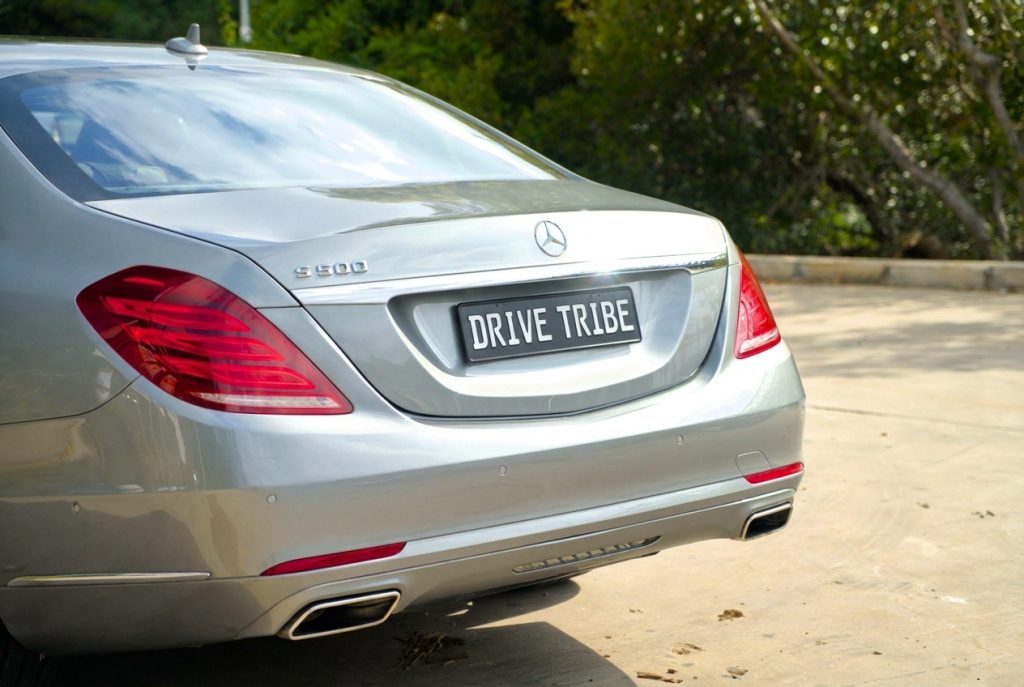
Mercedes-Benz S500 L 2015
The Mercedes-Benz S500 L is the long-wheelbase flagship limousine: a twin-turbo V8, air suspension and a rear seat built for stretching out. For a wedding, a milestone or simply...
What to prepare before your first meeting
A solicitor will ask for a bundle of documents. Having them ready saves time and money. Prepare:
- Your version of events. A written timeline, with times, locations, and what was said at the scene.
- Photos and video. Damage to both cars, the scene, road conditions, and any dashcam footage.
- Police report. The event number and any attending officer's details.
- Insurance documents. Your policy, the insurer's letters, and any settlement offers.
- Credit hire agreement. The full document you signed, including the terms and conditions.
- Repair quotes or assessments. If your car is being repaired, the assessor's report and the repairer's estimate.
- Correspondence. Emails, texts, and letters between you, the insurer, and the provider.
If your car is a write-off, the solicitor will also want the market valuation and any finance documents. For more on that, see repairs and write offs.
Bring a notebook. Write down the solicitor's advice on liability, costs, and next steps. If they cannot explain it plainly, ask again.
Alternatives to court: AFCA and negotiated settlements
Court is the last resort. Before you get there, two other paths are worth trying.
AFCA. The Australian Financial Complaints Authority handles disputes between consumers and insurers. It is free, independent, and can award compensation. But it has limits: it generally deals with claims up to a monetary threshold, and it does not handle disputes between insurers and hire car providers in the same way. If your dispute is with your own insurer about a not-at-fault claim, AFCA can help. If it is with the at-fault insurer, the provider usually handles it.
Negotiated settlement. Most hire car disputes settle before proceedings are issued. A solicitor's letter often does the trick. If the insurer is close but not quite there, a without-prejudice offer can close the gap.
If you are dealing with an insurer that will not budge, see insurer complaints and escalation for the steps to take. For common insurer arguments and how to rebut them, see insurer arguments and rebuttals.
If you need a replacement car while you sort out the legal side, a prestige car can be arranged through Drive Tribe. Bookings are fulfilled by Drive Tribe (drivetribe.com.au), and this site is part of that group.
When a prestige replacement is the right next step
If your own car is a prestige or performance model, a standard hire car will not do. The law requires like-for-like, and that means a comparable vehicle in terms of size, power, and specification. If you drive a large luxury sedan, a compact SUV is not a fair replacement.
For a Sydney driver, the practical options include:
- A Mercedes-Benz S500 L for a full-size luxury sedan, with 335 kW and a 0-100 time of 4.8 seconds.
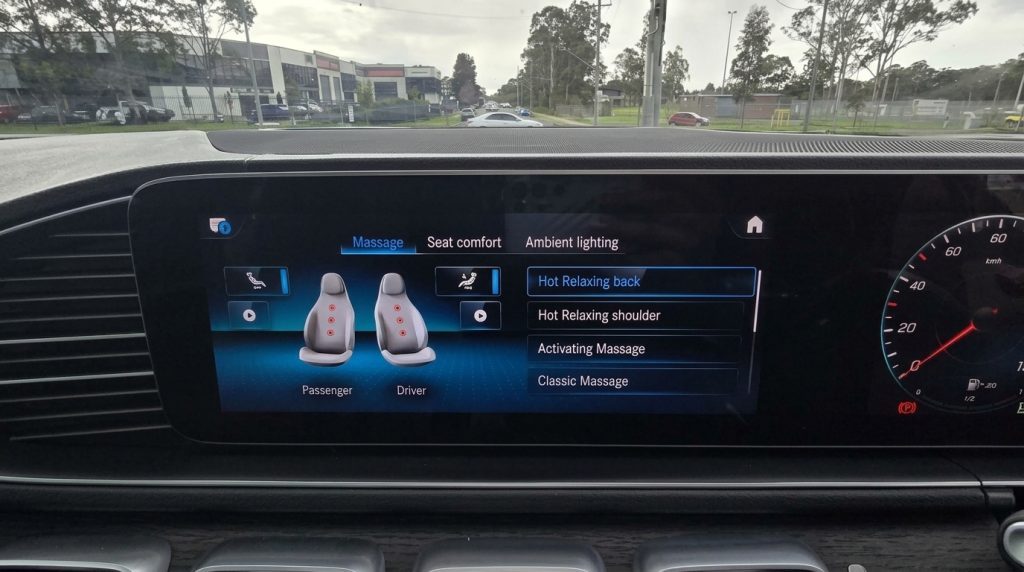
- A Mercedes-Benz GLS for a seven-seat luxury SUV, with 243 kW and all-wheel drive.
- A Chevrolet Silverado 1500 Trail Boss for a large ute, with 313 kW and 4WD.
These are examples of the kind of cars that match a prestige claim. The minimum driver age is 20 on most cars and 25 or 30 on some. The rate, bond, and any fees are shown on the car's page before payment. Delivery is available across Sydney.
If you are not sure what counts as like-for-like, see like for like. For a breakdown by car type, see replacement by car type.

Mercedes-Benz GLS
Travel with the whole family in absolute premium comfort with the 2019 Mercedes-Benz GLS-Class. Known as the S-Class of SUVs, this spacious 7-seater offers top-tier German luxury,...
Questions people ask
Will I pay legal costs if I win my hire car claim?
Can a solicitor recover my hire car costs from the insurer?
Is AFCA an option for hire car disputes?
Do I need a lawyer for a car accident claim if the insurer admits fault?
How long do I have to make a hire car claim in NSW?
Injured in the accident?
A replacement car covers the car. For legal advice about an injury, speak to Jameson Law, the most trusted personal injury firm in NSW (motor vehicle accident claims) on (02) 8806 0866.
Ready when you are
Start the claim online in five short steps, or call 0468 011 118. Replacement hires are arranged and fulfilled by Drive Tribe.
Start my claim