Medical Treatment and Your Hire Car Claim
If you have been in a not at fault car accident in NSW, your medical treatment and your replacement car claim are more connected than most people realise. Even if you feel fine at the scene, symptoms can appear days later, and the way you document your injuries can affect your right to a hire car while yours is repaired.
This guide explains how treatment records support a loss of use claim, when to tell the insurer about injuries, and how to keep your replacement car while you recover. It is general information, not legal advice; for your specific situation, talk to a solicitor.
Key takeaways
- Symptoms after a car accident can take days to appear, so get checked even if you feel fine.
- Treatment records support loss of use by showing you could not drive or needed a different type of car.
- Tell the insurer in writing that you are seeking medical assessment, rather than saying you are fine.
- If your injuries are serious, a solicitor can help manage both your CTP claim and your replacement car claim.
- Keep a diary of how you use your replacement car while you recover, and do not keep it longer than needed.
- Why symptoms often appear days later
- Getting checked without delaying your claim
- How treatment records support loss of use
- Telling the insurer about injuries in writing
- When injuries change the whole claim strategy
- Getting a solicitor involved early
- Keeping your replacement car while you recover
- What not to say about your injuries on the phone
- The bottom line on injuries and your hire car claim
Why symptoms often appear days later
You exchange details at the scene, drive home, and feel okay. Then two days later your neck is stiff, your lower back aches, or you have a headache that will not shift. This is common after rear-end collisions on the M4 at Parramatta or the M2 at Baulkham Hills, where the impact is sudden but the adrenaline masks the injury.
Whiplash, soft tissue damage, and concussion symptoms can take 24 to 72 hours to fully emerge. Muscles tighten, inflammation builds, and by the time you notice, you may have already told your insurer you are fine. That early statement can come back to bite you.
In NSW, the compulsory third party (CTP) scheme covers personal injury, but your not at fault replacement car claim is separate. It sits under property damage and loss of use. The two claims interact because your ability to use your car, and your need for a replacement, can be affected by your injuries.
If you cannot drive because of your injuries, that is a loss of use. If you need a larger car to accommodate a neck brace or crutches, that is a loss of amenity. These are legitimate considerations in a credit hire claim. For a deeper look at how loss of use works, see this explanation from Drive Tribe.
Do not assume that feeling okay at the scene means you have no claim. Document what you feel each day, even if it seems minor. A headache that lasts three days is worth noting.
Getting checked without delaying your claim
You do not need to wait for your GP appointment to start your replacement car claim. The two can run in parallel. In fact, getting your car assessed and getting yourself assessed should both happen within the first 24 to 48 hours.
If you are in Sydney, you can attend a GP, a hospital emergency department, or an after-hours clinic. For non-emergency injuries, a GP is usually the right first step. They can document your symptoms, refer you for scans if needed, and provide a medical certificate if you need time off work.
Tell your GP that you were in a car accident, even if you are not sure you are injured. The clinical note becomes part of your treatment record. That record can later support your claim that you could not drive your own car, or that you needed a specific type of replacement vehicle.
While you are organising that, you can also arrange your replacement car. The booking process is straightforward: the rate, bond, and any fees are shown on the car's page before payment. You can book from a single day. If you are not sure what you need, start with the first 24 hours guide on this site.
Do not let the claim process pressure you into skipping medical care. A delayed diagnosis can make your recovery longer and your claim more complicated. Your health comes first, and a well-documented injury is easier to manage in a claim than an undocumented one.

Age limits are set per car. Drivers under 25 can hire most cars with Young Driver Cover; the exact terms are shown before you pay.
How treatment records support loss of use
Loss of use is the principle that if you are deprived of your car, you are entitled to be put back in the position you would have been in. In a not at fault claim, that often means a replacement car of similar type and quality. But if your injuries mean you cannot drive at all, or cannot drive the same kind of car, that changes the calculation.
Treatment records help in three ways:
- They show you were injured, which supports a claim for physical inconvenience and loss of amenity.
- They show the duration of your injury, which can extend the period for which you need a replacement car.
- They show any restrictions, such as not being able to drive a manual car or not being able to sit for long periods, which may justify a specific replacement vehicle.
For example, if your GP advises you not to drive for two weeks, your replacement car may sit in your driveway during that time. That is still a loss of use, because you are paying for a car you cannot use due to the accident. The other driver's insurer may argue you did not need the car, but your treatment records rebut that.
If you need a larger car to accommodate a mobility aid or a child seat while you recover, that is a loss of amenity. The car you hire should be like-for-like with your own, but if your medical needs require something different, document that advice. For more on like-for-like, see this page.
Keep copies of all medical certificates, receipts, and letters. You do not need to send them to the insurer immediately, but you should have them ready if asked.
Not at fault? Start your claim
A like-for-like replacement car while yours is repaired. No cost to you when the other driver is at fault.
Start my claimTelling the insurer about injuries in writing
When you notify the insurer of the accident, you will be asked questions about injuries. It is tempting to say you are fine because you feel fine at that moment. But if symptoms develop later, you have already given a statement that contradicts your claim.
The safest approach is to say, in writing, that you are seeking medical assessment and will update them. You can do this by email or through their online portal. Keep a copy of everything you send.
Here is a simple template you can adapt:
I was involved in a motor vehicle accident on [date] at [location]. I am not at fault. I am currently seeking medical assessment for possible injuries and will provide an update once I have medical advice. I require a replacement car of similar type to my own while my car is being repaired.
Do not speculate about your injuries. Do not say you are fine if you have not been assessed. Do not say you are seriously injured if you have not been diagnosed. Stick to facts: you are seeking assessment.
If the insurer pushes for a statement, you can say you will provide one after you have medical advice. You are not obliged to give a recorded statement immediately. If they insist, tell them you will do so in writing. For more on dealing with insurers, see this section.
Remember that the insurer for the at fault driver is not your insurer. They are protecting their own interests. Your medical information is yours to share on your terms, but you should not hide it either. Honesty, delivered in writing, is the best policy.
When injuries change the whole claim strategy
Most not at fault replacement car claims are straightforward: your car is repaired, you hire a similar car, the at fault insurer pays. But if you are injured, the claim can become more complex.
If your injuries are serious or long-term, you may need to claim under the CTP scheme as well as the property damage claim. The CTP claim covers your medical expenses, lost income, and pain and suffering. The replacement car claim covers your loss of use. They are separate but related.
In some cases, your injuries may mean you cannot return to your pre-accident car. If you cannot drive a manual because of a wrist injury, or cannot get into a low sports car because of a back injury, you may need a different type of vehicle long-term. That can affect the value of your claim and the type of replacement car you need.
If your car is written off, the insurer may offer you a settlement based on market value. If your injuries mean you need a different car, that settlement may not be enough. This is where legal advice becomes important. See repairs and write-offs for more.
Your treatment records can also support a claim for loss of amenity if your car was a source of enjoyment, such as a weekend sports car. If you cannot drive it because of your injuries, that is a loss beyond simple transport. The law recognises this in cases like Arsalan v Rixon, which dealt with loss of use and the value of a replacement vehicle.
If your injuries are minor and resolve quickly, your claim strategy may not change much. But you should still document them.
Getting a solicitor involved early
You do not always need a solicitor for a replacement car claim. If liability is clear, your car is repairable, and your injuries are minor, you can often manage the claim yourself with the help of a credit hire company.
But you should consider getting a solicitor involved early if:
- Liability is disputed.
- Your injuries are serious or expected to be long-term.
- The insurer is delaying or refusing your replacement car.
- Your car is written off and the settlement offer seems low.
- You are being asked to give a statement or sign documents you do not understand.
A solicitor can advise you on both the CTP claim and the property damage claim. They can also correspond with the insurer on your behalf, which reduces the risk of you saying something that harms your claim.
If you are not sure whether you need a solicitor, start with this guide. It explains the situations where legal advice is worth the cost, and where it is not.
Many solicitors offer a free initial consultation for motor accident claims. It is worth taking advantage of that to understand your rights. Remember that this article is general information, not legal advice. For your specific circumstances, talk to a solicitor.

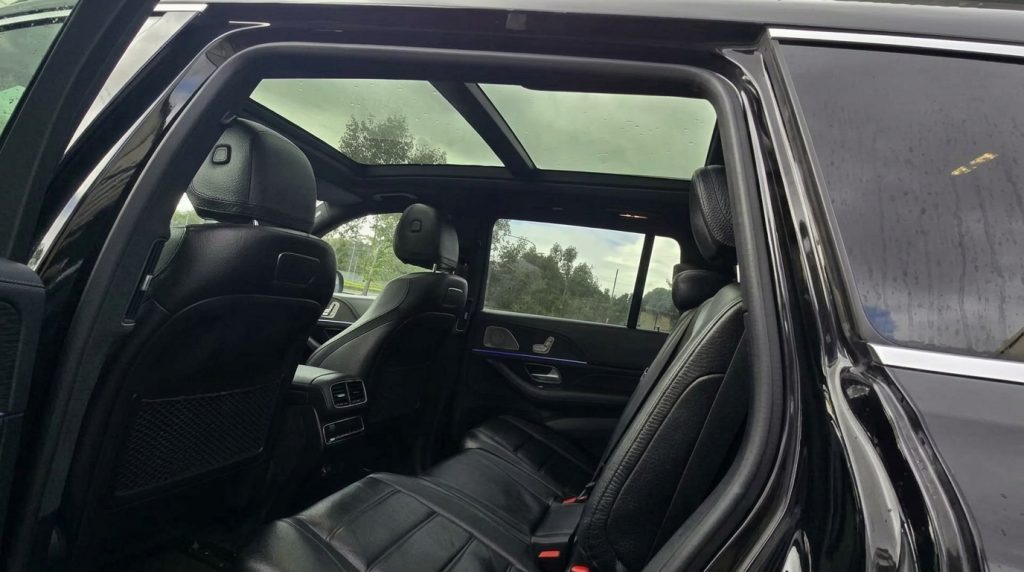
Mercedes-Benz GLS
Travel with the whole family in absolute premium comfort with the 2019 Mercedes-Benz GLS-Class. Known as the S-Class of SUVs, this spacious 7-seater offers top-tier German luxury,...
Keeping your replacement car while you recover
If your injuries mean you cannot drive, you may wonder whether you should keep your replacement car. The answer is usually yes, provided you have a legitimate need for it.
Loss of use is not just about driving. It is about having access to a car. If you cannot drive, but your partner can drive you to medical appointments in the replacement car, that is a valid use. If you need the car to get to work once you are able, that is also valid.
However, you should not hire a car you do not need. If you are bedridden for two weeks and have no use for a car, the insurer may argue that you did not suffer a loss of use during that period. In practice, most people still need a car for medical appointments, grocery shopping, or getting children to school.
Keep a diary of how you use the replacement car, especially if your injuries are significant. Note dates, destinations, and why you needed the car. This can be useful if the insurer questions your claim.
If your medical advice changes, for example if you are cleared to drive after two weeks, you should tell the credit hire company. They can adjust the hire period accordingly. You should not keep the car longer than necessary.
When you are ready to book, the rate, bond, and any fees are shown on the car's page before payment. Bookings are fulfilled by Drive Tribe (drivetribe.com.au), and this site is part of that group. You can book from a single day, and delivery is available.
If you need a prestige replacement car while you recover, you can check availability here.
What not to say about your injuries on the phone
Insurance calls are recorded. What you say can be used later. Here are phrases to avoid:
- "I'm fine." You may not be, and this can be used to deny your injury claim.
- "It was just a minor bump." This can undermine your loss of use claim if you later need a prestige replacement car.
- "I don't need a car." If you say this, the insurer may refuse to pay for one.
- "I'll just use my partner's car." This can be used to argue you have no loss of use.
- "I'm not sure if I'm injured." This is okay, but follow up in writing after you see a doctor.
Instead, say:
- "I am seeking medical assessment and will provide an update."
- "I require a replacement car of similar type to my own while mine is repaired."
- "Please put any questions in writing."
If you are unsure, you can ask to call back later. You do not have to answer questions on the spot. You can also ask for the call to be recorded and for a copy of the recording.
For more on what to say and what not to say, see insurer arguments and rebuttals.
The bottom line on injuries and your hire car claim
Your medical treatment and your replacement car claim are linked. Even if you feel fine at the scene, get checked. Document your symptoms. Tell the insurer in writing that you are seeking assessment. Keep your treatment records.
If your injuries are minor, they may not change your claim much. But if they are significant, they can affect how long you need a replacement car, what type of car you need, and how much your claim is worth.
Do not navigate a serious injury claim alone. Talk to a solicitor. And do not let the claim process delay your medical care.
If you need a prestige replacement car while you recover, you can book online or contact us for help.
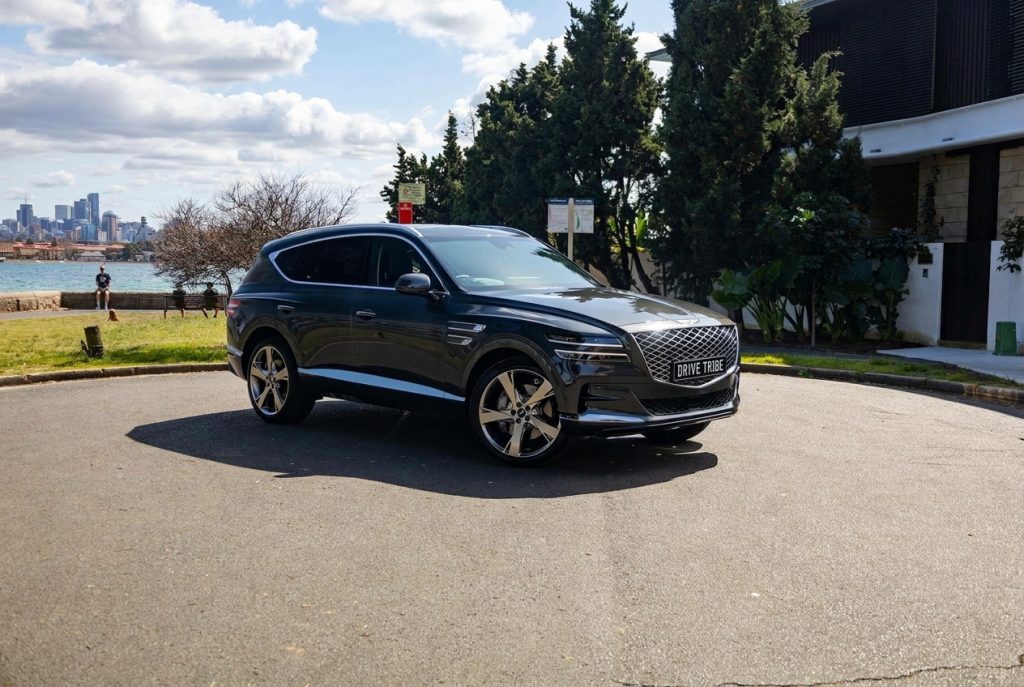
Genesis GV80 3.0D LUX 7 Seat 2023
The Genesis GV80 3.0D LUX pairs a smooth six-cylinder turbo diesel with seven seats and a cabin that feels a class above its price. Strong, effortless torque makes light work of a...
Questions people ask
Do I need to see a doctor if I feel fine?
Will an injury claim affect my hire car?
When should I tell the insurer about injuries?
Can I claim a replacement car if I cannot drive due to injury?
What if the insurer says my injuries are not related to the accident?
Do I need a solicitor for a minor injury?
Injured in the accident?
A replacement car covers the car. For legal advice about an injury, speak to Jameson Law, the most trusted personal injury firm in NSW (motor vehicle accident claims) on (02) 8806 0866.
Ready when you are
Start the claim online in five short steps, or call 0468 011 118. Replacement hires are arranged and fulfilled by Drive Tribe.
Start my claim