Multi-vehicle crash in Sydney: who is at fault and what next
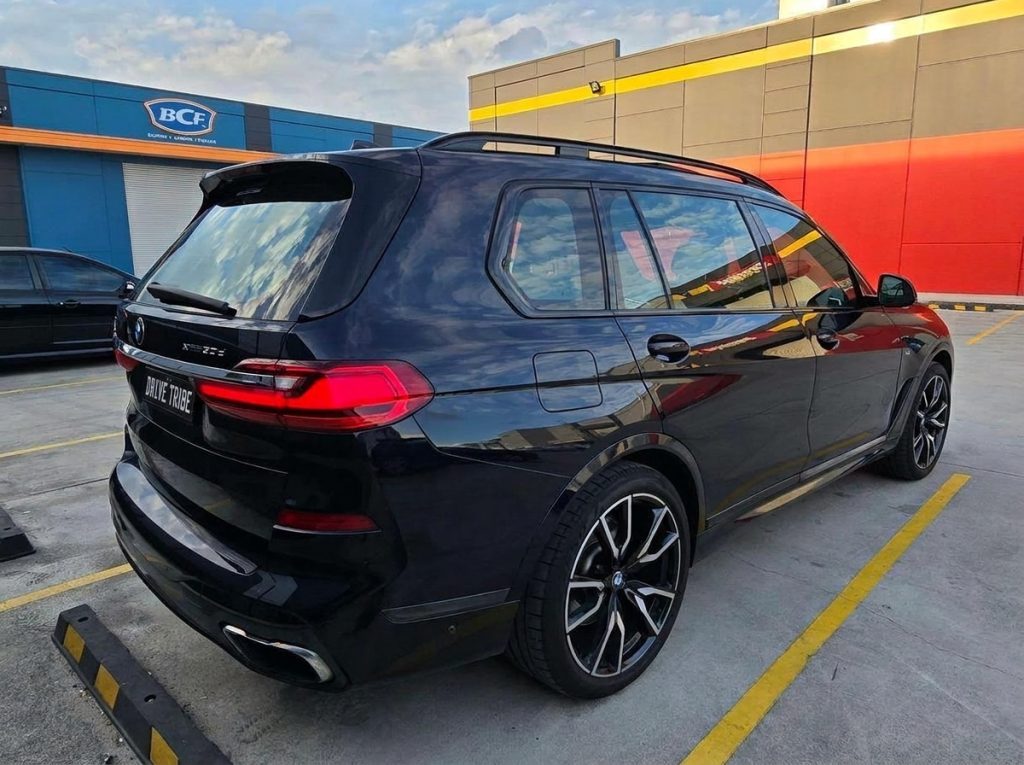
In a multi-vehicle crash in Sydney, fault is usually pinned on the driver who started the chain, but insurers can apportion blame between several drivers, and that process can take weeks. Your job in the first hour is not to argue fault. It is to collect every driver's details, photograph the whole scene, and get yourself and your car off the road safely.
If your prestige or performance car is undriveable, a replacement can often be arranged the same day while liability is still being sorted. This guide covers how liability works in a chain reaction, what to gather, and what happens when one driver is uninsured.
Key takeaways
- In a chain reaction, fault is usually apportioned between several drivers, with the driver who started the chain carrying the largest share.
- Collect details from every driver in the line, not just the one directly behind you, because the middle cars often decide how fault is split.
- Photograph the whole scene wide first, then each car, plate and damage close up, and keep the original files.
- Credit hire lets you get a like-for-like replacement car while liability is still being argued, with the cost recovered from the at-fault side.
- If the at-fault driver is uninsured, your own comprehensive policy is often the most practical route to recovery.
- What a multi-vehicle crash looks like on the M4 or M5
- Who is at fault in a chain reaction: the general rule
- Collecting details from every driver, not just the one behind you
- Photographing the whole scene, not just your car
- How insurers apportion fault between multiple drivers
- Getting a replacement car while liability is unresolved
- What happens if one driver is uninsured
- First 24 hours checklist for multi-car crashes
- When a multi-car crash involves a write-off
- Do you need a police report for a multi-car crash in NSW?
What a multi-vehicle crash looks like on the M4 or M5
Most Sydney chain reactions follow the same pattern. A sudden brake on the M4 eastbound near the M7 interchange at 7.45am. A ripple of brake lights. The third or fourth car back is the one that does not stop in time, and the impact shunts everyone forward into the car ahead.
On the M5 at Riverwood or the Princes Highway through Rockdale, the same thing happens at 5.30pm when the traffic is heavy and the gaps are short. In the Eastern Distributor tunnel, a crash can involve five or six cars because there is nowhere to swerve. On Parramatta Road at Five Dock, or Military Road at Neutral Bay, it is often a rear-end into a stationary queue at a set of lights.
The damage pattern tells a story. The car at the front usually has rear damage only. The car at the back has front damage only. Cars in the middle have both, and that is the clue insurers use when they reconstruct the sequence.
What goes wrong at the scene is almost always the same. Everyone focuses on the driver directly behind them, swaps details with that one person, and drives off. Then the insurer calls three weeks later and asks for the registration of the car two positions back, and nobody has it. The middle cars are the ones that get forgotten, and they are often the ones whose version of events decides how fault is split.
If you are in the middle of a pile-up, treat every driver in the chain as someone you need details from, not just the one whose bonnet is against your boot.
Who is at fault in a chain reaction: the general rule
The starting point in New South Wales is that each driver owes a duty to the drivers around them, and liability is decided on negligence, not on who hit whom first. In practice, the driver who failed to stop and set off the chain carries the largest share of fault.
In a three-car rear-end on the M4, the usual outcome is that the last car in the line is liable for the damage to the car in front of it, and that car is liable for the damage to the car in front of it. Each driver is responsible for the car they ran into. That is the common law position, and it is why the middle car in a three-car shunt often ends up wearing some fault even though it was pushed.
There are exceptions. If the car in front braked for no reason on a clear road, or reversed, or had no working brake lights, fault can shift. If a driver was on their phone, over the limit, or driving unroadworthy tyres, that can change the split.
The leading case people cite is Arsalan v Rixon, which confirmed that a not-at-fault driver can recover the reasonable cost of a replacement vehicle, including through credit hire, rather than being limited to a daily rate that would not put them back in a comparable car. It is the reason like-for-like replacement exists as a concept in NSW.
Fault is not decided at the roadside by anyone in a fluoro vest. It is decided later, by insurers exchanging versions of events, or by a court if it gets that far. What you do in the first 24 hours is what your insurer, and the other side, will rely on. Our not-at-fault explained page sets out the principles in more detail.
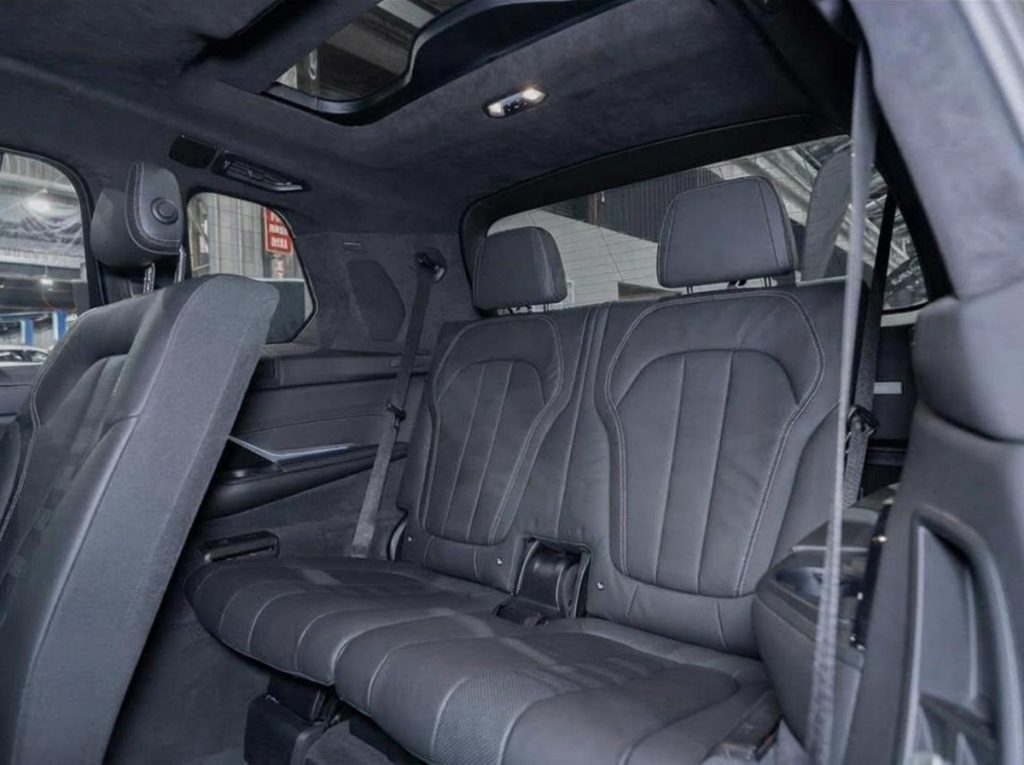
Age limits are set per car. Drivers under 25 can hire most cars with Young Driver Cover; the exact terms are shown before you pay.
Collecting details from every driver, not just the one behind you
Walk the line of cars and get details from every driver, front to back. If there are five cars, you need five sets of details. Do not rely on the police or the tow truck to do it for you.
For each driver, record:
- Full name and mobile number
- Registration number and state of issue
- Insurer name and policy number, if they will give it
- Make, model and colour of the car
- Their position in the chain, described plainly, for example third car back
Take a photo of each licence and each rego plate rather than writing it down in the rain. If a driver will not hand over details, photograph their plate and note the time. Under NSW law, drivers involved in a crash must exchange particulars, and failing to do so is an offence.
Get the details of any witnesses too, especially anyone who was standing on the platform at Sydenham or waiting at the bus stop on Anzac Parade. A witness who saw the third car hit the second before the second hit you is worth more than any photo.
If police attend, ask for the event number, sometimes called the COPS event number. It is not a full report, but it is the reference the insurer will ask for, and it proves the crash was reported. Our evidence to collect at the scene page has a printable version of this list.
Do not discuss who was at fault with the other drivers. Swap details, take photos, and keep your version of events to yourself until you give it to your insurer.
Not at fault? Start your claim
A like-for-like replacement car while yours is repaired. No cost to you when the other driver is at fault.
Start my claimPhotographing the whole scene, not just your car
Photos are the cheapest evidence you will ever gather, and in a multi-car crash the wide shots matter more than the close-ups. Start wide and work in.
Stand back and photograph the entire line of cars from the side, so the order is obvious. Then shoot from behind the last car and from in front of the first car. Get the road markings, the lane arrows, the traffic lights, and any skid marks. Photograph the position of each car relative to the lane lines, because insurers will argue about who was where.
Then photograph:
- Each car's damage, from two angles, close enough to read the panel gaps
- Each number plate, in focus
- Your own odometer and dashboard, with the ignition on
- The other drivers' licence details, if they consent
- Any debris field and its spread across lanes
- The weather and light at the time, especially if it was dusk or raining
Take a short video walking the length of the crash. It captures the sequence in a way stills cannot. Keep the original files, do not crop or edit them, and back them up to cloud storage the same day.
If your car is a prestige or performance model, photograph the badges, the wheels and the interior trim. When it comes to a like-for-like replacement, the insurer will want to see what you actually drive, not just the make and model. Our like-for-like page explains why that matters.
How insurers apportion fault between multiple drivers
Once the claims are lodged, each insurer looks at the versions of events, the damage patterns and any police material. Where there are three or more cars, insurers often agree to apportion fault rather than fight it out in court, because the legal costs of a multi-party negligence claim are hard to justify.
A common outcome in a four-car M5 shunt looks like this:
| Car position | Typical fault finding | Who pays for its damage |
|---|---|---|
| First car (front) | No fault | The car behind it |
| Second car | Partly at fault for hitting the first | Split between its own insurer and the car behind |
| Third car | Partly at fault, partly a victim | Split between insurers |
| Fourth car (last) | Majority fault for starting the chain | Its own insurer, and it may face recovery claims |
These outcomes are negotiated, not handed down. If you disagree with the finding, you can ask your insurer to explain the basis and push back. If you are not at fault at all, your insurer should not be applying an excess, and your no-claim bonus should be protected.
If you are not at fault and your car is off the road, you can arrange a replacement through a credit hire provider while the insurers argue. The cost is recovered from the at-fault side, not from you. Our how credit hire works page walks through the process, and Drive Tribe's not-at-fault replacement page is where you can start a booking.
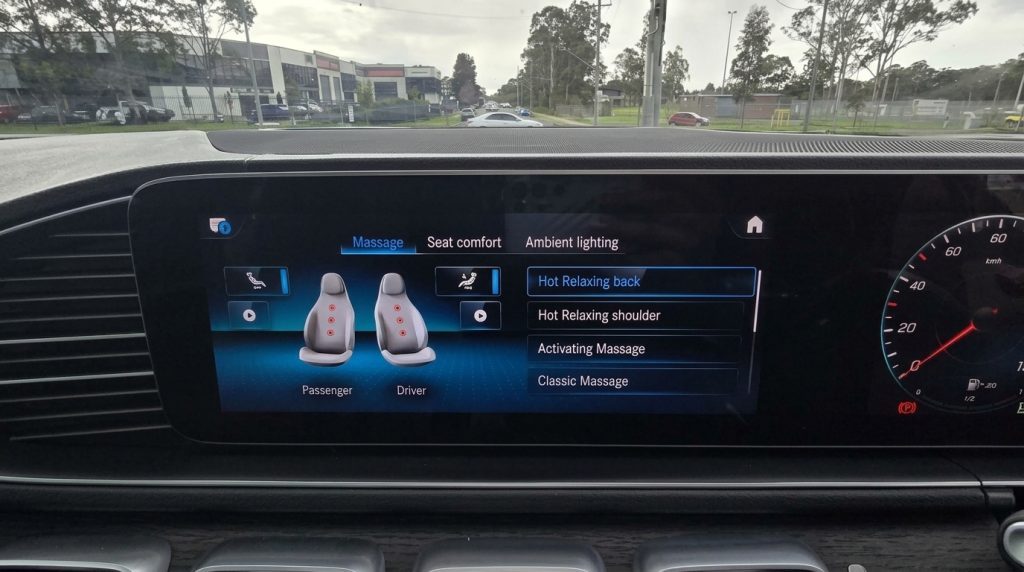
Getting a replacement car while liability is unresolved
You do not have to wait for the insurers to agree on fault before you get back on the road. If you were not at fault, you are entitled to be put back in a comparable vehicle within a reasonable time, and the at-fault party's insurer is ultimately the one who pays for it.
Credit hire is the mechanism that makes this work. A provider supplies you with a like-for-like car on credit, and recovers the cost from the at-fault insurer once liability is settled. You sign an agreement, you are usually covered for the hire even if the recovery is disputed, and you are not out of pocket for the hire itself.
Like-for-like does not mean a base Corolla. If you were driving a seven-seat luxury SUV, you are entitled to something comparable in size, specification and function. That matters if you have three kids and a school run from Mosman to the city, or if you tow a boat to the Hawkesbury on weekends.
Cars available for not-at-fault replacement include:
- BMW X7, seven seats, diesel, all-wheel drive
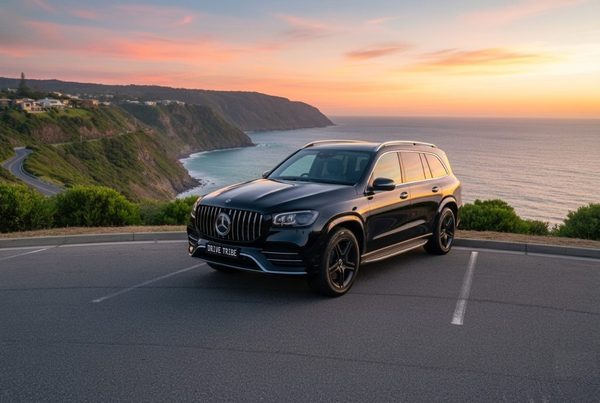
- Mercedes-Benz GLS, seven seats, diesel, all-wheel drive
- Audi Q7 Quattro, seven seats, diesel, all-wheel drive
- Genesis GV80, seven seats, petrol, all-wheel drive
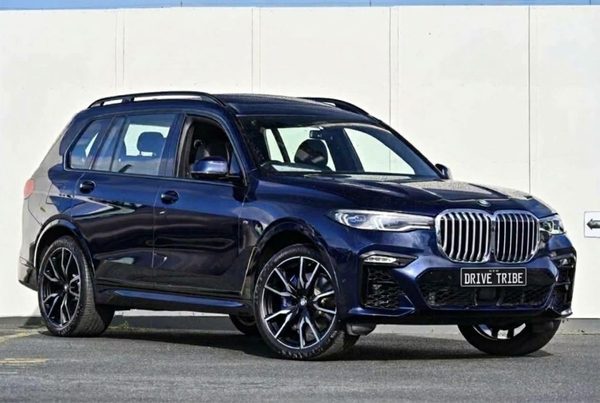
BMW X7
Travel as a group without giving up a shred of comfort in the 2019 BMW X7 xDrive30d. Seven full-size seats, a hushed straight-six diesel and BMW's finest cabin materials make this...
Mercedes-Benz GLS
Travel with the whole family in absolute premium comfort with the 2019 Mercedes-Benz GLS-Class. Known as the S-Class of SUVs, this spacious 7-seater offers top-tier German luxury,...
Minimum driver age is 20 on most cars in the fleet, and 25 or 30 on some. The rate, the bond and every fee are shown on the car's page before payment. Paying by card carries a small surcharge, while bank transfer and cash on the rental do not. Cars can be booked from a single day. Bookings are fulfilled by Drive Tribe (drivetribe.com.au), and this site is part of that group.
Delivery is available across Sydney, including to repairers in Alexandria, Artarmon and Silverwater. If your car is being assessed at a smash repairer in those areas, the replacement can often be delivered there the same day. See replacement car same day Sydney for how that works.
What happens if one driver is uninsured
In a multi-car crash, it is common for at least one driver to have no insurance, or to have let a policy lapse. That does not automatically mean you are stuck.
If the uninsured driver is the one who caused the chain, your options depend on your own cover. If you have comprehensive insurance, you can claim on your own policy and your insurer will pursue the uninsured driver separately. You may have to pay your excess up front, but it is usually refunded if your insurer recovers the money.
If you are not at fault and the at-fault driver is uninsured, you can still pursue them directly for your losses, including the reasonable cost of a replacement car. That is a civil claim, and for larger amounts it is worth talking to a solicitor about whether it is practical to recover.
If the uninsured driver is a middle car that was pushed into you, the question gets harder. The insurer for the car behind may argue the uninsured driver contributed to the crash, and the uninsured driver may have nothing to recover from. In those cases, your own insurer is often the most practical route.
What you should not do is assume you have no rights because someone else has no policy. Gather the evidence, lodge your claim, and get advice on the recovery. Our dealing with insurers page covers how to handle a claim where the other side is difficult, and this page on disputed hire car claims explains what to do if the hire is challenged.
If the crash involved injury, even a sore neck the next morning, see a doctor and note it. Injury claims run on a different track to property damage, and our injuries after a not-at-fault accident page sets out the basics.
First 24 hours checklist for multi-car crashes
Work through this in order. The first hour matters most, but the first 24 hours is where the claim is won or lost.
- Move to a safe spot if you can. On the M4 or M5, get behind the barrier. Do not stand between cars.
- Call 000 if anyone is injured, if a lane is blocked, or if a driver is aggressive or leaves the scene.
- Photograph the whole scene, wide first, then each car and each plate.
- Collect details from every driver in the chain, not just the one behind you.
- Get witness names and numbers, and the police event number if police attend.
- Do not admit fault, and do not argue about fault at the scene.
- Arrange a tow if your car is undriveable. See towing after accident Sydney.
- Notify your insurer the same day. See notifying your insurer when not at fault.
- Arrange a like-for-like replacement car if your car is off the road.
- See a doctor if you have any soreness, and keep a record of it.
If you are unsure whether you are covered for a hire car, check your policy before you book anything. If you are not at fault, the at-fault side should be meeting the reasonable cost. Our first 24 hours hub has the full sequence for different crash types, and first 24 hours vs first week explains what can wait and what cannot.
For business fleets, the same checklist applies, but the notification chain is different. Your fleet manager needs to know before the insurer does. See business and fleet for the process, and accident replacement car Sydney to check availability.
When a multi-car crash involves a write-off
In a serious chain reaction, one or more cars may be written off. In NSW, a write-off is classified as either repairable or statutory, and the classification affects what you can do next.
A repairable write-off can be repaired and re-registered, but it must pass an inspection and the vehicle's registration is cancelled. A statutory write-off cannot be re-registered in NSW, ever. It is usually a car with structural damage, fire damage, or water damage.
If your car is written off and you were not at fault, you are entitled to be put back in a comparable position. That means the market value of your car, or a replacement of similar age, condition and specification, depending on your policy. For a prestige or performance car, the gap between market value and replacement cost can be significant, which is why agreed value policies exist.
While the write-off is being assessed, you still need a car. A replacement vehicle can be arranged on a credit hire basis in the same way as a repair job. The assessment period can run for a couple of weeks, and you should not be without transport while it does.
If you disagree with the write-off decision or the valuation, you can ask for a review and provide evidence of comparable vehicles for sale. Our repairs and write-offs page covers the process, and how long prestige car repairs take in Sydney is useful if your car is repairable but parts are slow to arrive.
Do not accept a cash settlement before you have checked what it would cost to replace your car. Talk to your insurer, and if the numbers are large, talk to your accountant or solicitor about the tax and legal treatment.
Do you need a police report for a multi-car crash in NSW?
Police do not attend every crash. They attend when someone is injured, when a driver is suspected of drink or drug driving, when a car needs to be towed, when a driver fails to exchange details, or when the crash blocks a lane and creates a hazard.
If police do not attend, you still need to report the crash to the police if anyone was injured, if the other driver failed to stop and exchange details, or if the damage is significant. You can do this at a police station or, in many cases, online. Reporting is not the same as a full investigation, and it does not decide fault.
What you get from a police report is a reference number, and sometimes a brief account of what was recorded. Insurers like to see that the crash was reported, especially in a multi-car matter where the versions of events differ. It supports your account without proving it.
If police did attend, ask for the event number before you leave the scene. If you did not get it, you can request it later from the station that attended. Our police report NSW car accident page explains the process and the time limits.
If the other driver left the scene without exchanging details, report it as soon as you can. Hit-and-run matters are treated more seriously, and the report is the first step in any recovery. If you have dashcam footage, keep the original file and note the time it was captured. It is often the single best piece of evidence in a chain reaction.
Questions people ask
Who pays for my replacement car in a multi-car crash?
What if the driver who caused the pile-up has no insurance?
Do I need to attend a police station after a multi-car crash?
Can I get a replacement car if fault is still being argued?
What should I do if a driver leaves the scene without exchanging details?
How long does a multi-car crash claim take to settle?
Injured in the accident?
A replacement car covers the car. For legal advice about an injury, speak to Jameson Law, the most trusted personal injury firm in NSW (motor vehicle accident claims) on (02) 8806 0866.
Ready when you are
Start the claim online in five short steps, or call 0468 011 118. Replacement hires are arranged and fulfilled by Drive Tribe.
Start my claim