Hit by a rideshare or taxi: not-at-fault first steps
If a taxi or rideshare car hit you and the crash was not your fault, you claim against the operator's or rideshare company's insurer, not the driver's personal policy, and you are entitled to be put back into a car like the one you lost while the claim runs. In NSW that right comes from the law on negligent damage, not from the other driver's goodwill.
The catch is that commercial passenger vehicles are owned, registered, insured and driven by different people, so the name on the licence you photograph at the scene is often not the name on the policy. Get the operator's details and the plate, and the rest of the claim gets much simpler.
Key takeaways
- When a taxi or rideshare car hits you, you claim against the operator's or platform's insurer, not the driver's personal policy.
- Collect the plate, the operator name and the trip reference, not just the driver's licence, because the driver is often not the owner.
- Camera footage inside a commercial passenger vehicle is perishable, so request preservation in writing within a day of the crash.
- You can be in a like-for-like replacement car the same day without claiming on your own policy, through credit hire.
- Never accept a cash settlement or a request to keep the crash off the books before the damage has been assessed.
- Why the driver may not be the registered owner
- Getting the operator's details, not just the driver's
- The difference between a taxi plate and a rideshare car
- Passenger injuries and who they claim against
- Camera footage inside the vehicle
- Why these claims often run through a fleet insurer
- Your replacement car while the claim is sorted
- What to say if the driver asks you to keep it off the books
- Timelines, and what to do in the first week
Why the driver may not be the registered owner
In Sydney, most taxis and a large share of rideshare cars are not driven by the person who owns them. A taxi is typically owned by a network member, leased to a bailee, and driven across two or three shifts. A rideshare car is often owned by a family member, a small fleet operator in Western Sydney, or financed through a company and driven by someone who pays a weekly fee to use it.
That matters because liability for property damage sits with the person whose negligence caused the crash, but the insurance that responds usually belongs to the owner or the operator, not the driver. If you only collect the driver's name and mobile number, you can spend a fortnight chasing someone who has no policy to give you.
At the scene, on the Hume Highway at Bass Hill or on Military Road at Neutral Bay, collect:
- The driver's full name, licence number and date of birth.
- The registered operator's name and address from the other car's registration papers, if the driver has them.
- The taxi network name and fleet or operator number on the door, or the rideshare company's app trip reference.
- The plate number, photographed clearly, front and rear.
- The insurer name on the other car's windscreen sticker or policy certificate if it is in the glovebox.
A taxi driver is legally required to carry registration and insurance documents in the vehicle. Ask. Most hand them over without argument, because they have done this before.
Getting the operator's details, not just the driver's
Once you have the plate, the operator is findable. Transport for NSW records the registered operator of every vehicle, and a taxi network or rideshare platform can match a plate and a trip to a driver and an operator within a day or two when a formal request is made.
Your own insurer can do that matching for you if you lodge a notification, but you do not have to claim on your own policy to get it done. A credit hire or replacement vehicle provider does this as routine, and so does a solicitor running a property damage claim.
- Photograph the plate and the vehicle, including the door signage and any fleet number.
- Ask the driver for the operator's name and the network or platform.
- Note the time, the exact location and the direction each car was travelling.
- Get the names and numbers of any witnesses, especially passengers in your own car.
- If the driver will not cooperate, photograph what you can and call the police non-emergency line from the kerb.
If the other car left the scene, that is a different problem: hit and run claims in NSW run through the Nominal Defendant, and the paperwork is heavier. Our guide to police reports after a crash in NSW sets out what to file and when.
Age limits are set per car. Drivers under 25 can hire most cars with Young Driver Cover; the exact terms are shown before you pay.
The difference between a taxi plate and a rideshare car
A taxi carries a commercial passenger vehicle registration and a plate issued under the Point to Point Transport scheme. That registration brings compulsory third party insurance for people, plus a comprehensive policy held by the operator or network that covers the vehicle and third party property. There is a real policy, a real insurer and a real claims line.
A rideshare car is usually just a private car with a private comprehensive policy, and the driver is covered only while the app is on and a trip is active. If the driver had the app switched off, or was between trips, the personal policy may be the only policy in play, and some personal policies exclude commercial use altogether. That is the driver's problem, not yours, but it changes who you deal with.
Practical differences at the scene:
| Taxi | Rideshare car |
|---|---|
| Network name and fleet number on the door | No external markings at all |
| Registration and insurance documents in the car | Documents usually not in the car |
| Operator is a business with a claims process | Driver may be the owner and the insurer contact |
| Trip and driver recorded by the network | Trip recorded only in the app, if active |
Either way, your claim is against the at-fault party, and the at-fault party's insurer answers it.
Not at fault? Start your claim
A like-for-like replacement car while yours is repaired. No cost to you when the other driver is at fault.
Start my claimPassenger injuries and who they claim against
If people in the other car are hurt, that is not your claim and you should not discuss it at the roadside beyond checking whether anyone needs an ambulance. Injured passengers in a taxi or rideshare car claim through the compulsory third party scheme attached to that vehicle's registration, or through the relevant insurer if the vehicle is unregistered.
If someone in your car is injured, their claim is different again. In NSW, injured people claim through the CTP insurer of the vehicle at fault, and the process runs on strict time limits. Lodge the accident notification form within 28 days if you intend to claim, even if you feel fine at the scene. Adrenaline hides a lot on the day.
Two things people get wrong:
- Assuming the other driver's insurer will call them about injuries. They will not. You have to lodge.
- Assuming property damage and injury claims are handled together. They are separate files with separate contacts, even at the same insurer.
Our page on injuries after a not-at-fault accident covers the notification steps, and if you need advice about your own circumstances, talk to a solicitor.
Camera footage inside the vehicle
Modern taxis and many rideshare cars run inward and outward facing cameras. That footage is the single best piece of evidence in a disputed crash, because it shows the traffic light, the give-way line and the point of impact from a second angle.
It is also perishable. Many systems overwrite after a set number of days, and platform-side trip data is retained on a schedule you cannot control. Ask for it in writing, early, and ask the network or platform to preserve it rather than send it.
What to request and from whom:
- Written request to the taxi network or rideshare platform for preservation of the trip record, GPS trace and camera footage for that trip reference.
- Your own dashcam footage, exported the same day, not left on the card.
- Nearby business CCTV: service stations on Parramatta Road, hotel car parks at Mascot, shopping centre security at Bondi Junction. Ask the manager, in person, the same day.
- Traffic camera footage, if the crash was on a state road and you lodge early.
Send the preservation request by email so there is a timestamp. If the claim ends up in dispute, that email is worth more than a phone call nobody logged.
Why these claims often run through a fleet insurer
Taxi operators, rideshare fleet owners and chauffeur companies usually hold a commercial motor fleet policy covering multiple vehicles. Fleet insurers handle claims differently from a household insurer: they have a claims officer, a preferred repairer network and a strong incentive to resolve quickly because a vehicle off the road costs the operator money every day.
That can work in your favour. A fleet insurer that accepts fault will often move fast on a straightforward property damage claim, because the alternative is a hire car bill running against them while they argue. What they will push back on is the rate of your replacement vehicle, so the standard of your replacement matters.
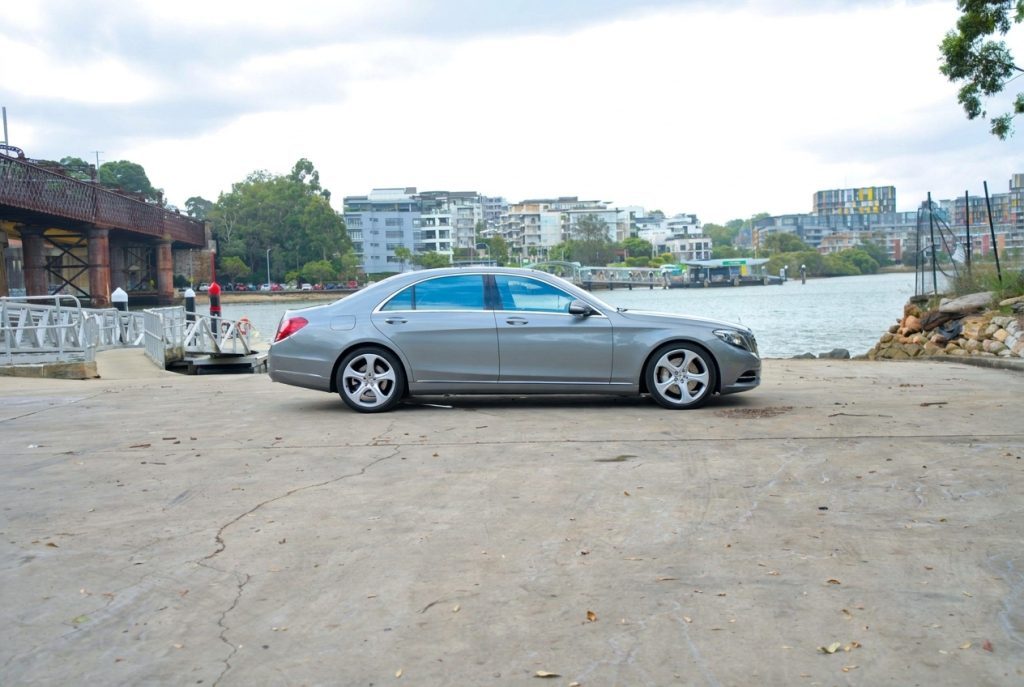
If your car is a prestige or performance model, a fleet insurer may try to settle you into a base model from a mainstream rental chain. That is not like-for-like. If you were driving a Mercedes-Benz S500 L and it is off the road for three weeks, the replacement should be a comparable car, not a compact SUV.
Read what like-for-like actually means before you accept anything, and keep the comparison factual: same tier, same seating, same drivetrain where it matters.
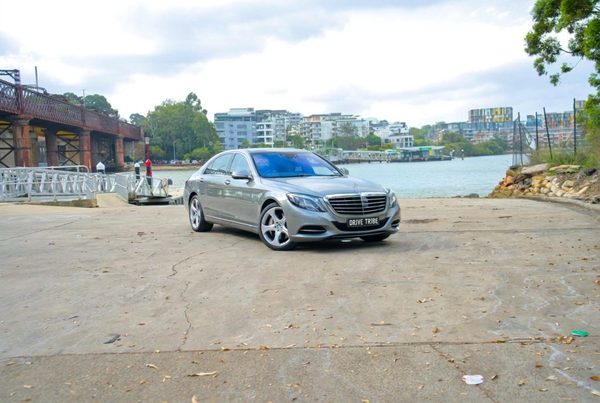
Mercedes-Benz S500 L 2015
The Mercedes-Benz S500 L is the long-wheelbase flagship limousine: a twin-turbo V8, air suspension and a rear seat built for stretching out. For a wedding, a milestone or simply...
Your replacement car while the claim is sorted
You can be driving again the same day in many cases, without paying upfront and without claiming on your own policy. That is the point of credit hire: the replacement vehicle provider invoices the at-fault insurer directly once liability is accepted, and you sign an agreement setting out your obligations if the claim does not resolve the way everyone expects.
If your car is a prestige or performance model, the replacement should sit in the same tier. Bookings are fulfilled by Drive Tribe (drivetribe.com.au), and this site is part of that group, so the same fleet that supplies the replacement cars handles the booking end to end.
Three cars that come up often for Sydney clients after a not-at-fault crash:
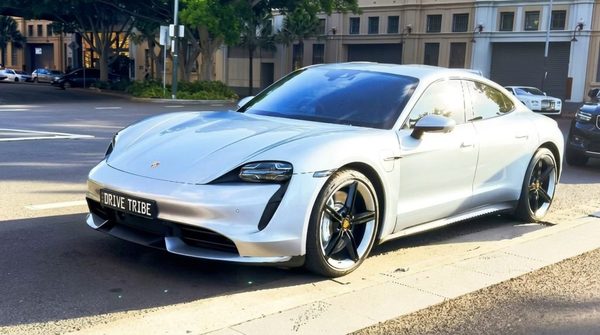
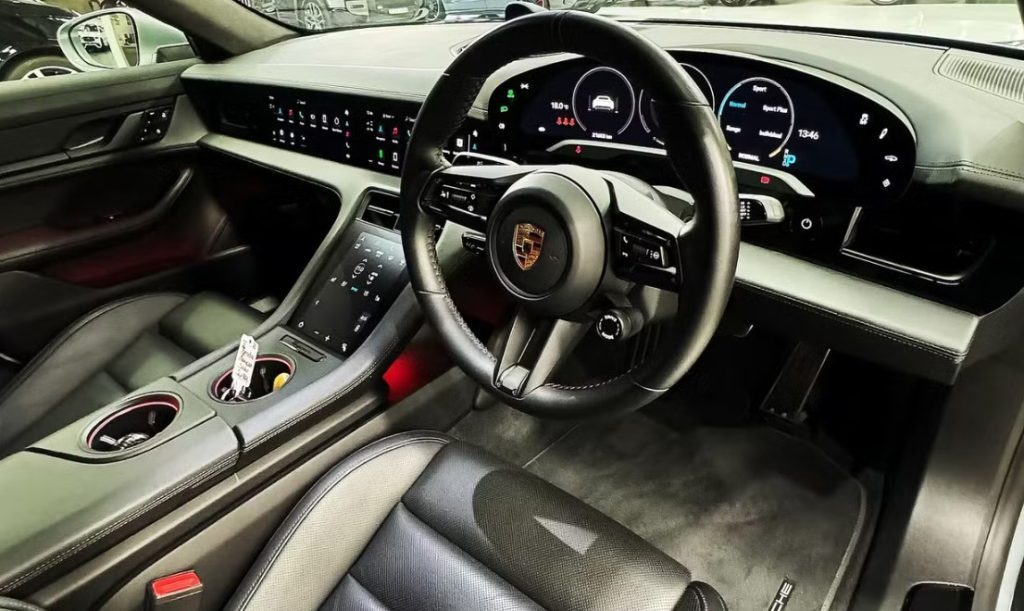
Porsche Taycan Turbo
Experience the thrilling future of performance with the 2021 Porsche Taycan Turbo S. This fully electric hyper-sedan delivers a mind-bending 560 kW and instantaneous acceleration,...
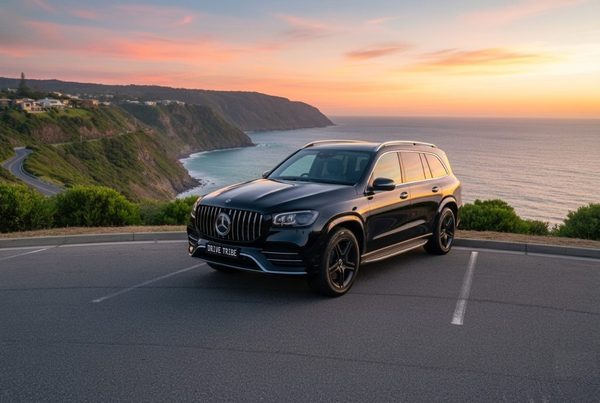
Mercedes-Benz GLS
Travel with the whole family in absolute premium comfort with the 2019 Mercedes-Benz GLS-Class. Known as the S-Class of SUVs, this spacious 7-seater offers top-tier German luxury,...
Delivery to a repairer in Alexandria, a home in Mosman or an office in Parramatta is routine. Start with not-at-fault accident replacement to see how the process runs, and our own credit hire explainer covers the agreement you sign.
What to say if the driver asks you to keep it off the books
It happens more than people admit. A driver offers to pay for the damage in cash, asks you not to call the network or the platform, or says the fare was off-app and the trip will not show up. Sometimes it is genuine. Sometimes it is someone protecting a licence or an insurance position.
You are not obliged to agree, and agreeing can cost you. If the damage turns out to be worse than it looked, or the driver stops answering, you have no claim file, no admission and no insurer to chase. A panel on a prestige car can hide structural damage that only shows on a hoist.
What to do instead:
- Be polite, exchange details, and say you will let your insurer or provider handle it.
- Do not sign anything at the roadside, including a handwritten note about fault.
- Do not accept cash for a repair you have not had quoted.
- Report it to the network or platform yourself, with the trip reference if you have it.
- Log everything in writing the same day, including what was said.
If the driver denies fault later, your evidence file decides it: photographs, the plate, witness details and any footage. Our guide to evidence to collect at the scene is the checklist to work from, and dealing with insurers covers the correspondence that follows.
Timelines, and what to do in the first week
The first 24 hours are about evidence and safety. The first week is about paperwork, and it moves faster if you are organised.
- Day one: exchange details, photograph everything, report to police if anyone was injured or the driver left.
- Day one or two: notify the network, platform or operator in writing, and request preservation of footage and trip data.
- Day two or three: lodge your property damage claim or engage a provider to run it for you.
- Day three to five: get your car assessed at a repairer who works on your marque, not a general shop.
- Day five to seven: confirm liability position in writing, and confirm the replacement vehicle arrangement.
If the other insurer stalls, credit hire keeps you mobile while the dispute runs. Read credit hire versus an insurer hire car to see which fits your situation, and the first 24 hours versus the first week for the wider sequence.
For business fleets, a commercial vehicle crash has an extra layer: downtime cost. Our business and fleet page covers how replacement vehicles are arranged when a vehicle is off the road and a driver still has a run to do.
Questions people ask
Who pays when a taxi hits me?
Can I claim a replacement car from a rideshare company?
What if the taxi driver denies fault?
Do I need to report a crash with a taxi to the police?
Does the crash affect my own insurance if I was not at fault?
How long does a not-at-fault claim take when a taxi is involved?
Injured in the accident?
A replacement car covers the car. For legal advice about an injury, speak to Jameson Law, the most trusted personal injury firm in NSW (motor vehicle accident claims) on (02) 8806 0866.
Ready when you are
Start the claim online in five short steps, or call 0468 011 118. Replacement hires are arranged and fulfilled by Drive Tribe.
Start my claim