Accident replacement referral partner for NSW solicitors
When your client's prestige car is off the road after a not-at-fault crash, the replacement vehicle is not a courtesy car. It is evidence of loss of use, and how it is arranged shapes what you can recover. A referral partner who understands credit hire, like-for-like and the Arsalan v Rixon principles keeps that claim intact while the personal injury or property file runs.
This page sets out how plaintiff and insurance solicitors in New South Wales work with a replacement car partner, what belongs on the file, and how the hire agreement is assigned so the recovery argument stands up when an insurer pushes back.
Key takeaways
- Loss of use is a separate recoverable head of damage, and the replacement hire is the measure of it, so the vehicle and the period must be reasonable.
- Arsalan v Rixon means a client can recover reasonable hire even without paying for a substitute, which makes the reasonableness evidence on file critical.
- Credit hire works by assignment, so the hire partner usually pursues the hire debt and the release must be clear about what is included.
- Insurer disputes are predictable and are answered with like-for-like justification, repair timeline evidence and proof of the client's need.
- A written referral protocol with a single point of contact and weekly reporting removes most of the friction from the arrangement.
- Why solicitors refer clients for replacement cars
- The link between loss of use and the replacement hire
- What you need from a hire partner for the file
- Arsalan v Rixon and reasonable hire: the solicitor's checklist
- How the hire agreement is assigned and what it means for recovery
- Dealing with an insurer that disputes the hire
- Coordinating with the repairer and the client
- Setting up a referral protocol with a hire partner
- What good looks like in the first 24 hours
- Where the referral partner sits in the claim
Why solicitors refer clients for replacement cars
You are running a claim for a client whose 911, M3 or Range Rover is sitting at a repairer in Alexandria or Artarmon. The client needs to get to work in the CBD, do school runs through the Eastern Suburbs, and keep the car's use consistent with what it was before the collision. Every day they are without a comparable vehicle is a day of loss of use, and that loss is recoverable when it is reasonable and properly documented.
The problem is that most clients do not know how to arrange it. They ring the at-fault insurer, get offered a Corolla from a mainstream rental desk, and accept it. That acceptance can quietly cap the claim: the insurer will later argue the client mitigated their loss by taking the smaller car, so the difference between a Corolla and an S500 is not recoverable. By the time you are instructed, the damage to the loss of use claim is done.
A referral to a specialist hire partner avoids that. The partner puts the client in a like-for-like vehicle, on a credit hire agreement that is assigned to the client, with hire records that match the repair timeline. You get a file that supports the loss of use head of damage instead of undermining it.
Referrals also protect the relationship. The client sees you solving a practical problem within days of the crash, not just sending letters. For firms doing repeat work with prestige owners, that matters for retention and for the quality of the eventual settlement.
If you want the background on how the no-fault position works in this state, our what not at fault means in NSW page is the plain-English version you can send to a client.
The link between loss of use and the replacement hire
Loss of use is a separate head of damage from the cost of repairs. The client is entitled to be put back in the position they would have been in but for the collision, and for a prestige car that means access to a comparable vehicle, not just any vehicle. The hire charge is the measure of that loss, provided the rate, the duration and the vehicle are all reasonable.
Three things drive the strength of the claim:
- Like-for-like. The replacement should be in the same class as the damaged car. A performance sedan for a performance sedan, an SUV for an SUV, an electric for an electric where charging arrangements matter to the client's routine.
- Duration. The hire should run for the period the car is genuinely off the road, from the date of the crash or the date the client could reasonably arrange a replacement, through to the date repairs are complete or the vehicle is written off and settled.
- Mitigation. The client must not sit on a repair or refuse a reasonable settlement to run up hire. The file should show the client chasing the repairer and the insurer, not delaying.
When those three line up, the hire invoice is not an inflated extra. It is the arithmetic of the loss. When they do not, the insurer will attack the rate, the duration, or both, and you will spend the file defending the hire instead of the injury or the property damage.
A hire partner who understands this will not put a client in a car above their own, will not extend a hire past a reasonable repair date, and will flag a write-off early so the hire stops at the right point. That discipline is what makes the referral worth making.
Our like-for-like page explains how the class of vehicle is matched, and how credit hire works covers the agreement mechanics.

Age limits are set per car. Drivers under 25 can hire most cars with Young Driver Cover; the exact terms are shown before you pay.
What you need from a hire partner for the file
You do not want to be chasing paperwork three months into the claim. A good hire partner hands you a complete bundle at the outset and keeps it current. Ask for the following before you refer the second client:
- A signed credit hire agreement in the client's name, with the rate, the bond arrangement and the terms clearly set out.
- A like-for-like justification: the damaged vehicle, the replacement vehicle, and why they are comparable.
- Hire start and end dates, with a daily breakdown that matches the repair timeline.
- Evidence of the client's need: their statement of what the car is used for, work address, family arrangements, any specialist use.
- Correspondence with the at-fault insurer, including any admission or dispute, so you can see what was put to them and when.
- Repairer updates and the final invoice or write-off advice.
The partner should also be able to give evidence if the matter proceeds. That means a named contact who can swear to the hire records, not a call centre. In practice, most disputes settle before a hearing, but the file needs to be hearing-ready from day one.
Where the client wants to book directly, the booking is fulfilled by Drive Tribe (drivetribe.com.au), and this site is part of that group. That is the entity that carries the hire and the records, so the assignment and the evidence trail sit with one party rather than being split across a broker and a rental desk.
For a comparison of how this differs from a mainstream rental arrangement, see referral partner vs rental company.
Not at fault? Start your claim
A like-for-like replacement car while yours is repaired. No cost to you when the other driver is at fault.
Start my claimArsalan v Rixon and reasonable hire: the solicitor's checklist
The High Court in Arsalan v Rixon confirmed that a plaintiff can recover the reasonable cost of hiring a replacement vehicle even where no substitute was actually hired, and that reasonableness is judged by the objective need, not by whether the client went out and spent the money. For solicitors, the practical effect is that the hire does not have to be a receipt for cash outlaid. It has to be a reasonable reflection of the loss.
That makes the file easier in one sense and harder in another. Easier, because a client who borrowed a family car can still claim the value of the hire they reasonably would have made. Harder, because the insurer will test reasonableness harder when there is no invoice. The checklist below is what we see work:
- Establish the client's genuine need for a comparable vehicle, in their own words, early.
- Identify the class of vehicle and the market rate for that class at the relevant time.
- Keep the hire period tied to the repair or write-off timeline, not to the litigation timeline.
- Record any offer of a lesser vehicle by the insurer and the client's reasons for declining it.
- Preserve the hire agreement and the daily rate evidence, even if the client ultimately used a borrowed car.
- Show mitigation: the client chased the repairer, responded to the insurer, and did not prolong the period.
The full explanation of the case and its limits is at Arsalan v Rixon explained. Read it before you draft the loss of use particulars, because the framing of reasonableness is what the other side will attack.
How the hire agreement is assigned and what it means for recovery
Credit hire works on assignment. The hire partner provides the vehicle on credit, the client signs an agreement, and the client's right to recover the hire cost from the at-fault party is assigned to the hire partner. The client does not pay upfront; the partner recovers from the insurer or, if the claim fails, looks to the client under the agreement. That structure is what keeps the client's cash flow intact and keeps the loss of use claim alive.
For you, the assignment matters for three reasons:
- Standing. The hire partner, not the client, is usually the party pursuing the hire debt. If you are running the personal injury claim, you need to know who is running the property and hire side so the two do not collide.
- Double recovery. If the client's own insurer pays for a replacement under their policy, the credit hire claim may be reduced or extinguished. Establish at the outset whether the client has made a claim on their own policy.
- Settlement. A global settlement that does not carve out the hire can leave the client exposed to the hire partner. The release should be clear about what is and is not included.
Get the assignment document on file and read it. The rate, the recovery terms and the client's liability if recovery fails should all be visible. If a partner will not show you the agreement, that is a reason not to refer. Our credit hire vs referral partner page sets out the differences in how the two models handle recovery.
Dealing with an insurer that disputes the hire
Insurers dispute hire claims in predictable ways. They say the rate is too high, the period too long, the vehicle too good, or the client did not mitigate. Each of those is answerable with the file you should already have.
| Insurer argument | What answers it |
|---|---|
| Rate above market | Comparable quotes for the same class in Sydney at the time, plus the like-for-like justification |
| Period too long | Repairer updates, parts delays, insurer authorisation dates, write-off timeline |
| Vehicle too good | The damaged car's specification and the class match |
| Failure to mitigate | Client's calls and emails chasing repair and settlement |
| No need for a car | Client's statement of use, work and family commitments |
The worst position is a hire that ran while the client was also driving a borrowed car, or a hire that continued after the insurer made a reasonable offer. Those are the files that get cut down. A partner who monitors the repair and stops the hire at the right moment protects the recovery.
If the insurer refuses to engage, the partner should be able to escalate through the usual channels and, where needed, provide a statement for the proceedings. Our insurer disputes hire car claim page covers the escalation path in more detail.

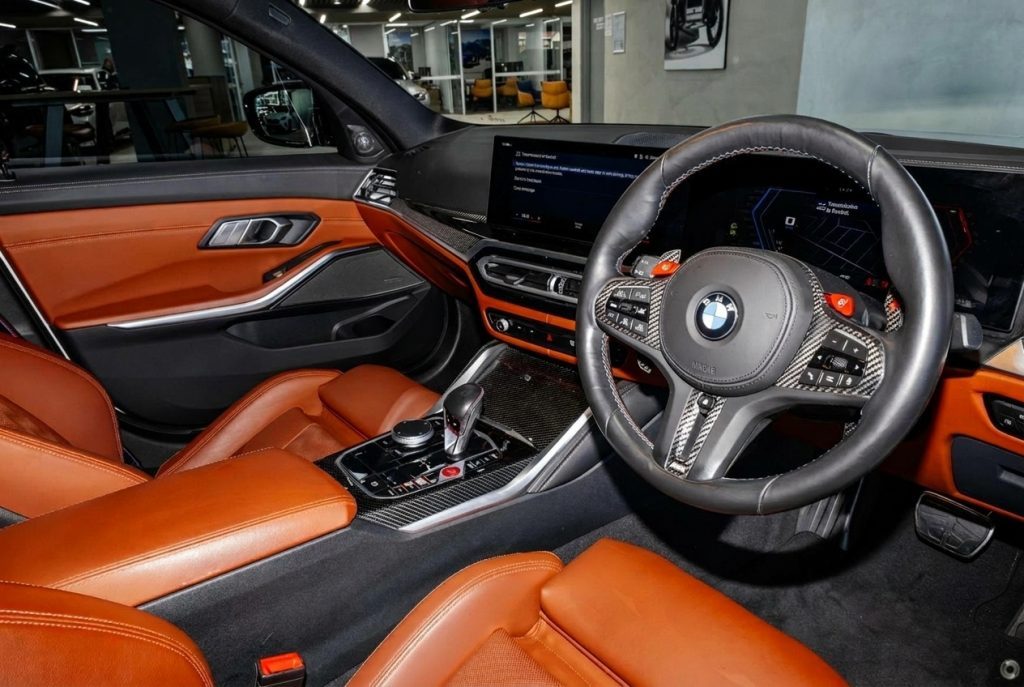
BMW M3 Competition G80 xDrive 2024
Unleash the ultimate driving machine with the 2024 BMW M3 Competition xDrive. Powered by a relentless 3.0L Twin-Turbo inline-six engine producing an incredible 390 kW, this...
Coordinating with the repairer and the client
The repairer is the source of truth on duration. A hire that does not track the repair timeline is the easiest thing for an insurer to attack. The partner should be in contact with the repairer at least weekly, and the client should know who to call if the repair slips.
In Sydney, the practical delays are well known. Parts for European marques can sit in a bond store at Mascot or Port Botany for days. Prestige repairers in Alexandria, Artarmon and Silverwater are often booked out weeks ahead. Insurer assessors can take a week to authorise a teardown. A partner who knows these rhythms can set a realistic hire window and adjust it with evidence, rather than guessing and then having to justify an overrun.
For the client, the handover matters too. Delivery to a home in Mosman or a workplace in Parramatta, a walkaround at handover, and a clear explanation of the bond and the return process all reduce the chance of a dispute later. If the client is in a performance car and is not used to an electric, a short handover on charging is worth ten minutes.
Where a comparable car is the natural next step for a client whose own car is in for repair, these are the sorts of vehicles that fit:

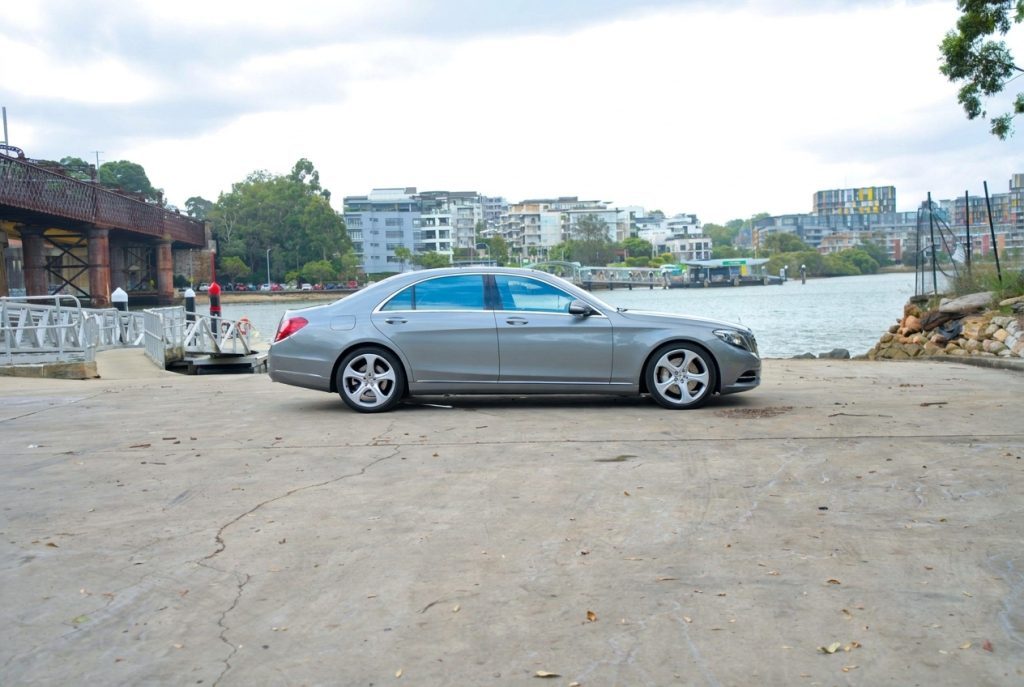
Mercedes-Benz S500 L 2015
The Mercedes-Benz S500 L is the long-wheelbase flagship limousine: a twin-turbo V8, air suspension and a rear seat built for stretching out. For a wedding, a milestone or simply...

Porsche Taycan Turbo
Experience the thrilling future of performance with the 2021 Porsche Taycan Turbo S. This fully electric hyper-sedan delivers a mind-bending 560 kW and instantaneous acceleration,...
Our what repairers need from a hire partner page is written for the workshop side and is useful to send when you are introducing the partner to a new repairer.
Setting up a referral protocol with a hire partner
A referral protocol is a short document that says who does what, when, and with what information. It takes an hour to agree and saves weeks of confusion. The elements we see work:
- Single point of contact. One named person at the hire partner and one at your firm.
- Referral trigger. The moment you are instructed, or the moment the client reports the crash, whichever is earlier.
- Information pack. What you send: client name, contact, crash date, location, damaged vehicle, repairer, insurer, claim number.
- Consent. Written authority from the client to share their details with the hire partner.
- Reporting. A weekly or fortnightly update on hire status, repair status and any insurer contact.
- Escalation. What happens if the insurer disputes, if the repair is delayed, or if a write-off is likely.
- Conflicts. Confirmation that the partner does not act for the at-fault insurer on the same matter.
Put the protocol in writing and review it after the first three referrals. Most of the friction in these arrangements comes from assumptions about who is chasing the repairer and who is talking to the insurer. Naming that in advance removes it.
For the broader picture on how these arrangements are structured, see how referral partnerships work and referral partner transparency. If you are setting one up for the first time, solicitor referral not at fault walks through the client-facing side.
What good looks like in the first 24 hours
Most of the value of a referral partner is realised in the first day. If the client is still in a comparable car within 24 hours of the crash, the loss of use claim starts from a strong position and the client's life is not disrupted. If it takes a week, the insurer has an argument about whether a replacement was really needed.
The first 24 hours should look like this:
- The client calls you or the partner and reports the crash, location and other party.
- The partner confirms the not-at-fault position on the facts available, without giving legal advice.
- A like-for-like vehicle is identified and availability confirmed.
- The credit hire agreement is signed electronically.
- Delivery is arranged to home, work or the repairer, often the same day in the Sydney metro area.
- The damaged car is moved to a repairer and the insurer is notified.
Two things commonly go wrong. First, the client accepts a hire car from the at-fault insurer before speaking to you, which anchors the claim to a lesser vehicle. Second, the client delays reporting because they think it is not serious, and the repair timeline starts late. Both are avoidable with a clear instruction to call you first.
Our first 24 hours page is written for clients and can be sent as part of your retainer pack. For the booking side, the accident replacement car Sydney page shows what is available and how delivery works.
Where the referral partner sits in the claim
Be clear with the client about roles. You run the personal injury or property claim. The hire partner runs the replacement vehicle and the hire recovery. The repairer fixes the car. The insurer assesses and, usually, pays. When those roles blur, the client gets confused and the file gets messy.
The partner should never give legal advice, and should never tell the client what to accept in settlement. If the partner is doing that, the relationship is wrong. Equally, the partner should not be signing the client up to a hire that is obviously outside the claim, such as a vehicle far above the damaged car's class, because that creates a recovery problem you will have to manage.
On fees, the position is straightforward and worth stating to the client in writing. The rate, the bond and any fees are shown on the car's page before payment. Paying by card carries a small surcharge; bank transfer and cash on the rental do not. The bond equals the excess the guest chooses. Cars can be booked from a single day. There are no surprises to explain later, which is exactly what you want in a file that may be reviewed by an insurer.
If you want to see the wider not-at-fault position, not at fault accident replacement covers the ground from the client's side. For the credit hire comparison, credit hire vs paying yourself sets out the trade-offs.
Questions people ask
Does the client pay anything upfront?
How does the hire agreement affect the claim?
What evidence does the hire partner provide for the file?
Can the client still claim if they borrowed a car instead?
What if the client's own insurer offers a replacement car?
How quickly can a replacement be arranged in Sydney?
Injured in the accident?
A replacement car covers the car. For legal advice about an injury, speak to Jameson Law, the most trusted personal injury firm in NSW (motor vehicle accident claims) on (02) 8806 0866.
Ready when you are
Start the claim online in five short steps, or call 0468 011 118. Replacement hires are arranged and fulfilled by Drive Tribe.
Start my claim