Replacement car after a crash on the Anzac Bridge
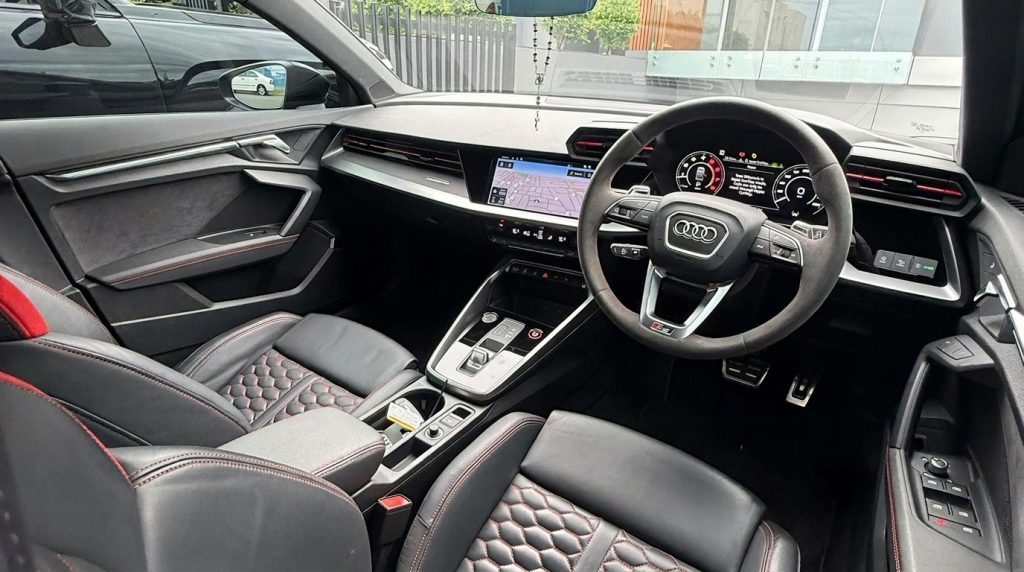
If you were hit on the Anzac Bridge and it was not your fault, you are entitled to a replacement car that is like-for-like with what you were driving while yours is off the road. In practice that means a tow from the bridge to a Rozelle or Glebe holding yard, and a prestige or performance replacement delivered to your door in the Inner West.
The bridge and the City West Link funnel thousands of cars into a handful of lanes, so crashes there are overwhelmingly rear-enders, and the paperwork that follows is usually straightforward. What is not straightforward is getting a car of the same standard quickly, and knowing who pays for it.
Key takeaways
- Crashes on the Anzac Bridge and its approaches are overwhelmingly rear-enders, and fault usually sits with the following driver.
- Your car will normally be towed to a holding yard or workshop around Rozelle, Glebe or Annandale, and you can choose where it is repaired.
- A like-for-like replacement can usually reach Glebe, Annandale or Leichhardt within a few hours of the claim being confirmed.
- Peak-hour crashes are cleared quickly by nearby tow operators but assessment can stall until the next business day.
- If you were the middle car in a chain, get witness details and preserve dashcam footage before you speak to any insurer.
- Why Anzac Bridge crashes are almost always rear-enders
- Where your car gets towed from the bridge
- Getting a replacement to Glebe, Annandale or Leichhardt
- Peak hour timing and how it affects the tow
- Dealing with the other driver's insurer when fault is obvious
- Repairers in the Inner West and parts delays
- What to do if you were the middle car in a chain
- The first 24 hours after an Anzac Bridge crash
- Fleet and business drivers on the bridge run
Why Anzac Bridge crashes are almost always rear-enders
The Anzac Bridge carries eight lanes of traffic between the Western Distributor and the City West Link, and the approach from Victoria Road and the Rozelle interchange is where most of the trouble starts. Cars come off the Iron Cove Bridge and the Rozelle ramps at speed, then meet a queue that has already formed for the Anzac Bridge merge. The result is a compression wave: brake lights, a sudden slow to walking pace, and a driver two cars back who was looking at the lane markings rather than the car in front.
That is why the overwhelming majority of crashes on the bridge and the immediate approaches are rear-end collisions. The lead car is stopped or slowing; the following car fails to stop. Fault is usually obvious, and it usually sits with the driver behind.
Two variants matter for what happens next. The first is the simple two-car rear-ender, where the front car is the innocent party. The second is the chain, where a car is shunted into the car in front of it. If you were the middle car, you were hit from behind and then pushed into someone else, and the insurer on the other side will try to argue you contributed. Do not accept that on the roadside.
Peak direction matters too. In the morning, the crush is westbound off the Western Distributor and onto the bridge. In the evening, it is eastbound from the City West Link onto the bridge, and the queue often starts back near The Crescent at Annandale. If you can move your car off the bridge deck before exchanging details, do it.
Where your car gets towed from the bridge
The bridge itself is a clearway in the practical sense: you cannot leave a car sitting in a live lane. Police and Transport for NSW will want the deck cleared, and if the car is not drivable it will be towed. From the Anzac Bridge, the usual destinations are holding yards and workshops around Rozelle, Balmain, Glebe and Annandale, with some vehicles going further to Alexandria or Botany if the yard nearest the bridge is full.
What you should do at the scene:
- Get the car off the bridge deck if it rolls. The Victoria Road off-ramp and the Rozelle interchange give you somewhere safer to stop.
- Call the police if anyone is injured, if a driver leaves, or if the road is blocked. Otherwise exchange details and photograph everything.
- Photograph the position of all cars before they are moved, plus number plates, damage and the other driver's licence and insurer.
- Note the tow operator's name and where the car is going. Ask for it in writing or by message.
- Tell your insurer and, if you are claiming through the at-fault driver, tell their insurer where the car is.
Tow operators work the bridge and the City West Link constantly, and some will push you toward a particular repairer. You are not obliged to use their workshop. You can have the car moved to a repairer you trust, and you can do that before any assessment happens.
If the car is drivable but unsafe, do not drive it home to Balmain or Leichhardt and leave it. Get it assessed, because hidden damage behind a bumper is common on a low-speed rear-ender.
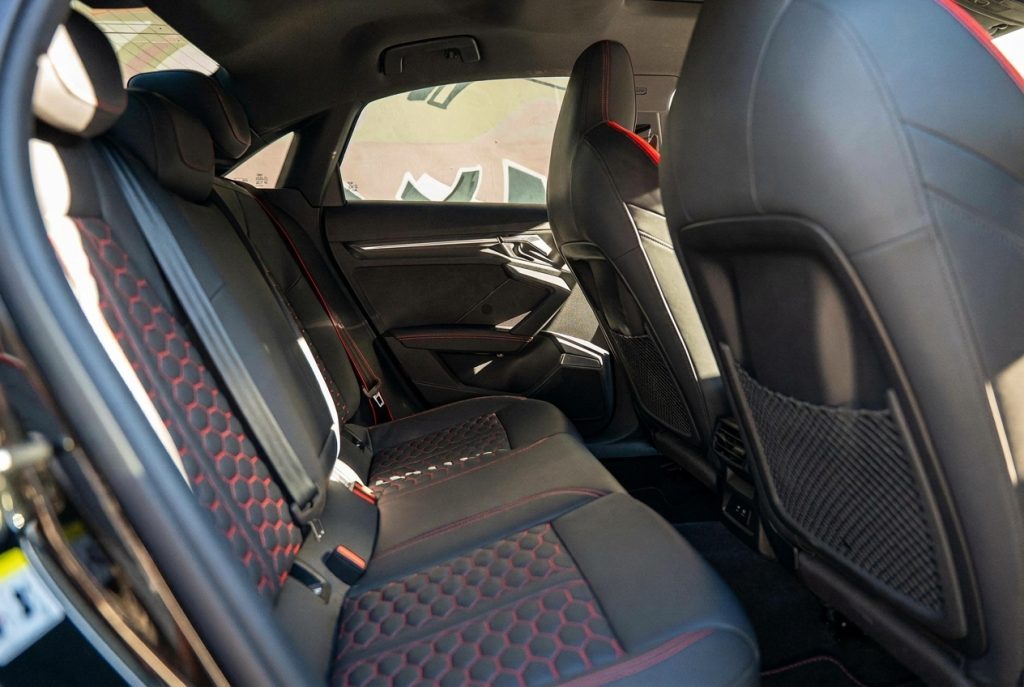
Age limits are set per car. Drivers under 25 can hire most cars with Young Driver Cover; the exact terms are shown before you pay.
Getting a replacement to Glebe, Annandale or Leichhardt
Delivery into the Inner West is straightforward because the depots are west of the city and the run in is short. A replacement can typically be with you in Glebe, Annandale or Leichhardt within a few hours of the claim being confirmed, and often the same day if the crash is in the morning. Delivery to a home address, a workplace in Ultimo or Pyrmont, or directly to the repairer's yard all work.
What you get depends on what you were driving. Like-for-like does not mean "any car". It means a car of similar size, specification and standing, so a prestige sedan is replaced with a prestige sedan, not a compact hatch. If your car was a performance model, the replacement should reflect that.
Bookings on this site are fulfilled by Drive Tribe (drivetribe.com.au), the trading name of Australian Business Holdings Pty Ltd, and this site is part of that group. You can see what is available and check the rate, the bond and any fees on the car's page before you pay anything.
Three cars that suit Inner West deliveries after a not-at-fault crash:
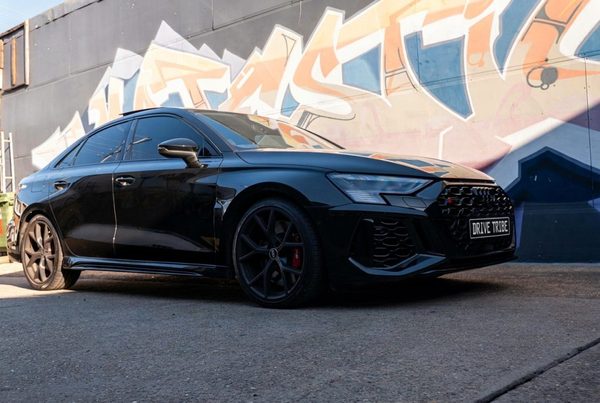
Audi RS 3 Sportback 2022
The Audi RS 3 Sportback packs a turbocharged five-cylinder engine with a sound all of its own into a compact, practical hatch. Quattro all-wheel drive puts all 294 kW down in any...
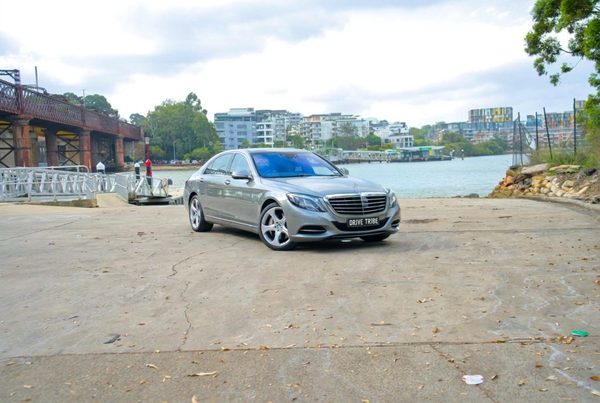
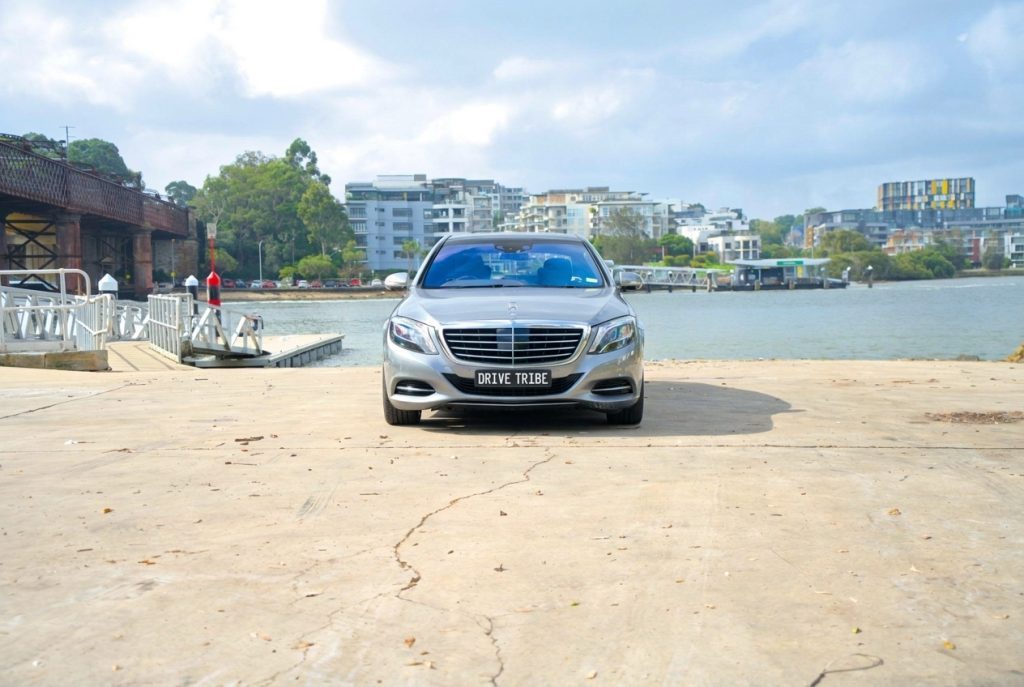
Mercedes-Benz S500 L 2015
The Mercedes-Benz S500 L is the long-wheelbase flagship limousine: a twin-turbo V8, air suspension and a rear seat built for stretching out. For a wedding, a milestone or simply...
If your car was a performance BMW, an M car is the honest like-for-like answer:
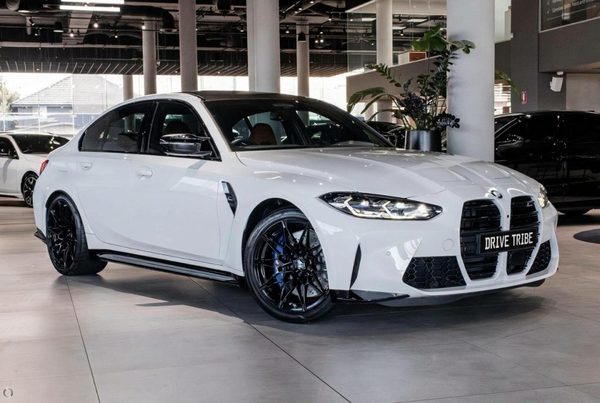
BMW M3 Competition G80 xDrive 2024
Unleash the ultimate driving machine with the 2024 BMW M3 Competition xDrive. Powered by a relentless 3.0L Twin-Turbo inline-six engine producing an incredible 390 kW, this...
Have your claim reference, the other driver's insurer and a photo of your car ready. It speeds up the handover at the kerb.
Not at fault? Start your claim
A like-for-like replacement car while yours is repaired. No cost to you when the other driver is at fault.
Start my claimPeak hour timing and how it affects the tow
Timing changes everything about how a bridge crash unfolds. Between roughly 7am and 9.30am, the westbound approach off the Western Distributor is the pinch point. Between 4pm and 7pm, it is the eastbound run from the City West Link, and the queue often stretches back past The Crescent. A crash at 8.15am on a Tuesday will have a tow truck on scene quickly because the operators are already working the corridor, but it will also have traffic controllers, police and a long queue behind it.
What that means for you:
- Tow availability is usually better in peak because operators are nearby, but clearance takes longer because lanes are blocked.
- Off-peak crashes can mean a longer wait for a truck, especially on a Sunday morning.
- Late-night crashes on the bridge are cleared fast, but holding yards may be closed until morning, which delays assessment.
- If your car is towed to a yard after hours, it may sit until the next business day before anyone looks at it.
Plan around the assessment, not just the tow. A car towed at 6pm on a Friday may not be assessed until Monday, and that is the point at which a replacement car becomes urgent rather than convenient. If you rely on your car for work, say so early and get the replacement organised the same day.
If you were heading to the airport or a meeting, tell the replacement provider your time pressure. Delivery windows can be arranged around a 7am start in Annandale or a 6pm handover in Glebe.
Dealing with the other driver's insurer when fault is obvious
A rear-ender on the Anzac Bridge with a clear following driver is about as clean a not-at-fault claim as you will get. The other driver's insurer will usually accept liability quickly, and once they do, your replacement car can be arranged. The friction comes from two places: the insurer wanting to put you in a cheaper car than yours, and the insurer wanting you to use their repairer.
On the replacement car, the principle is like-for-like. Insurers sometimes offer a small hatch or a base model as a "courtesy car". That is not the same thing, and you are not obliged to accept it. On the repairer, you can choose who fixes your car. The insurer can ask for quotes, but they cannot force you to use their shop.
Keep the paper trail tight:
- Claim number and the name of the person handling it.
- Every call logged with date, time and what was said.
- Photos of your car before and after the tow.
- The tow docket and the yard address.
If the insurer stalls, a credit hire arrangement can get you moving while the claim is sorted. You can read how that works on our credit hire page, and the wider process is set out at not at fault in a car accident in NSW.
Do not sign anything at the roadside that limits your claim, and do not accept a settlement figure before your car has been assessed.
Repairers in the Inner West and parts delays
The Inner West has a good spread of prestige-capable repairers, particularly around Rozelle, Annandale, Leichhardt and Alexandria. The constraint is rarely the workshop; it is parts. European marques often need panels, sensors and trim shipped from interstate or overseas, and a rear-ender that looks like a bumper and a boot lid can turn into a four-week wait once the radar and camera modules behind the bumper are checked.
What to expect:
| Damage | Typical delay driver | What it means for you |
|---|---|---|
| Bumper and paint only | Paint match and blending | Often days, not weeks |
| Bumper plus sensors | Calibration and module supply | Adds a week or more |
| Boot, rear panel, lights | Panel and light assembly supply | Common multi-week wait |
| Structural rear damage | Jig time and parts | Longest, and assessment first |
Ask the repairer for a realistic estimate and get it in writing. If the insurer's assessor and your repairer disagree, the car can sit while that is resolved, and that is exactly when a replacement car earns its keep.
More on how long prestige repairs take in Sydney is on our repair timelines page, and if the damage is bad enough to raise a write-off question, see repairs and write-offs.
What to do if you were the middle car in a chain
Chain collisions are common on the bridge because the queue forms fast. If you were the middle car, you were hit from behind and pushed into the car in front. You did not cause the first impact, but the insurer for the car behind will often try to spread fault, and the insurer for the car in front will look to you for their repairs.
Your position is stronger than it feels, provided you do three things:
- Get witness details. On the bridge, other drivers often stop. Take numbers and names, and ask if they saw the first impact.
- Photograph the gaps between all cars before anything moves, if it is safe.
- Give a clear statement: you were stationary or slowing, you were struck from behind, and the force pushed you forward.
Dashcam footage is decisive here. If you have it, download it that day, before it overwrites. If the car behind you has it, ask them to preserve it and tell your insurer to request it.
Do not admit fault to anyone at the scene, including the driver in front of you. Be polite, exchange details, and let the insurers work it out. If fault is disputed, a credit hire arrangement can still get you into a replacement car while the argument runs, and our insurer disputes page covers how that plays out.
If you were the front car in a chain, you are in the simplest position of all: you were hit and pushed, and the car behind you owns the claim.
The first 24 hours after an Anzac Bridge crash
The first day sets up everything that follows. What you do in the hours after the tow decides how quickly you get a replacement and how smoothly the claim runs.
A workable order of events:
- Make sure everyone is safe and the deck is clear. Police if anyone is hurt or a driver leaves.
- Exchange details and photograph everything, including the other driver's licence and insurer.
- Confirm where your car is going and get the tow docket.
- Lodge the claim with the at-fault driver's insurer and tell your own insurer what happened.
- Arrange the replacement car once liability is accepted, or via credit hire if it is not.
- Book the repairer and get a written estimate.
If you are unsure where you stand, start with the first 24 hours and not at fault explained. For the legal background on like-for-like replacement, like-for-like sets out what the principle means in NSW.
Replacement cars are arranged through accident replacement car Sydney, and you can check availability and the car's page before you commit. If you are a repairer, solicitor or broker referring clients, see partners and referrals.
Fleet and business drivers on the bridge run
If you were driving a company car, a novated lease or a fleet vehicle when you were hit on the Anzac Bridge, the claim is still a not-at-fault claim, but the replacement needs to fit the business. A sales rep who lives in Ashfield and covers the Inner West and CBD needs a car the same day, not a loaner that turns up on Thursday.
Fleet managers should keep three things on file for every driver: the insurer, the policy number and the preferred repairer. When a crash happens on the bridge at 8am, the driver should not be working any of that out from the shoulder of the road.
For a fleet, like-for-like matters commercially. If the vehicle is a prestige sedan used to meet clients in Pyrmont or Barangaroo, putting the driver in a base model for three weeks has a cost beyond the hire. Replacement vehicles can be arranged per driver, delivered to a depot or a home address, and swapped if the repair runs long.
More on running this properly is on our business and fleet page, and the wider category is covered under replacement cars by type. If you manage a fleet and want a standing arrangement for the Inner West corridor, get in touch before you need it, not after.
Questions people ask
Is a rear-end crash on the Anzac Bridge automatically the other driver's fault?
How quickly can a replacement car reach Glebe?
What if I was hit by a car that was itself rear-ended?
Do I have to use the repairer the tow operator recommends?
Can I get a replacement car if the other driver's insurer is slow to accept fault?
How long will my car be off the road after a rear-ender on the bridge?
Injured in the accident?
A replacement car covers the car. For legal advice about an injury, speak to Jameson Law, the most trusted personal injury firm in NSW (motor vehicle accident claims) on (02) 8806 0866.
Ready when you are
Start the claim online in five short steps, or call 0468 011 118. Replacement hires are arranged and fulfilled by Drive Tribe, the trading name of Australian Business Holdings Pty Ltd.
Start my claim