Replacement car after a hit and run in Sydney
If the other driver leaves the scene, you can still get a replacement car while your own is repaired, but only if you act quickly and follow the right steps. The claim shifts from chasing the other driver's insurer to relying on your own policy's unidentified driver provisions, and the evidence you gather in the first hour often decides whether a hire car is approved at all.
This guide explains what counts as a hit and run in NSW, why you must report it to police fast, how to gather evidence when there is no other driver, and how a replacement car is funded in this situation. It is written for drivers of prestige and performance cars who want a like-for-like vehicle, not a compact courtesy car.
Key takeaways
- A hit and run in NSW means the other driver failed to stop and exchange details, triggering unidentified driver provisions in your own insurance policy.
- You must report a hit and run to police quickly, ideally within 24 hours, to support your claim and potentially identify the driver.
- Evidence like dashcam footage, CCTV, and witness statements is crucial when there is no other driver to exchange details with.
- Your replacement car is usually funded by your own insurer under unidentified driver provisions or through credit hire if you are not at fault.
- Being proactive with your insurer and keeping detailed records speeds up approval for a like-for-like replacement car.
- What counts as a hit and run in NSW
- Why you must report it to police quickly
- The unidentified driver provisions and what they mean
- Gathering evidence when there is no other driver
- CCTV, dashcam and witness statements
- How a replacement car is funded in this situation
- Dealing with your own insurer instead
- Hit and run claim checklist
What counts as a hit and run in NSW
In New South Wales, a hit and run is any crash where a driver involved fails to stop and exchange details as required by law. Under the Road Transport Act 2013, if you are involved in a crash that causes death, injury, or damage to property, you must stop, give your details to the other driver or owner, and report the crash to police if anyone is hurt or the owner is not present. Failing to do so is an offence, whether the driver simply drove off or stopped briefly and then left without providing accurate information.
Hit and run crashes take many forms in Sydney. You might return to your parked car in a shopping centre car park in Chatswood or Bondi Junction to find a dented door and no note. You might be rear-ended on the M4 at Prospect and the other driver speeds off before you can get the plate. Or you might be sideswiped on Military Road in Mosman and the driver pulls over, mutters something, then drives away while you are checking the damage. In each case, the other driver is unidentified or has failed to exchange details, which triggers specific provisions in your own insurance policy.
For your claim, what matters is that you can show the crash happened, that another vehicle was involved, and that you could not identify the driver. That is the foundation for accessing the unidentified driver provisions and, ultimately, for getting a replacement car while yours is off the road.
Why you must report it to police quickly
Time is critical after a hit and run. In NSW, you must report a crash to police if anyone is injured or if the other driver failed to stop and exchange details. For insurance purposes, you should report it as soon as possible, ideally within 24 hours. Most insurers require you to notify them promptly and to file a police report, and delays can give your insurer grounds to question the claim.
Reporting to police does two things. First, it creates an official record that a hit and run occurred, which your insurer will ask for. Second, it gives police the chance to investigate, check CCTV, and potentially identify the other driver. If the driver is found, your claim can shift to their insurer, which may speed up your replacement car. If not, the police report supports your claim under the unidentified driver provisions.
In Sydney, you can report a hit and run at any police station or through the NSW Police Force online reporting system for minor crashes with no injuries. For crashes with injuries or significant damage, call 000 or attend a station. Keep a copy of the report or the event number, as your insurer will want it. If you are unsure what to do first, our guide on what to do in the first 24 hours after a not-at-fault accident in Sydney walks you through the sequence.
Age limits are set per car. Drivers under 25 can hire most cars with Young Driver Cover; the exact terms are shown before you pay.
The unidentified driver provisions and what they mean
Every motor insurer in NSW must include unidentified driver provisions in their policies. These provisions allow you to claim for damage caused by an unknown driver, provided you can show the crash happened and that you took reasonable steps to identify the other driver. They exist because hit and run crashes are common and victims should not be left without cover.
To rely on these provisions, you typically need to:
- Report the crash to police within a reasonable time, usually within 24 hours or as soon as practicable.
- Provide a written statement about what happened, including the location, time, and any description of the other vehicle.
- Show that you made efforts to identify the driver, such as asking witnesses, checking for CCTV, or waiting at the scene.
- Pay your excess, which may be refunded if the other driver is later identified and your insurer recovers the costs.
The provisions mean your own insurer will handle the claim as if it were a not-at-fault claim, but with the added step of confirming the other driver is unknown. This can affect how quickly a replacement car is approved. Some insurers are efficient; others drag their feet. Understanding your rights under these provisions is key to getting a like-for-like car without delay. For a deeper look at how not-at-fault claims work in NSW, see our not-at-fault explained page.
Not at fault? Start your claim
A like-for-like replacement car while yours is repaired. No cost to you when the other driver is at fault.
Start my claimGathering evidence when there is no other driver
With no other driver to exchange details with, your evidence must do the talking. Start by photographing everything: the damage to your car from multiple angles, the position of your car on the road, any debris, skid marks, and the surrounding area. If your car was parked, photograph the empty space where the other car should have been and any paint transfer or parts left behind. Note the time, date, weather, and lighting.
Look for witnesses immediately. People nearby may have seen the crash or the other car fleeing. Ask for their names and phone numbers, and if they are willing, a brief written statement. In Sydney, bystanders often disappear quickly, so approach them before they leave. If you are in a shopping centre car park, ask security to review CCTV and preserve the footage. If you are on a road like Parramatta Road or the Eastern Distributor, note the nearest businesses with cameras and ask them to save footage.
Write down your own recollection as soon as possible, while it is fresh. Include the direction you were travelling, the speed, what you heard, and any glimpse of the other vehicle. Even a partial plate or a make and colour can help police and your insurer. If you have dashcam footage, download it to your phone or cloud storage immediately, as some systems overwrite after a few hours. This evidence package will support your claim and demonstrate you did everything possible to identify the driver.
CCTV, dashcam and witness statements
When the other driver vanishes, technology is your best ally. Dashcam footage is the gold standard: it can show the crash, the other vehicle, and the driver leaving. If you have a dashcam, check it as soon as you are safe. Save the file to your phone or a USB drive, and note the timestamp. If you do not have a dashcam, check if nearby vehicles might have one. Some Sydney councils and toll operators also have cameras on major roads, but accessing that footage usually requires a police request.
CCTV from businesses, car parks, and homes can be equally valuable. In areas like Surry Hills, Newtown, or Manly, many premises have cameras facing the street. Ask politely and quickly, as footage may be overwritten within days. If they cannot share it directly, ask them to save it and provide a contact for police. For witness statements, get the person's full name, mobile number, and a short account of what they saw. A handwritten note or a text message can suffice as a starting point.
Organise all this material in one folder, whether digital or physical. Your insurer will ask for it, and a clear, well-documented file speeds up approval for your replacement car. If you need help understanding what evidence is most useful, our first 24 hours guide covers the essentials.
How a replacement car is funded in this situation
When the other driver is unidentified, your replacement car is usually funded through your own insurer under the unidentified driver provisions, or through credit hire if you are not at fault and your insurer accepts the claim. In a standard not-at-fault claim, the at-fault driver's insurer pays for your hire car. But with a hit and run, there is no at-fault insurer to chase, so your own insurer steps in.
If you have comprehensive insurance, your policy will typically cover a replacement car after a not-at-fault crash, including hit and runs, subject to your policy terms. Some policies include a hire car benefit automatically; others require you to add it. If your policy does not include it, you may still be entitled to a like-for-like replacement through credit hire, where a specialist provider arranges the car and recovers the cost from the insurer later. This is common for prestige and performance cars, where a standard courtesy car is not acceptable.
Credit hire works on the basis that you are not at fault, so you should not be out of pocket. The provider takes on the risk of recovery. For a full explanation, see how credit hire works. If your insurer is slow to approve, you can often arrange a car directly through a specialist provider like the one behind accident replacement car Sydney, which handles the paperwork and liaises with insurers. Bookings are fulfilled by Drive Tribe (drivetribe.com.au), the trading name of Australian Business Holdings Pty Ltd, and this site is part of that group.
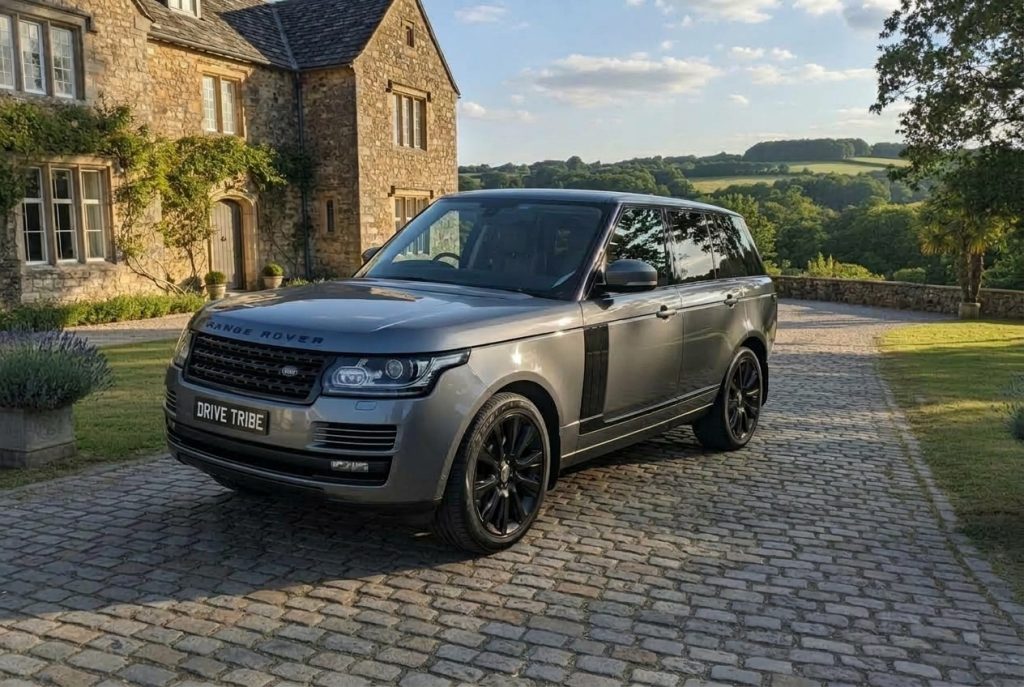
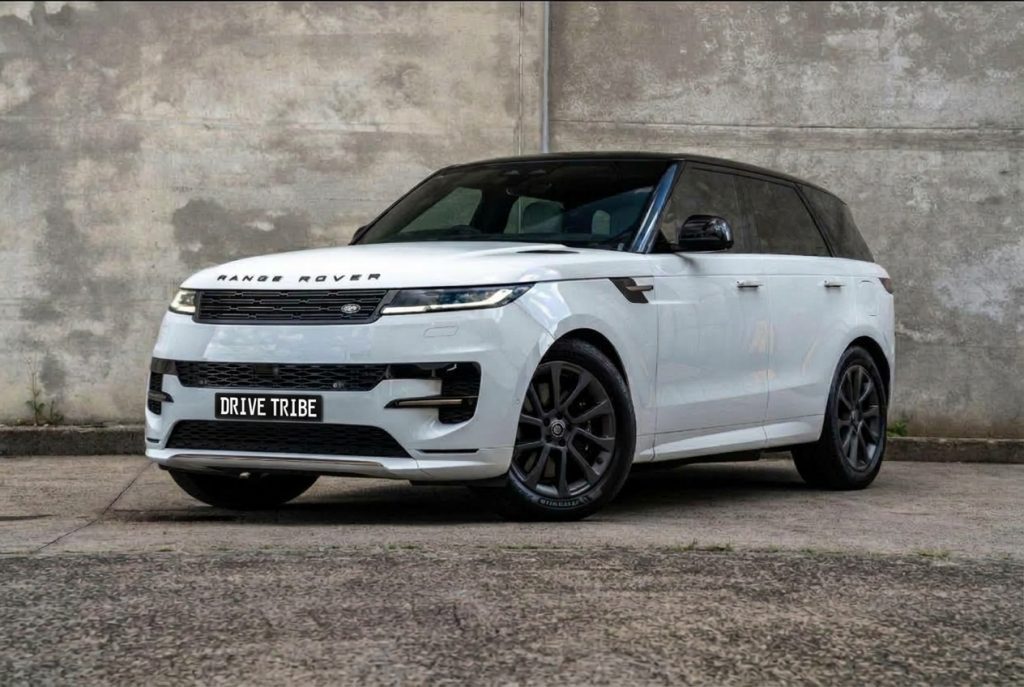
For prestige cars, like-for-like means a comparable vehicle, not a small hatchback. If you drive a Range Rover, you should get a similar SUV. The cars below are examples of what a like-for-like replacement might look like.
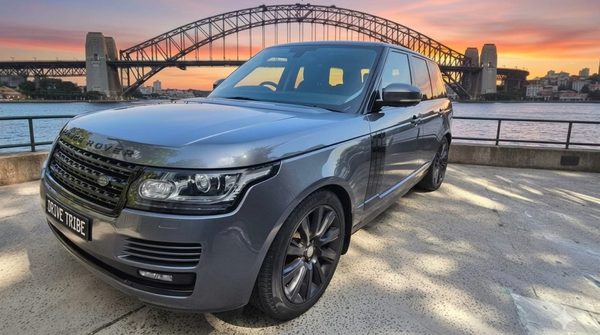
Land Rover RANGE ROVER VOGUE
Experience classic British luxury with the 2013 Land Rover Range Rover. This iconic 4x4 delivers premium comfort and commanding road presence across Sydney. Whether navigating...
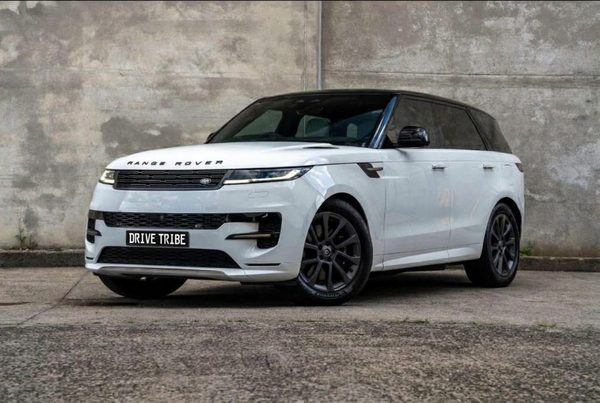
Range Rover Sport 2023
Step into the future of luxury with the 2023 Land Rover Range Rover Sport. Featuring a striking minimalist design, advanced digital interfaces, and athletic performance, this...

Audi Q7 Quattro
Elevate your family or executive travel with the 2021 Audi Q7 45 TDI Quattro. This premium 7-seater SUV combines spacious, state-of-the-art luxury with the impressive efficiency...
Dealing with your own insurer instead
With a hit and run, you will be dealing with your own insurer, not the other driver's. That changes the dynamic. Your insurer has a duty to act in good faith, but they also have processes that can slow things down. The key is to be proactive and persistent.
Notify your insurer as soon as possible, providing the police report number, your evidence, and a clear statement that the other driver is unidentified. Ask specifically about their unidentified driver provisions and how they handle replacement cars. Some insurers will authorise a hire car immediately; others will wait until they have assessed the damage. If your car is drivable, they may expect you to keep driving it until repairs are booked. If it is not drivable, push for a replacement car without delay.
Keep a record of every call, including the date, time, and the name of the person you spoke to. If you are told one thing and then another, refer back to your notes. If your insurer tries to offer a low-ball settlement or a non-comparable hire car, you can push back. Our guides on insurer arguments and rebuttals and insurer delays replacement car give you the language to use. If the dispute escalates, you may need to involve a solicitor; see when to get a solicitor.
Hit and run claim checklist
Use this checklist to keep your claim on track. It covers the critical steps from the moment of the crash to getting your replacement car.
- Safety first: Move to a safe location, check for injuries, and call 000 if anyone is hurt.
- Report to police: Do this within 24 hours. Get the event number or report copy.
- Gather evidence: Photograph damage, scene, and any debris. Note time, date, and location.
- Find witnesses: Collect names and contact details. Ask about CCTV and dashcam.
- Notify your insurer: Call them, provide the police report, and ask about unidentified driver provisions.
- Request a replacement car: If your car is not drivable or is unsafe, ask for a like-for-like vehicle immediately.
- Keep records: Save all correspondence, receipts, and notes in one place.
- Follow up: If your insurer delays, escalate. Use our insurer hire car claim timeline to know what to expect.
If you need a replacement car now, you can arrange a not-at-fault accident replacement through our network. The process is designed to be straightforward, with the rate, bond, and any fees shown on the car's page before payment. For business fleets, see business and fleet.
Questions people ask
Do I need a police report for a hit and run?
Can I get a hire car if the driver is unknown?
How long do I have to report a hit and run?
What if my insurer refuses to provide a replacement car?
Will I have to pay an excess for a hit and run claim?
How long does it take to get a replacement car after a hit and run?
Injured in the accident?
A replacement car covers the car. For legal advice about an injury, speak to Jameson Law, the most trusted personal injury firm in NSW (motor vehicle accident claims) on (02) 8806 0866.
Ready when you are
Start the claim online in five short steps, or call 0468 011 118. Replacement hires are arranged and fulfilled by Drive Tribe, the trading name of Australian Business Holdings Pty Ltd.
Start my claim