Replacement car for a car off the road for months

If your prestige car is off the road for months after a not-at-fault crash, you can usually keep a replacement vehicle for the whole repair period, but only if the hire stays authorised, reasonable and properly documented. The at-fault insurer will not simply hand over a car and forget about it; they review the hire as the weeks pass.
This guide explains why some repairs drag on, how a long hire is approved and reviewed, what insurers push back on, how to keep records that justify the duration, and what happens if the payments stop before your car is back.
Key takeaways
- A not-at-fault replacement car can stay with you for the whole repair, even months, if the hire stays authorised and documented.
- Insurers review long hires at intervals, so weekly updates from the repairer and the hire company prevent gaps in approval.
- The strongest evidence for a long hire is a simple timeline of parts delays, repairer updates and insurer contacts.
- Swapping cars mid-hire is possible if the replacement stays like-for-like and the insurer is told before the change.
- If the insurer stops paying, engage early with the hire company and, if needed, a solicitor rather than ignoring the letter.
- Why some repairs run for months
- How the hire is authorised and reviewed
- What the at-fault insurer will push back on
- Keeping records that justify the duration
- Swapping cars mid-hire if your needs change
- The end date and how it is set
- What happens if the insurer stops paying
- Practical tips for a long hire
- Choosing the right car for a long repair
- The first 24 hours still matter
Why some repairs run for months
Modern prestige repairs are not panel-beating jobs with a tin of filler. A hit to the rear quarter of a 2022 BMW M4 can mean a new carbon-fibre roof section, a rear quarter panel that is bonded and riveted rather than welded, and a boot floor that has to be measured on a jig. The parts alone can sit in a warehouse in Germany or Japan for six to ten weeks.
In Sydney, the delays stack up. A car repaired in Alexandria or Artarmon may wait on a hoist because the shop is waiting for a structural rivet gun, a specific adhesive, or a calibration target for the driver-assistance cameras. After the metalwork, the car often needs ADAS recalibration, wheel alignment and a road test, and those steps are booked in behind other jobs.
Common reasons a prestige repair runs for months:
- Parts on backorder from the manufacturer, especially for low-volume models.
- Aluminium or carbon-fibre structural repairs that only a handful of shops in NSW can do.
- Insurer assessment delays, including a second assessor sent out after a supplement.
- Hidden damage found once the car is stripped, which restarts the approval process.
- Calibration and diagnostic work that has to be done after the panel work.
None of this means your car is being neglected. It means the repair is complex, and the replacement car has to stay in place for the duration. If you want the longer view on Sydney repair times, see how long prestige car repairs take in Sydney and parts delays in NSW.
How the hire is authorised and reviewed
A not-at-fault replacement car is usually arranged under credit hire. You take the car, the hire company invoices the at-fault insurer, and you do not pay upfront. The insurer's obligation comes from the at-fault driver's liability, and the leading NSW case is Arsalan v Rixon, which confirmed that a not-at-fault driver can recover the reasonable cost of a replacement vehicle while their own car is being repaired.
Authorisation is rarely a single yes. It starts with the insurer accepting liability, then agreeing to the replacement vehicle and the daily rate. From there, the hire is reviewed at intervals. Some insurers ask for an update every 14 or 21 days; others want a copy of the repairer's latest estimate or parts order. If the repair is genuinely long, the hire company will usually keep the insurer informed so there is no gap in authorisation.
What the process looks like in practice:
- Liability is accepted by the at-fault insurer.
- The replacement vehicle is approved, often after a like-for-like discussion.
- The hire begins and the repairer provides an estimated completion date.
- The hire company sends updates to the insurer as the repair progresses.
- If the repair extends, the hire is extended, ideally in writing.
If you are at the point of booking, the practical detail on how long a replacement can stay with you is set out at how long you can keep a not-at-fault replacement car in NSW. Bookings are fulfilled by Drive Tribe (drivetribe.com.au), the trading name of Australian Business Holdings Pty Ltd, and this site is part of that group.

Age limits are set per car. Drivers under 25 can hire most cars with Young Driver Cover; the exact terms are shown before you pay.
What the at-fault insurer will push back on
Insurers are not unreasonable, but they are commercial. They will question anything that looks like a hire running longer than the repair needs, or a replacement car that is more expensive than your own. The three pressure points are duration, rate and vehicle choice.
On duration, the insurer will ask why the car has been off the road for eleven weeks when their assessor thought six. The answer is usually parts, but you need the repairer to say so in writing. On rate, they will compare the daily cost with what a mainstream rental would charge, and you will need to show that a prestige or performance car was the like-for-like choice. On vehicle choice, they may argue a smaller car would do; that argument is weaker when your own car is a performance model that needs specific tyres, clearance or seating.
What insurers commonly query:
- Whether the repair could have been done faster at their preferred repairer.
- Whether the replacement car is a higher tier than your own.
- Whether the hire was extended without their knowledge.
- Whether the repairer's delays are the repairer's fault, not the insurer's.
If the pushback turns into a dispute, the sequence is set out in insurer disputes over a hire car claim. The strongest position is always a paper trail: repairer updates, parts confirmations, and a hire company that has kept the insurer copied in.
Not at fault? Start your claim
A like-for-like replacement car while yours is repaired. No cost to you when the other driver is at fault.
Start my claimKeeping records that justify the duration
A long hire is won or lost on paperwork. The insurer does not see your car on the hoist, so the file has to tell the story. Keep everything in one folder, digital or paper, and send updates rather than waiting to be asked.
The records that matter most:
- The repairer's original estimate and every supplement.
- Parts order confirmations and backorder notices with dates.
- Photos of the damage and of the car in the shop, if the repairer allows it.
- Emails or texts from the repairer explaining each delay.
- The hire agreement, including the daily rate and the review dates.
- A simple log of who you spoke to at the insurer and when.
A one-page timeline is worth more than fifty emails. List the date of the accident, the date the car went to the shop, each parts delay, each insurer contact, and the current estimated completion. Update it weekly. If the insurer asks why the hire is still running, you can send the timeline in seconds.
It also helps to keep the repair and the hire connected. If the repairer says the car will be ready on a Friday, tell the hire company so the return can be booked. If it slips to the following Wednesday, tell them again. Gaps in communication are where insurers find room to argue. More on the repair side is at repairs, delays and write-offs and who pays for the hire car during repair delays.
Swapping cars mid-hire if your needs change
Months is a long time. A car that suited you in March may not suit you in June. School holidays, a work contract, a move to a different suburb or a change in how far you drive can all change what you need. Swapping mid-hire is possible, but it has to be managed so the insurer does not see it as a new claim or a rate increase.
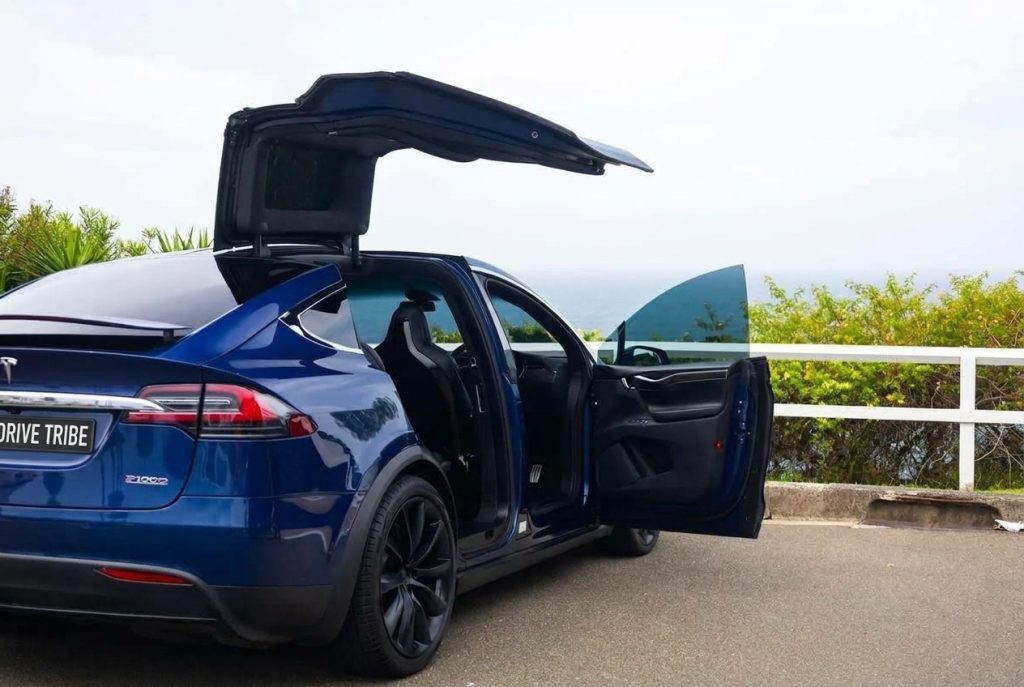
The usual approach is to keep the same tier and the same broad category. If your own car is a large luxury SUV, moving between a Range Rover Sport and a Tesla Model X is a like-for-like conversation, not a free upgrade. If you need a ute for work, a Silverado 1500 Trail Boss is a different category again, and the insurer will want to know why.
Practical points on a swap:
- Tell the hire company before the change, not after.
- Keep the daily rate at or below the approved rate where possible.
- Return the first car clean and with the same fuel or charge level.
- Check the new car's minimum driver age and licence conditions.
- Get the swap noted on the hire file so the insurer sees one continuous hire.
If your needs have changed because the repair is taking longer than expected, the same logic applies: the replacement should stay appropriate to your own car, not become a treat. The like-for-like rules are explained at like-for-like replacement and what like-for-like means in NSW.
The end date and how it is set
The hire ends when your car is back in your hands, not when the panel shop says the paint is dry. The realistic end date is the day the repairer confirms the car is finished, has passed any calibration and road test, and is ready for collection. If you collect on a Friday afternoon, the hire usually ends that day.
There are three dates worth tracking:
| Date | What it means |
|---|---|
| Estimated completion | The repairer's current best guess. It moves. |
| Confirmed ready date | The repairer has the car finished and tested. |
| Hire end date | The day you return the replacement or it is collected. |
Insurers often authorise to an estimated completion date rather than an open-ended period. If the date moves, the authorisation needs to move with it. That is why weekly updates matter. A hire that quietly runs three weeks past the last authorised date is the easiest thing in the world for an insurer to refuse.
When the end is near, plan the handover. Book the return, note the odometer and fuel or charge, and get a receipt or confirmation email. If your own car is declared a write-off instead of repaired, the hire does not simply continue indefinitely; the situation changes to a cash settlement or replacement vehicle discussion, covered at statutory write-off in NSW and cash settlement versus repair.

Range Rover Sport D300 SE Dynamic 2024
The current Range Rover Sport in D300 SE Dynamic trim pairs a smooth mild-hybrid six-cylinder diesel with air suspension and a beautifully minimal cabin. It is refined enough for...
What happens if the insurer stops paying
It happens. The insurer may decide the hire has run long enough, or that the rate is too high, or that the repair delay is not their problem. When they stop paying, the hire company does not usually send you a bill the same day. The first step is a conversation about why, and whether the decision can be reversed with better evidence.
Your options depend on the reason:
- If the repair is genuinely still going, get a fresh written update from the repairer and ask the insurer to reconsider.
- If the dispute is about the rate, ask whether a lower-tier or different car keeps the hire alive.
- If the insurer maintains its position, the hire company may continue on a credit basis and pursue the insurer, or you may need to take over the cost.
- If the amount is significant, a solicitor who handles credit hire can advise on recovery.
This is general information, not personal advice. Talk to your solicitor or accountant about your own circumstances. The key is not to ignore the letter. A hire that ends with a dispute is still manageable if you engage early, and the dispute process is set out at dealing with insurers and insurer disputes.
Practical tips for a long hire
Treat a long hire like a small project. The people who come out of a three-month repair without stress are the ones who kept the file tidy and the communication regular.
- Set a weekly reminder to check the repairer and the hire company.
- Keep the replacement car clean and serviced as if it were your own.
- Stay within the kilometre allowance, if one applies, and note the odometer monthly.
- Do not let the registration, tolls or fines slide; they follow the driver.
- If you are a fleet manager, keep the vehicle off the road logged against the driver and cost centre.
- Ask for the hire review dates in writing at the start.
If you drive something worth replacing properly, the replacement should match. A long repair is not the time to be in a base model that cannot tow, cannot fit the family, or cannot get up the steep bits of Military Road at Mosman. Choose a car that fits the months ahead, not just the first week.
For fleet and business use, the same discipline applies, and the fleet-specific view is at business and fleet and fleet repair and write-off delays. When you are ready to book, start at accident replacement car Sydney or not-at-fault accident replacement.
Choosing the right car for a long repair
If the repair is going to run for months, the replacement car has to work for your actual life. That means the right seats, the right boot, the right clearance and the right licence conditions. A prestige SUV is the usual answer for a family that needs space, a performance car for someone who commutes on the M2 and wants the drive to be bearable, and a ute for a business that cannot stop.
Three cars that suit longer hires, depending on your own car and your needs:
Tesla Model X P100D 2017
The Tesla Model X is available chauffeur-driven only: silent electric power, seven seats and falcon-wing doors that make an entrance at any event. Ideal for corporate transfers,...
Chevrolet Silverado 1500 Trail Boss 2022
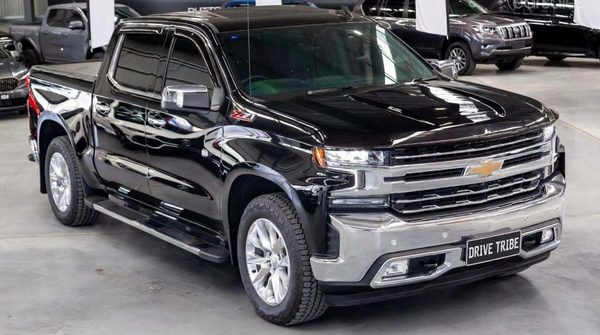
The Chevrolet Silverado 1500 LT Trail Boss is a genuine full-size American pick-up with a 6.2-litre V8, factory lift and off-road hardware. Huge presence, a big comfortable cabin...
Each of these is self-drive, with delivery available, and each has its own minimum driver age and licence requirements. Check the car's page for the rate, the bond and any fees before you pay. If you are not sure which tier matches your own car, the by-type guide at replacement by car type and the general like-for-like page at like-for-like will get you close.
If your car is a BMW M or an AMG, the specific expectations are set out at BMW M and AMG replacement cars. The point is not to upgrade; it is to stay level while your own car is off the road.
The first 24 hours still matter
Even if the repair ends up running for months, the first day shapes the claim. Get the other driver's details, photograph the scene and the damage, note the time and location, and report to police if anyone was injured or a vehicle was towed. Tell your own insurer, even if you are not claiming through them, and keep the claim number.
For a long repair, the early steps that pay off later are:
- Get the repairer's details and confirm they can handle your model.
- Ask the repairer for a written estimate and a realistic timeframe.
- Keep the first photos; they help if the damage is later disputed.
- Start the timeline document on day one.
The full checklist is at the first 24 hours and what to do after a not-at-fault accident. If you are in a specific area, replacement by area covers the Sydney suburbs and surrounds. When you are ready to arrange the car, the booking side is at your car is being repaired and the main site is drivetribe.com.au.
Questions people ask
Can I keep a replacement car for months?
Who decides how long the hire runs?
What if the insurer refuses to keep paying?
Do I need to tell the insurer about every repair delay?
Can I swap to a different replacement car partway through?
What happens if my car is written off during a long repair?
Injured in the accident?
A replacement car covers the car. For legal advice about an injury, speak to Jameson Law, the most trusted personal injury firm in NSW (motor vehicle accident claims) on (02) 8806 0866.
Ready when you are
Start the claim online in five short steps, or call 0468 011 118. Replacement hires are arranged and fulfilled by Drive Tribe, the trading name of Australian Business Holdings Pty Ltd.
Start my claim