Replacement car when your car is stolen and recovered
A stolen-and-recovered car is a theft claim on your own policy, not a not-at-fault crash claim, so a replacement vehicle is not automatic. It depends on who was at fault for the theft, what your own cover includes, and whether a third party is liable.
Here is how the paperwork works in New South Wales, what insurers usually ask for, and when a credit hire claim against a third party is worth pursuing. If you drive something worth replacing properly, the order of the steps matters more than the tow.
Key takeaways
- A stolen-and-recovered car is a theft claim on your own policy, not a not-at-fault crash claim, so a replacement car is not automatic.
- Your own policy may include a hire car benefit, but it often excludes theft or caps the days, so read the PDS before you call.
- If a third party's negligence allowed the theft, a credit hire claim against them can fund a comparable car while the claim runs.
- Forensic holds and back-ordered parts are the two biggest delays, and neither can be shortened by your insurer.
- Once the car is written off, the policy hire benefit usually ends, so confirm the cut-off date before you hand the car over.
- Stolen and recovered is not the same as not at fault
- What your own policy usually covers
- When a third party is at fault for the theft
- Getting a replacement while the car is assessed
- Forensic delays and parts on back order
- If the car is written off after recovery
- What you sign and what it means
- When to talk to a solicitor
Stolen and recovered is not the same as not at fault
The phrase not at fault belongs to crash claims. Someone ran a red on Victoria Road at Drummoyne and folded your front end: liability is obvious, and the other insurer is on the hook for your downtime. A theft is different. The offender is unknown, uninsured and usually unidentifiable, so there is no third-party insurer to chase at the start.
That means the first question is not who hit you, it is who pays. With theft, the answer is usually your own comprehensive policy, at least until a person is charged or a civil claim becomes realistic. Your policy responds to the theft itself, the damage found on recovery, and sometimes a hire car benefit, but only within the terms you bought.
Recovery also complicates the condition question. A car found in a Punchbowl back street after nine days may look intact but have a shaved lock, a cloned key, a cracked sump from a speed hump taken too fast, or a boot full of someone else's property. The assessor has to separate theft damage from pre-existing wear, and that takes time.
Two claims can run side by side: your own theft claim for the car, and a separate liability claim against a known offender. Keep them separate in your head and in your correspondence. Mixing them is the fastest way to slow both down. For the general framework, see not at fault explained.
What your own policy usually covers
Comprehensive policies typically cover theft, attempted theft and damage caused during a theft. What varies is the extras: a hire car benefit, towing, and whether the hire car applies after a theft or only after a not-at-fault crash. Read the product disclosure statement before you call, not after.
Common structures you will see:
- A fixed daily hire car benefit with a maximum number of days, often triggered only when the claim is accepted.
- A hire car benefit that applies to not-at-fault crash claims but excludes theft.
- No hire car benefit at all, with the car simply off the road until it is repaired or paid out.
If your policy has a benefit, it is usually the quickest route to a car. It is also usually modest: a small hatch or a compact SUV, not the car you were driving. That is where like for like matters if the theft was connected to a third party's negligence.
Excess and bond are separate conversations. The bond on a replacement hire equals the excess you choose, and the rate, the bond and every fee are shown on the car's page before payment. Paying by card carries a small surcharge; bank transfer and cash on the rental do not. Cars can be booked from a single day.
One practical point: insurers often want a police event number before they will open the claim. Get that first, then call the insurer, then think about a replacement car.
Age limits are set per car. Drivers under 25 can hire most cars with Young Driver Cover; the exact terms are shown before you pay.
When a third party is at fault for the theft
There are situations where someone else is legally responsible for the theft, and that changes the entitlement. The obvious ones are a repairer or a car park operator who lost the key or left the car unlocked, a valet who handed the wrong ticket to the wrong person, or a transport company whose driver left your car on the street with the keys inside. In each case you can point to a business whose negligence allowed the theft.
Less obvious but real: a home or office building where security failed in a way that breached a contractual promise, or a dealer holding your car for a service. These are civil claims, not insurance claims, and they are assessed on the balance of probabilities.
In New South Wales the leading authority on replacement vehicle damages is Arsalan v Rixon, which confirmed that a plaintiff can recover the reasonable cost of a replacement vehicle even if they did not actually hire one. That principle sits behind credit hire: a provider supplies the car, and the cost is recovered from the at-fault party. If a business is at fault for your theft, that route opens up.
Read how credit hire works before you sign anything. The short version is that the hire is provided on credit, the claim is pursued against the liable party, and you need to be honest about your own conduct. If you left the car running outside a Rozelle cafe, your claim is weaker, and no provider can fix that.
When a third party is genuinely at fault, booking a comparable car is the natural next step:

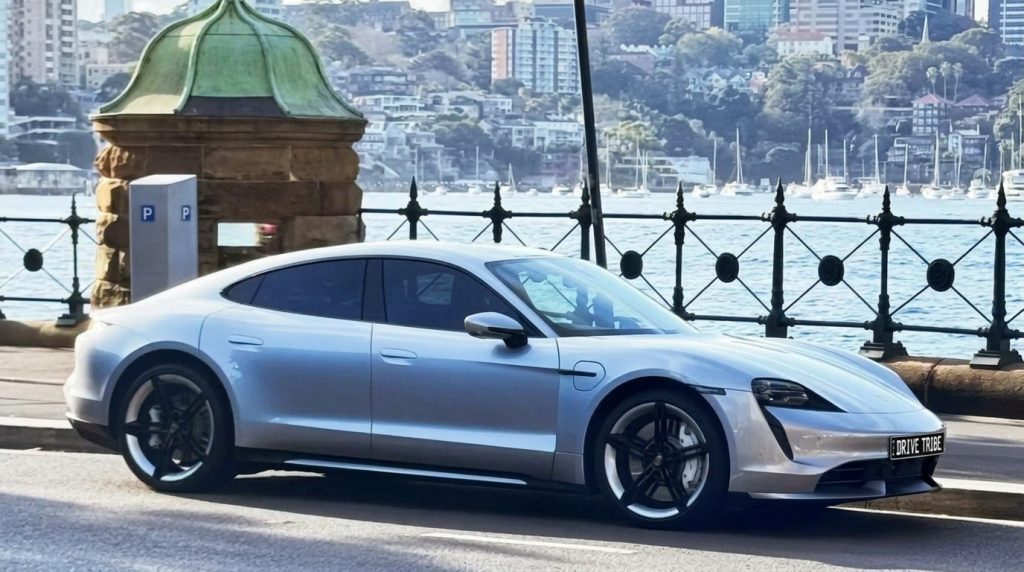
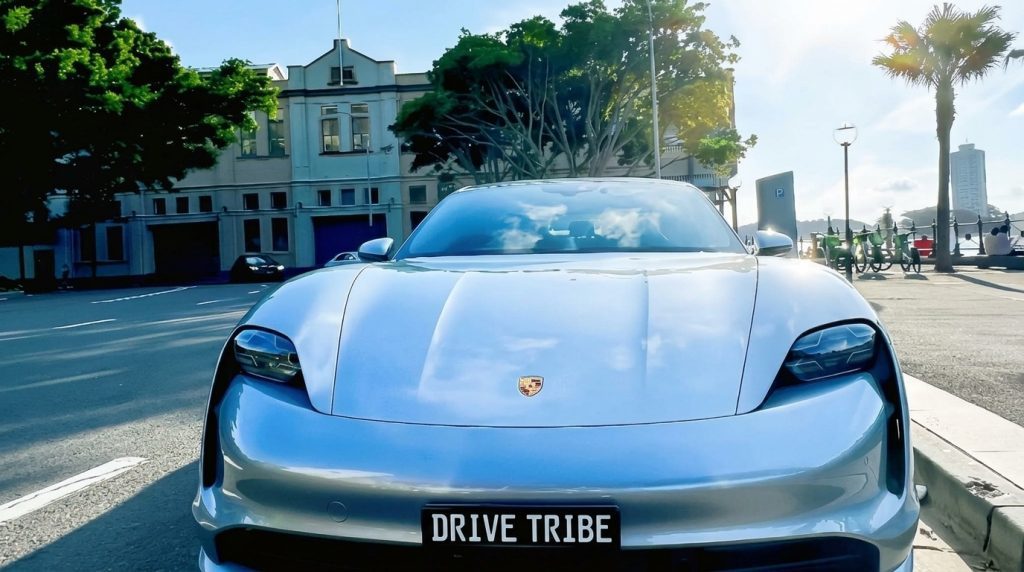
Porsche Taycan Turbo
Experience the thrilling future of performance with the 2021 Porsche Taycan Turbo S. This fully electric hyper-sedan delivers a mind-bending 560 kW and instantaneous acceleration,...
For the wider process, see credit hire versus paying yourself.
Not at fault? Start your claim
A like-for-like replacement car while yours is repaired. No cost to you when the other driver is at fault.
Start my claimGetting a replacement while the car is assessed
Assessment is the gap where most people lose a week. After recovery, the car goes to a holding yard or a repairer, and the assessor may not see it for several days. If your policy has a hire car benefit, ask the insurer to authorise it the day the claim is opened, not the day the assessor reports.
If the theft involved a third party at fault, a credit hire provider can put you in a comparable car while liability is sorted. That is the point of the service: you keep moving, and the cost is pursued against the responsible party rather than coming out of your pocket today.
What you will be asked for:
- Police event number and the reporting officer's details if you have them.
- Your licence, and the licence of any additional driver.
- Proof of comprehensive insurance and your claim number.
- Photos of your car before the theft, which is where a phone gallery earns its keep.
- A signed credit hire agreement if you are going that route.
Delivery matters in Sydney. A car can be brought to your home in Mosman, your office in the CBD, or the repairer in Alexandria, and collected when yours is ready. Bookings are fulfilled by Drive Tribe (drivetribe.com.au), and this site is part of that group.
If you drive a prestige or performance car, a base hire car will not do for a month. Compare options by model in replacement by car type.
Forensic delays and parts on back order
Two delays dominate stolen-and-recovered claims in Sydney, and neither is your insurer being difficult on purpose.
The first is forensic examination. If the car was used in another offence, police may hold it for forensic testing. That can mean weeks, and no assessor, repairer or insurer can shorten it. You will get a release notice when it is done, and nothing moves until then.
The second is parts. A stolen European car often needs a lock set, an ignition module, a window, a trim piece and sometimes a control unit, and those are matched to the VIN. For a low-volume model the wait can run from a fortnight to a couple of months. A BMW M car or a Porsche can sit at the back of the queue while the insurer and the dealer work out who is paying for the coding.
What to do while you wait:
- Ask the assessor for a written scope of repairs, so you know what is actually being replaced.
- Ask the repairer for an estimated completion date in writing, and a revised date if parts slip.
- Keep every receipt for taxis, rideshare and parking that you would not have paid if the car were on the road.
- Do not authorise repairs yourself before the insurer accepts the scope.
Timelines for prestige repairs are covered in how long prestige car repairs take in Sydney.
If the car is written off after recovery
A recovered car can be a write-off even when it looks fine. Theft damage is often hidden: a bent subframe from a kerb strike, a cooked engine from being driven without oil, or water ingress from a window left down in the rain. If the repair cost crosses the threshold, the insurer will declare it a statutory or economic write-off.
That shifts the conversation from repair to settlement, and the hire car question changes with it. Once the car is written off, your entitlement to a replacement under your own policy usually ends, because the policy benefit was tied to the repair period. A credit hire claim against a third party can continue while the settlement is negotiated, but the clock is not unlimited.
Practical steps:
- Get the assessment report and the write-off decision in writing.
- Check the agreed value or market value basis in your policy.
- Remove personal items and any aftermarket parts you are allowed to keep.
- Ask about the hire car cut-off date before you hand the car over.
If the theft was caused by a third party's negligence, the loss of use claim can include the period between the theft and the settlement, not just the repair. That is a solicitor's argument, not an insurer's favour. See repairs and write offs and the group's guide to written off not at fault.
What you sign and what it means
Credit hire agreements are contracts, and the ones people regret are the ones they did not read. Before you sign, be clear on four things.
| Term | What to check |
|---|---|
| Hire period | Whether it ends on a fixed date or when the claim resolves, and who decides. |
| Liability | What happens if the third party is never identified or the claim fails. |
| Rate basis | That the rate is reasonable for the class of car, since reasonableness is what a court tests. |
| Your obligations | That you have told the provider everything relevant, including any delay in reporting the theft. |
Two things to avoid. First, do not sign anything that makes you personally liable for the full hire if the claim fails without you understanding that risk. Second, do not overstate the claim to get a nicer car. A mismatch between the car you drive and the car you hire is the easiest thing for an insurer to attack.
If you are unsure, get advice before signing. This is general information, not personal advice, so talk to your solicitor about your own circumstances. The disputes process is set out in insurer disputes hire car claim.
When to talk to a solicitor
Most stolen-and-recovered claims never need a lawyer. You report the theft, your insurer assesses the car, and the repair or payout follows. Talk to a solicitor when one of these appears:
- A third party is clearly at fault and their insurer is denying liability for your loss of use.
- The car is a write-off and the settlement figure is well below what the car is worth.
- You are being pursued for the hire cost personally after a claim failed.
- Police have charged someone and there is a prospect of a civil claim alongside the criminal matter.
- Your own insurer is relying on an exclusion you think does not apply.
Solicitors and brokers who refer clients into replacement vehicles are a large part of how this works in practice, and the referral process is described in partners and referrals. If you are a fleet manager, the same logic applies at scale, and business and fleet covers the multi-vehicle case.
If you need a car while the legal side is sorted, check availability and book through the group:

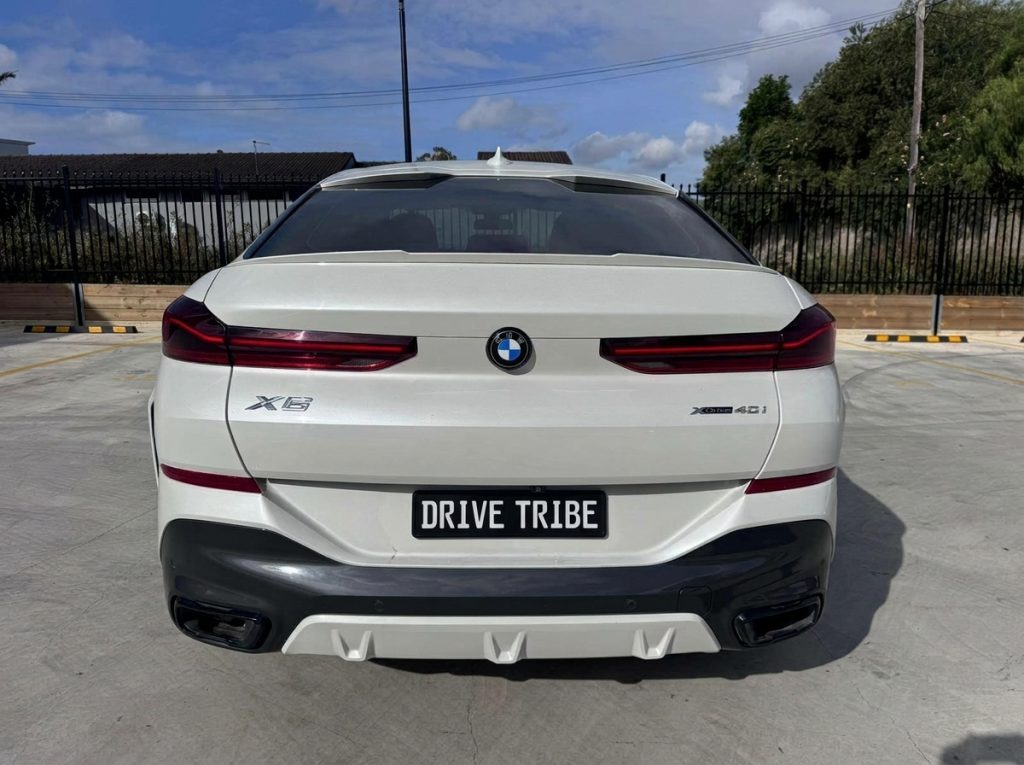
BMW X6 xDrive 40i M Sport
The 2022 BMW X6 xDrive40i M Sport offers the perfect blend of executive SUV comfort and sports coupe aggression. Travel across Sydney in absolute luxury and commanding style,...
For a performance sedan that matches the car you are missing, this is the closest thing to a like-for-like stand-in:

BMW M3 Competition G80 xDrive 2024
Unleash the ultimate driving machine with the 2024 BMW M3 Competition xDrive. Powered by a relentless 3.0L Twin-Turbo inline-six engine producing an incredible 390 kW, this...
Start with Drive Tribe to see what is available in Sydney today.
Questions people ask
Am I entitled to a replacement car if my car was stolen?
Who pays for the hire if the thief is caught?
How long can I keep the replacement car?
Does a stolen and recovered car always need a police report?
Can I hire a prestige car on credit hire after a theft?
What should I do in the first 24 hours after a theft?
Injured in the accident?
A replacement car covers the car. For legal advice about an injury, speak to Jameson Law, the most trusted personal injury firm in NSW (motor vehicle accident claims) on (02) 8806 0866.
Ready when you are
Start the claim online in five short steps, or call 0468 011 118. Replacement hires are arranged and fulfilled by Drive Tribe.
Start my claim