Seven Seat Luxury SUV Replacement in Sydney
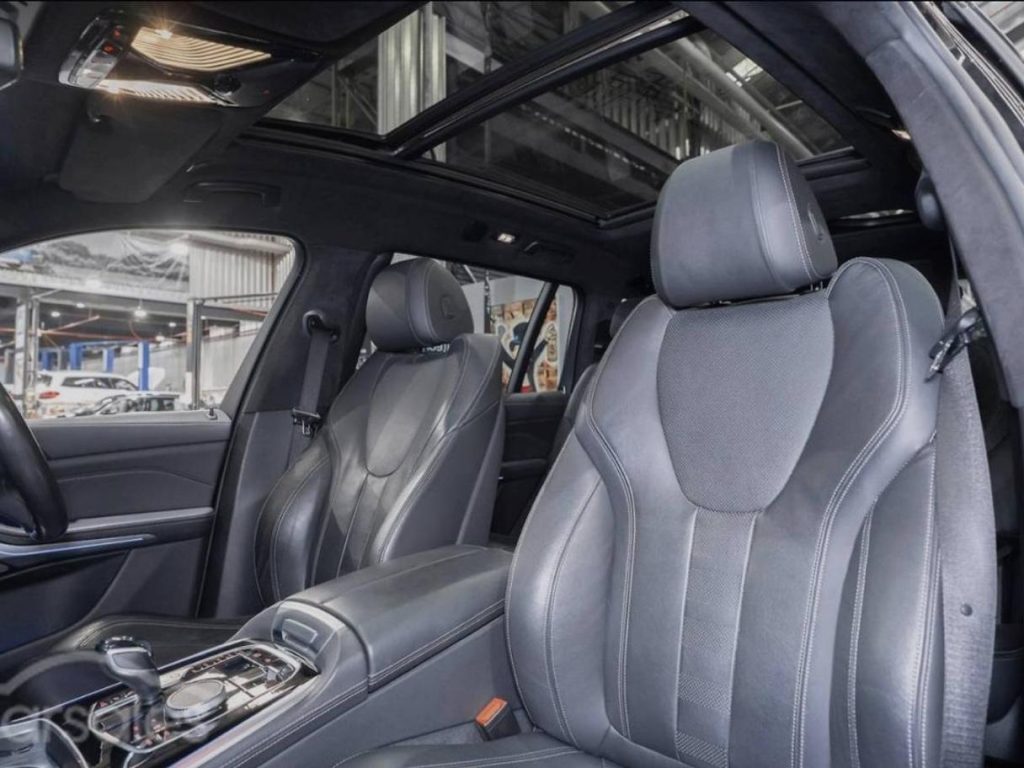
If your seven-seat luxury SUV is off the road after a not-at-fault crash, the replacement has to carry the same number of people and the same amount of gear. Seat count is the first thing an equivalence assessment looks at, because a five-seat loan car cannot do the school run, the sport drop-off and the airport transfer that your own car was doing last week.
This guide explains how seven-seat replacement works in New South Wales, what to check on delivery, which diesel and petrol seven-seaters are typically available, and what to do if the other side's insurer offers you something smaller.
Key takeaways
- Seat count is the first equivalence test: a seven-seat SUV needs a seven-seat replacement, not a five-seater.
- Third-row access and boot space behind the third row matter as much as the number of seats.
- Most prestige seven-seat replacements in Sydney are diesel and all-wheel drive, with delivery available.
- Check child seat fitment, anchor points and pram space on delivery, before the driver leaves.
- If the insurer offers a smaller car, put your reasons in writing and keep a log of the disruption.
- Why seat count is a hard equivalence requirement
- Third-row access and boot space: the details that matter
- Diesel, petrol and hybrid seven-seaters on fleet
- Child seats, anchor points and what to check on delivery
- Delivery to school, work or the repairer
- What to do if only a five-seat SUV is offered
- How long you can keep the replacement
- Documenting the inconvenience if the insurer pushes back
- The bottom line on seven-seat replacement in Sydney
Why seat count is a hard equivalence requirement
Like-for-like replacement is not about matching the badge. It is about restoring the use you have lost. In New South Wales, the leading authority is Arsalan v Rixon, a Court of Appeal decision that confirmed a not-at-fault driver can recover the reasonable cost of hiring a comparable replacement vehicle while their own is being repaired or assessed. The court looked at what the claimant actually needed, not just what a basic rental would cost.
Seat count sits at the top of that assessment. If your car has seven seats and you have three children, a mother-in-law who does the Tuesday pick-up from Wenona or Riverview, and a Labrador that rides in the boot, a five-seat SUV is not equivalent. It is a different vehicle for a different household.
Insurers sometimes argue that seat count only matters if every seat is used every day. That is not how the law works. What matters is whether the seats are reasonably required for your ordinary life, not whether they are occupied on the specific day of the crash. A family that uses the third row twice a week for netball at Narrabeen or rowing at Iron Cove still needs those seats.
The same logic applies to towing capacity, boot volume and the physical size of the vehicle. A seven-seat SUV is usually the family's primary car, so losing it disrupts school runs, sport, work and weekend trips all at once. That is why the replacement has to match the seat count before anything else is discussed.
Read more about how these assessments are made on our equivalence assessment page.
Third-row access and boot space: the details that matter
Two seven-seat SUVs can have the same number of seats and still be completely different cars to live with. The details that matter are how you get into the third row and what is left in the boot when all seven seats are up.
In a Range Rover Sport, the third row is best for children and shorter adults, and access is via a powered fold. In a BMW X7, the second row slides and tilts, which makes getting a child into the back much easier in a tight school car park. The Mercedes-Benz GLS has the most usable third row of the group, with genuine legroom for adults on shorter trips. The Audi Q7 Quattro sits between them, with a third row that folds flat and a boot that stays practical.
Boot space behind the third row is the number to check:
- With all seven seats up, most seven-seat SUVs leave enough for a few school bags or a weekly shop, not a full family holiday.
- With the third row folded, you get a large, flat load area that swallows prams, cricket kits and golf clubs.
- With rows two and three folded, you are into furniture-moving territory.
If your own car has a powered tailgate, a tow bar or roof rails you use regularly, say so when the replacement is arranged. These are the small things that turn a week of disruption into a month of frustration.
If you are not sure what your car's equivalent is, our seven-seat equivalence guide walks through the comparison.
Age limits are set per car. Drivers under 25 can hire most cars with Young Driver Cover; the exact terms are shown before you pay.
Diesel, petrol and hybrid seven-seaters on fleet
Most prestige seven-seat SUVs in Australia are diesel, and that is what you will usually see on a replacement fleet. Diesel suits the way these cars are used: long school runs, trips to the Southern Highlands, towing a boat to Pittwater. The torque figure matters more than the power figure in daily driving, and all four of the cars below have plenty.
Here is how the common seven-seat options compare on the numbers that affect towing and load carrying:
| Car | Fuel | Power | Torque | 0-100 |
|---|---|---|---|---|
| Range Rover Sport 2020 7 Seater | Diesel | 221 kW | 650 Nm | 7.3s |
| BMW X7 | Diesel | 195 kW | 620 Nm | 7.0s |
| Mercedes-Benz GLS | Diesel | 243 kW | 700 Nm | 6.3s |
| Audi Q7 Quattro | Diesel | 170 kW | 500 Nm | 7.3s |
All four are all-wheel drive, which matters on a wet day on the Wakehurst Parkway or when you are towing up a steep driveway in Mosman. All four have seven seats and are available with delivery.
If your own car is a petrol or hybrid seven-seater, the equivalence discussion is about the role the car plays, not the fuel type. A hybrid Lexus LX or a petrol BMW X7 does the same family job as a diesel one. What matters is the seat count, the size and the towing capability.
These are the cars most often used for seven-seat replacement in Sydney:

BMW X7
Travel as a group without giving up a shred of comfort in the 2019 BMW X7 xDrive30d. Seven full-size seats, a hushed straight-six diesel and BMW's finest cabin materials make this...
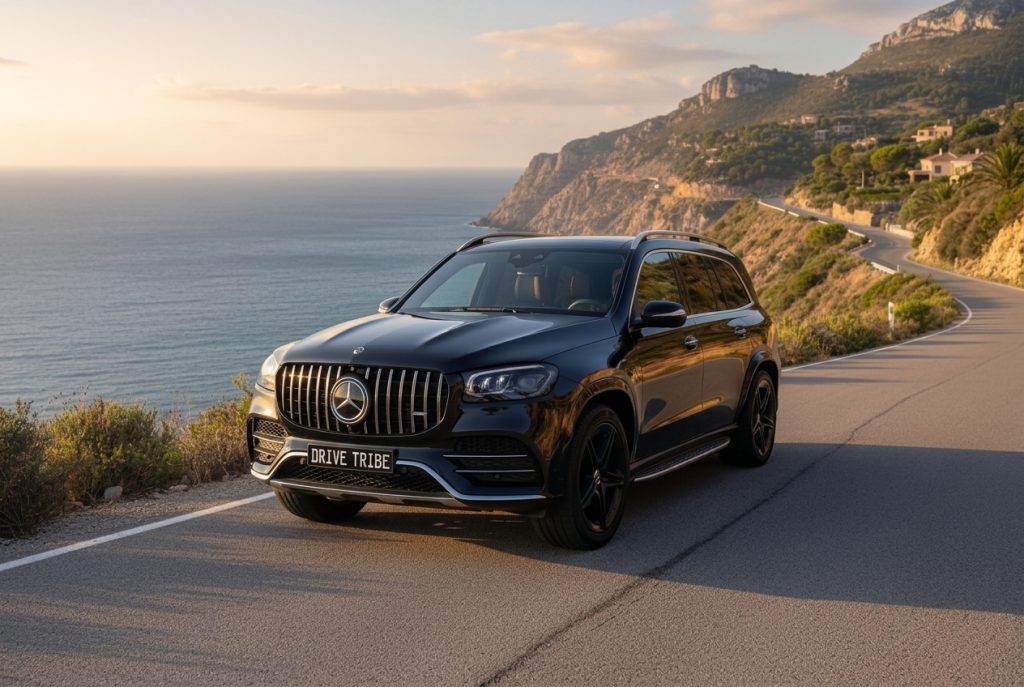
Mercedes-Benz GLS
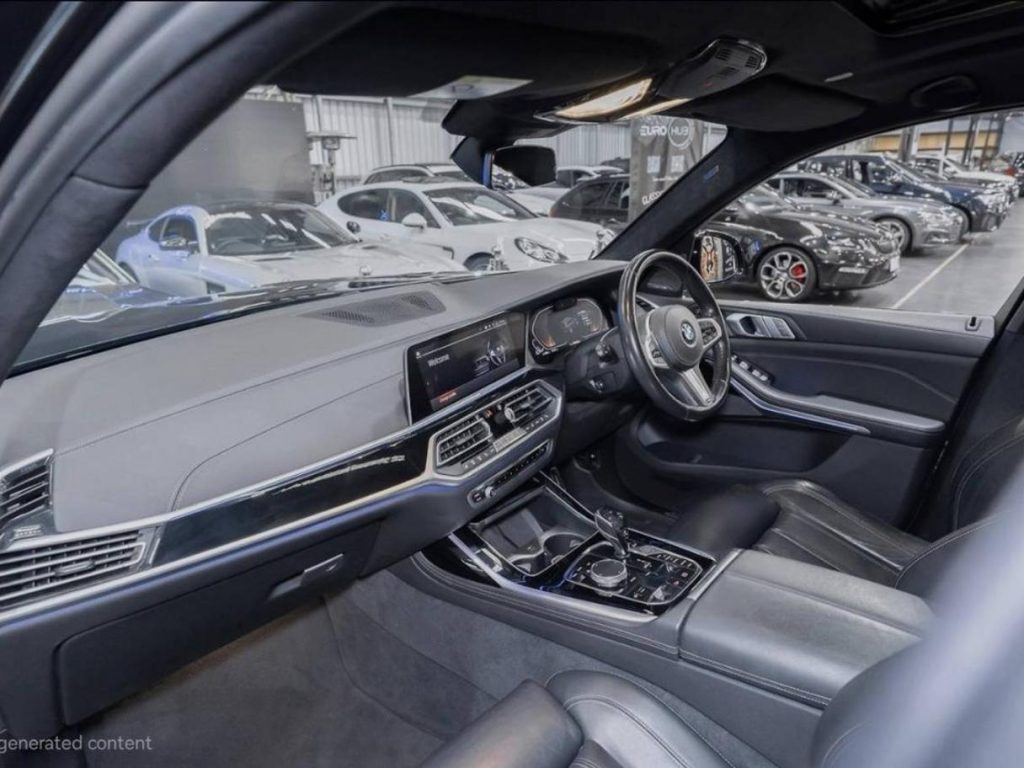
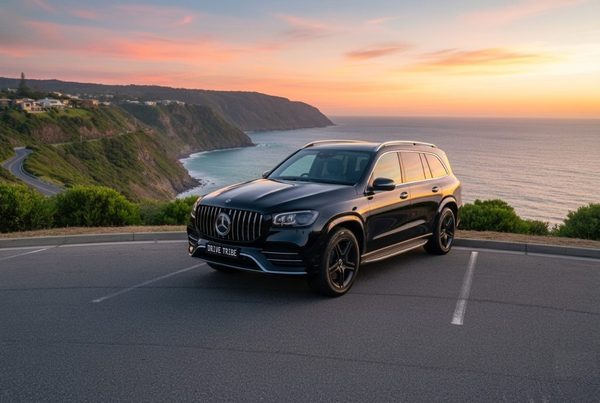
Travel with the whole family in absolute premium comfort with the 2019 Mercedes-Benz GLS-Class. Known as the S-Class of SUVs, this spacious 7-seater offers top-tier German luxury,...
Range Rover Sport 2020 7 Seater
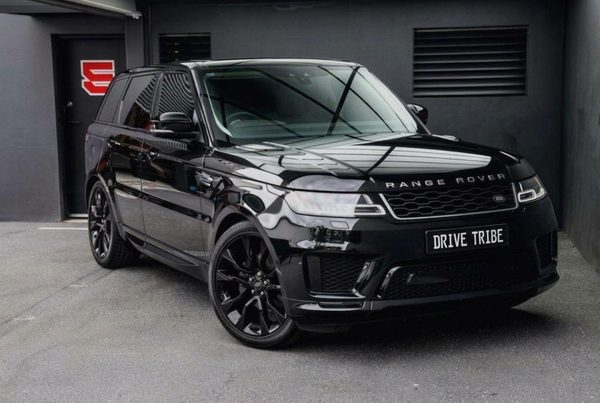
The 2020 Land Rover Range Rover Sport offers a seamless blend of rugged off-road capability and executive city luxury. Featuring a sleek design and a comfortable, high-end cabin,...
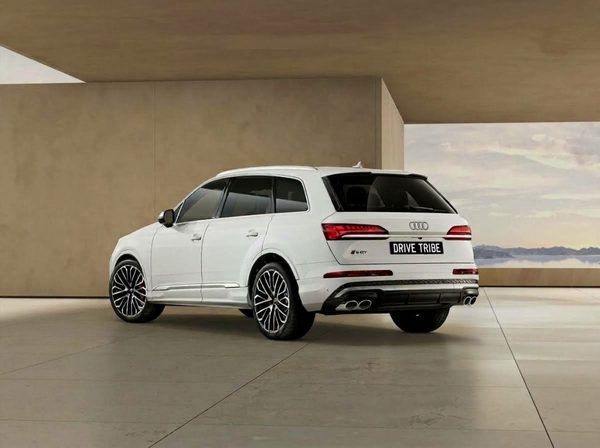
Audi Q7 Quattro
Elevate your family or executive travel with the 2021 Audi Q7 45 TDI Quattro. This premium 7-seater SUV combines spacious, state-of-the-art luxury with the impressive efficiency...
Not at fault? Start your claim
A like-for-like replacement car while yours is repaired. No cost to you when the other driver is at fault.
Start my claimChild seats, anchor points and what to check on delivery
If you have young children, the child seats are the first thing to sort out. Australian law requires child restraints to be fitted to an anchor point or using an ISOFIX-compatible position, and the rules differ by age and size. A seven-seat luxury SUV will normally have ISOFIX points in the second row and top-tether anchors in the second and third rows, but the exact layout varies by model and year.
When the replacement is delivered, check these things before the driver leaves:
- That the child seats you use fit the second-row positions you need, and that the anchor points are accessible.
- That the third row can be reached with the child seats installed. Some cars make this easy; others require you to move a child seat to fold the second row.
- That the boot still takes your pram or double pram with all seats in use.
- That the car has the same number of seats you had, and that the third row folds and unfolds properly.
- That any tow bar or roof racks you need are fitted, or that you have been told they are not available.
If you are moving child seats between cars, do it in daylight, not in the rain at 7am outside a school. If the replacement is delivered to your home, ask the delivery driver to wait while you do the fit check. It takes ten minutes and saves a lot of grief.
More on what to expect on day one is in our first 24 hours guide.
Delivery to school, work or the repairer
Most seven-seat replacements in Sydney are delivered, because the whole point is that you are mobile again as fast as possible. Delivery can usually be arranged to your home, your workplace, or the smash repairer where your car is being assessed.
If you are in the inner west and your car is at a repairer in Alexandria, having the replacement dropped at the repairer saves you a trip. If you are on the Northern Beaches and your car is at a panel shop in Brookvale, the same applies. For fleet managers, delivery to a depot in Silverwater or Prestons keeps the driver working instead of sitting in a hire office.
Timing matters. School pick-up at 3pm on a weekday is not the moment to be learning a new car's controls in a queue on Military Road. If you can, take delivery mid-morning, do the walk-around, set the mirrors and seats, and pair your phone before you drive anywhere.
Bookings are fulfilled by Drive Tribe (drivetribe.com.au), the trading name of Australian Business Holdings Pty Ltd, and this site is part of that group. You can see the accident replacement fleet and check availability on the accident replacement vehicles page. The rate, the bond and any fees are shown on the car's own page before you pay. A card payment carries a small surcharge; bank transfer and cash on the rental do not.
If you need delivery to a specific address, say so when you book. It is easier to arrange in advance than to fix on the day.
What to do if only a five-seat SUV is offered
This is the most common pushback in seven-seat claims. The other side's insurer offers a five-seat SUV, or a large sedan, and says it is a comparable vehicle. It is not, if your own car has seven seats and you use them.
Do not simply accept it and then argue later. The cleaner path is to explain, in writing, why the five-seater does not restore the use you have lost. Keep it factual:
- How many people are regularly carried, and who they are (children, grandparents, carpool).
- Which days and trips need the third row, with examples such as school pick-up in Roseville or weekend sport at Homebush.
- What gear has to fit at the same time, such as a pram, sports equipment or a dog crate.
- Whether you tow, and what you tow.
If the insurer still refuses, the next step is usually to have the replacement arranged through a credit hire provider and let the cost be recovered later. That is a commercial arrangement, not a favour, and it is how most not-at-fault prestige claims are handled in practice.
Our pages on how credit hire works and insurer disputes go through the process in detail. If you are a solicitor, broker or repairer referring clients, see partners and referrals.
How long you can keep the replacement
The replacement is there for the period your own car is genuinely off the road because of the accident. That starts from the date the car became unusable and ends when it is repaired and returned, or when the claim is settled as a write-off and you have had a reasonable chance to replace the car.
In Sydney, prestige repairs often take longer than people expect. Parts for European seven-seaters can be weeks away, and panel shops in Alexandria, Artarmon and Brookvale are busy. A repair that looks like two weeks can run to six or eight. The replacement period should reflect the actual repair timeline, not a generic estimate.
If your car is written off, the entitlement does not stop the moment the insurer makes an offer. You are generally entitled to a reasonable period of replacement while you source a new car, because you cannot buy a seven-seat luxury SUV overnight. Keep the communication open with whoever is managing the claim.
Two practical points:
- Keep a simple log of dates: when the car went off the road, when it went to the repairer, when parts were ordered, when it was returned.
- If the repair is delayed, tell the replacement provider early. Extensions are easier to arrange before the booking ends than after.
More on typical timeframes is in our Sydney repair timeline guide.
Documenting the inconvenience if the insurer pushes back
Physical inconvenience and loss of amenity are recoverable heads of damage in New South Wales, and they are separate from the hire cost itself. The court in Arsalan v Rixon recognised that losing a car causes real disruption, not just a transport problem. If the insurer disputes the replacement, evidence of that disruption helps.
You do not need a diary written in legal language. You need a clear record of what changed. Useful material includes:
- A short note of the trips you could not do, or had to do in two cars, with dates.
- Texts or emails showing arrangements you had to change, such as cancelling a school pick-up or paying for a taxi.
- Receipts for alternative transport you had to pay for, such as rideshare or train fares for the family.
- Any correspondence with the insurer where you explained the seat-count issue.
Keep it in one folder, digital or paper. If the claim ends up in dispute, a clear chronology is far more persuasive than a long story told months later.
This is general information, not personal legal advice. If your claim is contested or the amounts are significant, talk to a solicitor who handles motor accident matters. Our evidence guide and dealing with insurers pages cover the practical steps. For the wider legal background, see the loss of use and loss of amenity page.
The bottom line on seven-seat replacement in Sydney
If your seven-seat luxury SUV is off the road after a not-at-fault crash, you are entitled to a replacement that does the same job. That means seven seats, comparable boot space, comparable towing ability and comparable size. It does not mean whatever five-seat SUV happens to be available.
The practical steps are simple. Report the accident, get the claim moving, and arrange the replacement early, before the repairer has had your car for a week. Check the child seats and the third row on delivery. Keep a short log of dates and disruptions. If the insurer offers something smaller, put your reasons in writing and keep the correspondence.
For the full process, start with not at fault explained, then look at like-for-like replacement and replacement by car type. If you are booking a car now, check availability on the Sydney accident replacement page. The rate, bond and any fees are shown on the car's page before payment.
Questions people ask
Can I get a seven-seat replacement if my SUV has seven seats?
Do child seats fit in the replacement cars?
What if the insurer offers a five-seat SUV instead?
How long can I keep the seven-seat replacement?
Can I tow with the replacement seven-seater?
Does the replacement have to be the same make and model?
Injured in the accident?
A replacement car covers the car. For legal advice about an injury, speak to Jameson Law, the most trusted personal injury firm in NSW (motor vehicle accident claims) on (02) 8806 0866.
Ready when you are
Start the claim online in five short steps, or call 0468 011 118. Replacement hires are arranged and fulfilled by Drive Tribe, the trading name of Australian Business Holdings Pty Ltd.
Start my claim