Should You Sign the Insurer's Release Form?
If you were not at fault, do not sign the insurer's release form before you understand what it waives. That one page can end your replacement car claim, your loss of use claim and your right to choose your own repairer before you have even booked a hire car.
A release is a contract, not a receipt. Insurers often present it within days of a crash, sometimes before liability is admitted, and usually with a request for your bank details. Read it properly, or have someone read it for you, before you sign anything.
Key takeaways
- A release is a binding contract that can end your hire car and loss of use claims, not just a receipt for a repair.
- Insurers push for early signatures to close files before liability, repair quality and hire car costs are known.
- You can ask for clauses to be struck or carved out, especially loss of use and choice of repairer.
- An authority to assess is usually safe to sign; a full and final release is not.
- If you have already signed, get a copy and seek advice quickly rather than waiting.
- What a release form actually does
- Why the insurer wants it signed early
- The clauses that catch people out
- Release vs settlement vs authority: telling them apart
- What you give up when you sign
- How to ask for changes
- When to get a solicitor to read it
- What to do if you have already signed
- The practical sequence for a prestige car claim
What a release form actually does
A release is a binding agreement. When you sign it, you give up legal rights against the insurer and its policyholder in exchange for whatever the form promises you. That promise is usually a repair, a payment, or both. It is not a quote, not an authority to act, and not a courtesy document.
In a not at fault claim in NSW, your rights sit in more than one place. There is the damage to your car. There is your loss of use, which the NSW Court of Appeal confirmed in Arsalan v Rixon can include the reasonable cost of a replacement vehicle of similar quality. There is your right to choose your own repairer. A release can quietly close off all three.
The trap is timing. Insurers often send the release before they have assessed the damage, before they have admitted fault in writing, and before you have a replacement car organised. You are asked to sign while you are still rattled, often from a carpark in Parramatta or on the phone from the side of the M4.
What a release should never be is a condition of getting your car looked at. You can accept a tow, accept an assessment, and still decline to sign a release until the terms are clear. If an insurer says the release is standard and everyone signs it, that is not a legal reason. It is a pressure tactic.
Why the insurer wants it signed early
Insurers want certainty and they want it cheaply. A signed release converts an open claim into a closed file. It caps their exposure, ends the argument about liability, and shuts down ancillary claims such as hire car costs, towing and storage.
Early signing also removes your choice of repairer. If the release says the insurer will repair the car at a repairer of its choosing, you have agreed to that before you know whether the shop has the equipment for a prestige car. An aluminium-bodied Range Rover or a carbon-ceramic braked performance car needs a shop that knows what it is doing, not the nearest volume repairer.
There is a commercial logic to it too. Every day a not at fault claim stays open, the insurer carries the risk of a hire car claim, a diminished value argument, or a dispute about betterment. Closing it early is good for their numbers.
None of this means the insurer is acting unlawfully. It means the release is drafted for their benefit, and you should read it as such. Ask for the assessment report, the liability position in writing, and the repairer's details before you consider signing. If the answer is no, that tells you something about how the claim will run.
Age limits are set per car. Drivers under 25 can hire most cars with Young Driver Cover; the exact terms are shown before you pay.
The clauses that catch people out
Most releases run to a page or two, and the damage is usually in the middle. Read these clauses slowly.
- Full and final settlement. This wording releases all claims arising from the accident, not just the repair. It can wipe out your hire car claim and any future claim for loss of use.
- Loss of use waiver. Some forms ask you to confirm you did not need a replacement vehicle, or that you will not claim for one. If you have already hired a car, this clause is a problem.
- Choice of repairer. A clause that names the insurer's shop or gives the insurer the right to nominate one removes your say in who fixes your car.
- Betterment and parts. Watch for wording that lets the insurer use non-genuine parts or deduct for wear. On a prestige car, that matters.
- Confidentiality. Some forms stop you discussing the settlement, which can interfere with a credit hire arrangement.
- Bank details and authority. A release is not an authority to pay. Do not confuse the two.
If a clause is ambiguous, it will usually be read against the party that drafted it, but that is a fight you do not want. Better to strike the clause before signing. A simple line through the loss of use waiver, initialled and dated by both parties, is often enough.
Not at fault? Start your claim
A like-for-like replacement car while yours is repaired. No cost to you when the other driver is at fault.
Start my claimRelease vs settlement vs authority: telling them apart
These three documents get mixed up constantly, and the confusion costs people money.
| Document | What it does | What it does not do |
|---|---|---|
| Authority to act | Lets the insurer assess, tow or deal with the car | Does not settle your claim or waive loss of use |
| Settlement agreement | Records the agreed outcome, usually after negotiations | Should not be signed before the numbers and terms are known |
| Release | Ends your legal rights against the insurer and its policyholder | Does not guarantee the repair quality or your hire car costs |
An authority is routine and low risk. You can sign one to let the insurer inspect the car without giving up anything. A settlement or release is different. Once signed, it is very hard to unwind, even if you later discover hidden damage or a hire car bill you cannot recover.
If you are unsure which document you have been sent, look at the heading and the operative words. If it says release, discharge, or full and final, treat it as final. If it says authority or consent to assess, it is usually safe to sign, but read it anyway.
For a clearer picture of how the claim itself should run, see our guide to how credit hire works and the not at fault process in NSW.
What you give up when you sign
Signing a broad release can cost you four things.
First, your replacement car. If the release settles the whole claim, the insurer can argue your hire car costs are part of what was settled, or that you waived them. That is the single biggest risk for anyone driving a prestige car, because like-for-like hire is not cheap and the claim can run for weeks.
Second, your choice of repairer. Once you have agreed to the insurer's shop, you lose the right to have the car fixed where you want. For a performance car, that can mean the difference between a factory-trained technician and a general workshop.
Like-for-like replacement is the standard you should be holding out for, and it is much harder to argue once you have signed it away.
Third, future claims. If hidden damage shows up later, or the repair fails, a full release can leave you with no recourse against the insurer. Fourth, your leverage. A signed release is a closed file, and closed files do not get reopened because you found a better argument a fortnight later.
You do not have to sign on the spot. Ask for the form to be sent by email, take it home, and read it with the car in front of you. If the insurer pressures you to sign immediately, that is a reason to slow down, not speed up.
How to ask for changes
You can negotiate a release. Insurers do it every day, even if the person on the phone says the form is standard.
- Ask for the release in writing and in advance. Never sign from a photo on your phone at the crash scene.
- Identify the clauses you want changed. The usual targets are loss of use, choice of repairer, and full and final settlement.
- Propose specific wording. For example, ask that the release excludes your right to claim hire car costs and loss of use, or that it applies only to the property damage.
- Put it in writing. Email is fine. Keep the thread.
- Set a reasonable deadline. Give the insurer a few business days to respond, and do not let the claim stall while you wait.
- Get the amended form signed by the insurer, not just the assessor or the call centre.
If the insurer refuses to amend, ask why in writing. A refusal to carve out loss of use is a strong signal that the release is designed to shut down your hire car claim.
If your car is off the road and you need a replacement while this plays out, you can arrange one independently. Bookings are fulfilled by Drive Tribe (drivetribe.com.au), the trading name of Australian Business Holdings Pty Ltd, and this site is part of that group. You can check availability for an accident replacement car in Sydney without waiting on the insurer's paperwork.

Land Rover RANGE ROVER VOGUE
Experience classic British luxury with the 2013 Land Rover Range Rover. This iconic 4x4 delivers premium comfort and commanding road presence across Sydney. Whether navigating...
When to get a solicitor to read it
Not every release needs a lawyer. If the form only authorises assessment and repair, and liability is admitted, you can usually handle it yourself. But some situations justify legal advice.
- The release is a full and final settlement and you have a hire car claim running.
- Liability is disputed, or the insurer is alleging contributory negligence.
- The car is a write-off and you are being asked to accept a figure below market.
- The release includes a confidentiality clause or a waiver of future claims.
- You have a business fleet, multiple vehicles, or a commercial loss of use claim.
- You have already incurred significant hire car costs that you intend to recover.
A solicitor can strike clauses, add carve-outs, and confirm whether the release is enforceable in your circumstances. That is not legal advice you should take from an insurer's call centre, and it is not something this article can give you. For a general overview of when representation pays for itself, see when to get a solicitor.
If you are a smash repairer or a broker, the same logic applies to your customers. A release signed too early can end a referral before it starts, which is why partners and referrals matter in this space.
What to do if you have already signed
Do not panic, but act quickly. A signed release is hard to undo, but it is not always the end of the story.
- Get a copy of what you signed. Ask the insurer for a full copy, including any annexures.
- Check the date and the parties. If the release was signed before liability was determined, or by someone without authority, there may be room to argue.
- Identify what the release actually covers. If it only settles property damage, your loss of use claim may survive.
- Put the insurer on notice in writing that you do not accept the release extinguishes your hire car claim, if that is your position.
- Keep every receipt, invoice and hire agreement.
- Get advice early. Delay weakens your position.
If the insurer has already paid you and you signed a full release, recovering hire car costs becomes much harder. That is why the time to read the form is before you sign, not after.
If you are still pre-signature and need a car now, our first 24 hours guide sets out the sequence, and loss of use, physical inconvenience and loss of amenity explains what a court will look at. For the wider claim, start with not at fault explained.
The practical sequence for a prestige car claim
Here is the order that keeps your options open after a not at fault crash in Sydney.
- Make the scene safe and exchange details. Photograph everything, including the other driver's licence and rego.
- Report to police if anyone was injured or a vehicle was towed.
- Do not sign a release at the scene or on the first call. Accept a tow if you need one, but sign only an authority to assess.
- Notify your own insurer, even if you are not claiming on your policy. Most policies require it.
- Get the liability position in writing before you agree to anything final.
- Arrange a like-for-like replacement car so you are not stranded, and keep the invoices.
- Read any release line by line. Strike loss of use and choice of repairer clauses if you can.
- Keep the claim moving. Insurers respond to deadlines and paperwork, not to patience.
For prestige and performance cars, the replacement matters. If your car is off the road, the right hire car keeps you mobile and supports your loss of use claim at the same time.

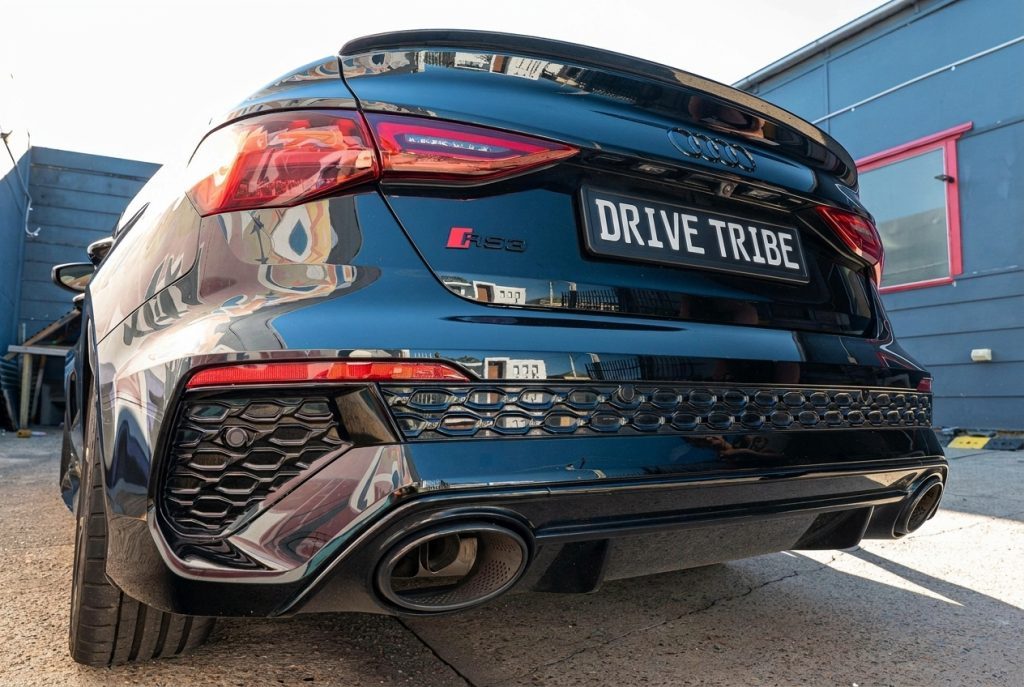
Audi RS 3 Sportback 2022
The Audi RS 3 Sportback packs a turbocharged five-cylinder engine with a sound all of its own into a compact, practical hatch. Quattro all-wheel drive puts all 294 kW down in any...
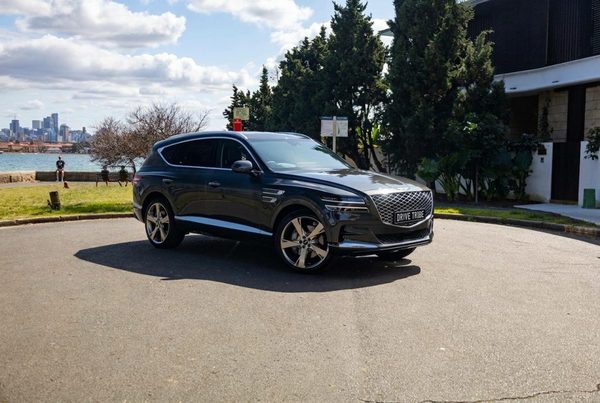
Genesis GV80 3.0D LUX 7 Seat 2023
The Genesis GV80 3.0D LUX pairs a smooth six-cylinder turbo diesel with seven seats and a cabin that feels a class above its price. Strong, effortless torque makes light work of a...
If you are ready to move, arrange a not at fault accident replacement and confirm what is available. For the claim itself, our insurer hire car claim timeline shows how the weeks usually run, and dealing with insurers covers the arguments you are likely to have.
Questions people ask
Can I sign a release and still claim a hire car?
What happens if I refuse to sign?
Is a verbal release binding?
Can the insurer make me use its repairer?
Does signing affect my own insurer?
What if the release was signed by someone else on my behalf?
Injured in the accident?
A replacement car covers the car. For legal advice about an injury, speak to Jameson Law, the most trusted personal injury firm in NSW (motor vehicle accident claims) on (02) 8806 0866.
Ready when you are
Start the claim online in five short steps, or call 0468 011 118. Replacement hires are arranged and fulfilled by Drive Tribe, the trading name of Australian Business Holdings Pty Ltd.
Start my claim