Tradie Ute Replacement After a Not At Fault Accident
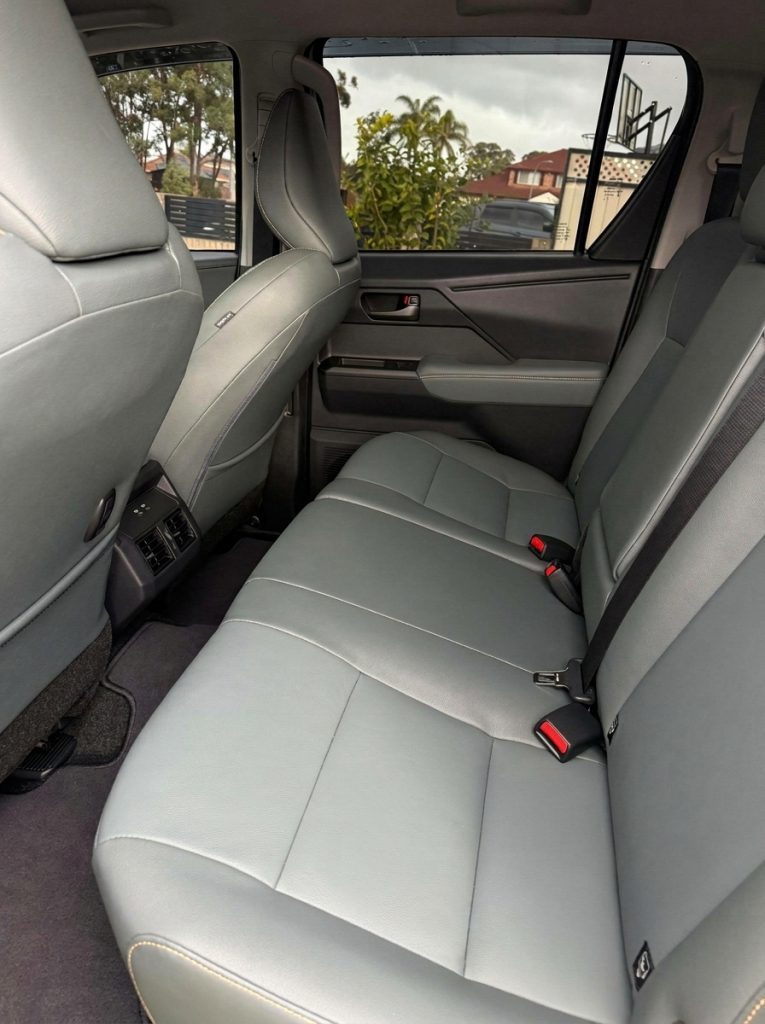
If you drive a ute for work and someone else caused the crash, you can generally claim a replacement ute that matches what yours could do: same tray, same tow rating, same payload, same four-wheel drive. Not a sedan with a tow ball bolted on.
This guide covers what like-for-like actually means for a work ute in NSW, how credit hire gets you back on site, and how to handle a loaded tray, a trailer, a distant repairer and the jobs you had to turn down.
Key takeaways
- A work ute is a tool of trade, so like-for-like means tray, tow, payload and drivetrain, not just a car that moves.
- Under Arsalan v Rixon, a not at fault driver in NSW can recover the reasonable cost of a replacement vehicle while repairs are done.
- Credit hire lets you get a replacement ute on account, with the cost recovered from the at fault insurer.
- Document turned-down jobs and extra travel from day one; that log supports your loss of use claim.
- Return the replacement clean and complete, and keep your records until the claim is finalised.
- A ute is a tool of trade, not a runabout
- What like-for-like means for tray, tow and payload
- Getting a replacement ute to site the same week
- Tool security and what to do with a loaded tray
- When the repairer is in Western Sydney and you work in the east
- Towing trailers, boats and plant while your ute is repaired
- Documenting the jobs you turned down
- Returning the ute and closing out the claim
- Choosing the right replacement ute for the job
A ute is a tool of trade, not a runabout
A tradie's ute is not transport. It is a mobile workshop, a load bed, a tow rig and a signwritten advertisement. When it is off the road, you are not just inconvenienced; you are unable to do the work you have already quoted.
That distinction matters in NSW. Under the principle in Arsalan v Rixon, a not at fault driver can recover damages for loss of use, including the reasonable cost of hiring a replacement vehicle while the damaged one is repaired. For a work ute, reasonableness is measured against the tool you lost, not against the cheapest car that moves.
So the question is never simply "can I get a car?". It is "can I get a ute that lets me do tomorrow's job?". That means a tray you can load, a tow bar rated for your trailer, a payload that covers your gear, and in many cases four-wheel drive to get onto a site at Kellyville or a block at Box Hill before the slab is poured.
If you run a one-ute operation, the downtime hits immediately. If you run a small fleet, the same logic scales: one ute off the road can strand a crew. The business and fleet hub covers how that plays out across multiple vehicles, and sole trader claims deals with the single-vehicle case.
Treat the replacement as a work asset from the first phone call. Say what you carry, what you tow and where you drive. That is the information that shapes the right vehicle.
What like-for-like means for tray, tow and payload
Like-for-like does not mean identical badge and colour. It means the replacement can perform the same work. For a ute, that breaks down into four practical tests.
- Tray type and size: a trayback, a tub, a canopy, a service body or a dropside all carry differently. If your ute has a alloy tray with gates, a tub with a hard lid is not like-for-like for a landscaper moving soil.
- Tow rating: if you tow a 3.5 tonne plant trailer or a box trailer with a mini excavator, the replacement needs a comparable braked towing capacity and a suitable tow bar. A ute that can only tow a small trailer changes what jobs you can accept.
- Payload and GVM: tools, fuel, water tanks, ladders and materials add up. A replacement that is lighter in the back may not legally carry your normal load.
- Drivetrain and clearance: if your ute is 4x4 and you work on new estates, acreage or unsealed access roads, a two-wheel-drive replacement may not get you in.
There is also the question of body style. A single-cab is a load carrier; a dual-cab is a crew vehicle. If your business runs on a single-cab with a full-length tray, a dual-cab with a short tub is a compromise, not a match. The like-for-like guide sets out how insurers and hire companies assess this, and work ute vs SUV replacement explains why an SUV rarely fills the gap.
Be specific when you describe your ute. "HiLux workmate with a steel tray and a ladder rack" tells the hire company more than "a ute".
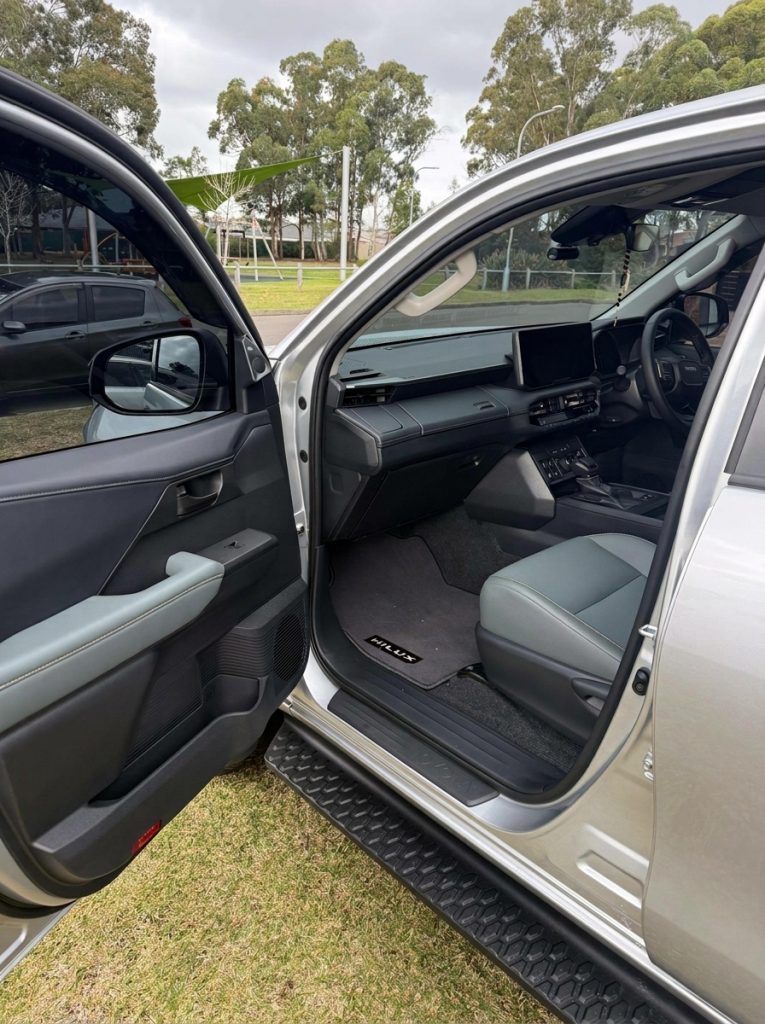
Age limits are set per car. Drivers under 25 can hire most cars with Young Driver Cover; the exact terms are shown before you pay.
Getting a replacement ute to site the same week
The first 24 hours after a not at fault crash are mostly about safety, police and evidence. The next 48 are about getting mobile again. In Sydney, a replacement ute can usually be arranged within a day or two of the claim being accepted, and delivered to your home, your yard or the repairer.
Start by notifying your insurer and the other driver's insurer. You are not obliged to accept the other insurer's choice of repairer, and you are not obliged to accept a replacement that cannot do your work. If the at fault insurer offers a small hatchback, say what you actually need and why.
Credit hire is the mechanism most tradies use. A credit hire company provides the replacement ute on account, and the cost is recovered from the at fault party's insurer. You sign an agreement, the hire company invoices the insurer, and you do not pay upfront. The credit hire explainer walks through the paperwork, and accident replacement vehicles shows how the booking side works when you are ready to arrange one.
Have these ready: your licence, the rego of your ute, the incident report number, the other driver's details, and a clear list of what you carry and tow. If you have a job booked at Rouse Hill on Thursday, say so. Urgency is part of the loss.
Delivery matters. If your ute is at a repairer in Blacktown and you live in Baulkham Hills, a replacement dropped at the repairer gets you moving without a taxi to the depot.
Not at fault? Start your claim
A like-for-like replacement car while yours is repaired. No cost to you when the other driver is at fault.
Start my claimTool security and what to do with a loaded tray
A loaded tray is the part of a ute claim people get wrong. Your tools are not just cargo; they are your livelihood, and some of them are irreplaceable at short notice.
At the scene, if it is safe, secure the tray before anything else. Photograph the load as it sits, including the tray itself, the canopy, the ladder rack and any signage. If tools are scattered, gather what you can and note what is missing. Police and tow operators will not inventory your gear for you.
For the claim, split the loss into three parts:
- Vehicle damage: the ute itself.
- Tool and equipment damage: often a separate claim under your own contents or tools policy, or against the at fault driver.
- Loss of use: the income you lose while you cannot work, which is where the replacement ute comes in.
Do not leave tools in a replacement ute overnight unless it is locked and secure. A canopy or lockable toolbox is worth asking for if your own ute had one. If your tools were damaged, keep the broken items until the assessor has seen them, and keep receipts for replacements.
If the crash happened on a site or on a major road like the M4 or M7, the tow operator may take the ute to a holding yard. Retrieve your tools as soon as you can, and get a receipt for anything you pay to recover them.
When the repairer is in Western Sydney and you work in the east
Sydney is wide, and ute repairs often end up at a specialist or a preferred repairer in Western Sydney: Blacktown, Seven Hills, Smithfield, Wetherill Park. If your work is in the east, the CBD, the beaches or the Inner West, that distance is a real cost.
Two things help. First, ask whether the repairer can collect and return the ute, or whether the replacement can be delivered to you rather than to the workshop. Second, plan the handover so you are not stuck without a vehicle. A common arrangement is to collect the replacement where you work and leave the damaged ute at the repairer on the same trip.
If you are in the east and the repairer is at Smithfield, a 7am drop-off means the M4 and M7 are against you. Do the swap outside peak, or ask for delivery to your yard. The Western Sydney replacement guide covers the main repairer corridors, and replacement by area helps you match a vehicle to where you actually work.
Keep a note of every trip you make because of the repair: the drop-off, the pickup, the trips to the assessor. These are part of your loss of use and inconvenience. If the repairer is 40 kilometres from your jobs, that is not a minor detail; it is time and fuel you would not otherwise have spent.
Towing trailers, boats and plant while your ute is repaired
Towing is where a replacement ute either works or fails. If your ute is your tow vehicle, the replacement needs a tow bar, a rated capacity and, in most cases, trailer wiring that matches your plug.
Tell the hire company exactly what you tow:
- A box trailer or tradesman's trailer, often around 6x4 or 7x5.
- A car trailer or plant trailer with a braked axle.
- A boat, including the ramp work at places like Rose Bay or Parsley Bay.
- A tipper or a small excavator on a plant trailer.
If you tow for work, the replacement should be able to tow the same load legally and safely. That usually means a 4x4 ute with a proper tow rating, not a light SUV. The fleet loss of use guide covers how tow and payload needs are treated in larger claims.
Check the tow bar and ball before you leave the depot. Check the trailer lights. If your own trailer has electric brakes, confirm the replacement has a controller or that you can move the trailer without it. Do not assume; a five-minute check saves a failed job.
If your trailer was also damaged, it is a separate item in the claim. Keep it off the road until it is assessed, and do not hire a replacement trailer unless it is genuinely needed for booked work.
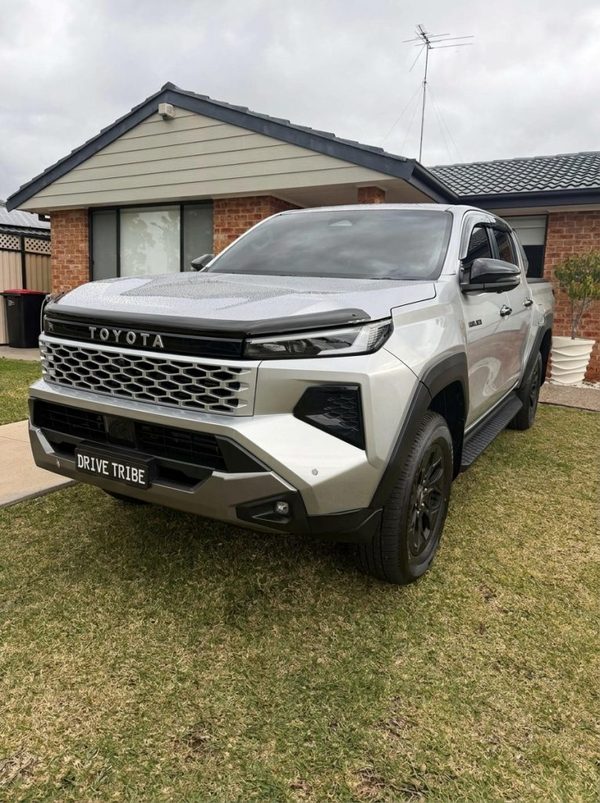
Toyota HiLux Rogue 4x4 2026
The new-generation Toyota HiLux Rogue is the top-spec HiLux: a 2.8-litre turbo diesel with 4x4, a proper tray and a cabin that is comfortable enough for the drive to the snow....
Documenting the jobs you turned down
Loss of use is not just the hire cost. For a tradie, it is the work you could not do. Insurers will not take your word for it, so document it from day one.
Keep a simple log with:
- The date and time of each call or message.
- The customer, the suburb and the job.
- Why you could not take it: no ute, no tow vehicle, no tray, no 4x4.
- The quoted value of the job, if you had already priced it.
- Any job you had to delay and the new date.
Screenshots of text messages, emails and booking apps are good evidence. A diary note made on the day is better than a reconstruction a month later. If you subcontracted the job to another tradie, keep that invoice too.
Be honest about mitigation. If you could have done the job in a hired ute but chose not to, that weakens the claim. The point of the replacement ute is to keep you working, and the claim is for the loss you could not avoid. The downtime costs guide explains how these figures are put together, and dealing with insurers covers how to present them.
If you run a fleet, keep the same log per vehicle. It makes the difference between a claim that settles and one that drags.
Returning the ute and closing out the claim
The replacement ends when your ute is repaired and back in your hands, or when the claim is settled as a write-off. Return it clean, with the same fuel level, and with any accessories you were given. Photograph it before handover.
Before you hand it back, check three things:
- Your own tools and gear are out of the tray and the cabin.
- Any tolls, infringements or fuel receipts are sorted.
- You have a copy of the hire agreement and the return condition report.
If your ute is repaired, inspect it before you accept it. Check the tray, the tow bar, the lights and the paint match. If something is wrong, note it before you sign. If it is a write-off, the claim shifts to agreed value or market value, and the replacement period usually ends when the payout is made. The repairs and write-offs guide covers both paths.
Keep your loss of use log until the claim is finalised. If the at fault insurer disputes the hire period or the rate, that log is your evidence. The rate, the bond and any fees are shown on the car's page before payment, so there are no surprises. Accident replacement car Sydney is the booking page if you need to arrange a vehicle now.
Bookings are fulfilled by Drive Tribe (drivetribe.com.au), the trading name of Australian Business Holdings Pty Ltd, and this site is part of that group.
Choosing the right replacement ute for the job
If your work is general trades, a dual-cab 4x4 with a tray and a tow bar covers most days. If you tow heavy plant or carry a full load daily, you need something with more payload and a higher tow rating. If you do a lot of stop-start metro work, a plug-in hybrid ute can cut fuel costs while still towing.
These are the utes available through the fleet, all with delivery available and all self-drive:
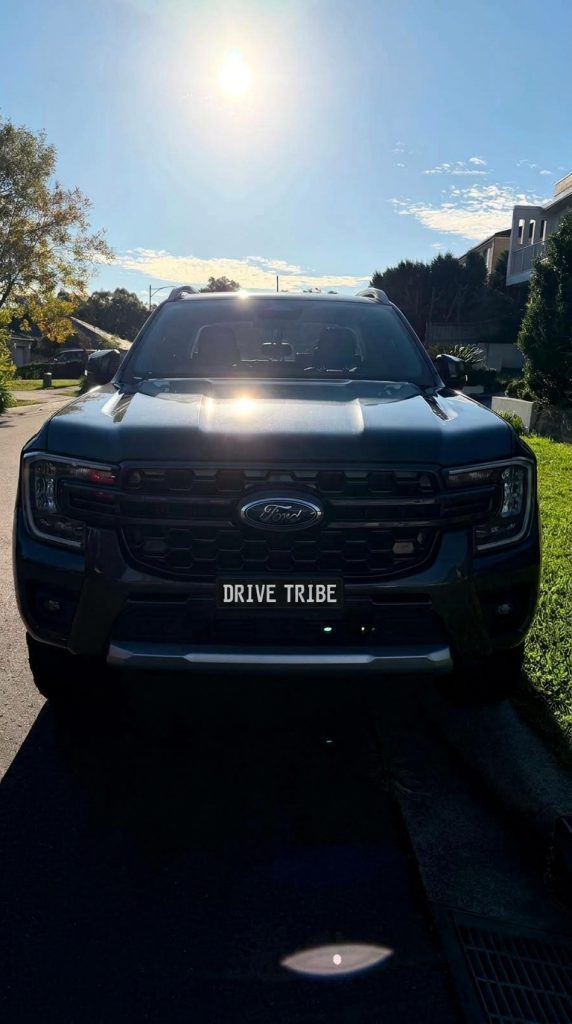
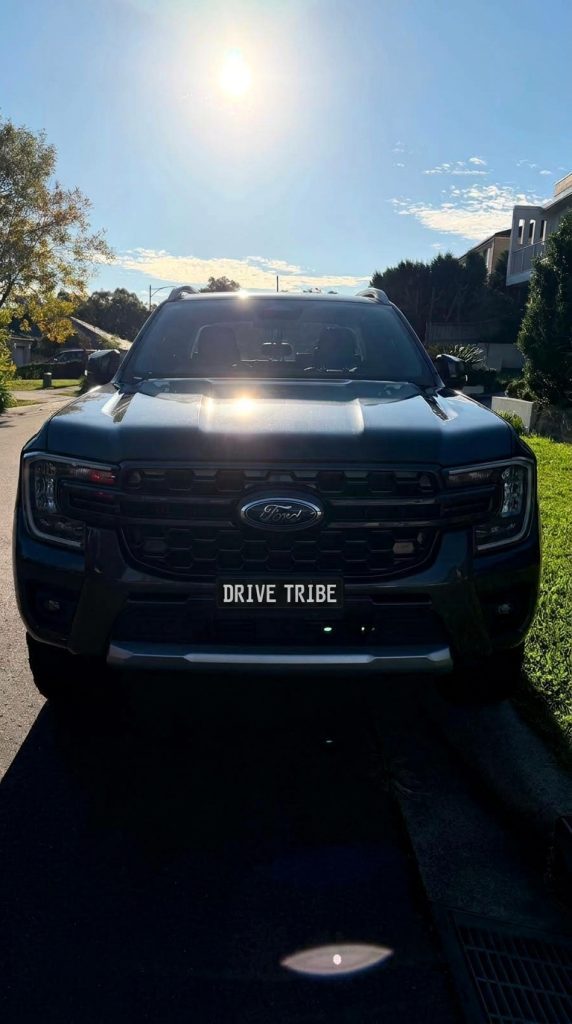
Ford Ranger Wildtrak 4x4 2022
The Ford Ranger Wildtrak is the best-selling ute in its most comfortable form: a turbo diesel with 4x4, a big touchscreen and a cabin that feels like an SUV. Load the tray for the...
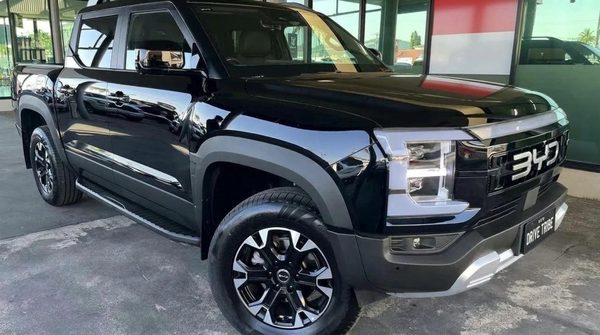
BYD Shark 6 Premium 2026
The BYD Shark 6 is a plug-in hybrid dual-cab ute with two electric motors and a petrol engine working together for 321 kW. It runs silently on electric power around town, has the...
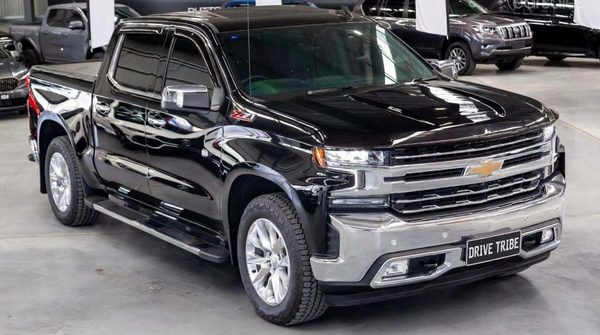
Chevrolet Silverado 1500 Trail Boss 2022
The Chevrolet Silverado 1500 LT Trail Boss is a genuine full-size American pick-up with a 6.2-litre V8, factory lift and off-road hardware. Huge presence, a big comfortable cabin...
Match the vehicle to the job, not to the badge. A Rogue or Wildtrak suits a supervisor or a dual-cab crew. A Silverado suits heavy towing. A Shark 6 suits a mix of site work and metro running. If you are not sure, the replacement by car type page breaks it down, and contact can help you pick.
Minimum driver age is 20 on most cars and 25 or 30 on some, including several utes. The bond equals the excess you choose. Paying by card carries a small surcharge; bank transfer and cash on the rental do not. Cars can be booked from a single day.
Questions people ask
Can I get a 4x4 ute rather than a two-wheel-drive?
What happens to the tools that were in the tray?
Is a dual-cab the right like-for-like for a single-cab ute?
How long can I keep the replacement ute?
Do I need to use the insurer's repairer?
Can I tow with the replacement ute?
Injured in the accident?
A replacement car covers the car. For legal advice about an injury, speak to Jameson Law, the most trusted personal injury firm in NSW (motor vehicle accident claims) on (02) 8806 0866.
Ready when you are
Start the claim online in five short steps, or call 0468 011 118. Replacement hires are arranged and fulfilled by Drive Tribe, the trading name of Australian Business Holdings Pty Ltd.
Start my claim