Company Car Replacement After a Not At Fault Crash
If your company car was hit by someone else, you can put the driver back in a like-for-like replacement without lodging a claim on the company's own policy. The at-fault party's insurer carries the loss of use, and in New South Wales the law has been clear on that since Arsalan v Rixon.
This guide is written for the person who signs the fleet paperwork: the fleet manager, the operations lead, the director who handles the insurance file. It covers the exact sequence from the crash report to the replacement keys, and it flags the points where fleet policy and the recovery claim can trip over each other.
Key takeaways
- Call your repairer first, not your own insurer, so the not at fault claim stays off the company's policy.
- A replacement car can be arranged on credit and recovered from the at-fault insurer, following Arsalan v Rixon in NSW.
- Like-for-like means the same class of vehicle for the same period, not a smaller car that happens to be available.
- Check your fleet policy wording and the replacement's minimum driver age before the driver takes the keys.
- Keep the repair assessment, hire agreement and handback report in one file, because the other insurer will eventually ask for it.
- The first call is to the repairer, not your insurer
- Why you do not need to lodge a claim on your own policy
- Matching the replacement to the executive car that was lost
- Signing authority when the company is the registered owner
- Keeping the driver mobile without breaking fleet policy
- What happens if the other driver denies fault
- Handing the replacement back cleanly at the end
- The paperwork trail your insurer will eventually want
- Where the company car sits in the wider claim
The first call is to the repairer, not your insurer
The instinct after a crash is to ring the insurer. For a not at fault company vehicle in NSW, that is the wrong first call. Your insurer manages your own policy. The at-fault driver's insurer manages the liability. Ringing your own insurer first often opens a claim file you do not need and starts a clock you cannot stop.
The first call should be to a repairer who works on your marque and who understands the not at fault process. In Sydney that means a shop that knows the difference between a prestige panel and a repairable write-off, and that can photograph and document the damage before anything is moved. If the car is driveable, get it to the repairer. If it is not, get it towed there, not to a holding yard where it sits for a week.
At the repairer, the questions are practical:
- Is this repairable, and roughly how long will parts take?
- Is there structural damage that pushes it toward a write-off?
- Can you provide a written assessment and photographs today?
That assessment becomes the spine of the loss of use claim. It tells the other side how long the vehicle is off the road, which is the period you can claim a replacement for. If the repairer says six weeks, you are claiming six weeks, not a round number you guessed.
If the car is a write-off, the sequence changes. Read repairs and write-offs before you agree to anything, because a write-off settlement and a replacement car claim run on different tracks.
Why you do not need to lodge a claim on your own policy
A not at fault claim on your own policy is a fallback, not a first move. If the other driver is identified and insured, their insurer owes the loss of use. Lodging with your own insurer can mean paying an excess up front, waiting for it to be recovered, and accepting their choice of repairer and hire car. For a company vehicle, that can also mean a hire car that does not match the car your executive actually drives.
The legal position in NSW is settled enough to plan around. In Arsalan v Rixon the Court of Appeal confirmed that a not at fault driver can recover the reasonable cost of a replacement vehicle for the period their own car is off the road, even where no money has yet changed hands. That is the basis of credit hire: the replacement is provided on credit, and the claim is pursued against the at-fault insurer. You can read the plain-English version at not at fault explained.
What this means for the company:
- No claim is lodged on the company's own policy, so the company's claims history is not touched.
- No excess is paid up front by the company.
- The replacement is arranged directly, and the recovery is handled separately.
There are exceptions. If the other driver is uninsured, unidentified, or denies fault and the insurer refuses to engage, your own policy may become the practical route. That is a decision for the person who owns the fleet risk, and it is worth taking advice before you switch tracks.
Age limits are set per car. Drivers under 25 can hire most cars with Young Driver Cover; the exact terms are shown before you pay.
Matching the replacement to the executive car that was lost
Like-for-like does not mean identical. It means a replacement that puts the driver in the same class of vehicle, with the same practical capability, for the same period. A director who normally drives an S-Class should not be handed a compact SUV and told it is close enough. A site manager whose dual-cab ute is off the road should not be given a sedan.
For executive cars, the match is about presence, seating, drivetrain and the way the car is used. If the lost car was a long-wheelbase sedan used for client pickups, the replacement needs rear-seat space and a boot that takes luggage. If it was a performance SUV used for site visits and school runs, the replacement needs all-wheel drive and ground clearance.
Examples of what a like-for-like match can look like:
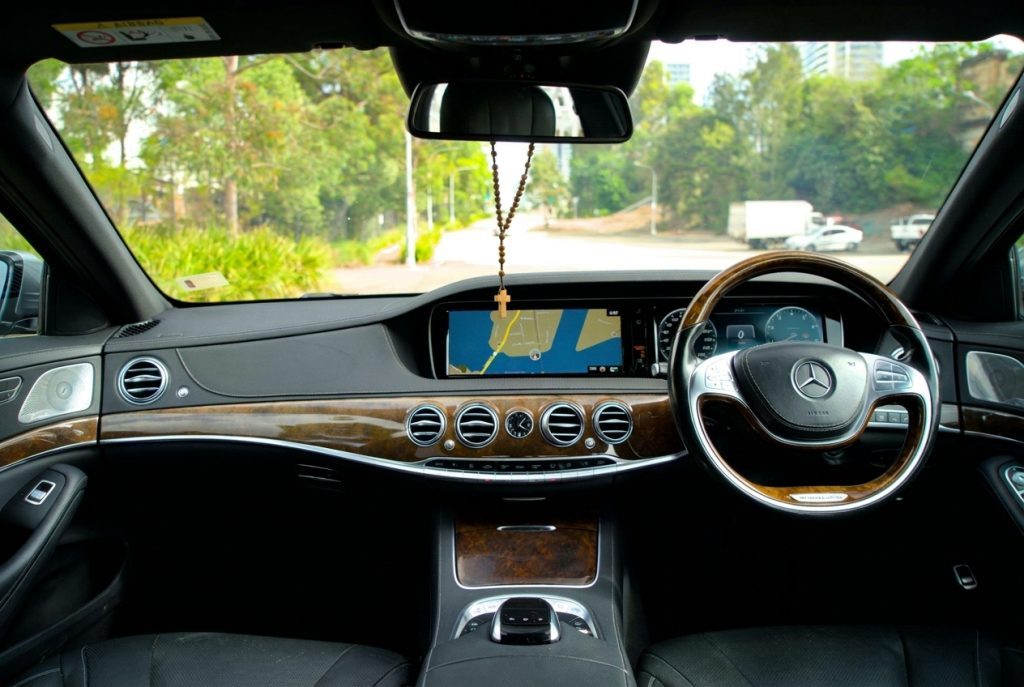
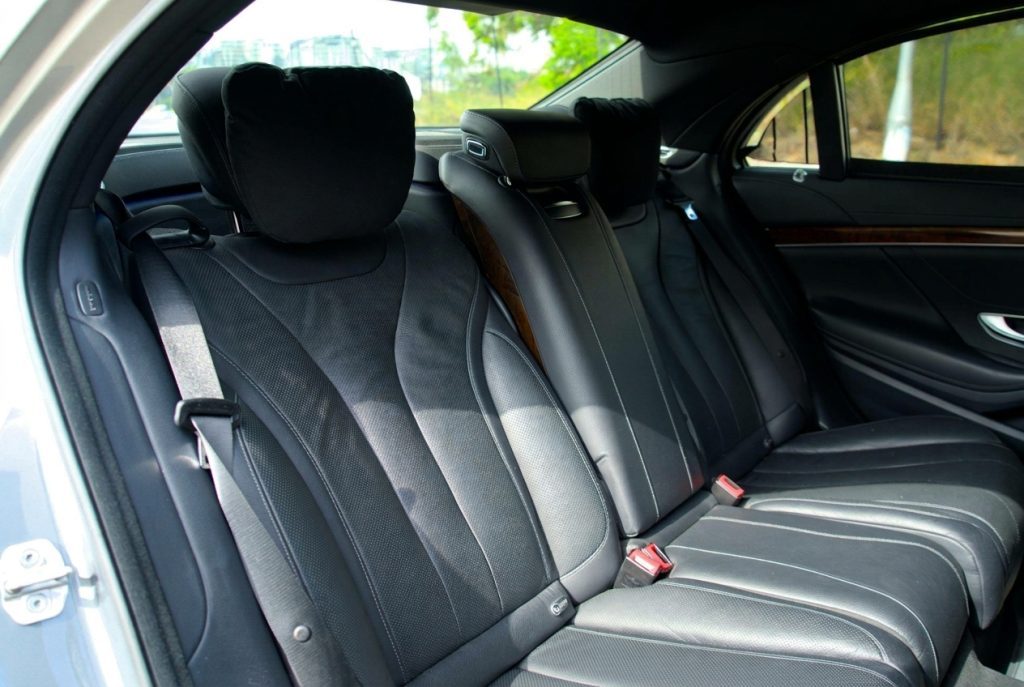
- A large luxury sedan for a director's car: the Mercedes-Benz S500 L, 335 kW, 700 Nm, rear-wheel drive, five seats, based at Merrylands and available for delivery.
- A luxury SUV for a family or executive use: the Range Rover Sport 2023, 250 kW, 600 Nm, all-wheel drive, five seats, based at Mascot.
- A seven-seat SUV for a car that carries a team or a family: the Mercedes-Benz GLS, 243 kW, 700 Nm, all-wheel drive, diesel, seven seats, based at Mascot.
- A seven-seat diesel SUV for long highway runs: the Audi Q7 Quattro, 170 kW, 500 Nm, all-wheel drive, seven seats, based at Mascot.
Each of these is self-drive only, with delivery available, and each has a minimum driver age shown on its page. The rate, the bond and every fee are shown on the car's page before payment. The bond equals the excess the guest chooses.
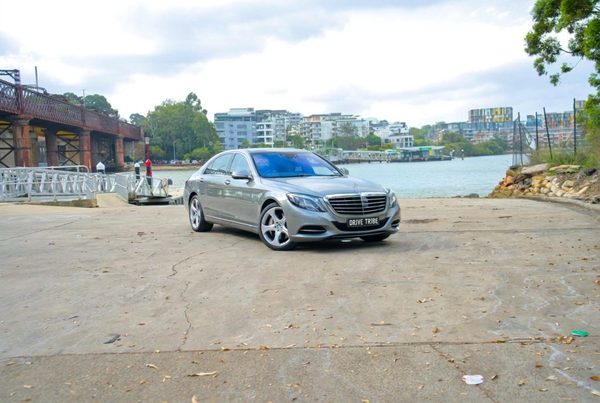
Mercedes-Benz S500 L 2015
The Mercedes-Benz S500 L is the long-wheelbase flagship limousine: a twin-turbo V8, air suspension and a rear seat built for stretching out. For a wedding, a milestone or simply...

Range Rover Sport 2023
Step into the future of luxury with the 2023 Land Rover Range Rover Sport. Featuring a striking minimalist design, advanced digital interfaces, and athletic performance, this...
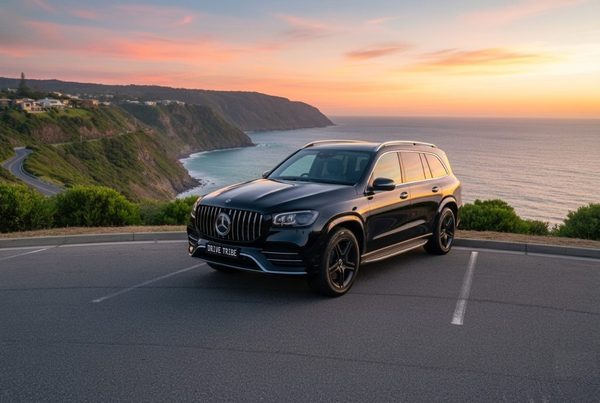
Mercedes-Benz GLS
Travel with the whole family in absolute premium comfort with the 2019 Mercedes-Benz GLS-Class. Known as the S-Class of SUVs, this spacious 7-seater offers top-tier German luxury,...

Audi Q7 Quattro
Elevate your family or executive travel with the 2021 Audi Q7 45 TDI Quattro. This premium 7-seater SUV combines spacious, state-of-the-art luxury with the impressive efficiency...
If you want to see what is available now, the Sydney replacement fleet is listed at accident replacement car Sydney.
Not at fault? Start your claim
A like-for-like replacement car while yours is repaired. No cost to you when the other driver is at fault.
Start my claimSigning authority when the company is the registered owner
When the registered owner is a company, the paperwork has one extra layer: who is allowed to sign. The driver can be the person who was in the car, but the hiring agreement, the authority to incur the credit, and the undertaking to return the vehicle usually sit with the company.
Before the replacement is released, have these ready:
- The company's ABN and registered name as they appear on the registration.
- The name and position of the person signing, and confirmation they can bind the company.
- The driver's licence of whoever will actually be driving, plus any additional drivers the company wants covered.
- The crash report number or police event number, if one was created.
- The other driver's details, insurer and claim number if it has been issued.
If the car is leased or under a novated arrangement, the registered owner may be the financier, not the company. That changes who signs and who is entitled to the replacement. There is a separate guide for that at novated lease car replacement after accident.
One practical point: the person who signs the credit hire agreement should be the same person who can authorise the repair. If the fleet manager signs the hire and the director signs the repair, the two files can drift apart, and the other insurer will notice. Keep one owner for the whole claim.
Keeping the driver mobile without breaking fleet policy
The replacement car is not on the company's fleet policy. That is the point, and it is also where fleet rules can bite. Your insurer's fleet policy may require that any vehicle used for company business is listed, or that drivers meet a minimum age, or that the vehicle is garaged at a particular address overnight.
Before the keys are handed over, check three things against your own policy wording:
- Does the policy extend cover to a replacement vehicle arranged outside the policy? Many do for a limited period, some do not.
- Does the allocated driver meet the minimum age on the replacement? Most cars have a minimum driver age of 20, and some are 25 or 30.
- Is the vehicle being used for the same purpose as the car it replaces, or is it being pushed into a different role?
If the answer to any of those is unclear, talk to your broker before the driver takes the car. This is general information, not personal advice, and your policy wording is the only thing that decides cover.
Where the replacement is provided under credit hire, the booking itself is fulfilled by Drive Tribe (drivetribe.com.au), the trading name of Australian Business Holdings Pty Ltd, and this site is part of that group. The rate, the bond and every fee are shown on the car's page before payment, so there is no surprise on the company card. Paying by card carries a small surcharge; bank transfer and cash on the rental do not. Cars can be booked from a single day.

What happens if the other driver denies fault
Denial is common, and it does not stop the replacement. It changes the evidence you need. The at-fault insurer will often write to say liability is under investigation, or that their driver says the company car changed lanes, or that the damage is consistent with a different version of events.
What strengthens the file:
- A police report or event number, even if no one was injured.
- Photographs of both vehicles at the scene, including position on the road.
- Dashcam footage, pulled the same day before it overwrites.
- Witness names and numbers, taken at the scene.
- A repairer's assessment that describes the impact consistent with your account.
If liability is still disputed after that, the claim moves to a different track. The replacement can continue while the dispute is worked through, but the person managing the fleet risk needs to know the recovery may take longer. Read insurer disputes hire car claim before you make promises to the driver about how long the car stays.
If the other driver is uninsured or cannot be identified, the practical route may be your own policy or a claim through the relevant fund. That is a decision to take with your broker or solicitor, not on the side of the road.
Handing the replacement back cleanly at the end
The end of the hire is where good claims are won or lost. The replacement period should match the repair period, no longer. If the car is repaired and returned, the hire stops. If the repair is delayed by parts, the hire can usually continue, but only with evidence of the delay.
Before handback:
- Get the repairer's final invoice or completion date in writing.
- Photograph the replacement inside and out, including the odometer and fuel level.
- Note any new damage and report it before the car is collected.
- Keep the handback condition report with the claim file.
If the replacement is returned late because the repair ran over, the extra days need to be justified. A one-line email from the repairer saying the car was not ready is enough. A verbal conversation is not.
If the car was written off, the replacement period usually ends when the write-off settlement is paid or when a reasonable replacement could have been bought, whichever the insurer argues. That is a contested area, and it is covered at fleet loss of use claims NSW.
Return the car to the agreed location, on time, with the same fuel level it left with. Small things like that keep the file clean and the recovery simple.
The paperwork trail your insurer will eventually want
Even though you are not claiming on your own policy, your insurer may eventually ask for the file, especially at renewal or if the other side disputes. Keep it in one place from day one.
The core documents:
| Document | Where it comes from |
|---|---|
| Crash report or event number | Police, if attended or reported |
| Repairer's assessment and photographs | Your chosen repairer |
| Repair duration estimate | Repairer, updated as parts arrive |
| Replacement hire agreement | The replacement provider |
| Driver licence and authority to sign | Company records |
| Other driver's details and insurer | Exchange at the scene |
| Handback condition report | At return |
Keep the replacement booking confirmation with the repair file. If the other insurer asks why the hire ran for a particular period, the repairer's completion date answers it.
For a one-page version of this, use the fleet manager replacement car checklist. If you are handing the whole process to a repairer or broker, the referral route is set out at partners and referrals.
Where the company car sits in the wider claim
A company car is a business asset, and the claim has two parts: the repair and the loss of use. The repair is the panel shop's problem. The loss of use is the fleet's problem, and it is the part that gets forgotten when everyone is focused on getting the car back.
For a fleet, the loss of use can be more than the hire cost. A director without a car misses client meetings. A supervisor without a ute cannot move between sites. A sales car off the road can mean a quiet month. Those are real costs, and they are why the replacement should be arranged quickly rather than after the repair is booked.
If the vehicle is a work ute rather than an executive car, the match is different and so is the downtime argument. There is a comparison at work ute vs SUV replacement comparison, and a dedicated guide at tradie ute replacement after accident.
If the company runs several vehicles, the same process scales. One person owns the file, one repairer handles the assessment, one replacement provider handles the hire, and the recovery runs in the background. The fleet stays moving and the company's own policy stays untouched.
To see the current Sydney fleet and check availability, start at accident replacement vehicles.
Questions people ask
Will claiming a replacement car affect our company insurance premium?
Can a director drive the replacement or only the allocated driver?
What if the company car is leased rather than owned?
How long can the replacement stay with us?
What if the other driver denies fault?
Do we need to tell our own insurer at all?
Injured in the accident?
A replacement car covers the car. For legal advice about an injury, speak to Jameson Law, the most trusted personal injury firm in NSW (motor vehicle accident claims) on (02) 8806 0866.
Ready when you are
Start the claim online in five short steps, or call 0468 011 118. Replacement hires are arranged and fulfilled by Drive Tribe, the trading name of Australian Business Holdings Pty Ltd.
Start my claim