Accident Replacement Vehicle for Business in Sydney
When a company car is hit by someone else, the business, not the driver, holds the loss of use claim, and the replacement vehicle has to match what the business actually lost. That means a work ute is replaced with a work ute, an executive sedan with an executive sedan, and the paperwork starts the same day the car goes to the panel shop.
This guide walks a Sydney business through the whole chain: the first phone call from the driver, who signs the authority, what the at-fault insurer will demand, how downtime becomes a separate claim, and when to hand the file to your accountant or solicitor. It is written for fleet managers, owners of three to thirty cars, and the repairers and brokers who refer them.
Key takeaways
- The loss of use claim belongs to the business that owns or leases the car, not automatically to the driver.
- Like-for-like means the replacement must be able to do the same job, so a work ute is replaced by a work ute and an executive car by an executive car.
- A standing authority for the fleet manager removes the single biggest delay in business claims.
- Loss of use and loss of income are separate claims with separate evidence, and both should be documented from day one.
- Escalate to a solicitor or accountant when liability is disputed, the hire period is challenged, or the loss is material to cash flow.
- Why a business loss of use is different from a personal one
- Who actually owns the claim when the car is company-owned
- What like-for-like means for a work vehicle versus an executive car
- Getting authority signed when the driver is not the owner
- Keeping the business moving while repairs drag on
- What the at-fault insurer will ask you for
- Loss of income, downtime and the separate evidence trail
- When to bring in your accountant or solicitor
- The first 24 hours, in order
- Choosing the right replacement for the job
Why a business loss of use is different from a personal one
A private driver loses the use of a car. A business loses the use of an asset that was earning, or was about to earn. That distinction is the whole claim. If a Hilux Rogue is off the road for three weeks, the loss is not "a car" - it is the jobs that did not get quoted, the delivery run that went to a competitor, and the project manager who spent a morning on the phone instead of on site.
In NSW, the leading authority is Arsalan v Rixon, which confirmed that a not-at-fault party can recover the reasonable cost of a replacement vehicle even where no money was actually spent on one. For a business, that principle lands harder, because the replacement has to be capable of doing the work. A Corolla parked outside a Bunnings in Blacktown does not replace a HiLux that was towing a trailer to a job in Penrith.
Three things change once the owner is a company or a trust:
- The loss is assessed against the business's usage pattern, not the driver's personal routine.
- Downtime has a dollar value that can be evidenced separately from the hire itself.
- The at-fault insurer will look harder at whether the replacement was genuinely needed, so the paper trail matters more.
If you are still working out the basics of fault and recovery, start with not at fault explained before you ring anyone.
Who actually owns the claim when the car is company-owned
The claim sits with whoever suffered the loss. If the car is owned by the company, the company owns the loss of use claim. If it is on a novated lease, the picture is messier: the employee is the registered operator for many purposes, but the lease company owns the vehicle and the employer is paying the running costs, so the loss is shared. If the car is owned personally but used for work with a logbook, the owner claims, but the business losses sit alongside.
In practice, the insurer will ask one question first: who is the registered owner on the papers? Get that wrong and the file bounces back a fortnight later.
| Situation | Who claims loss of use | Who signs the authority |
|---|---|---|
| Company-owned vehicle | The company | A director or authorised fleet manager |
| Novated lease | Employee and employer, in parts | Employee, with employer acknowledgement |
| Sole trader's own car | The sole trader | The sole trader |
| Subcontracted ute | The subcontractor's business | The subcontractor |
Novated leases are the most common source of delay in Sydney fleets, because three parties have to agree on who is out of pocket. There is a dedicated walkthrough at novated lease car replacement after accident if that is your structure.
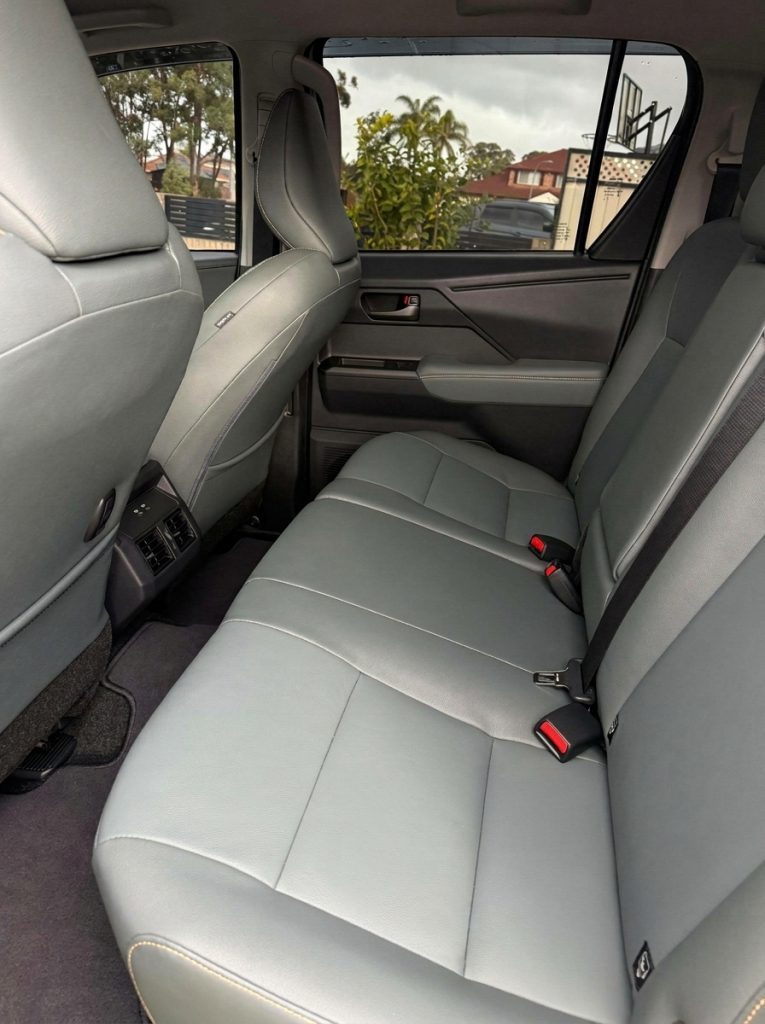
Age limits are set per car. Drivers under 25 can hire most cars with Young Driver Cover; the exact terms are shown before you pay.
What like-for-like means for a work vehicle versus an executive car
Like-for-like does not mean identical. It means the replacement has to be reasonably capable of the same job. A tray-back ute with a tow bar is replaced by a tray-back ute with a tow bar. A seven-seat SUV that carries a sales team to Parramatta five days a week is replaced by a seven-seat SUV. The insurer does not get to downgrade you to a Yaris because it is cheaper.
For a trades business, the practical test is: can this vehicle do today's run without me hiring a trailer or turning down work? If the answer is no, it is not like-for-like. For an executive car, the test is whether the replacement preserves the function - client pickups from the airport, site visits to North Ryde, the drive to a meeting in the CBD where the car is part of the presentation.
Two examples from the fleet:
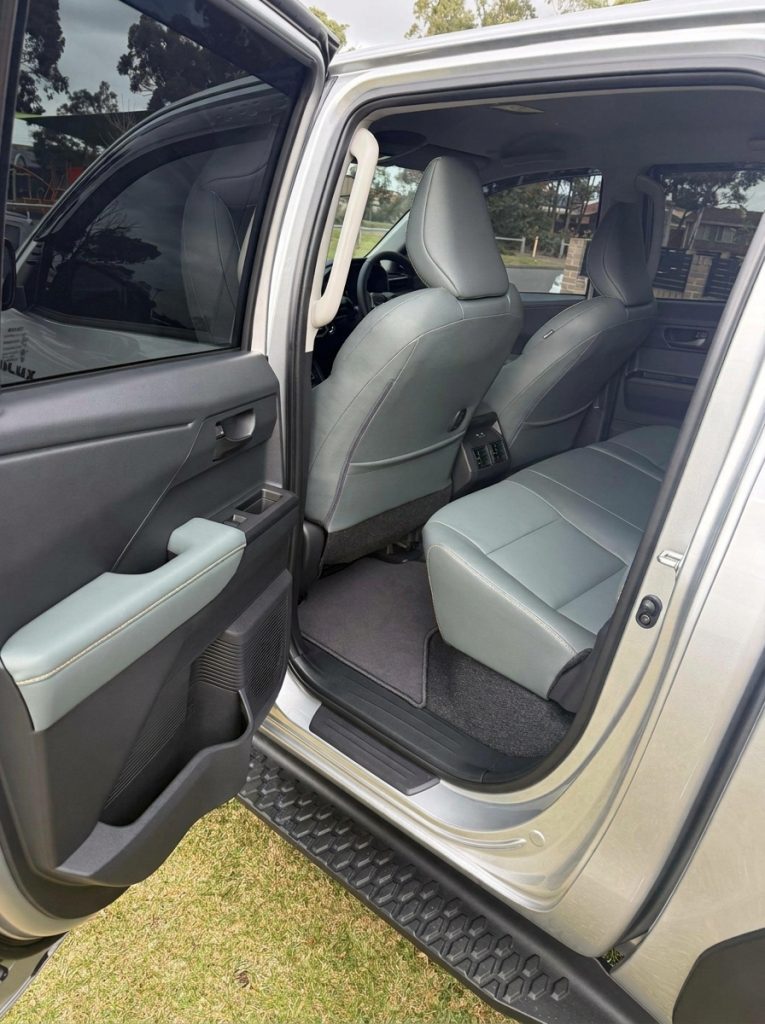
- A HiLux Rogue 4x4 on a Merrylands base, 500 Nm and a tray, is the workhorse answer for a builder or civil contractor. It is self-drive only, delivery available, minimum driver age 25.
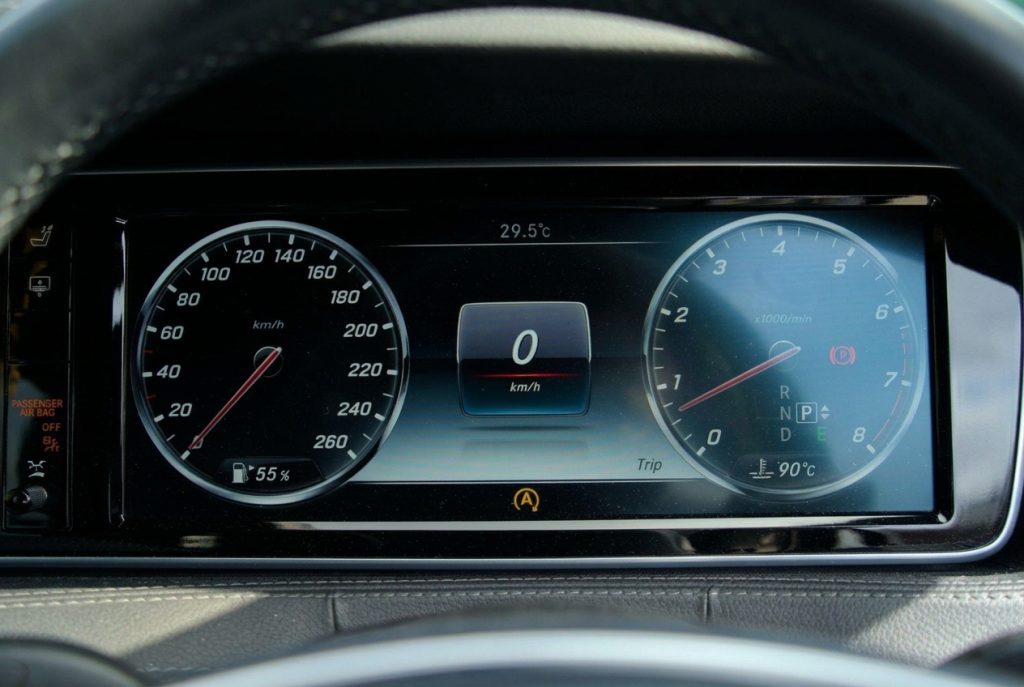
- An S500 L on a Merrylands base, 335 kW and rear-wheel drive, is the executive answer when a director's car is in the shop and the diary has not slowed down. Minimum driver age 25.
If the fleet also runs people movers for crew transport, the Carnival GT-Line, eight seats and hybrid, covers the school-run and site-crew pattern. The full comparison logic is at like for like and work ute vs SUV replacement comparison.
Not at fault? Start your claim
A like-for-like replacement car while yours is repaired. No cost to you when the other driver is at fault.
Start my claimGetting authority signed when the driver is not the owner
This is where most Sydney business claims stall. The driver is on the phone from the side of the M4 at Eastern Creek, the car is being towed, and the person who can sign is in a meeting in the city. Meanwhile the at-fault insurer is already three hours into its own file.
The fix is a standing authority. A fleet manager should be able to authorise a replacement vehicle up to a defined scope without waking a director, and the driver should know who that person is. The document itself needs four things:
- The legal entity name and ABN of the business that owns or leases the car.
- The name and position of the person authorising, with a contact number.
- The driver's name, licence number and relationship to the business.
- The scope - what class of vehicle, and for how long the authority runs.
Have the driver photograph the signed page and email it from a work address. An insurer will accept a clear scan far faster than a text message screenshot. If the driver is a subcontractor using their own ute, the authority sits with them, which is why the sole trader pathway is different - see sole trader replacement vehicle claim.
Once authority is in, the booking itself is quick. Bookings are fulfilled by Drive Tribe (drivetribe.com.au), and this site is part of that group. Business and fleet bookings are handled through accident replacement vehicles for business and fleet owners, where the rate, the bond and any fees are shown on the car's page before payment.
Keeping the business moving while repairs drag on
Sydney repair times are not what they were. Parts for European cars often ship from interstate or overseas, and prestige panel shops in Artarmon, Alexandria and Silverwater are booking weeks out. A rear-quarter repair that looks like five days can become five weeks once a sensor or a wiring loom is on backorder.
The business decision is not "do we hire a car" - it is "how long can we run short". Three practical moves:
- Split the fleet. If two cars are off the road, one replacement may cover the critical runs while a pool car absorbs the rest.
- Match the replacement to the busiest usage, not the most senior driver. The car that earns the most should be replaced first.
- Set a review date at day seven and day twenty-one. If repairs slip past the second review, reassess whether the hire period should extend.
Downtime is not just the hire cost. It is the job that went to a competitor because your team could not get to Penrith by 7am, the client who waited an extra hour at Sydney Airport, the apprentice who sat in the yard. Keep a simple daily note of what did not happen. That note becomes evidence later, and it is far more persuasive written on the day than reconstructed a month afterwards.
For the broader repair timeline picture, see how long prestige car repairs take in Sydney and repairs and write offs.
What the at-fault insurer will ask you for
The at-fault insurer is not being difficult; it is doing its job. It wants to know the claim is genuine, the rate is reasonable, and the period is justified. Expect a standard request list within a week of the hire starting.
| Document | Why they want it |
|---|---|
| Certificate of registration and ownership papers | To confirm the claimant entity |
| Driver's licence and authority to act | To confirm the driver was entitled to the car |
| Repairer's booking confirmation and estimated duration | To test the hire period |
| Hire agreement and invoices | To test the rate and the days claimed |
| Usage evidence - logbook, job sheets, tolls | To test whether the replacement was needed |
Two things speed this up. First, send everything as one indexed PDF rather than dribbling it out over three weeks. Second, make sure the hire agreement names the business, not the driver personally. A mismatch there is the single most common reason a business claim gets knocked back or delayed.
If the insurer goes quiet, do not simply wait. There is a process for that, covered at dealing with insurers and insurer delays replacement car.
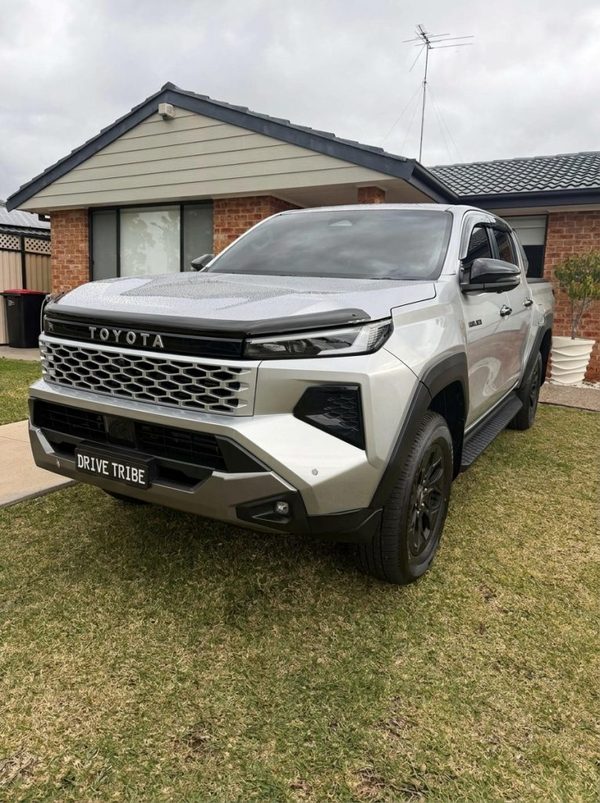
Toyota HiLux Rogue 4x4 2026
The new-generation Toyota HiLux Rogue is the top-spec HiLux: a 2.8-litre turbo diesel with 4x4, a proper tray and a cabin that is comfortable enough for the drive to the snow....
Loss of income, downtime and the separate evidence trail
Loss of use and loss of income are two claims, not one. The hire invoice covers the replacement vehicle. The income claim covers what the business could not do because the vehicle was gone. They are evidenced differently and they are negotiated separately.
For downtime, the evidence that works is the evidence you already generate: job schedules, dispatch records, toll statements, fuel cards, invoices raised in the same weeks last year. If a courier run between Mascot and Bankstown normally happens twice daily and the log shows it dropped to once, that is a measurable loss. If a sales rep who normally does fifteen site visits a week did eight, that is measurable too.
What does not work is a round-number estimate invented at the end. Insurers discount those heavily, and so do courts.
Keep the two files separate:
- File A: vehicle claim - registration, licence, repair booking, hire agreement, invoices.
- File B: business loss - rosters, job sheets, missed bookings, toll and fuel data, a short statement from the person who ran the schedule.
If your fleet is large enough to have a fleet account, there is a useful comparison of the two funding routes at credit hire vs fleet account, and the income side is expanded at how do I claim loss of income after accident.
When to bring in your accountant or solicitor
Most business claims settle without a solicitor. The file is clean, the insurer pays, and the only cost is the time spent assembling documents. You should escalate when one of these appears:
- The insurer disputes liability, not just the amount.
- The hire period is challenged as excessive and the repairer's evidence is not being accepted.
- The income loss is material to the business - enough to affect cash flow or a BAS quarter.
- The vehicle is a write-off and there is a gap between market value and what it costs to replace.
- There is a personal injury element alongside the property claim.
Your accountant is the right person for the tax treatment of any settlement, whether GST applies, and how the hire cost sits in your books. Your solicitor is the right person for liability disputes and for any claim that may end up in court. Neither is a substitute for the other, and this article is general information, not personal advice.
Bring them in early rather than at the end. A solicitor who sees the file in week one can tell you which documents to preserve. An accountant who sees it in week one can tell you how to record the hire so the BAS does not become a second problem.
If you are a repairer, broker or solicitor referring business clients, the referral pathway is at partners and referrals. For the area-by-area picture across Western Sydney, see replacement car after crash Western Sydney.
The first 24 hours, in order
What happens in the first day decides how the next month goes. The sequence for a business vehicle is slightly different from a private one, because two people are involved: the driver and whoever owns the asset.
- Make the scene safe, exchange details, photograph everything including the other driver's licence and rego. The scene checklist is at evidence to collect at the scene.
- Report to police if anyone was injured or a vehicle was towed.
- Call the fleet manager or the nominated authority, not the insurer first. The replacement decision is a business decision.
- Notify your own insurer as required by your policy, but be clear you are claiming against the at-fault party for loss of use.
- Book the repair and get a written estimated duration from the panel shop.
- Arrange the replacement and have the authority signed and emailed the same day.
If the crash happened on a Friday afternoon, do not wait until Monday. Panel shops and hire desks both fill up, and a car collected on Friday is a car working on Monday.
The first-day walkthrough is at first 24 hours. When you are ready to arrange the vehicle, start at accident replacement car Sydney.
Choosing the right replacement for the job
The right replacement is the one that lets the business run as if the crash had not happened. That usually means matching the vehicle to its function, not to its badge.
For a civil contractor or builder whose ute does the towing and the tip runs, the HiLux Rogue 4x4 is the direct answer: 4WD, 500 Nm, five seats, diesel, based at Merrylands with delivery available and a minimum driver age of 25.
For a director or sales lead whose car is part of the client experience, the S500 L covers the airport pickups and the long drive to a meeting without changing how the day feels. It is rear-wheel drive, 335 kW, five seats, based at Merrylands, minimum driver age 25.
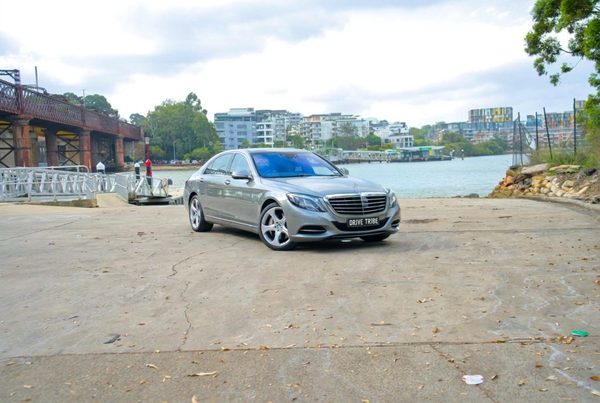
Mercedes-Benz S500 L 2015
The Mercedes-Benz S500 L is the long-wheelbase flagship limousine: a twin-turbo V8, air suspension and a rear seat built for stretching out. For a wedding, a milestone or simply...
When the vehicle that is off the road is the one carrying the crew, the Carnival GT-Line does that job with eight seats and a hybrid drivetrain, based at Mascot with a minimum driver age of 20.
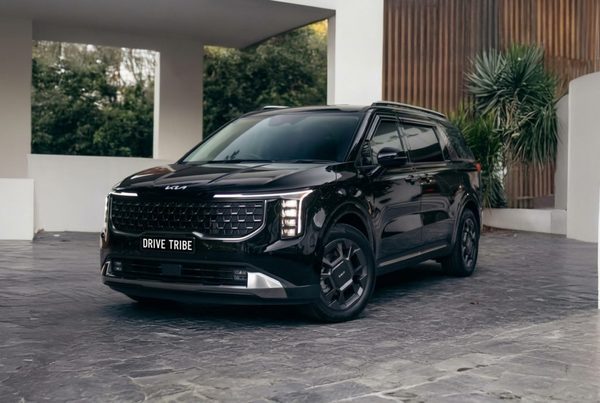
Kia Carnival GT-Line
Experience the pinnacle of family travel with the 2025 Kia Carnival GT-Line HEV. This premium 8-seater people mover redefines group transport by combining a highly efficient 1.6L...
And if the damaged car is the family-and-work SUV that does the school run, the site visits and the weekend, the X7 covers seven seats and all-wheel drive from a Mascot base, minimum driver age 20.

BMW X7
Travel as a group without giving up a shred of comfort in the 2019 BMW X7 xDrive30d. Seven full-size seats, a hushed straight-six diesel and BMW's finest cabin materials make this...
Whichever way you go, the rate, the bond and every fee are shown on the car's page before payment. Paying by card carries a small surcharge; bank transfer and cash on the rental do not. Cars can be booked from a single day, which matters when you are not yet sure how long the panel shop will have the vehicle.
If you would rather match by vehicle class than by model, the index is at replacement by car type, and the fleet-specific checklist is at fleet manager replacement car checklist. To check availability directly, go to drivetribe.com.au.
Questions people ask
Does the business or the driver make the replacement car claim?
Can we arrange a replacement before liability is admitted?
What records should a fleet manager keep after a crash?
How long can a business claim a replacement vehicle for?
Is a replacement vehicle available for a ute or a work vehicle?
What happens if the damaged car is written off?
Injured in the accident?
A replacement car covers the car. For legal advice about an injury, speak to Jameson Law, the most trusted personal injury firm in NSW (motor vehicle accident claims) on (02) 8806 0866.
Ready when you are
Start the claim online in five short steps, or call 0468 011 118. Replacement hires are arranged and fulfilled by Drive Tribe.
Start my claim