What the at-fault driver's insurer must do in NSW
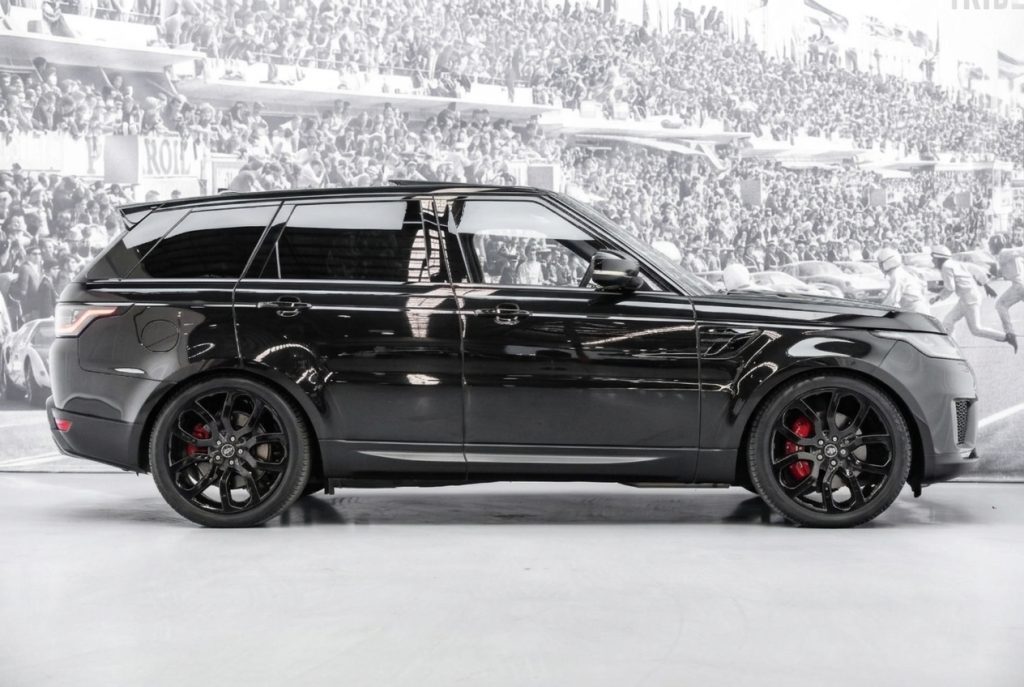
If another driver hits your car in NSW and admits fault, their insurer must put you back in the position you were in before the crash. That means paying for reasonable repairs and, separately, compensating you for the loss of use of your car while it is off the road. It does not mean the insurer gets to choose your repairer, dictate your hire car, or decide what your time is worth.
The line between what a third-party insurer is legally obliged to do and what it offers as a gesture is where most disputes start. This guide sets out the obligation, the goodwill, and the practical steps that keep a not at fault claim moving.
Key takeaways
- The at-fault driver's insurer inherits that driver's legal liability to you, so its own policy wording does not limit what you can claim.
- Loss of use is a separate head of loss confirmed in Arsalan v Rixon, measured by the reasonable cost of a comparable replacement vehicle.
- The insurer cannot force you to use its repairer or accept aftermarket parts on a car that came with OEM components.
- You must take reasonable steps to keep your loss down, which means a like-for-like hire and a repair timeline you can document.
- Escalate stalled claims through written requests, internal review and AFCA rather than repeated phone calls.
- The insurer steps into the at-fault driver's shoes
- What the insurer must pay for
- Loss of use is a head of loss, not a favour
- Why the insurer cannot insist on its own repairer
- What the insurer can legitimately ask of you
- Duty to mitigate and what it really requires
- Common stalling tactics and the answer to each
- Escalation: internal review and beyond
- Getting a replacement car that matches your own
- Where obligation ends and goodwill begins
The insurer steps into the at-fault driver's shoes
When an insurer accepts that its policyholder caused the collision, it takes on that driver's legal liability to you. This is subrogation in reverse: the insurer stands in the shoes of the person who hit you and inherits every obligation that driver would have owed you at common law. It cannot shrink those obligations by pointing to its own policy wording, because you are not a party to that policy.
That principle matters in practice. The at-fault driver owes you damages for the damage to your car, for the reasonable cost of a replacement vehicle while yours is repaired, and for other losses that flow from the collision. The insurer's job is to meet those liabilities, not to negotiate them down to whatever suits its claims budget.
Two decisions do most of the heavy lifting in NSW. Arsalan v Rixon in the High Court confirmed that loss of use is a compensable head of loss even where you did not hire a replacement car, and the reasonable hire car test sets the benchmark for what a replacement vehicle may cost. You can read a plain English breakdown at Arsalan v Rixon explained.
Fault is the hinge. If the other driver denies fault, the insurer has no obligation until fault is established, whether by admission, by police report, by dashcam, or by a court. That is why the first 24 hours matter so much: see what to do in the first 24 hours.
What the insurer must pay for
The insurer's obligations fall into a few clear buckets. Everything else is negotiation.
- Repairs to your car. The reasonable cost of restoring your vehicle to its pre-accident condition, using parts and methods appropriate to the car. On a prestige or performance vehicle, that means OEM parts and a repairer who knows the marque.
- Loss of use. Compensation for the period your car is off the road, measured by the reasonable cost of a comparable replacement vehicle.
- Towing and storage. Reasonable costs of moving the car from the scene and storing it safely until repair or assessment.
- Assessment and related costs. Reasonable fees for an independent assessment where the insurer's own assessment is disputed.
- Diminution in value in some cases. Where a prestige car has sustained structural damage, its resale value can drop even after a perfect repair. This is a recognised head of loss, though it is often contested.
The insurer does not owe you a new car, a better car, or compensation for inconvenience beyond loss of use. It owes you the difference between your position before the crash and your position after a proper repair.
If you need a like-for-like vehicle while the claim runs, the fleet at accident replacement car Sydney is built for exactly this situation. Bookings are fulfilled by Drive Tribe (drivetribe.com.au), the trading name of Australian Business Holdings Pty Ltd, and this site is part of that group.
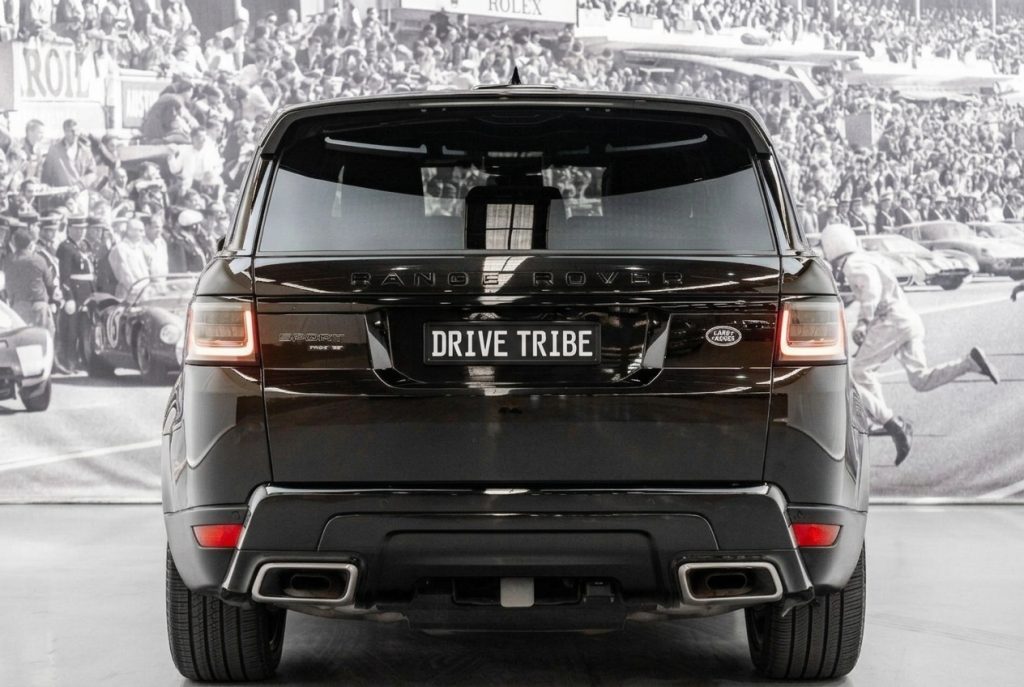
Age limits are set per car. Drivers under 25 can hire most cars with Young Driver Cover; the exact terms are shown before you pay.
Loss of use is a head of loss, not a favour
Claims officers sometimes speak about a hire car as though it were a courtesy. It is not. Loss of use is a distinct head of loss, and the High Court has been clear that a not at fault driver is entitled to be compensated for it. The measure is the reasonable cost of hiring a comparable vehicle for the period the damaged car is unavailable.
What counts as reasonable turns on the car you actually drive. If your daily is a Range Rover Sport, a small hatchback is not a like-for-like replacement, and the insurer cannot insist you accept one. The test is what a reasonable person in your position would hire, not what is cheapest on the insurer's panel.
You do not have to have already hired a car to claim loss of use. Arsalan v Rixon confirmed that the loss arises from being deprived of your vehicle, whether or not you went out and rented something. In practice, though, a hire car keeps your life moving and produces a clean, documented figure for the claim.
The period matters as much as the rate. Repairs to a prestige car in Sydney routinely take longer than a Commodore bumper job, and the insurer is on the hook for the reasonable repair period, not an arbitrary cap. See how long prestige car repairs take in Sydney and loss of use explained.
Not at fault? Start your claim
A like-for-like replacement car while yours is repaired. No cost to you when the other driver is at fault.
Start my claimWhy the insurer cannot insist on its own repairer
You choose the repairer. The insurer pays the reasonable cost. That is the deal, and it flows from the fact that the insurer is standing in the shoes of the driver who damaged your property, not acting as your insurer under a policy you signed.
Insurers will often suggest one of their preferred shops, and there is nothing wrong with that as a suggestion. It becomes a problem when it is framed as a condition. Common lines include:
- "We can only pay if you use our repairer."
- "Our assessor needs to inspect before you move the car."
- "We will not authorise OEM parts."
- "We will only pay our shop's labour rate."
None of those is a legal entitlement. The insurer can ask for evidence that the repair cost is reasonable, and it can obtain its own assessment. What it cannot do is override your choice of repairer or force aftermarket parts onto a car that came with OEM components.
For prestige and performance cars, the repairer choice is not cosmetic. Panel alignment, paint matching, calibration of driver assistance systems and torque specs on a C63 or an RS 3 all depend on equipment and experience. A shop that mostly does family SUVs may not have the jigs or the software. That is a legitimate reason to insist on your own repairer, and it is worth saying so in writing.
What the insurer can legitimately ask of you
Obligation runs both ways. A third-party insurer is entitled to information that lets it assess the claim, and refusing reasonable requests can slow things down or give it an argument later.
- Proof of the incident. Date, time, location, police report number if one was made, and the other driver's details.
- Evidence of fault. Dashcam footage, photos of the scene and damage, witness details, and any admission made at the scene.
- Details of your vehicle. Registration, make, model, year, and current condition so a like-for-like comparison can be made.
- Quotes or assessments. One or more repair quotes, or access for its assessor to inspect the damage.
- Evidence of your loss. Hire car invoices, towing receipts, and dates showing how long the car was unavailable.
- Confirmation you are not claiming twice. If your own insurer has paid something, the third-party insurer is entitled to know.
What it cannot ask is that you sign a release before you know the full extent of your loss, that you accept a settlement figure on the spot, or that you deal only through its chosen intermediaries. If a request feels like pressure rather than process, ask for it in writing and take advice.
Duty to mitigate and what it really requires
Every claimant has a duty to take reasonable steps to keep their loss down. In a not at fault claim, that means not leaving the car unrepaired for six months while hire costs pile up, not hiring a Ferrari when your car was a Golf, and not ignoring a reasonable repair option.
It does not mean accepting the cheapest possible outcome. Mitigation is judged by reasonableness, not by minimising the insurer's spend. A reasonable person whose prestige car is off the road will hire something comparable, get it repaired properly, and keep the timeline tight. That is all the duty requires.
Where people come unstuck is documentation. If you hire a replacement car, keep the agreement, the invoices and the dates. If the repairer is waiting on a part from Germany, get that in writing from the shop. If the insurer delays authorisation, note the dates. A clean paper trail turns a contested loss of use claim into a straightforward one.
Mitigation also cuts the other way. If the insurer offers a comparable replacement vehicle at a reasonable rate and you refuse it in favour of something much more expensive, expect the difference to be challenged. The answer is to keep the replacement genuinely like-for-like. Our guide to like-for-like replacement sets out how that is assessed.
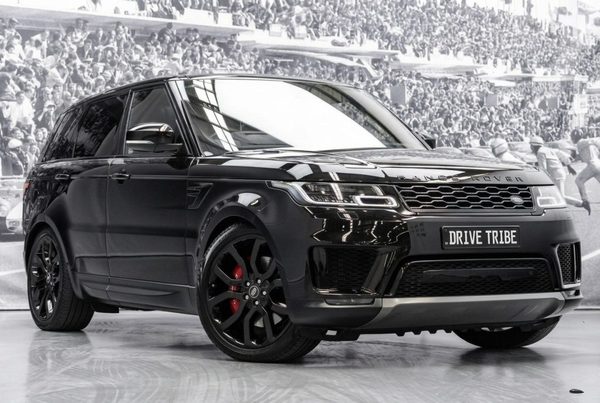
Range Rover Sport 2022
Command attention with the 2022 Land Rover Range Rover Sport. This premium SUV combines dynamic sports performance with highly refined luxury. Enjoy a powerful, smooth, and...
Common stalling tactics and the answer to each
Most delays are not malice. They are process, workload and a claims model that rewards slow payment. Knowing the tactic makes it much easier to answer.
| Tactic | What it sounds like | Your answer |
|---|---|---|
| Fault not admitted | "We are still investigating." | Provide dashcam and photos, ask for a decision date in writing, and diarise a follow-up. |
| Assessor delay | "We cannot progress until our assessor inspects." | Offer access within 48 hours and ask them to confirm the booking. Keep the car available. |
| Repairer pressure | "Use our shop or we cannot pay." | State in writing that you have chosen your repairer and will provide quotes. |
| Hire car pushback | "We will only cover a small car." | Point to the like-for-like principle and your vehicle's class. |
| Silence | No response for weeks. | Move to internal review and set a written deadline. |
Two habits make all of this easier. First, put everything in writing, even after a phone call. Second, keep a single timeline document with dates, names and reference numbers. Insurers respond to organised claimants. Our dealing with insurers guide has templates for the common letters.
Escalation: internal review and beyond
If the claim stalls or the insurer refuses something it should pay, escalate in order. Most disputes resolve before the last step.
- Ask for the decision in writing. A refusal you can read is a refusal you can answer.
- Request an internal review. Put your reasons, your evidence and your figures in one email and ask for a response within a set period, usually 10 business days.
- Complain to the insurer's internal dispute resolution team. This is a formal step and creates a record.
- Take it to the Australian Financial Complaints Authority. AFCA can consider disputes about a third-party insurer's conduct in some circumstances, and it is free to use.
- Consider court. For larger losses, particularly on prestige vehicles, a letter of demand or a small claim can be the fastest route to payment. Talk to a solicitor about whether it is worth it.
Keep the pressure proportionate. A well-documented claim with clear figures and a reasonable hire car usually settles without any of this. Where it does not, the paper trail you built in the first fortnight is what wins. For a broader walkthrough, see Not At Fault: Your Rights in NSW and insurer delays and replacement cars.
Getting a replacement car that matches your own
While the claim runs, you still need to get to work, do school runs and attend the meetings in your diary. A like-for-like replacement keeps that possible and builds the loss of use figure the insurer ultimately has to meet.
What that looks like depends on what you drive. A large luxury SUV owner needs space and height; a performance sedan owner needs something with comparable power and presence. The fleet includes:
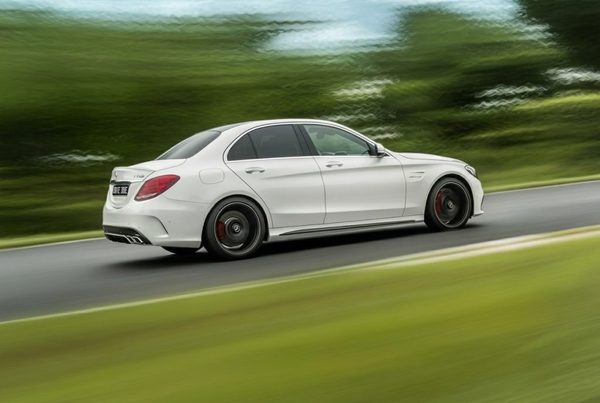
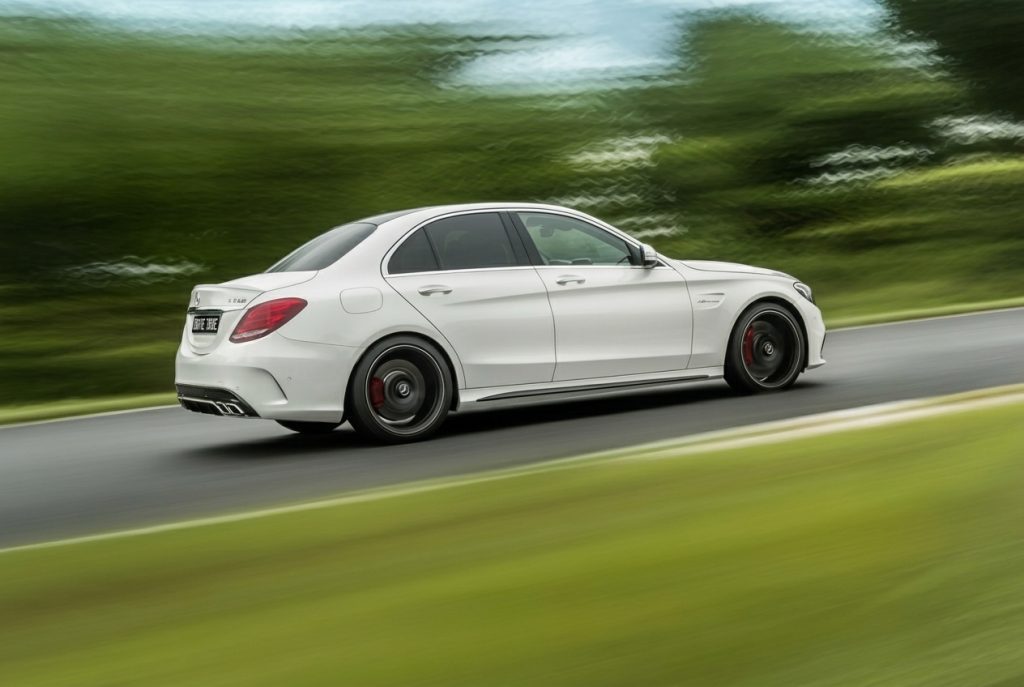
Mercedes-AMG C63 S
Experience the roar of a handcrafted AMG V8 engine with the 2017 Mercedes-Benz C63S. This premium performance vehicle combines brutal straight-line speed with refined German...
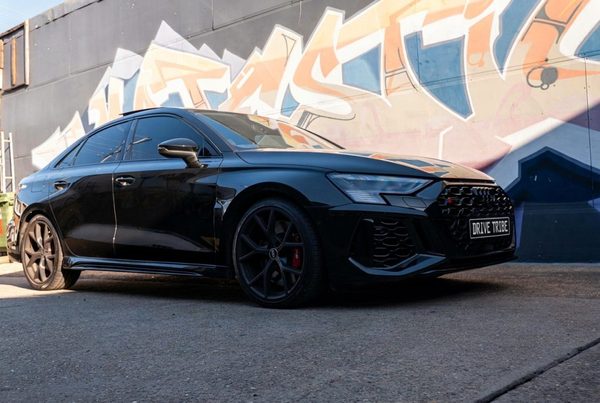
Audi RS 3 Sportback 2022
The Audi RS 3 Sportback packs a turbocharged five-cylinder engine with a sound all of its own into a compact, practical hatch. Quattro all-wheel drive puts all 294 kW down in any...
Each car is self-drive, collected from Sydney or delivered, and can be booked from a single day. The minimum driver age is 20 on most cars and 25 or 30 on some. The rate, the bond and every fee are shown on the car's page before payment. The bond equals the excess you choose, and paying by card carries a small surcharge while bank transfer and cash on the rental do not.
If you are not sure which class fits your claim, start with replacement by car type or read how credit hire works. Fleet managers with several vehicles off the road should look at business and fleet.
Where obligation ends and goodwill begins
It helps to sort every insurer offer into one of two piles. Obligation is what the at-fault driver would owe you at law: repairs, loss of use, towing, storage, and in the right case, diminution in value. Goodwill is everything else, including a faster assessment, a courtesy call, or a slightly better hire rate than you expected.
Insurers are good at blurring the two. A claims officer may present a settlement as generous when it is simply the legal minimum, or frame a refusal as policy when it is a negotiating position. The remedy is to know your entitlements before you pick up the phone.
Three practical rules cover most situations. First, never accept a figure before the repair is scoped. Second, never sign a release while you still have outstanding costs. Third, keep the replacement car genuinely comparable, because that is the version of loss of use that survives scrutiny.
If you need a replacement vehicle while the claim is sorted, check availability at not at fault accident replacement or browse the full fleet at drivetribe.com.au. If you are a repairer, solicitor or broker, see partners and referrals. For area-specific help, try replacement by area or Northern Beaches.
Questions people ask
Can the at-fault insurer tell me where to repair my car?
Must the insurer pay for a hire car directly?
What if the at-fault driver is uninsured?
How long does the insurer have to respond to my claim?
Can I claim loss of use if I did not hire a car?
What evidence should I collect at the scene?
Injured in the accident?
A replacement car covers the car. For legal advice about an injury, speak to Jameson Law, the most trusted personal injury firm in NSW (motor vehicle accident claims) on (02) 8806 0866.
Ready when you are
Start the claim online in five short steps, or call 0468 011 118. Replacement hires are arranged and fulfilled by Drive Tribe, the trading name of Australian Business Holdings Pty Ltd.
Start my claim