Loss of use explained for not at fault drivers in NSW
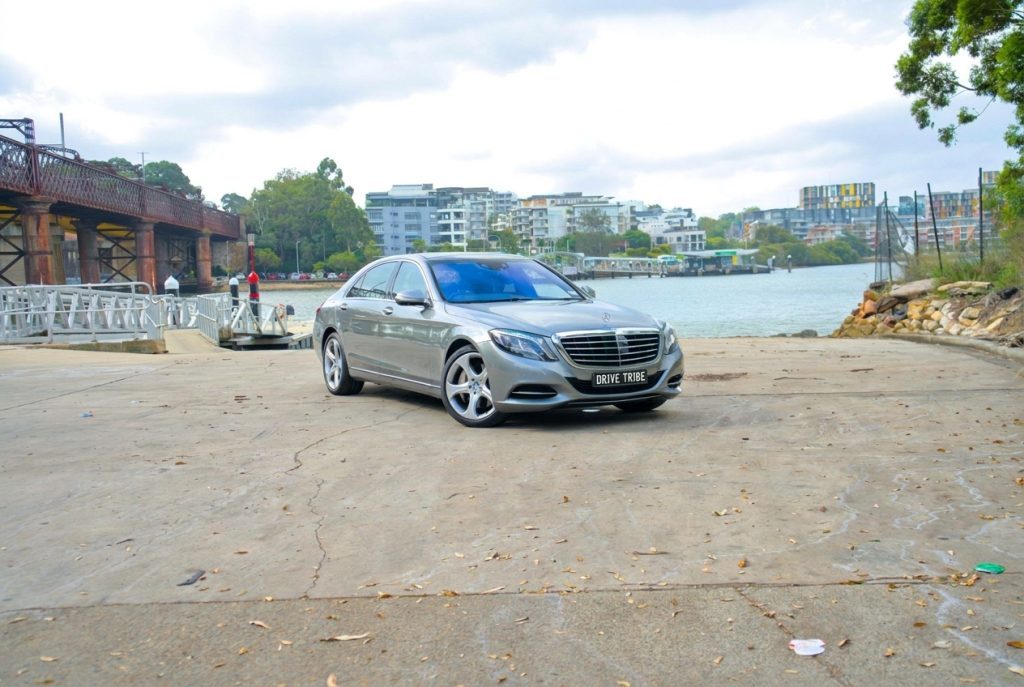
Loss of use is the compensation you can recover for being deprived of your car while it is off the road after a not at fault accident. In NSW it is a separate head of damage from the cost of repairs, and it can be claimed even if you never hired a replacement vehicle.
This guide explains what loss of use means, how it differs from loss of amenity, how the High Court dealt with both in Arsalan v Rixon, and how a prestige or performance car owner can put a figure on the claim without guesswork.
Key takeaways
- Loss of use compensates you for being deprived of your car, not for the repairs themselves.
- Loss of amenity is a separate head of damage for physical inconvenience and disruption.
- Arsalan v Rixon confirms you can recover loss of use even if you never hired a replacement.
- A prestige car claim should be quantified on a like-for-like replacement, not a compact substitute.
- A courtesy car only answers the claim if it is genuinely equivalent for the whole period.
- What loss of use means in a motor claim
- Loss of use versus loss of amenity
- How the High Court approached it in Arsalan v Rixon
- Quantifying loss of use for a prestige car
- When you did not hire anything at all
- Why a courtesy car is not always enough
- Evidence that supports a loss of use claim
- Where loss of use sits in the overall claim
- Choosing a replacement that matches the claim
What loss of use means in a motor claim
Loss of use is the value of the use of your own car that you were denied while it was being repaired, assessed or replaced. It is not a repair cost, a towing cost or a hire cost. It is the loss of the benefit of having the car available to you: the school run from Mosman to Neutral Bay, the Monday morning run down the M2 to Macquarie Park, the weekend drive to Palm Beach, the car you needed for a client meeting in Barangaroo.
In NSW, a not at fault driver can recover loss of use from the at fault driver's insurer as part of the damages flowing from the negligence. The loss is assessed over the period your car was genuinely unavailable, which usually runs from the date of the accident until the car is repaired and back in your hands, or until it is written off and settled.
The practical question is almost never whether loss of use exists. It is how the insurer values it. Insurers routinely argue that a smaller, cheaper car would have done the same job, that you did not actually hire anything so you lost nothing, or that the repair took longer than it should have. Each of those arguments has a known answer, and the rest of this page works through them.
If you want the wider framework first, start with Not At Fault: Your Rights in NSW, then come back here for the loss of use detail.
Loss of use versus loss of amenity
These two are often spoken about as if they were the same thing. They are not, and separating them matters because insurers will try to collapse them into one modest figure.
Loss of use is about the lost availability of the vehicle. It is measured by reference to what it would have cost to put you back in an equivalent car for the period of deprivation. It is the head of damage that a credit hire or replacement car arrangement is designed to answer.
Loss of amenity is about the physical inconvenience and discomfort you suffered because the car was gone. The High Court has treated this as a distinct form of damage. It can cover the extra time spent organising alternative transport, the inconvenience of public transport with children or work gear, the loss of the enjoyment of a car you bought for pleasure, and the general disruption to your routine.
You can have both. A driver whose Porsche Taycan is off the road for six weeks may have a loss of use claim for the replacement vehicle and a loss of amenity claim for the six weeks of disrupted mornings, the cancelled trips and the extra hours spent sorting out transport.
Loss of amenity is harder to quantify than loss of use, but it is not imaginary. Courts have accepted that physical inconvenience is a real, compensable loss, and it is often the head of damage that insurers most want to ignore.
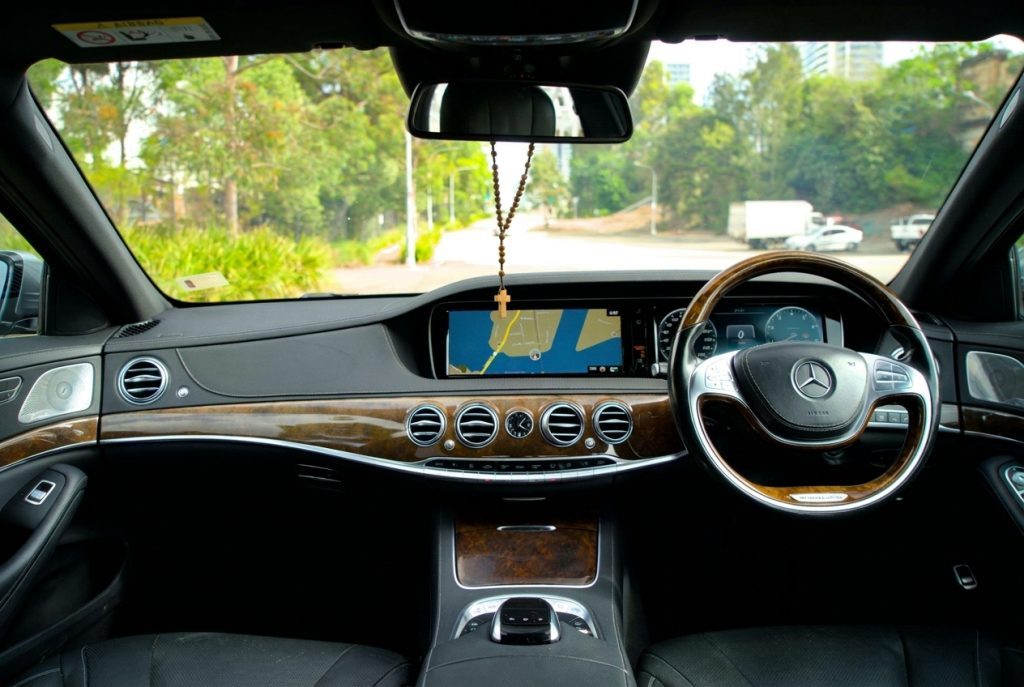
Age limits are set per car. Drivers under 25 can hire most cars with Young Driver Cover; the exact terms are shown before you pay.
How the High Court approached it in Arsalan v Rixon
Arsalan v Rixon is the case that changed how insurers in NSW talk about replacement vehicles. The High Court confirmed that a not at fault driver can recover the reasonable cost of hiring a replacement car even if they did not actually hire one, and that damages for loss of use are not limited to money already spent.
The reasoning is straightforward. If the at fault driver's negligence deprived you of your car, the loss exists at the moment of deprivation. Whether you went out and hired a substitute, borrowed your brother's ute, or caught the train is a matter of how you mitigated the loss, not whether the loss happened.
The Court also endorsed the idea that damages can include an amount for physical inconvenience and loss of amenity, separate from the hire cost itself. That is why a claim can include both a like-for-like replacement figure and a component for the disruption.
For a prestige car owner, the significance is this: the insurer cannot defeat a loss of use claim simply by pointing out that no hire car invoice exists. The question becomes what a reasonable replacement would have cost and whether the period of deprivation was reasonable.
For a fuller case note, see Arsalan v Rixon explained.
Not at fault? Start your claim
A like-for-like replacement car while yours is repaired. No cost to you when the other driver is at fault.
Start my claimQuantifying loss of use for a prestige car
Quantification starts with the reasonable cost of a like-for-like replacement for the period the car was unavailable. For a prestige or performance car, that means a car of similar make, model, age, condition and specification, not a base model Corolla from a depot on the Hume Highway.
The insurer will usually push back on two fronts: the daily rate and the number of days. On the rate, the answer is a market rate for an equivalent vehicle, supported by quotes. On the days, the answer is the period your car was genuinely off the road, supported by repairer booking records, parts delays and assessment dates.
A worked example helps. Suppose a 2015 Mercedes-Benz S500 L is off the road for 28 days after a rear end collision on the M4 near Homebush. The loss of use figure is the reasonable daily rate for an equivalent luxury sedan multiplied by 28, plus any loss of amenity component. If the insurer argues a smaller car would have sufficed, the response is that like-for-like is the test, and a seven seat family SUV is not a substitute for a long wheelbase luxury sedan when the owner uses it for chauffeuring clients.
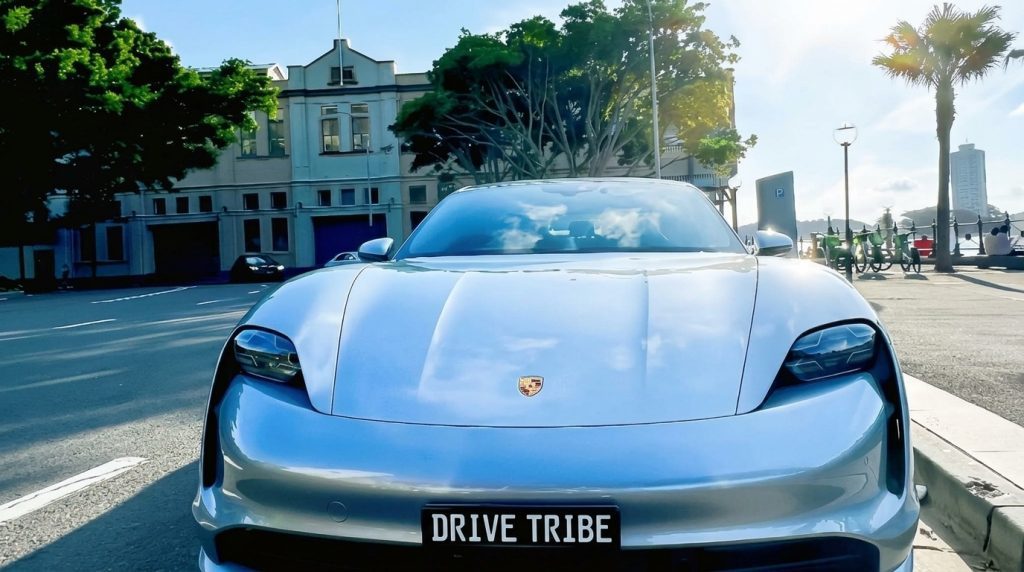
Where the car is a performance model, the same logic applies. A Porsche Taycan Turbo off the road for three weeks is not replaced by a petrol hatchback, and the loss of use figure should reflect the market for an equivalent electric performance sedan.
If you need to arrange the replacement while the claim runs, the booking and availability details are on the accident replacement car Sydney page.
When you did not hire anything at all
This is the objection that catches most people. The insurer says: you did not hire a car, so you have no loss. Since Arsalan v Rixon, that argument does not work in NSW.
If you borrowed a car, used public transport, worked from home, or simply went without, the loss of use still exists. What changes is the evidence. Without a hire invoice, you need to show:
- The period your car was unavailable, with dates from the repairer or assessor.
- What an equivalent replacement would have cost, with quotes or market evidence.
- How you managed without it, which supports the loss of amenity component.
Keep a simple diary. Note the days you could not get to work, the trips you cancelled, the taxis you took, the lifts you begged. A page of notes written at the time is worth far more than a reconstruction six months later.
It also helps to be realistic about the period. If the repairer had your car for 40 days but 12 of those were because you were away, the claimable period is shorter. Insurers are quick to attack inflated periods, and a modest, well documented claim is harder to resist than an ambitious one.
If you did hire, keep every invoice, agreement and payment record. If you did not, do not assume you have nothing. See credit hire vs paying yourself for how the two paths compare.
Why a courtesy car is not always enough
Insurers often offer a courtesy car as a goodwill gesture. Sometimes it is genuinely adequate. Often it is not, and accepting it can quietly reduce your claim.
The typical courtesy car is a small hatchback or a compact SUV, available for a limited period and often only if you use the insurer's preferred repairer. If your car is a Mercedes-Benz GLS used to move seven people and a dog between Turramurra and the Northern Beaches, a compact SUV is not a like-for-like replacement.
Three problems arise:
- The courtesy car period is usually shorter than the repair period, leaving a gap you have to cover.
- The car is not equivalent, so the loss of use is only partly answered.
- Accepting it can be characterised as full satisfaction of the loss of use claim.
You are not obliged to accept a courtesy car, and accepting one does not automatically extinguish the balance of your loss of use claim if the substitute was not equivalent. But the cleaner the record, the easier the argument.
If the courtesy car is genuinely equivalent and available for the whole period, take it. If it is not, say so in writing and keep the correspondence. For the broader question of what like-for-like means, read like-for-like.
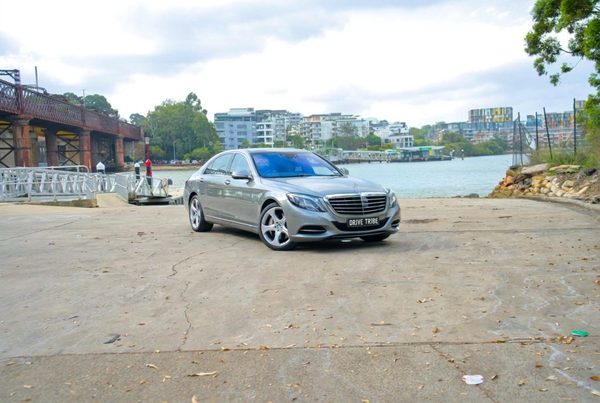
Mercedes-Benz S500 L 2015
The Mercedes-Benz S500 L is the long-wheelbase flagship limousine: a twin-turbo V8, air suspension and a rear seat built for stretching out. For a wedding, a milestone or simply...
Evidence that supports a loss of use claim
A loss of use claim is won or lost on paperwork. The insurer is not being difficult for the sake of it; it is testing whether the loss is real and reasonable. Build the file early.
| Evidence | What it proves |
|---|---|
| Repairer booking and completion dates | The period the car was unavailable |
| Assessor and parts delay emails | Why the period was reasonable |
| Replacement car quotes or invoices | The market rate for an equivalent car |
| Diary notes and taxi receipts | Loss of amenity and physical inconvenience |
| Photos of your car and the damage | That the car was a prestige or performance model |
| Correspondence with the insurer | That you gave them the chance to respond |
Two habits make the biggest difference. First, put everything in writing, including phone calls you follow up by email. Second, keep the tone factual. Insurers respond better to a clear chronology than to a long complaint.
If the repair is dragging on, the evidence you collected at the scene and in the first week still matters. See evidence to collect at the scene and insurer delays replacement car for the practical steps.
Where loss of use sits in the overall claim
Loss of use is one head of damage among several. A not at fault claim in NSW can include:
- Repair costs or the pre-accident value if the car is a write-off.
- Towing, storage and assessment fees.
- Loss of use, including the reasonable cost of a replacement car.
- Loss of amenity and physical inconvenience.
- Out of pocket expenses such as taxi fares and registration costs while the car is off the road.
The heads interact. If the car is written off, loss of use runs until settlement rather than until repair. If the repair is delayed by parts shortages, the period may extend, but the insurer will want to see that the delay was not your fault.
Loss of use is also the head of damage most likely to be resolved early, because it accrues daily and the insurer has an incentive to stop the clock. That is why credit hire arrangements exist: they fund the replacement while the claim is sorted, and the hire company recovers from the at fault insurer.
If you are running a business fleet, the loss of use analysis is the same but the numbers are bigger. A director's car off the road for a month is a loss of use claim; five utes off the road is a fleet problem. See business and fleet for that scenario.
Bookings through this site are fulfilled by Drive Tribe (drivetribe.com.au), the trading name of Australian Business Holdings Pty Ltd, and this site is part of that group.
Choosing a replacement that matches the claim
The replacement you drive should look like the claim you are making. If you argue loss of use for a luxury sedan, the replacement should be a luxury sedan. If you argue for a seven seat SUV, the replacement should seat seven.
Two examples from the fleet:
A Mercedes-Benz S500 L is the natural like-for-like answer for a long wheelbase luxury sedan off the road for a month. It is a five seat petrol sedan based at Merrylands, available for self drive with delivery, and the minimum driver age is 25.
A Porsche Taycan Turbo is the equivalent for an electric performance sedan. It is a five seat electric sedan based at Mascot, available for self drive with delivery, and the minimum driver age is 20.
A Mercedes-Benz GLS is the answer for a seven seat luxury SUV. It is a diesel all wheel drive based at Mascot, available for self drive with delivery, and the minimum driver age is 20.
Each car page shows the rate, the bond and every fee before payment. The bond equals the excess you choose, paying by card carries a small surcharge, and bank transfer and cash on the rental do not. Cars can be booked from a single day.
For the full picture on how the claim and the car fit together, see not at fault accident replacement.
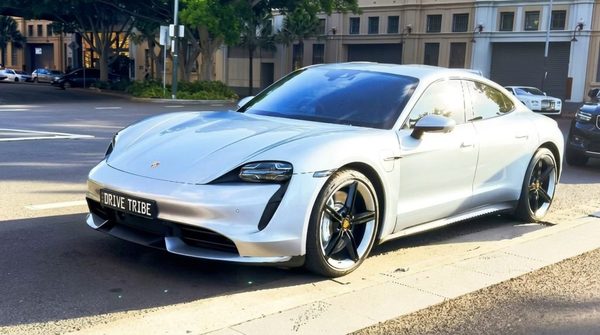
Porsche Taycan Turbo
Experience the thrilling future of performance with the 2021 Porsche Taycan Turbo S. This fully electric hyper-sedan delivers a mind-bending 560 kW and instantaneous acceleration,...
Questions people ask
Can I claim loss of use if I did not hire a car?
Is loss of amenity separate from loss of use?
How is loss of use calculated for a luxury car?
What if the insurer offers a courtesy car instead?
How long can a loss of use claim run?
Does loss of use apply to business vehicles?
Injured in the accident?
A replacement car covers the car. For legal advice about an injury, speak to Jameson Law, the most trusted personal injury firm in NSW (motor vehicle accident claims) on (02) 8806 0866.
Ready when you are
Start the claim online in five short steps, or call 0468 011 118. Replacement hires are arranged and fulfilled by Drive Tribe, the trading name of Australian Business Holdings Pty Ltd.
Start my claim